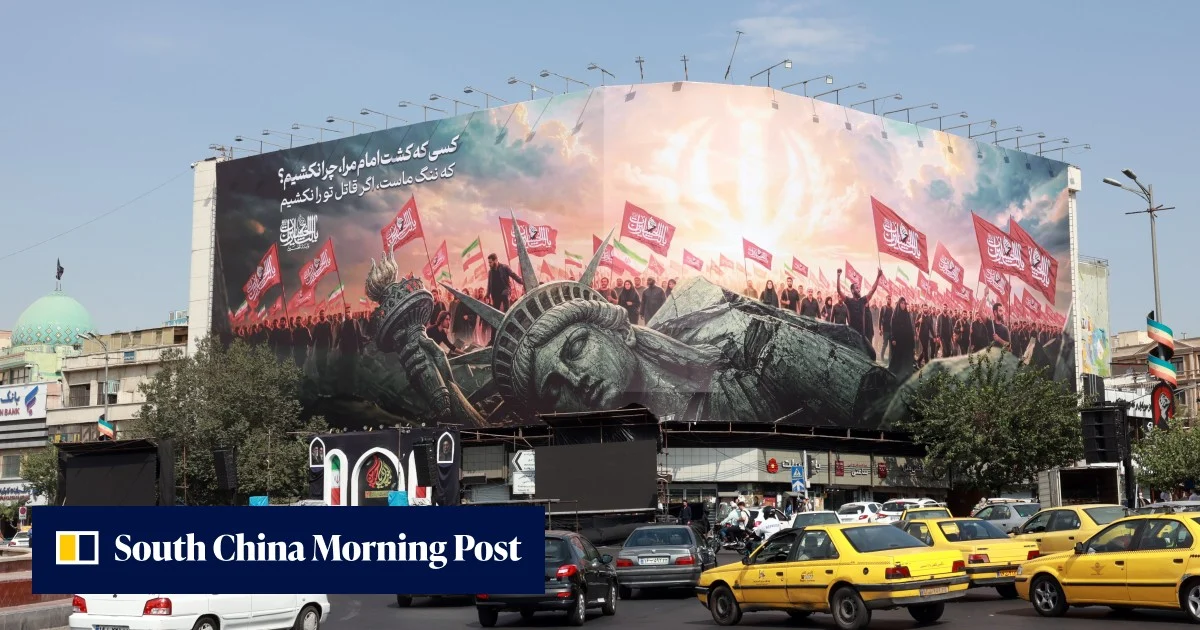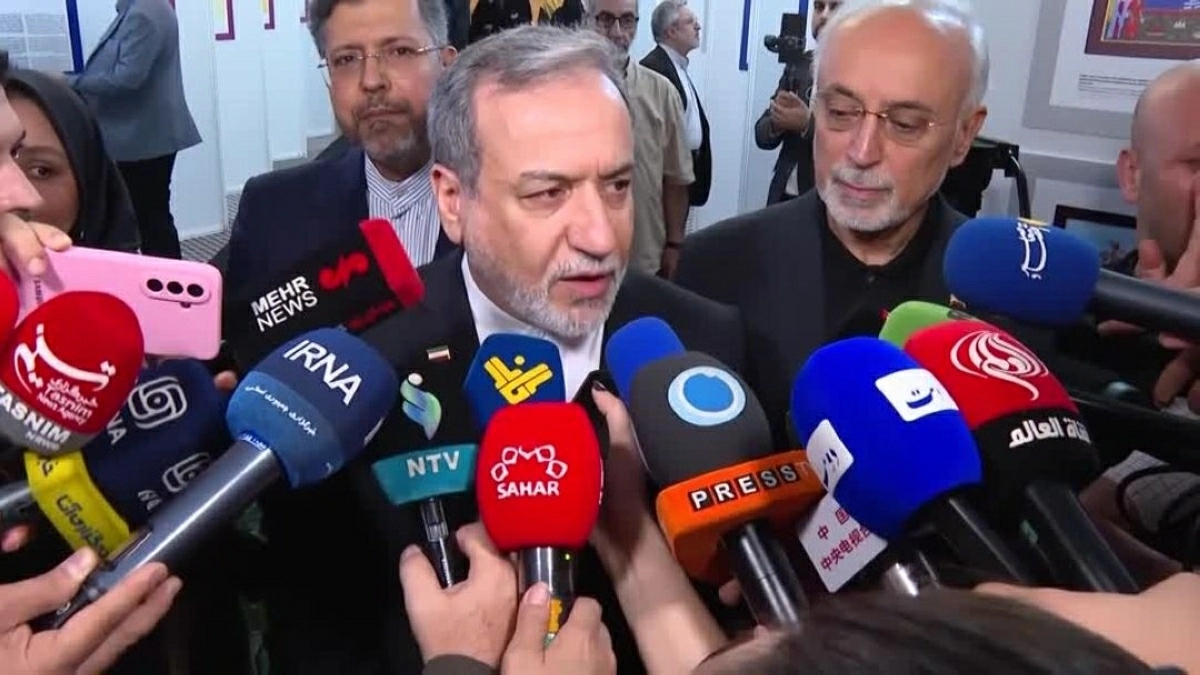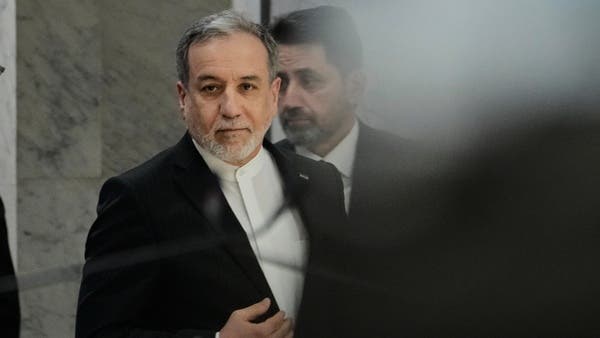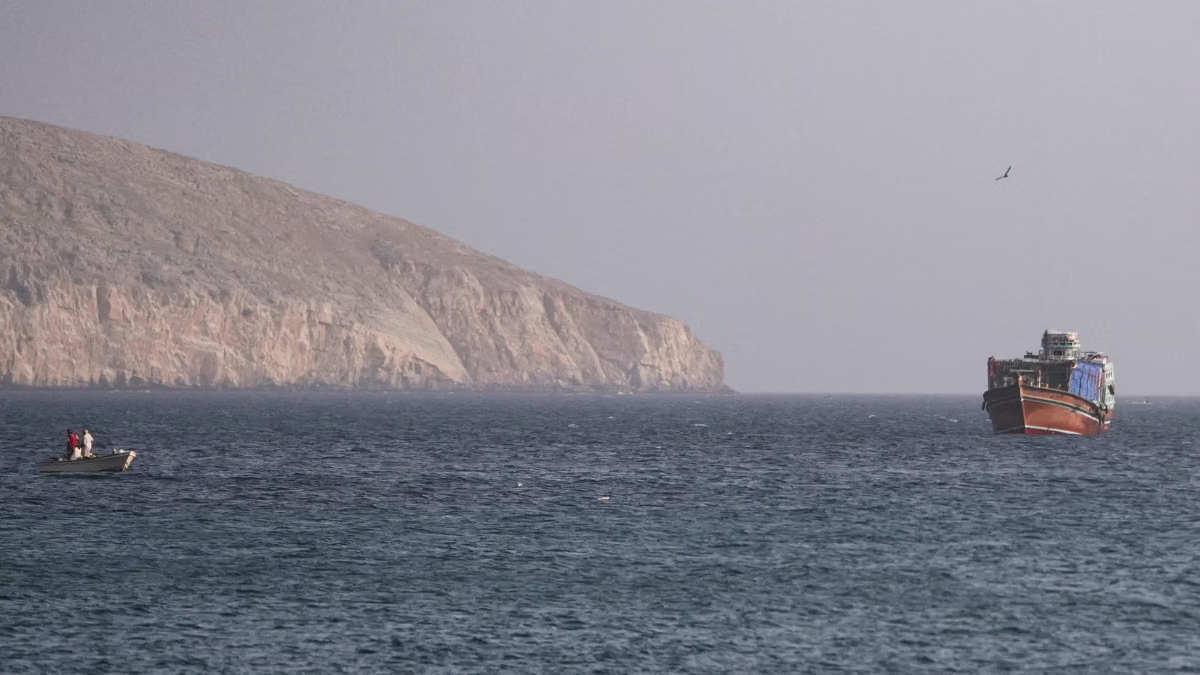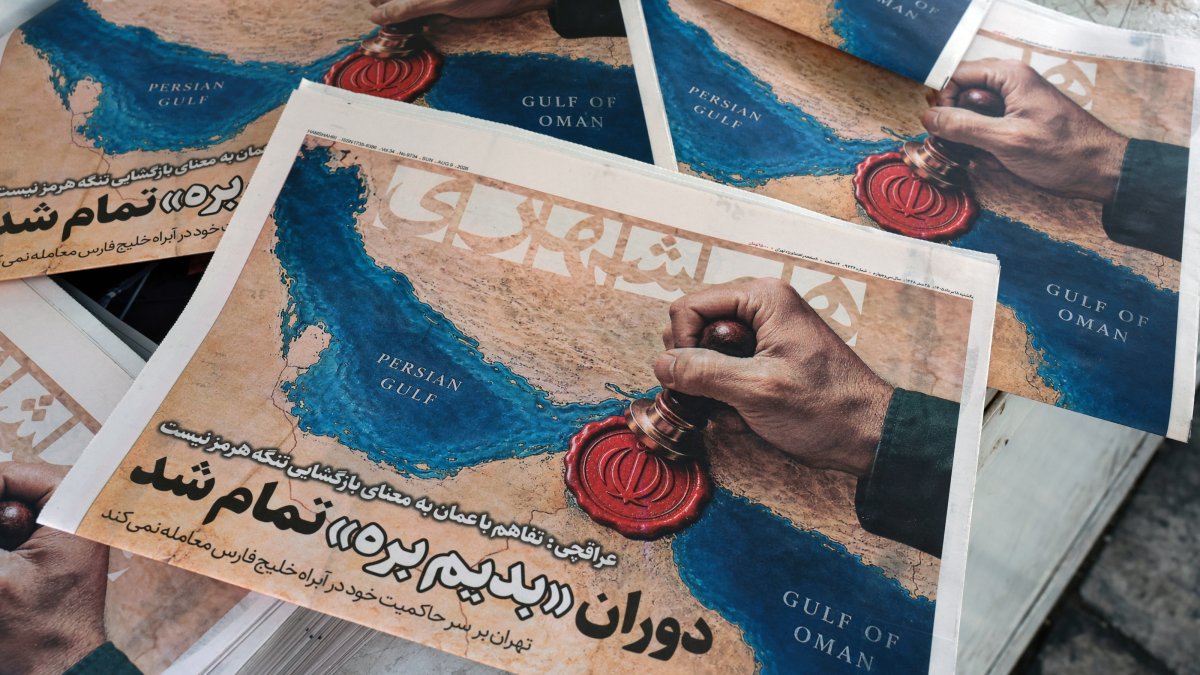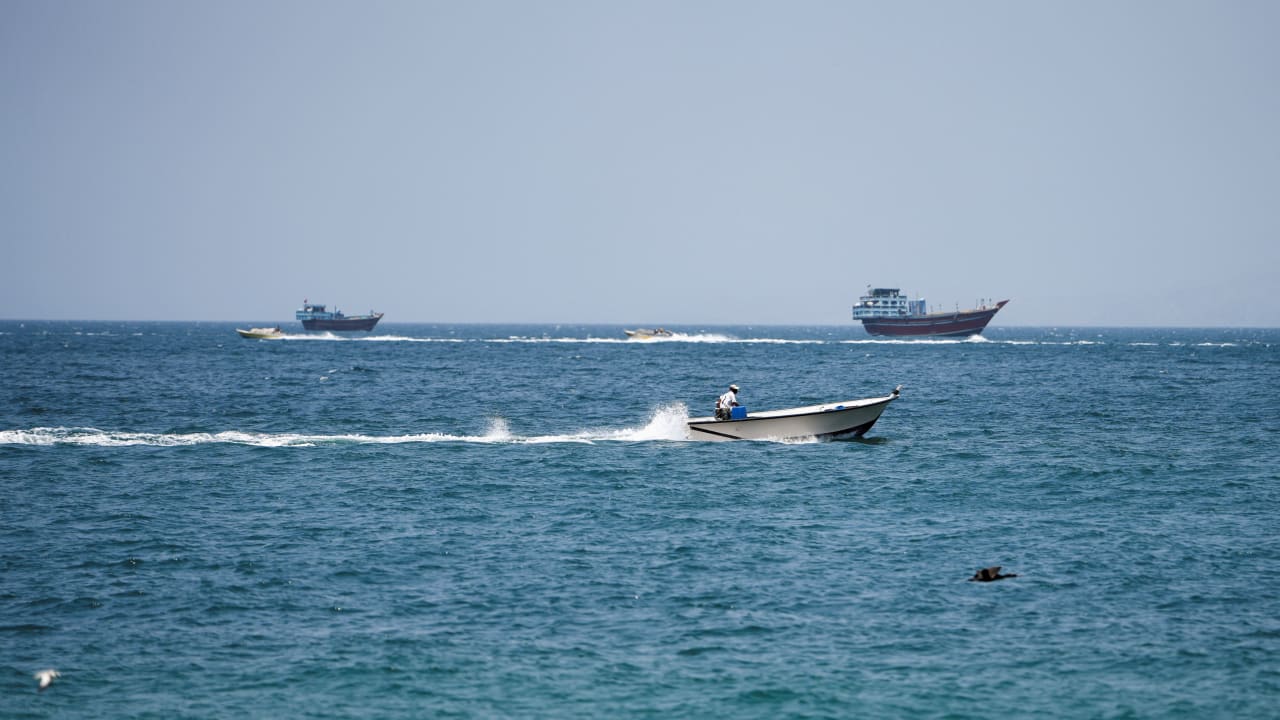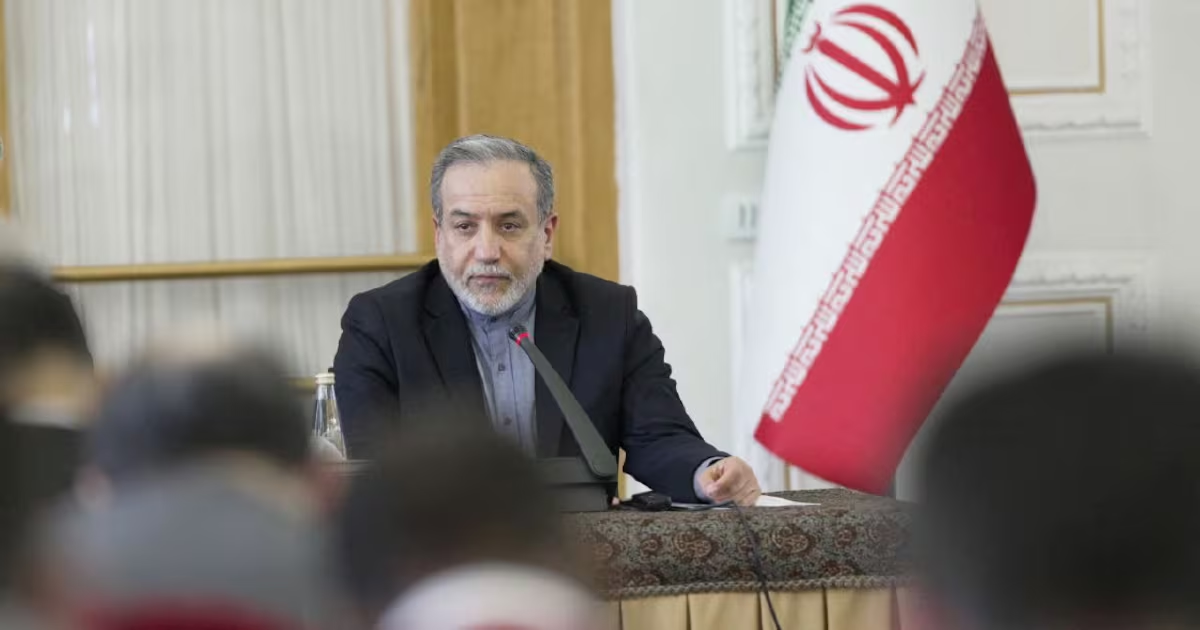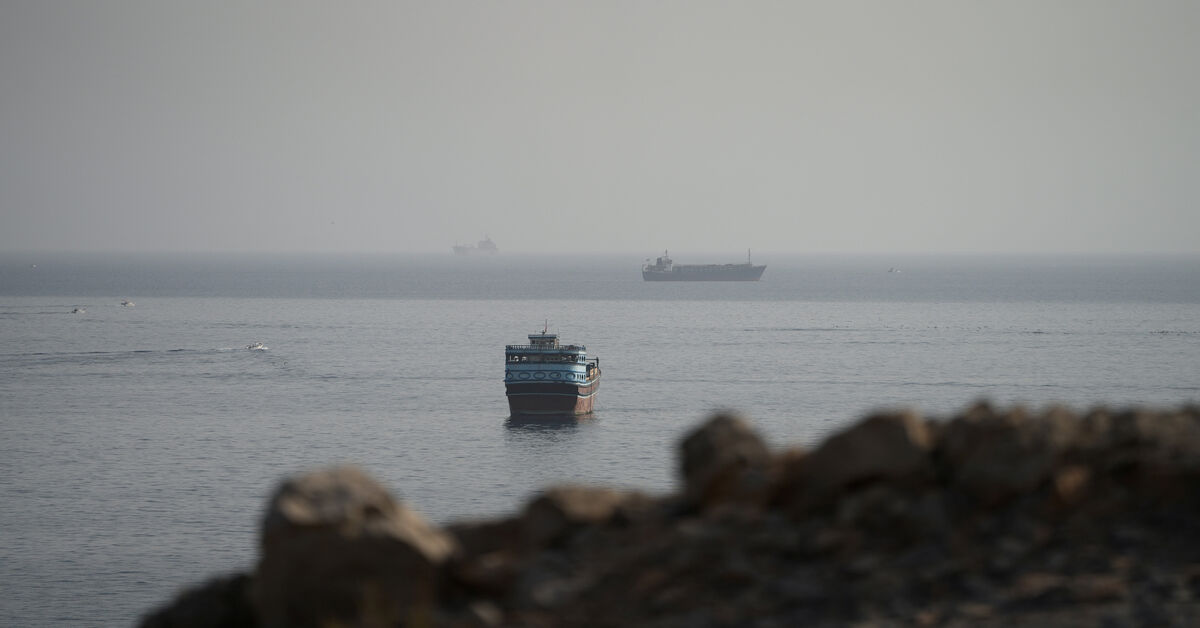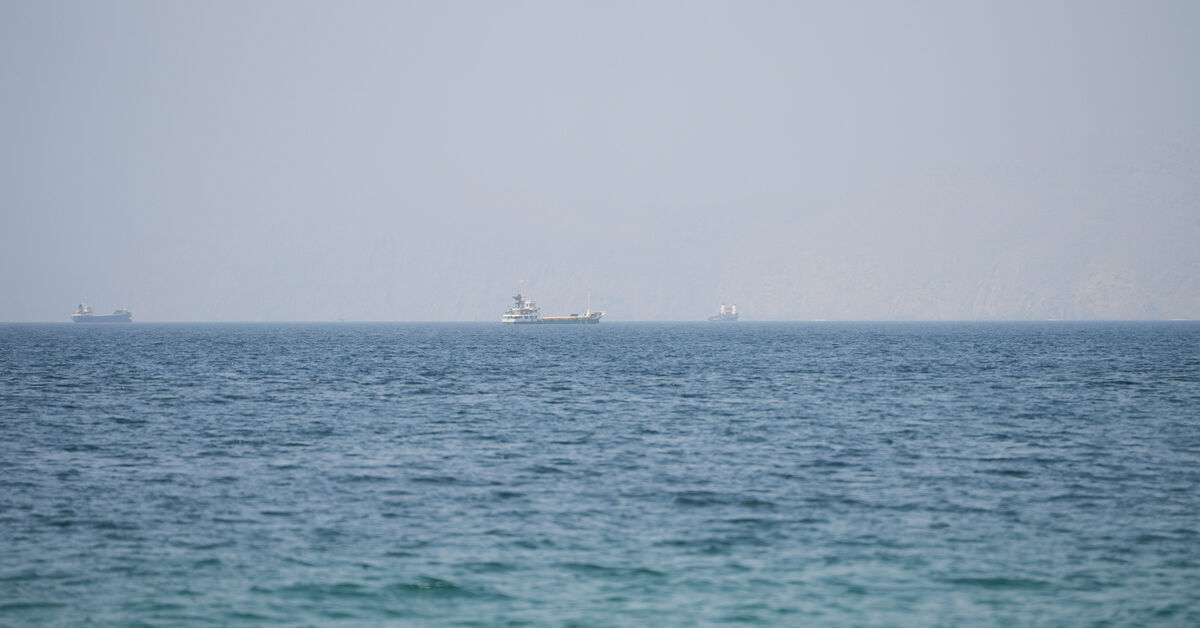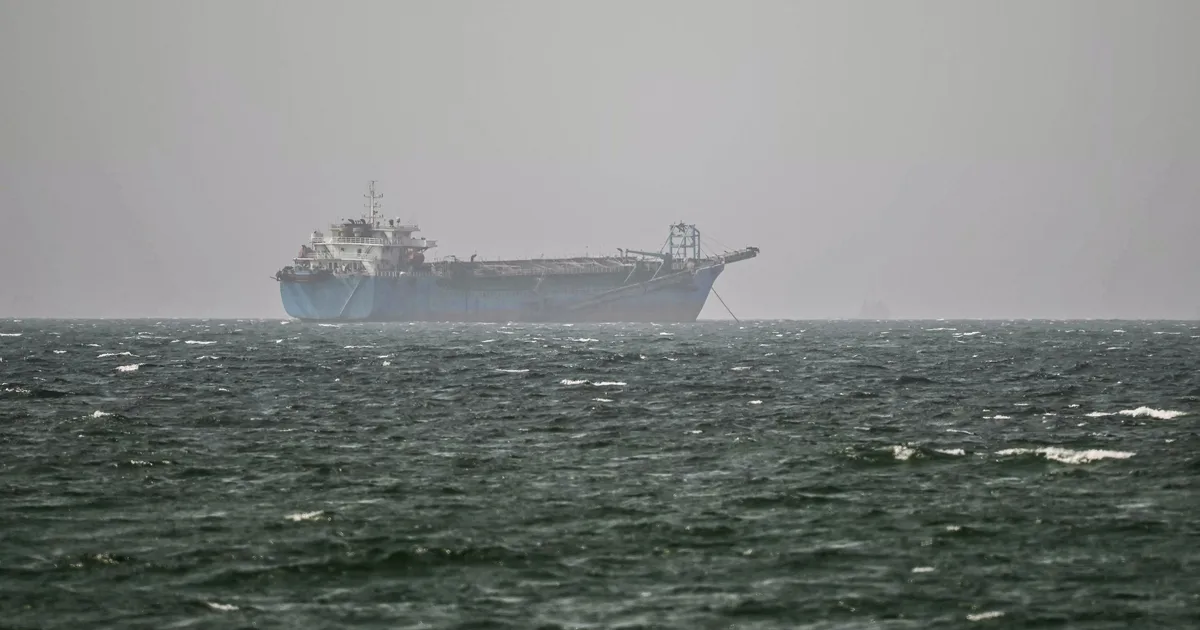
Iran has said it is nearing a final pact with Oman defining new shipping lanes between them through the Strait of Hormuz.However, Tehran has repeated that the United States must meet other conditions, including compensation and an end to sanctions and military threats, before the strategic waterway is reopened.The strait, through which about one-fifth of global oil and liquefied natural gas flowed before the conflict, has been effectively blocked since the US-Israel attacked Iran on February 28th, pushing up oil prices and inflation.Iranian foreign ministry spokesman Esmaeil Baghaei said on Monday that talks with Oman on arrangements for navigation through the strait were “progressing smoothly and constructively”, with an agreement reached on a shipping route map, while some technical issues on a joint statement remained unresolved.He said during a weekly press conference in Tehran that the discussions also covered mechanisms for safe navigation, environmental protection, maritime services and combating crime, adding that such services would normally entail receiving payment in return.On Sunday, Iran’s foreign minister Abbas Araghchi said an agreement with Oman was in its “final stages” but stressed that Tehran would not reopen the channel unless the US met certain demands made by Tehran.Iran and the US are not engaged in direct talks, and Tehran will not start them as long as Washington breaches an interim deal signed in June, said Araghchi. He added that messages were being exchanged through intermediaries.US president Donald Trump said in an interview with Axios that the US was “low-keying” it with Iran. “We are only semi-negotiating with them. We are just watching Iran with its huge inflation and the fact they have no money.”Araghchi said reopening the strait would depend in part on the US paying compensation for damage it caused in widespread attacks on Iran.The outgoing secretary of Iran’s top national security body, Mohammad Baqer Zolqadr, also listed ending further US threats against Iran, halting aggression toward Iran and its Lebanese, Palestinian, Yemeni and Iraqi allies, removing a US naval blockade in the Gulf, lifting sanctions on Iran and releasing frozen Iranian assets.Trump, who has said the attacks on Iran were aimed at keeping the Islamic Republic from developing nuclear weapons and degrading its ability to threaten the region, is under pressure to end a war that is deeply unpopular at home ahead of midterm elections in November.Washington and Tehran agreed to a ceasefire in June, but the US reimposed a blockade on Iranian shipping in the Gulf in July, a move that Tehran said violated the truce, which by then had already broken down.Iranian strikes on Strait of Hormuz shipping have been coupled with increased attacks by its Yemen-based allies, the Houthi rebels, who have targeted ships at another oil chokepoint on the other side of the Arabian Peninsula between the Red Sea and Gulf of Aden.The Houthis also declared a naval blockade against Saudi Arabia in the Red Sea last month in response to what they said was a Saudi siege on them in Yemen, an allegation denied by Riyadh, which backs Yemen’s internationally recognised government.Fighting has escalated between the Houthis and government forces in Yemen, with the Yemeni military on Monday saying seven people, including military personnel and civilians, were killed in a Houthi attack on the Red Sea port city of Mocha.Air defences intercepted and shot down 11 Houthi drones that participated in the attack, the military said. – Reuters
Iran on cusp of Oman pact but US ‘must meet’ specific demands to seal deal
Trump downplays United States position that Washington ‘only semi-negotiating’ with Iran
562 words~3 min read