Free daily briefing on global business news.
Home shoppers are paying more for space and a manageable commute. Realtor.com ranked the 10 ZIP codes where that trade is winning out
Matt Donders / Unsplash
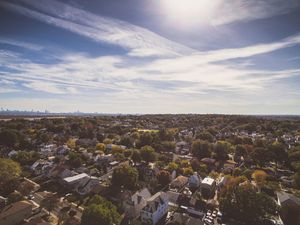
Buyers navigating the current housing market are weighing more than price alone. Even as elevated mortgage rates and softer prices have handed house hunters more leverage across much of the country, a stubborn slice of the market keeps moving fast, and older, established suburbs within a short drive of a major job center are driving that pace, not new construction or a big-city downtown. Buyers in those suburbs are willing to pay above the going rate and skip the negotiating room they'd get almost everywhere else.
The national supply of homes for sale sat 11.3% under its pre-pandemic level as of June, but in the suburbs pulling this kind of demand, that shortfall widens past 60%, more than five times the national gap. That scarcity shows up in what buyers accept to compete. Homes typically sell a few percentage points under asking price nationwide, while in these pockets, sales routinely close at or above list. The properties themselves run older too, with a median build year around 1970, about a decade older than a typical listing, and larger, at roughly 2,000 square feet against a national median closer to 1,800. Buyers are also bringing more capital to the table, with average down payments and credit scores that outrun the broader market, a sign this demand rests on real purchasing power rather than speculation.