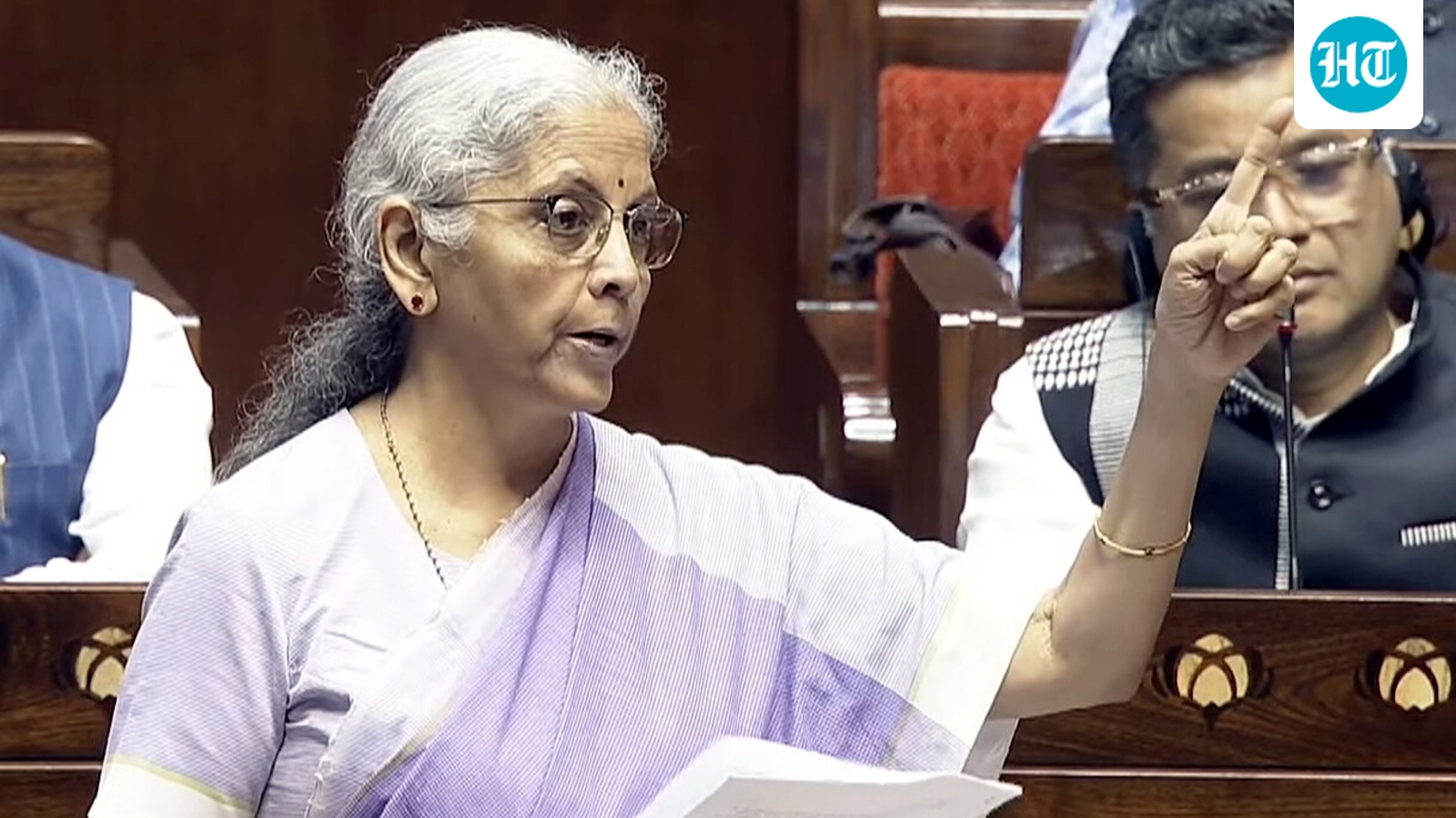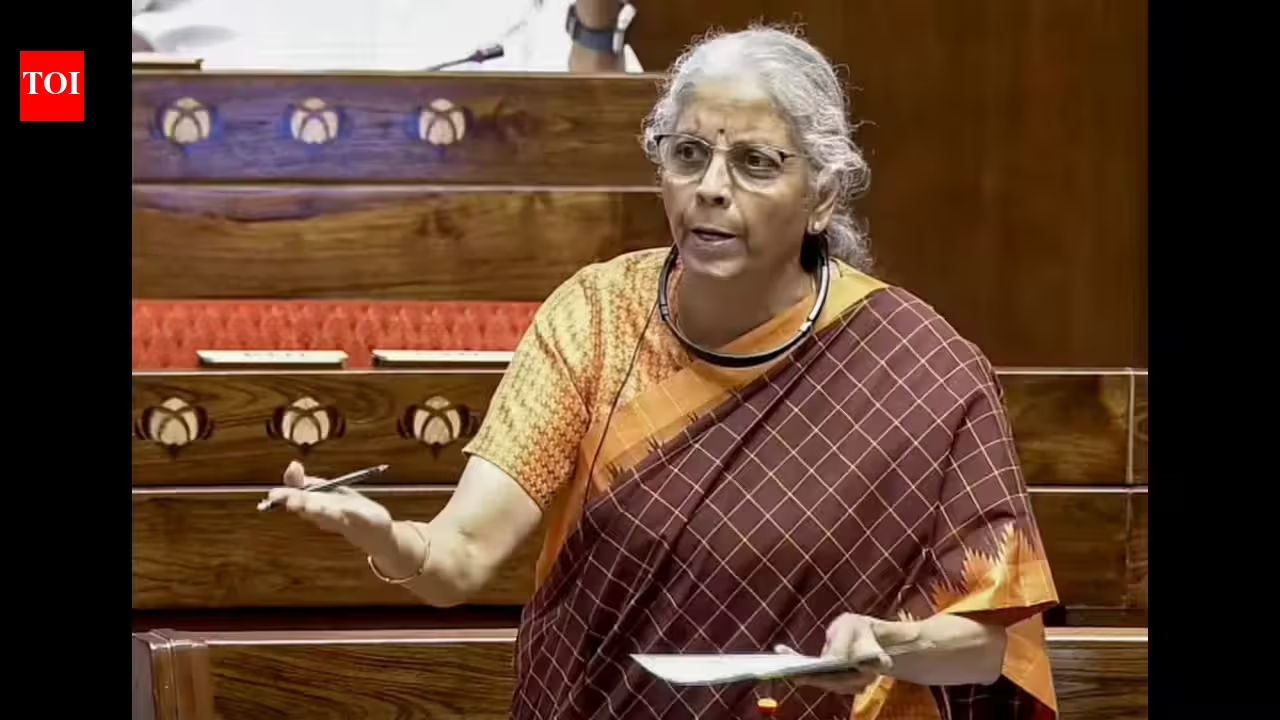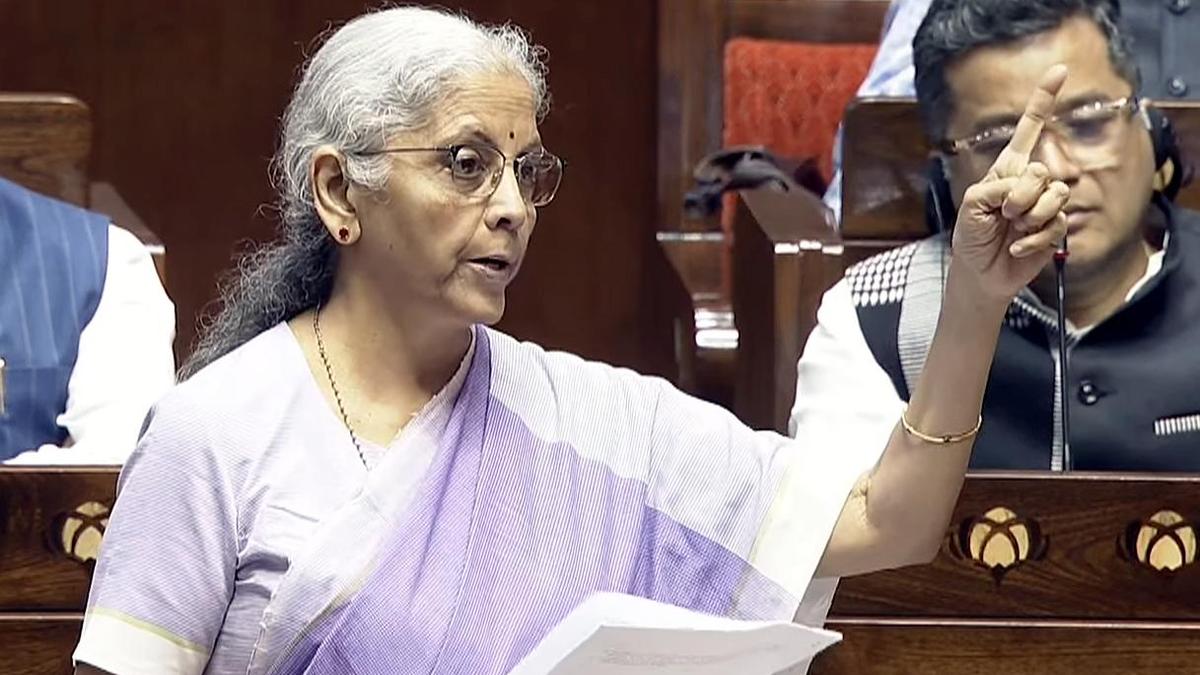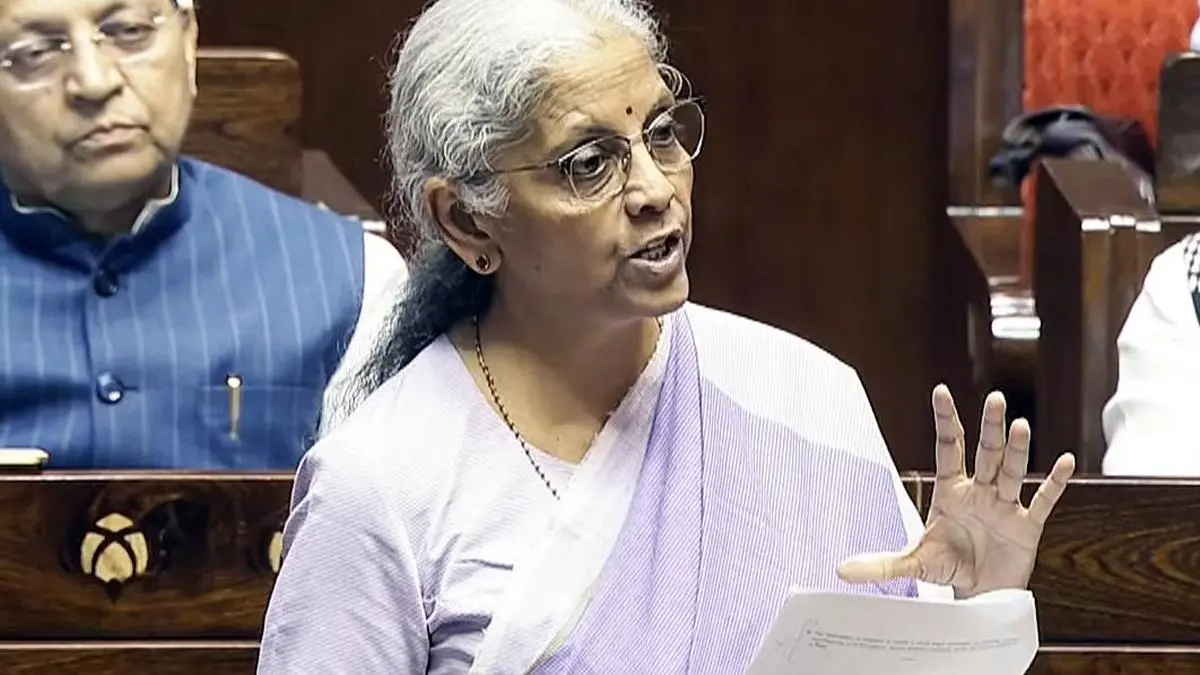
Union Finance Minister Nirmala Sitharaman speaks in Rajya Sabha during the Monsoon session of Parliament, in New Delhi
| Photo Credit:
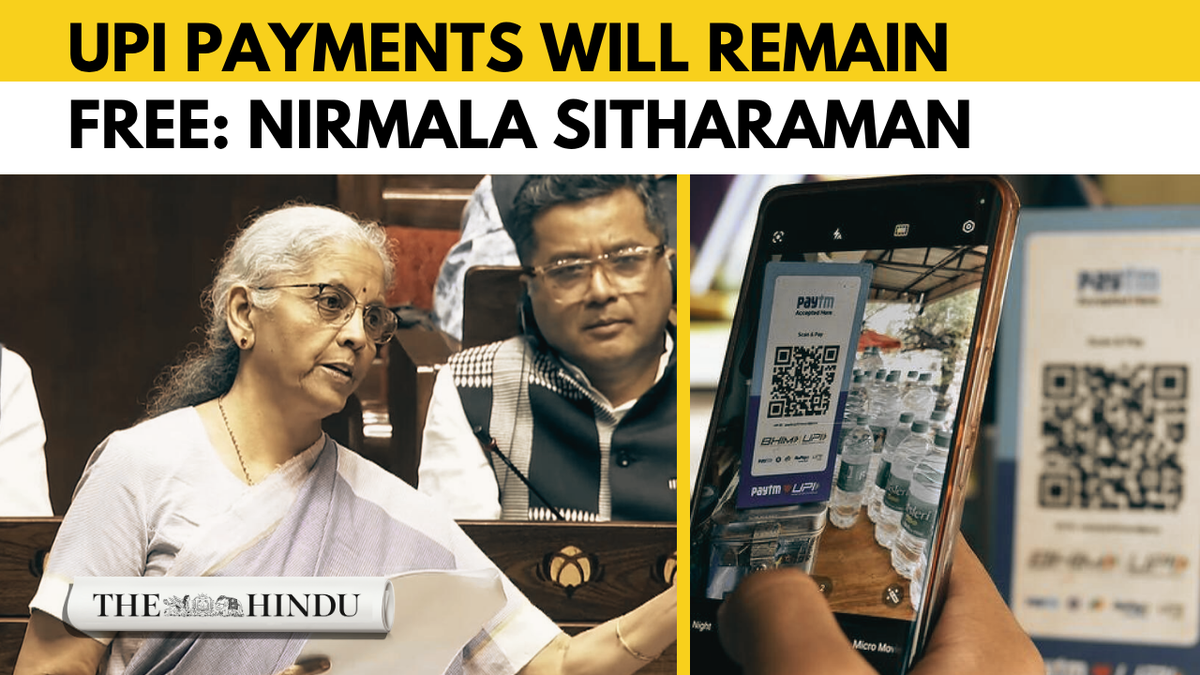
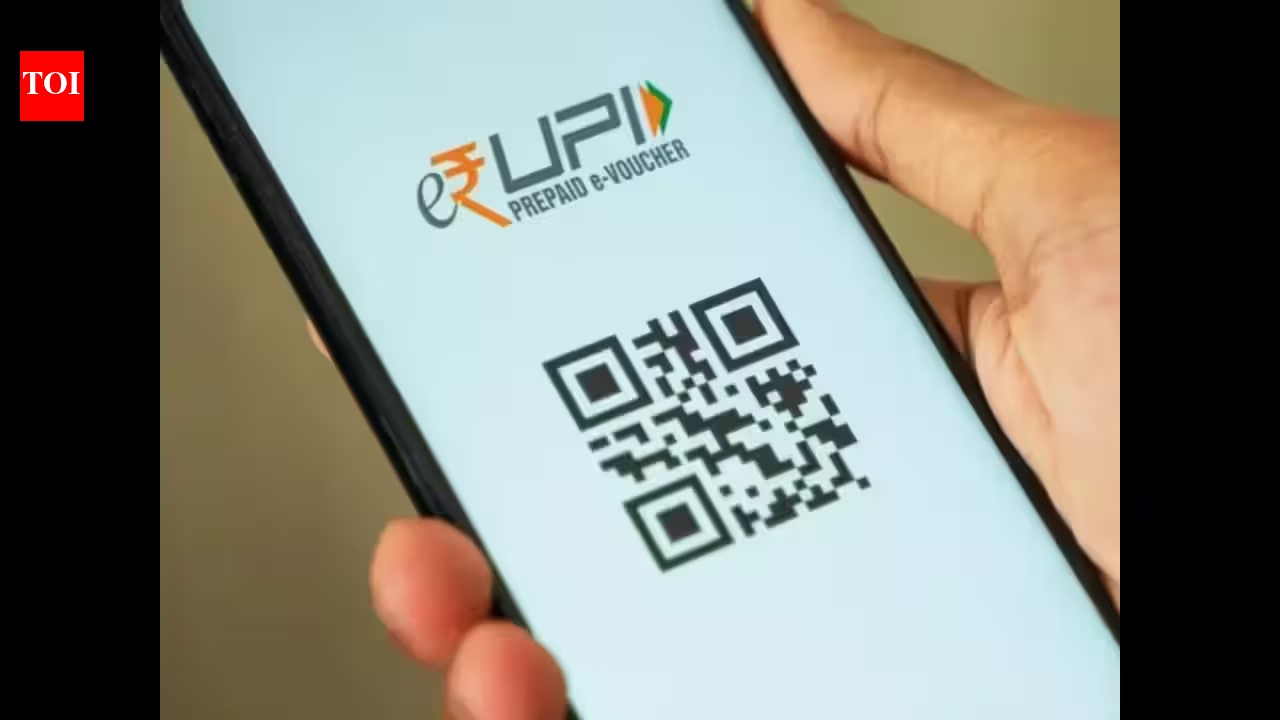
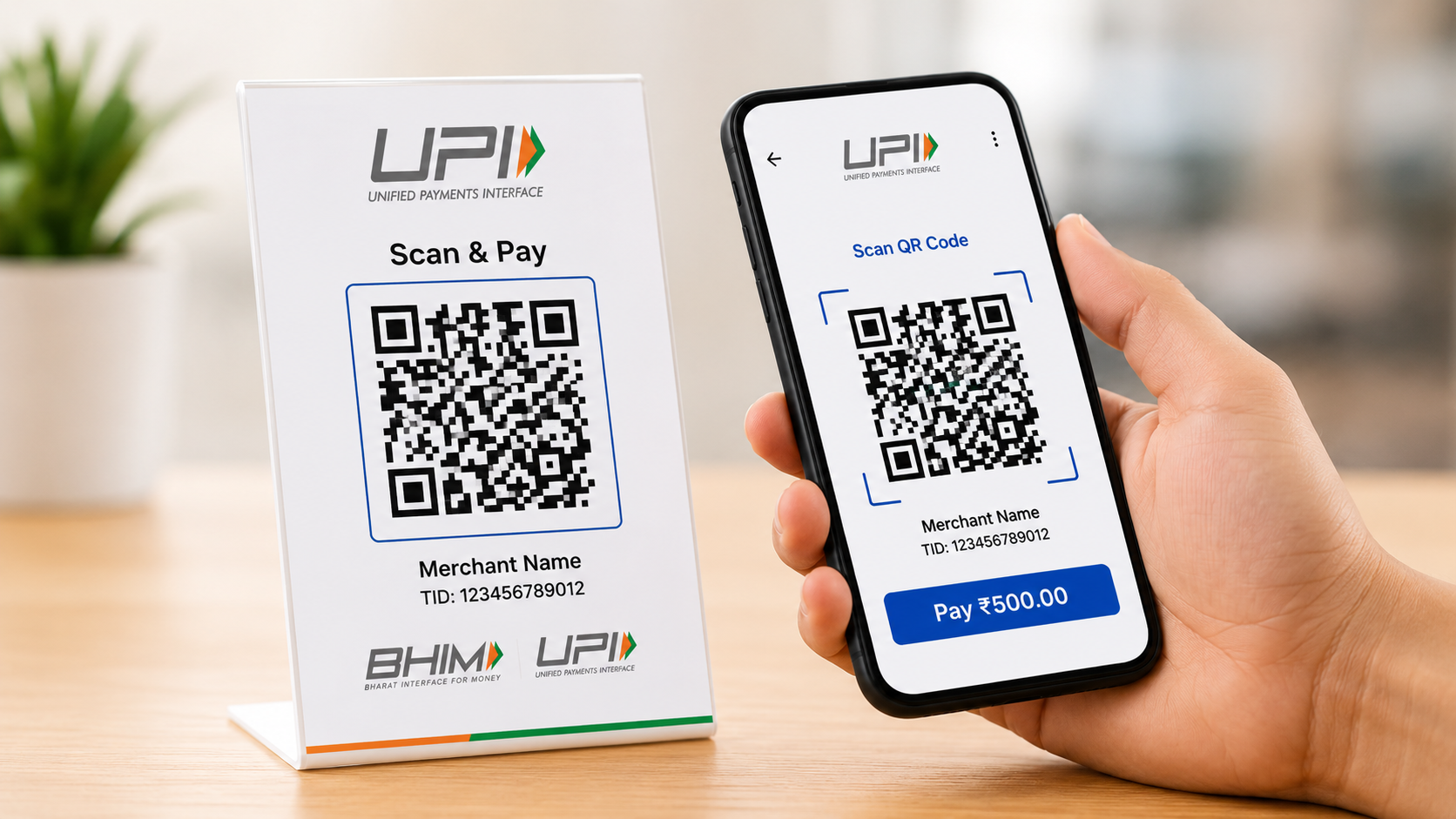
Finance Minister Nirmala Sitharaman clarified on Monday that consumers and small merchants, including vegetable vendors and tea stall owners, will not incur any fees for UPI transactions. Separately, Parliament approved the Taxation and Other Laws Amendment (ToLA) Bill following its return by the Rajya Sabha.“No, consumers will not have to pay any charges on UPI transactions. UPI has remained free for consumers since its launch, and every Indian will continue to make instant digital payments without paying a transaction charge,” Sitharaman said while replying to debate on ToLA Bill in the Rajya Sabha. There was no debate or reply in the Lok Sabha.The Bill proposes to amend Section 10A of the Payment and Settlement Systems Act, 2007. According to the Minister, the amendment is an enabling provision. It does not impose any tax or transaction charge on UPI users. It enables the government to specify, through notification, the electronic payment modes that will continue to receive statutory protection against charges.“Once the Bill is passed by Parliament, the UPI and Services Steering Committee, headed by NPCI, will consider and decide whether any MDR (Merchant Discount Rate) should be introduced and, if so, its scope and structure. Therefore, no MDR framework has yet been finalised, “she saidFurther, she said, small merchants remain central to the Government’s commitment to financial inclusion & UPI’s inclusive growth. The vast majority of merchant transactions - including ordinary, low-value transactions, will continue to remain free. “Any future MDR will apply only to a limited category of merchant transactions above a prescribed threshold,” Sitharaman said.She highlighted that as of today, UPI is available across 11 countries. “World’s largest real-time payment system belongs to us. In July 2026 alone, we processed 2,366 crore UPI transactions worth ₹29.9 lakh crore. It’s because of the UPI transactions being done by the SVANidhi merchants, redi-patriwalas, etc., that UPI has become so big,” she said.At present, banks and payment system providers cannot directly or indirectly charge users for payments made through UPI and RuPay debit cards. The Bill proposes allowing the central government to decide, through notification, which electronic payment modes or transactions must remain free.Besides other objectives, through the Bill, the government seeks to attract more foreign capital, promote domestic electronics manufacturing and make it easier for foreign cloud companies to use Indian data centres by providing “process certainty.”ToLA Bill, replaces the June 5 ordinance that provided I-T exemption to interest income and capital gains made by FPIs from investments in G-Secs. It also proposes to make it easier for fund managers to relocate to India by cutting down on the list of conditions that these funds will have to satisfy to ensure that their global income does not get taxed in India.Published on August 10, 2026