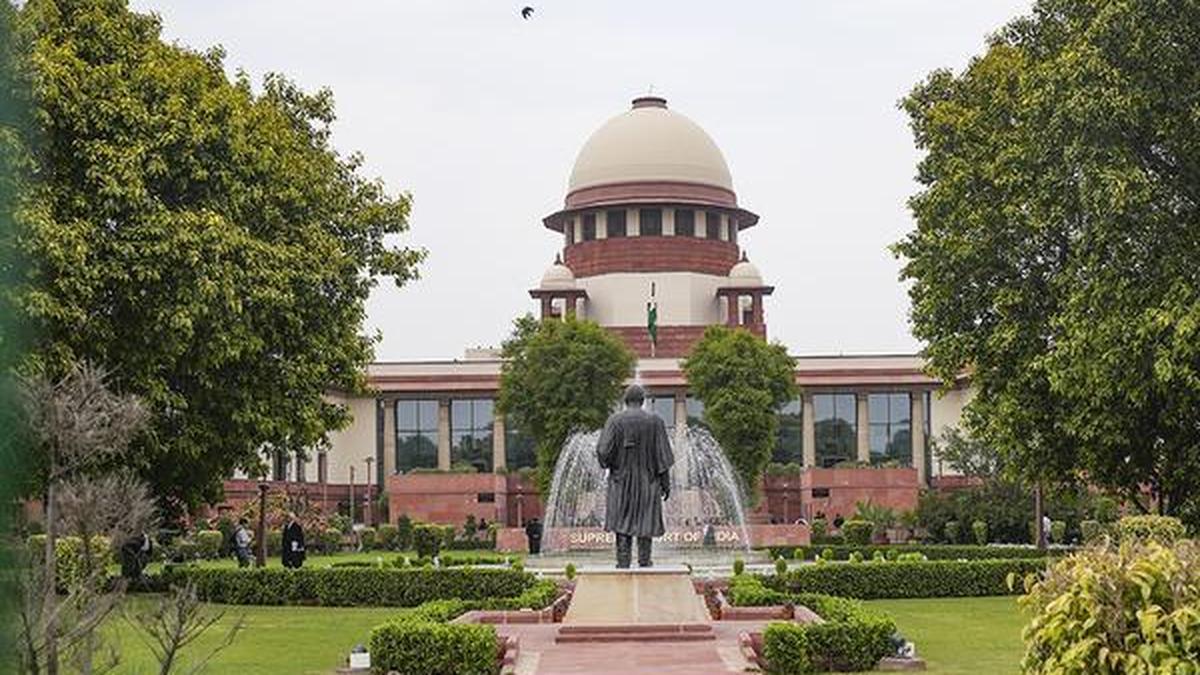
A retired Supreme Court judge or a retired chief justice of a high court will be qualified to head the proposed panel.
| Photo Credit:
lakshmiprasad S
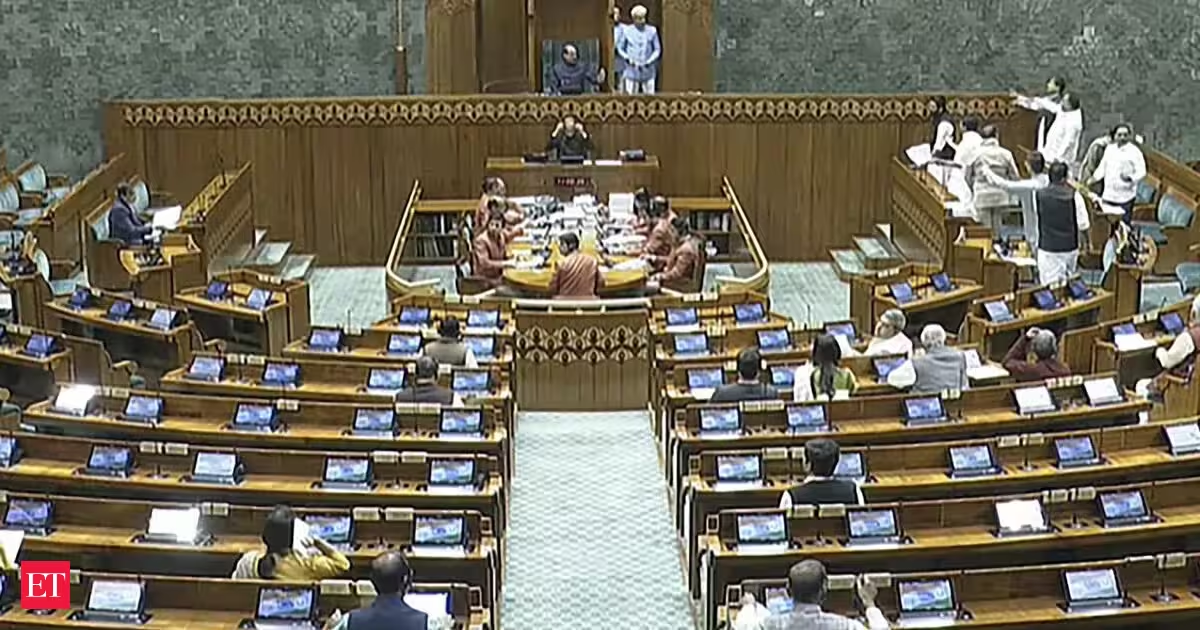
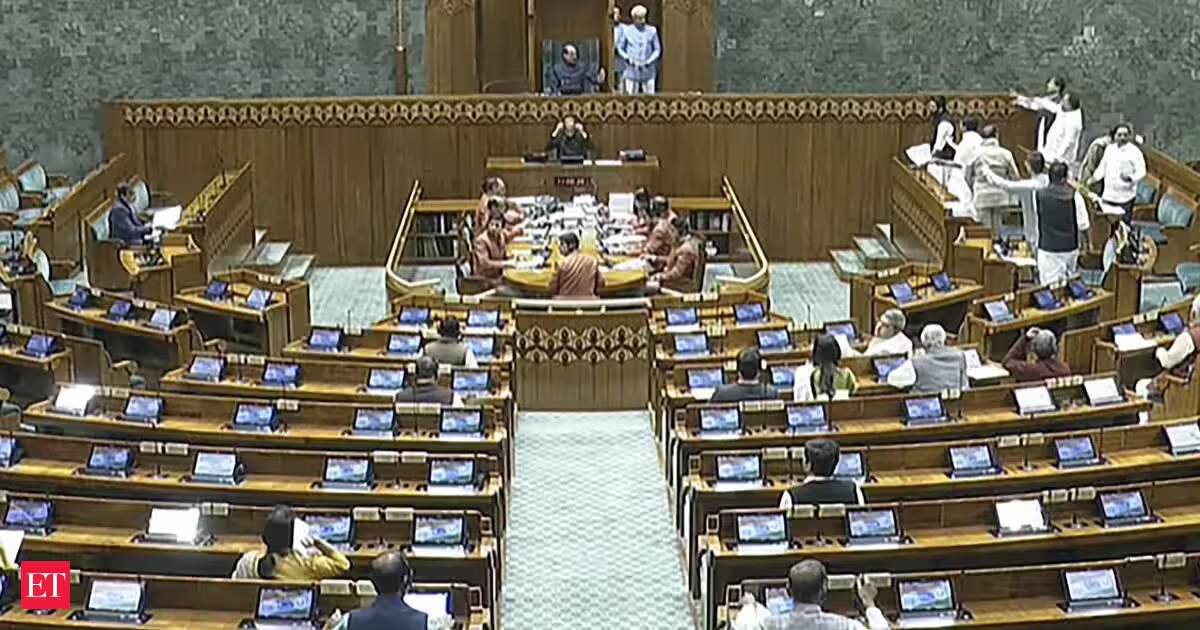
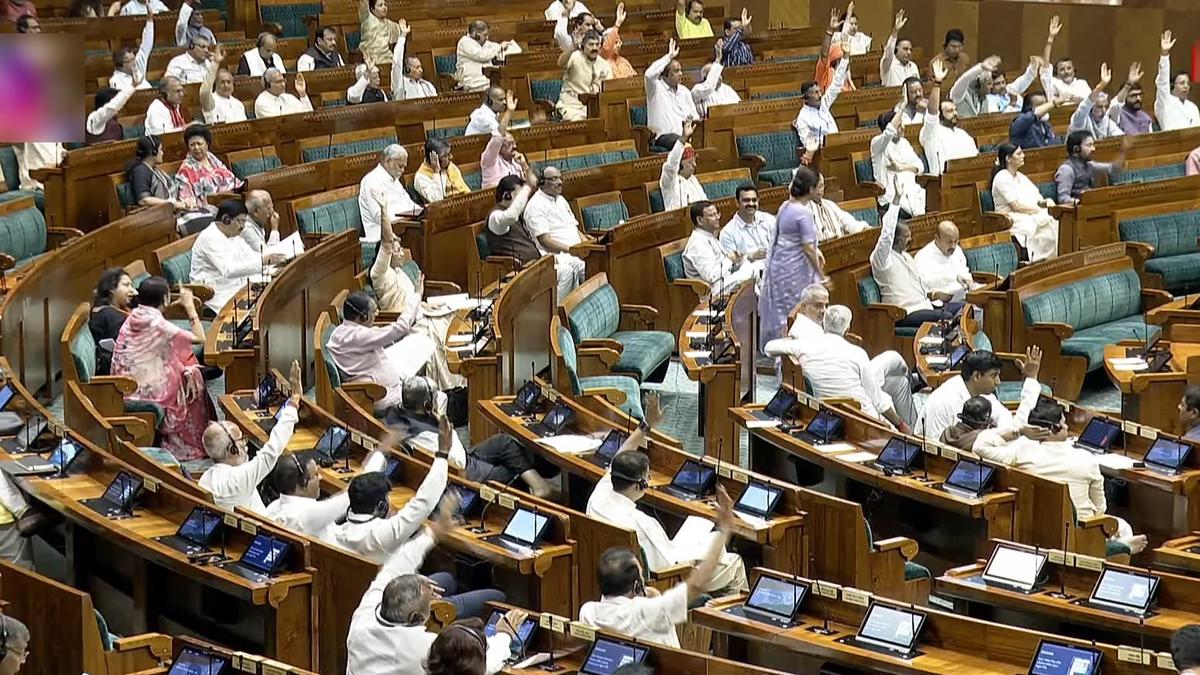
The government on Monday indicated that the institutional architecture proposed for the selection of tribunal members could eventually provide a template for reforming the appointment of judges to the higher judiciary. There was an indication that the executive is seeking a way to address criticisms of the collegium system without disturbing the judicial primacy in appointments mandated by the Supreme Court.The government’s message came as the Lok Sabha passed the Tribunals Reforms Bill, 2026, which provides for the establishment of a National Tribunals Commission to oversee appointments and other administrative aspects of tribunals. To be headquartered in the national capital, the proposed commission will consist of a chairperson and four members -- two judicial members and two technical members. A retired Supreme Court judge or a retired chief justice of a high court will be qualified to head the proposed panel.The government’s argument was that the model proposed in the Tribunals Bill can resolve what has traditionally been presented as a constitutional conflict: how to introduce a professional and accountable selection process without allowing the executive to acquire primacy over judicial appointments.tribunal membersAccording to officials, the Bill has been designed to conform to the principles laid down by the Supreme Court in its various Madras Bar Association judgments. Those judgments require, among other things, judicial dominance in the selection of tribunal members because the executive is itself a major litigant before tribunals. The proposed National Tribunals Commission, therefore, gives the judiciary the decisive voice in the selection process, including a casting vote for its judicial chair.The significance of the proposal, however, extends beyond tribunals. A government official said the architecture could be considered for judicial appointments as well, arguing that judicial pre-eminence and a more structured selection methodology need not be mutually exclusive.“Pre-eminence and method are not in conflict with each other. If this approach works for the tribunals, it can be considered for the selection of judges as well,” the official said.Explaining this, an official said that with the setting up a commission judicial preeminence can therefore be preserved in full, through a body that is judicially led and judicially dominated and in which the deciding voice, including the casting vote, is of judiciary, while the criticisms of the present system are answered by the arrangement placed around that body. “The judicial voice is retained, and it acts on a prepared record, against declared standards, and with reasons that can be stated,” he said.judicial pre-eminenceFurther, he said that this measure could become a template for reform. According to him, the judicial pre-eminence required by the Constitution is retained, through a judicially led body that takes the final decision. That body is supported by a permanent professional secretariat, by an expert assessment of demonstrated ability, by parameters declared in advance, and by a process that is recorded and can be examined. “Pre-eminence and method are not in conflict with each other. If this approach works for the tribunals, it can be considered for the selection of judges as well,” he said.At present, names of judges are recommended by a collegium and based on that notified by the government. However, officials admitted, this system, as it functions, has attracted criticism on several counts. There is no codified procedure governing how a name is identified, considered or rejected. There is no requirement to record reasons, with the result that a decision cannot be examined against a standard. There is no permanent secretariat, and therefore no institutional memory, no consistent record and no arrangement for gathering material systematically.“There is no expert or structured assessment of a candidate’s body of work. There is no mechanism of accountability. These criticisms relate to the transparency of the process and to the possibility of examining its decisions,” the official said. Keeping this in mind an institutional mechanism would be better with three participants – the commission, the secretariat and the executive.“The three participants hold distinct positions in the process. The Commission, which is judicially led, frames the norms and takes the decisions of substance. The Secretariat prepares the record and carries out the process. The executive provides for the system and issues the formal orders. The Secretariat is guided by the Commission in the process it follows, and is thereby able to discharge its functions without judicial interference at operational level and without dependence on the executive,” the official explained.Published on August 10, 2026