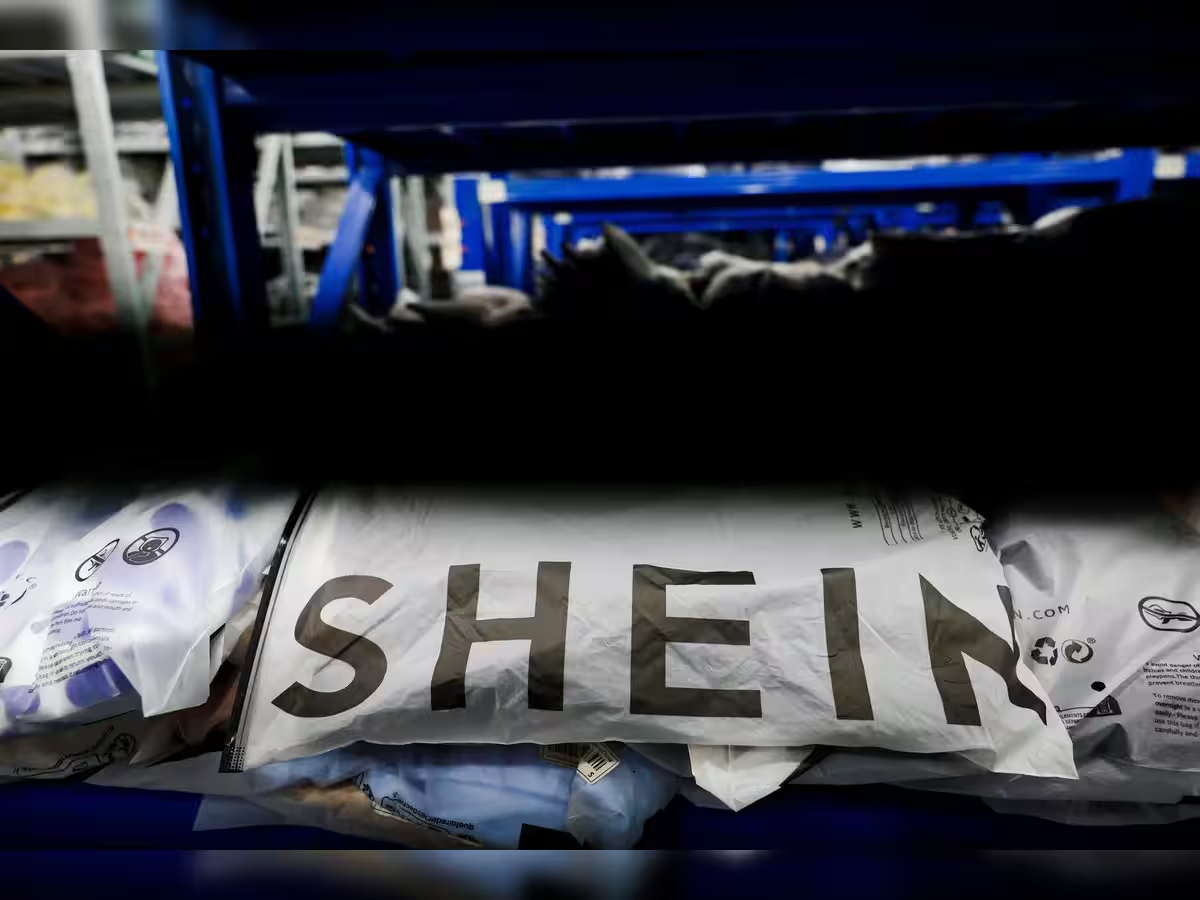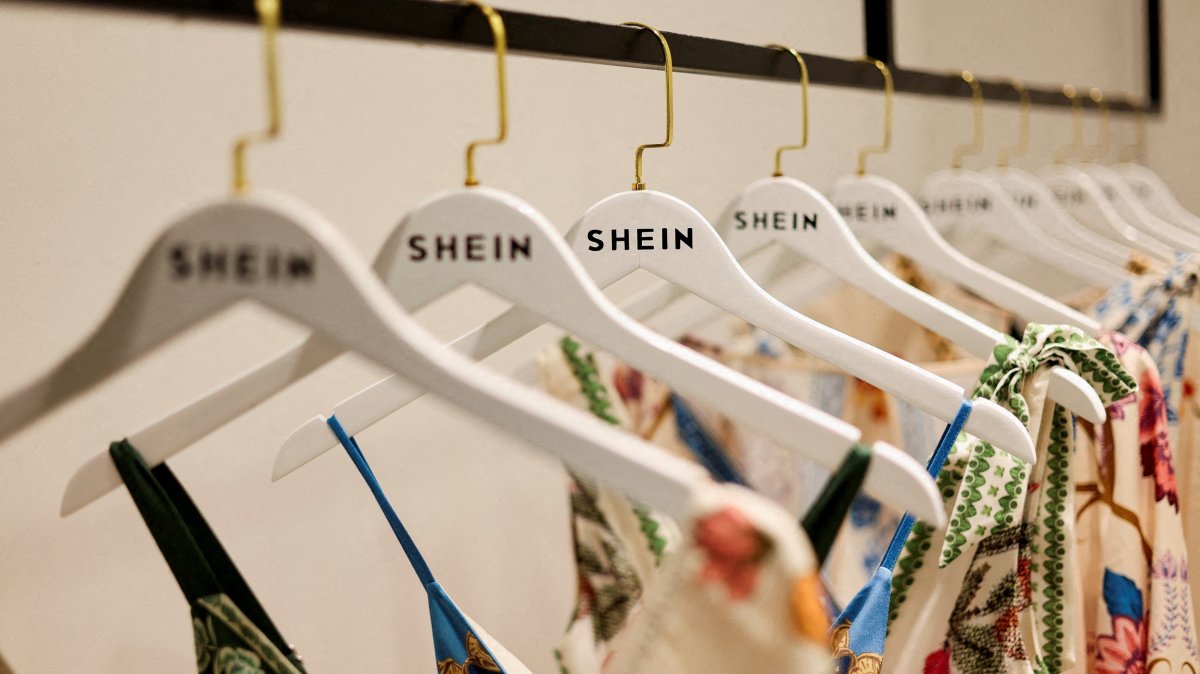
Just over a year ago, Chinese ultra-fast fashion retailer Shein began leasing 15 hectares of warehouse space near Ho Chi Minh City – about the size of 21 football fields – as part of a grand experiment to make Vietnam a major export base.
When it was formulating those plans in late 2024, it seemed like a bet that, while risky, was worth making.
U.S. exemptions for duties on small parcels from China that underpinned its business model looked as if they would be abolished, Donald Trump had just been elected U.S. president for a second term and fears of a heightened trade war were soon realized, with U.S. tariffs on many Chinese goods rocketing to 145% by April 2025.
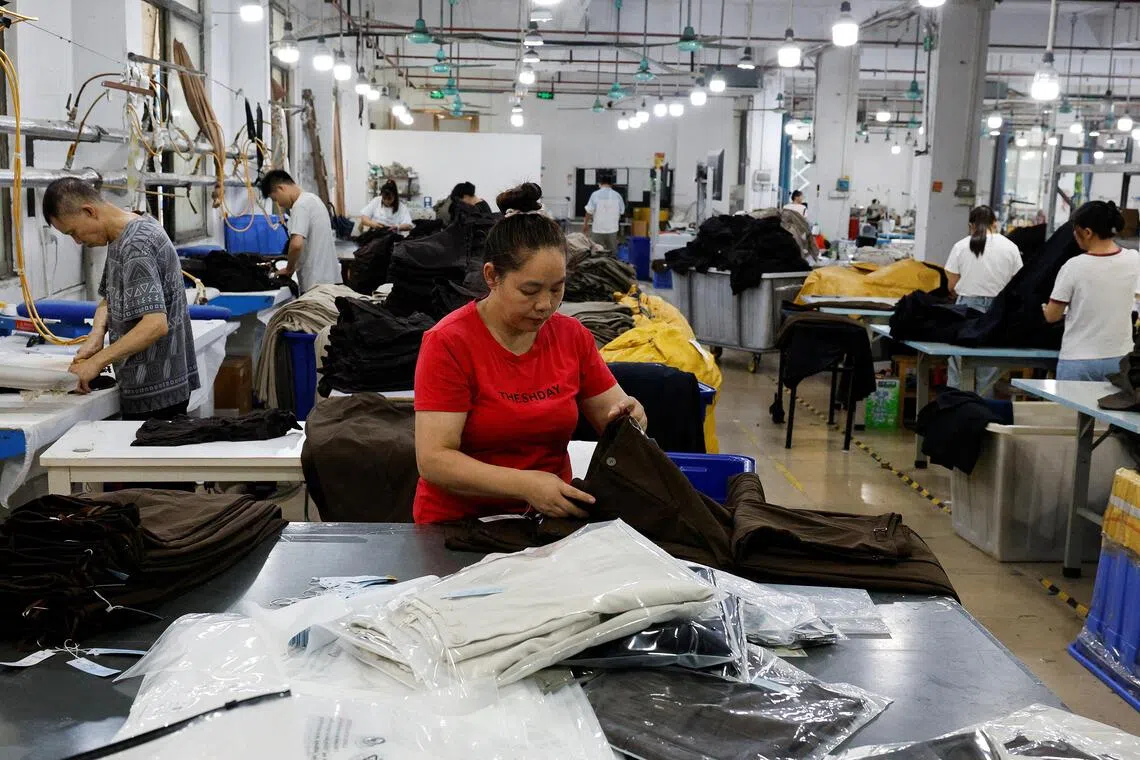
Shein started encouraging its biggest Chinese suppliers to set up manufacturing bases in Vietnam.
But things did not go to plan.