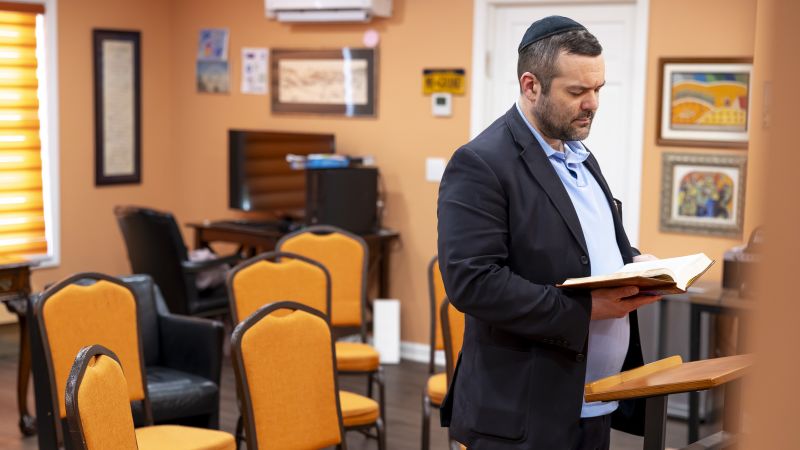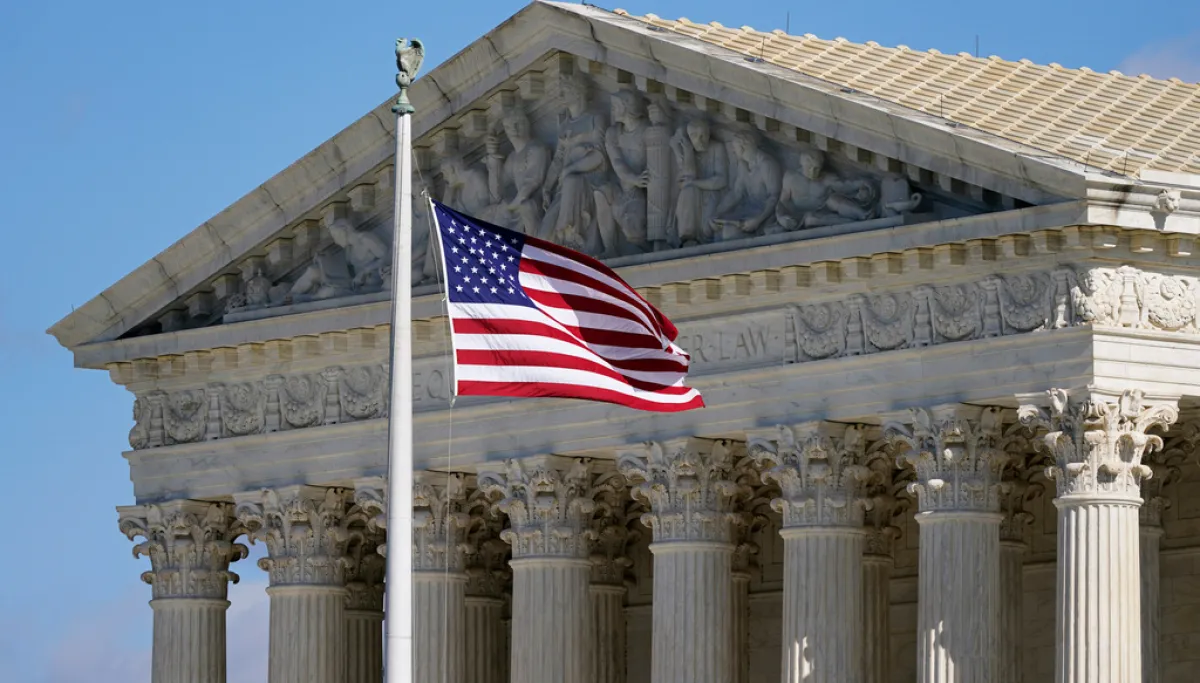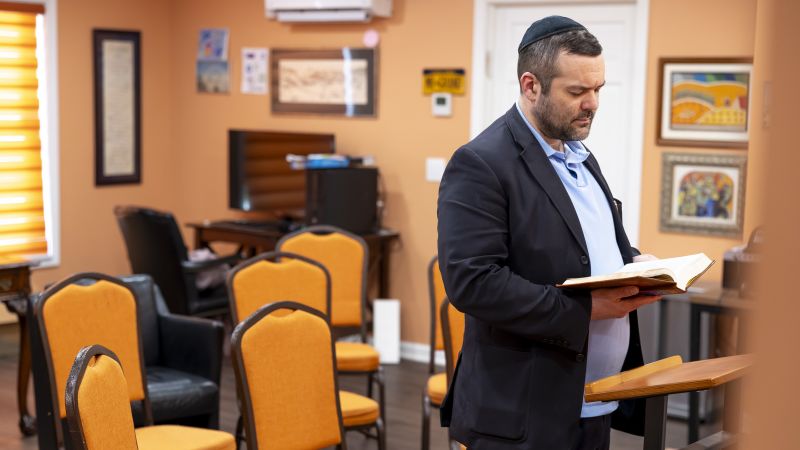
Daniel Grand wanted to host a small prayer session at his home near Cleveland. Instead, he wound up on a four-year pilgrimage to the Supreme Court.
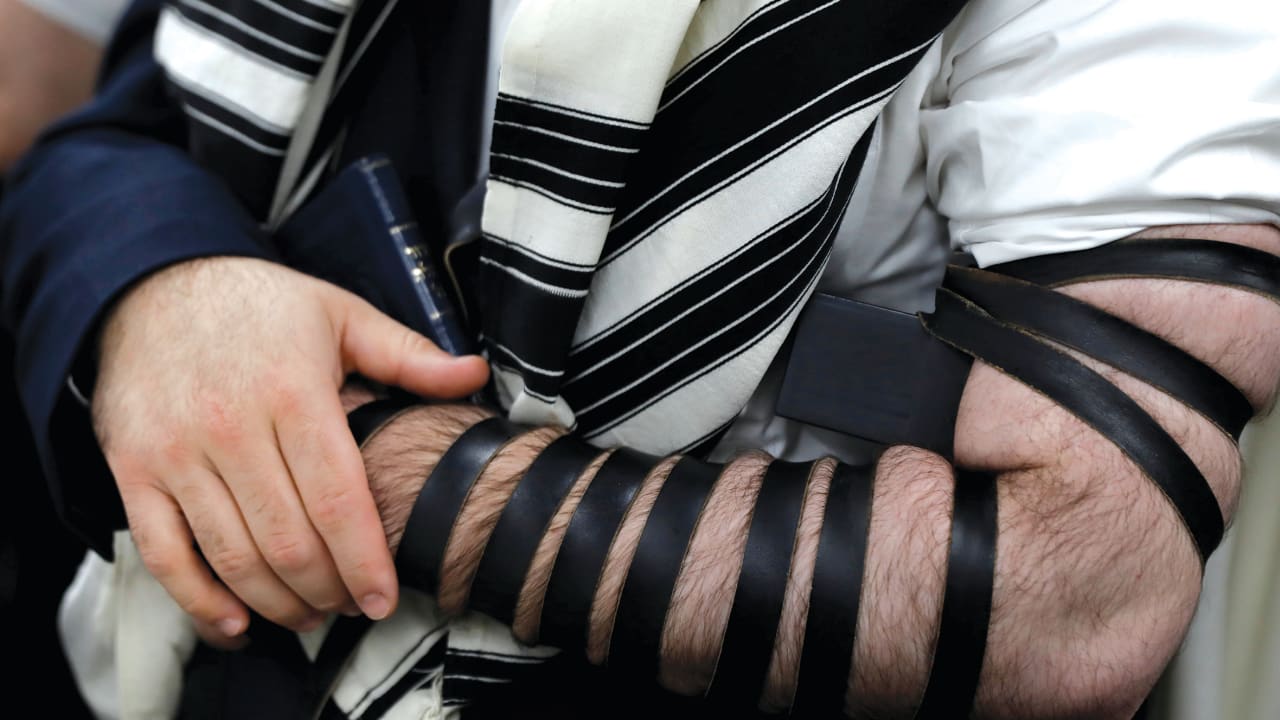
Grand, an Orthodox Jew, had invited about a dozen people to his rec room in early 2021 for a minyan, a prayer gathering of at least 10 men. Hours after learning about the invitation, city officials in University Heights, Ohio, sent him a cease-and-desist notice demanding that he first obtain a special-use permit.
“I was taken aback, frankly,” Grand told CNN. “I knew I didn’t need a permit to pray.”
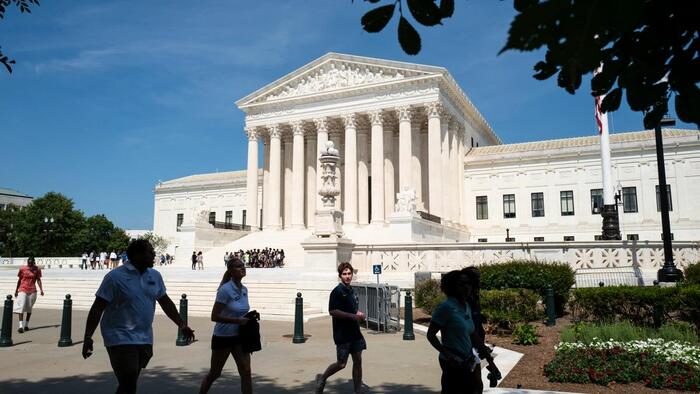
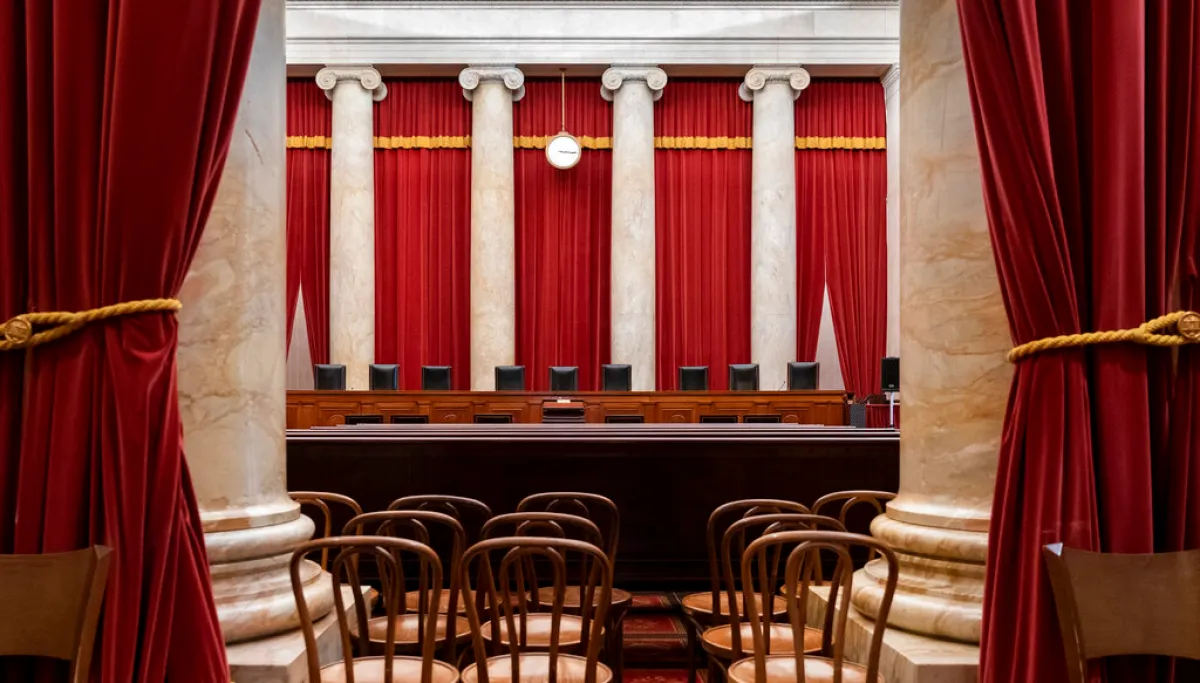
For a 6-3 conservative Supreme Court that almost always sides with religious interests, Grand’s little-noticed appeal is primed to expand the power of churches, synagogues and other religious entities to challenge zoning laws that restrict their access to residential neighborhoods.
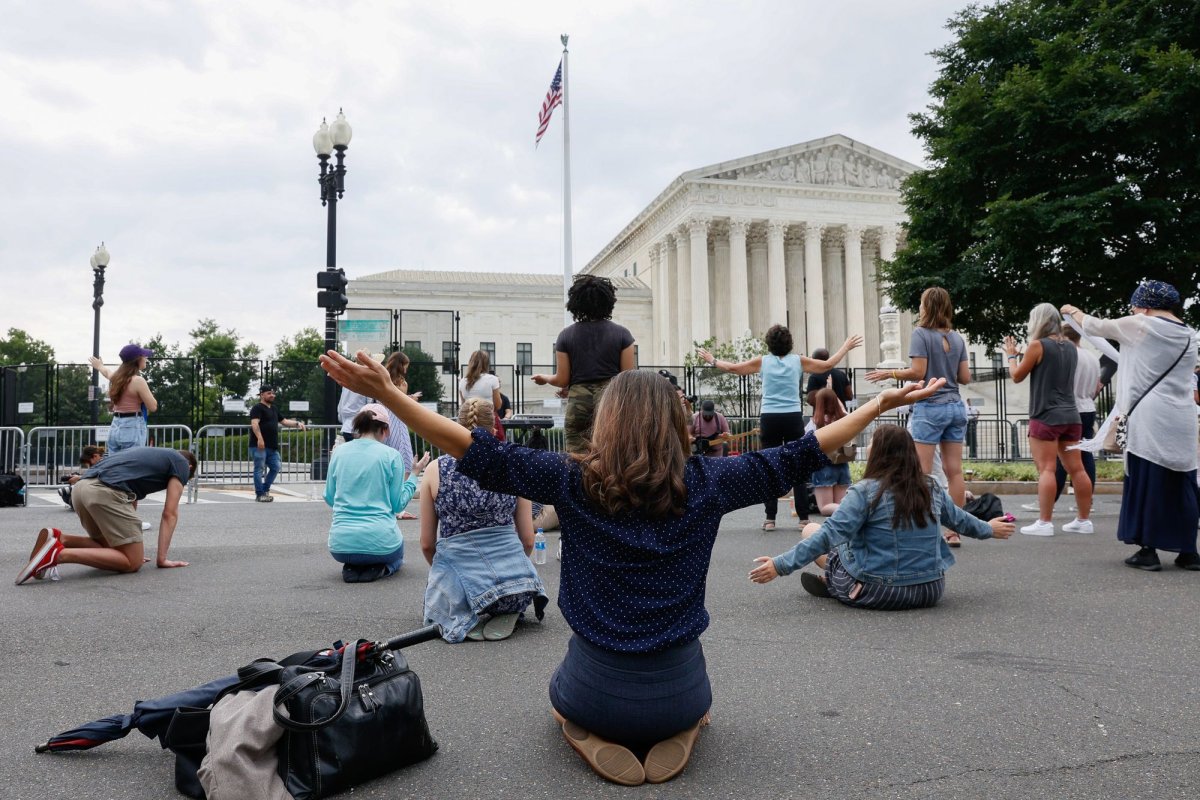
A decision, expected next year, could make it easier for religious groups to fight regulations dealing with abortion, health coverage for transgender care and anti-discrimination policies opposed on religious grounds. Religious groups say that state and federal governments have tried to avoid First Amendment scrutiny for those and other policies by claiming that the lawsuits challenging them are not yet “ripe” for review in federal court.