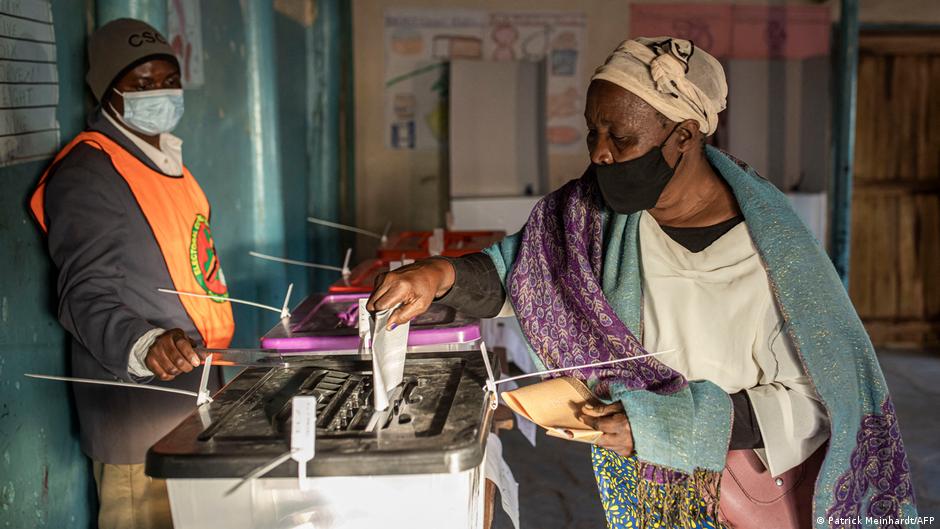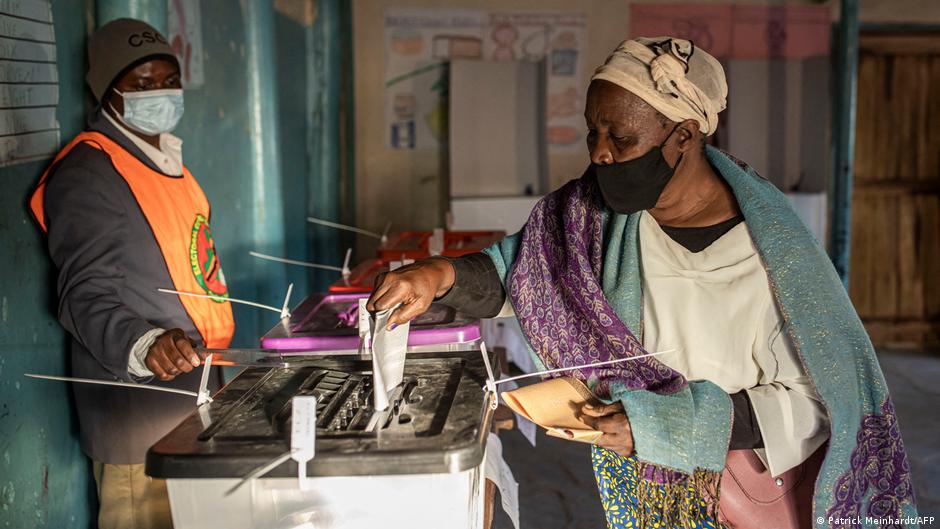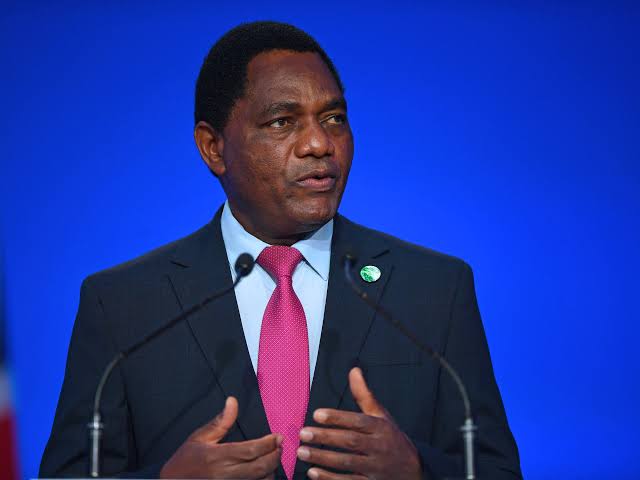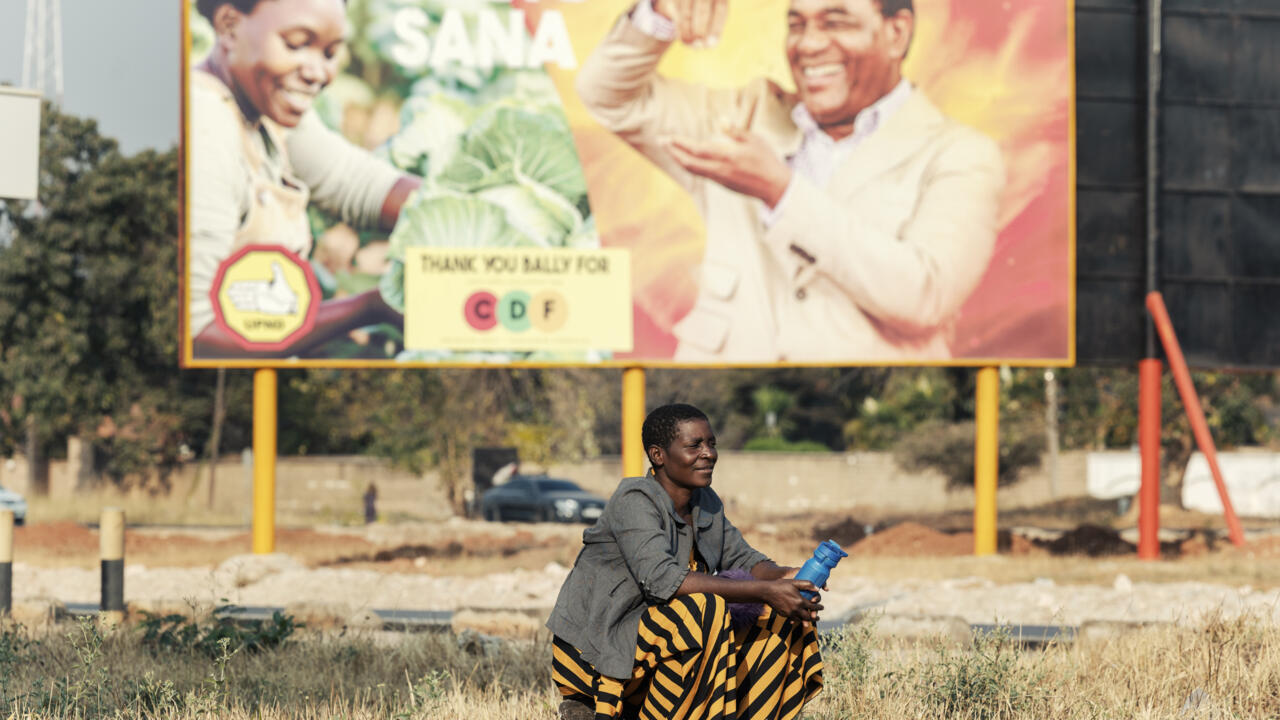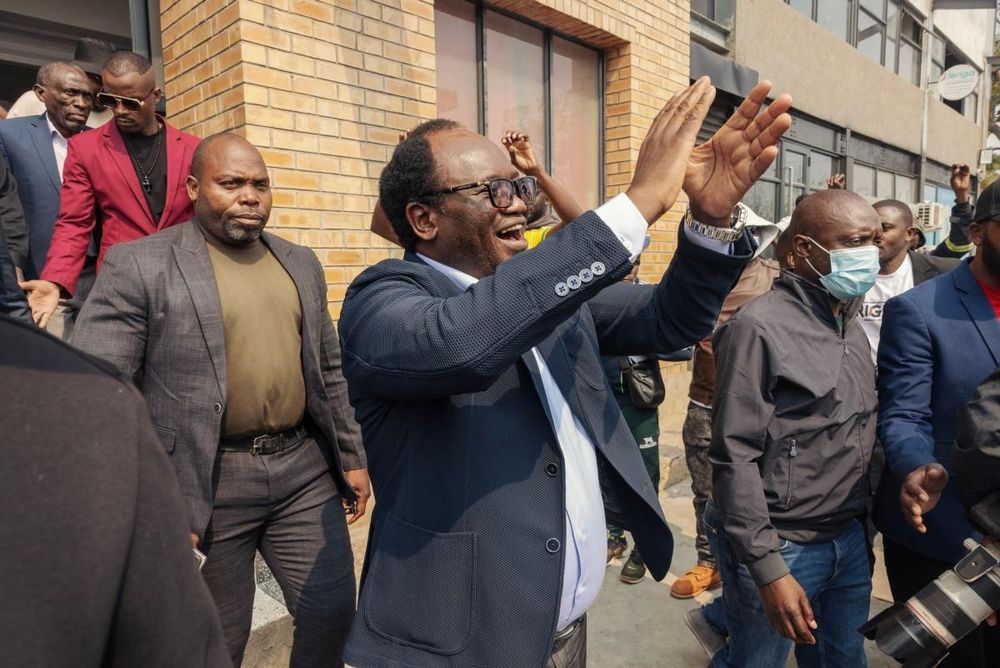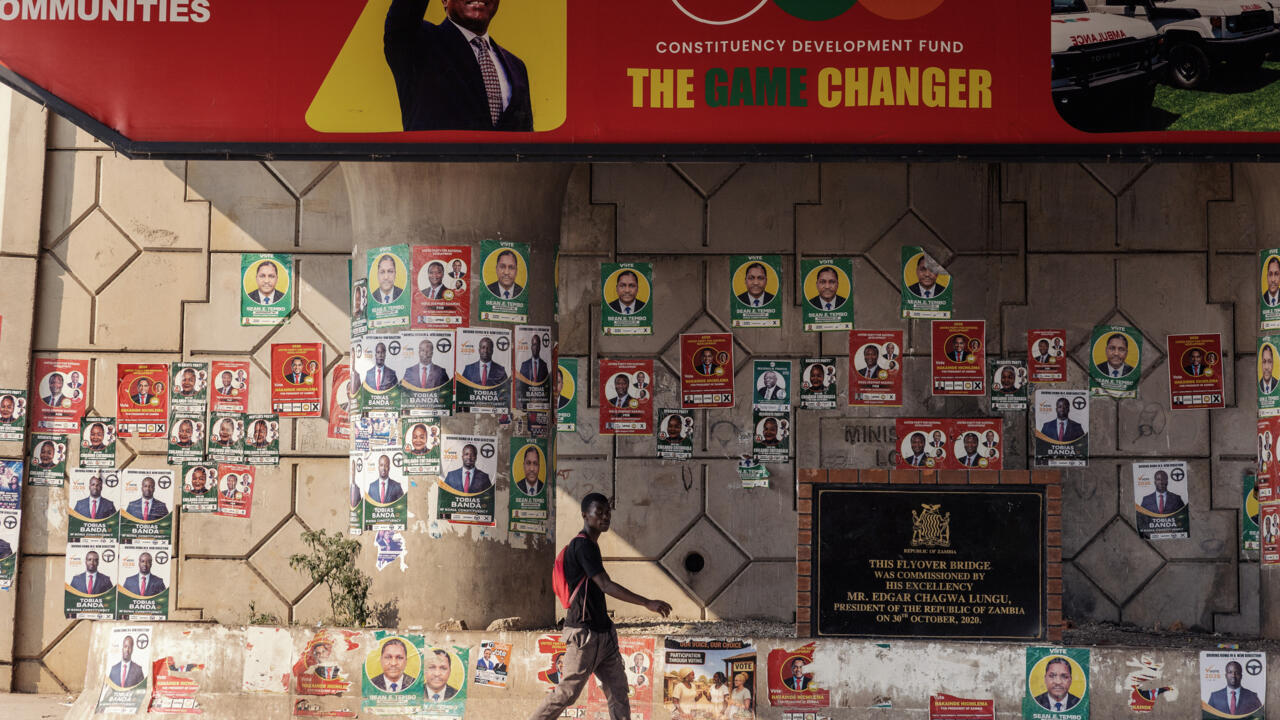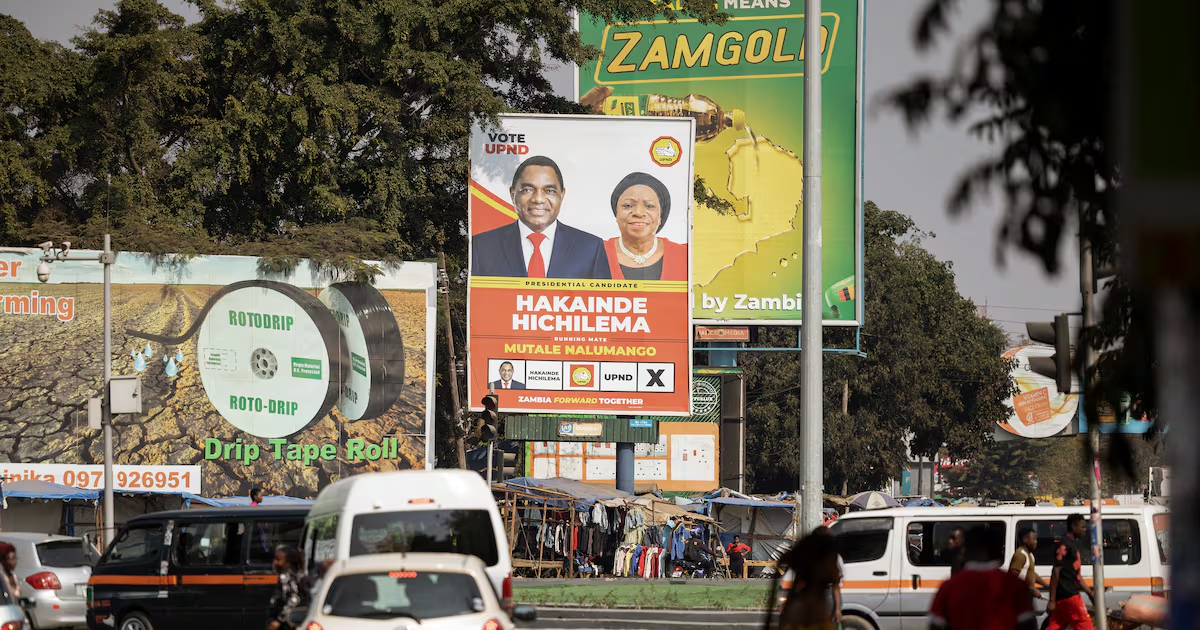
Zambia’s election, scheduled for 13 August, has shaped up into a battle between two alliances. The ruling United Party for National Development alliance is backed by 15 smaller parties. The Tonse-Pamodzi Alliance is headed by presidential newcomer Brian Mundubile and his running mate, Makebi Zulu.
The Tonse-Pamodzi alliance includes a group of smaller political parties without parliamentary representation, and many of the remaining structures of the Patriotic Front. Mundubile was formerly in the Patriotic Front, which was voted out in 2021. Alliances cannot register, so they have to run as a party but are backed by an informal alliance.
Almost every election in Zambian history includes negotiations on an opposition electoral coalition, but few survive to fight the elections. In 2026, the opposition cohered late in the face of what they say is significant state interference. They hope to take the election despite facing these challenges.
Having worked extensively across multiple Zambian elections and based on the research I have done as part of the Zambia Elections Research Network, my view is that the election will do two things:
test the strength of the Tonse-Pamodzi’s local campaign and remaining Patriotic Front loyalties