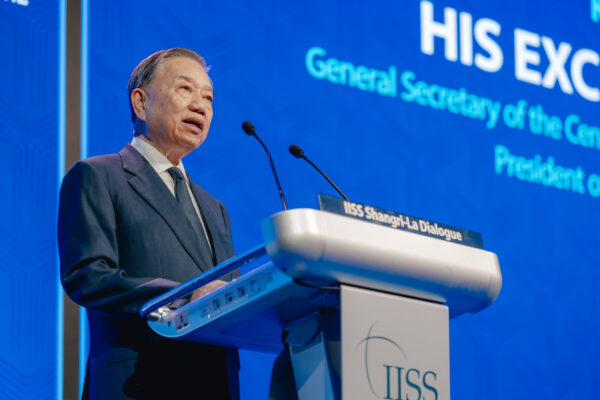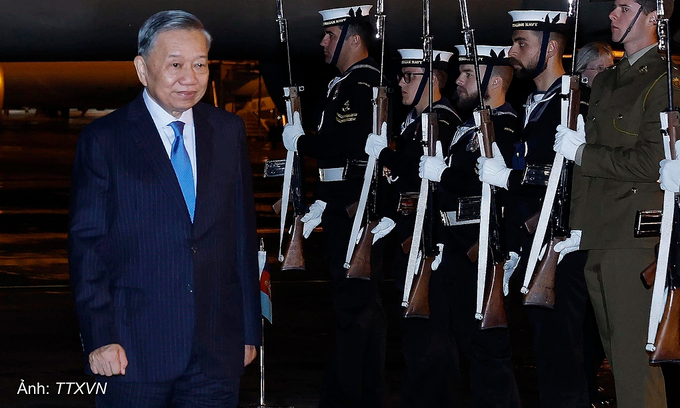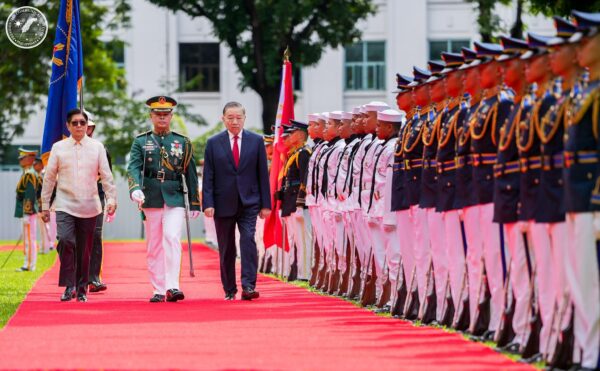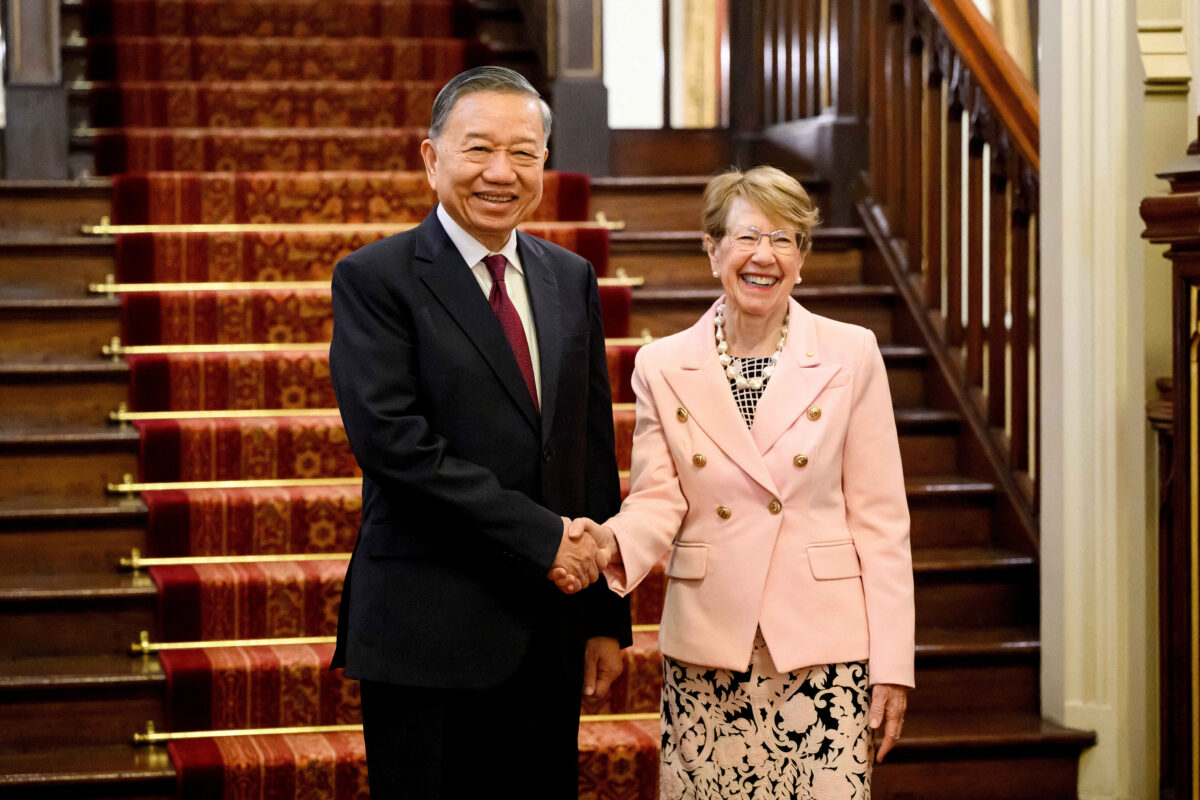
In March 2024, Hanoi and Canberra elevated their ties to a Comprehensive Strategic Partnership (CSP) — Vietnam’s highest diplomatic tier — making Australia one of its most trusted partners. But with Vietnamese President To Lam’s visit to Australia from 9–12 August 2026, the challenge is to turn that diplomatic upgrade into concrete benefits for both countries.
The CSP builds on a Strategic Partnership dating back to 2018 and the two governments have since adopted a 2024–27 Plan of Action spanning a wide range of priority areas. Vietnamese diplomats have noted that 96 per cent of the 180 actions under the plan are already complete or on track.
Two-way trade in 2025 was valued at US$16.2 billion, making each country the other’s 11th largest trading partner. Yet this was only US$500 million higher than two-way trade in 2022, at which point Australia was already Vietnam’s 7th largest trading partner while Vietnam ranked 10th for Australia. The two countries need to find ways to improve their bilateral trade rankings, at least moving beyond 2022 levels.
Vietnam has become one of Australia’s more important agricultural export markets. Both countries also sit inside three overlapping free trade architectures — the ASEAN–Australia–New Zealand Free Trade Agreement, the Comprehensive and Progressive Agreement for Trans-Pacific Partnership and the Regional Comprehensive Economic Partnership — which already give preferential tariff treatment to 95 per cent of goods traded between them. The scaffolding for a much bigger commercial relationship exists, but what is missing is a signature project big enough to shift the numbers.