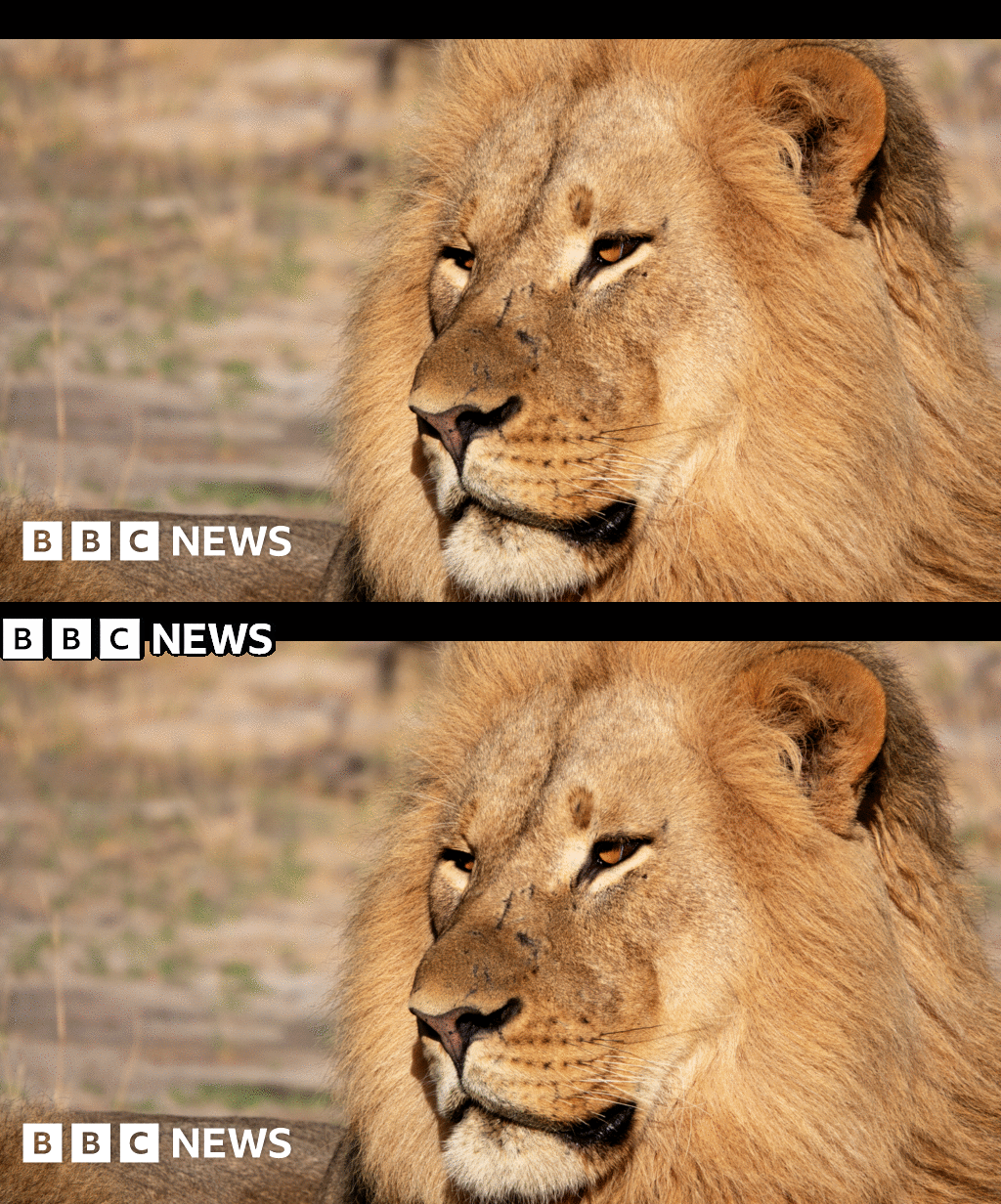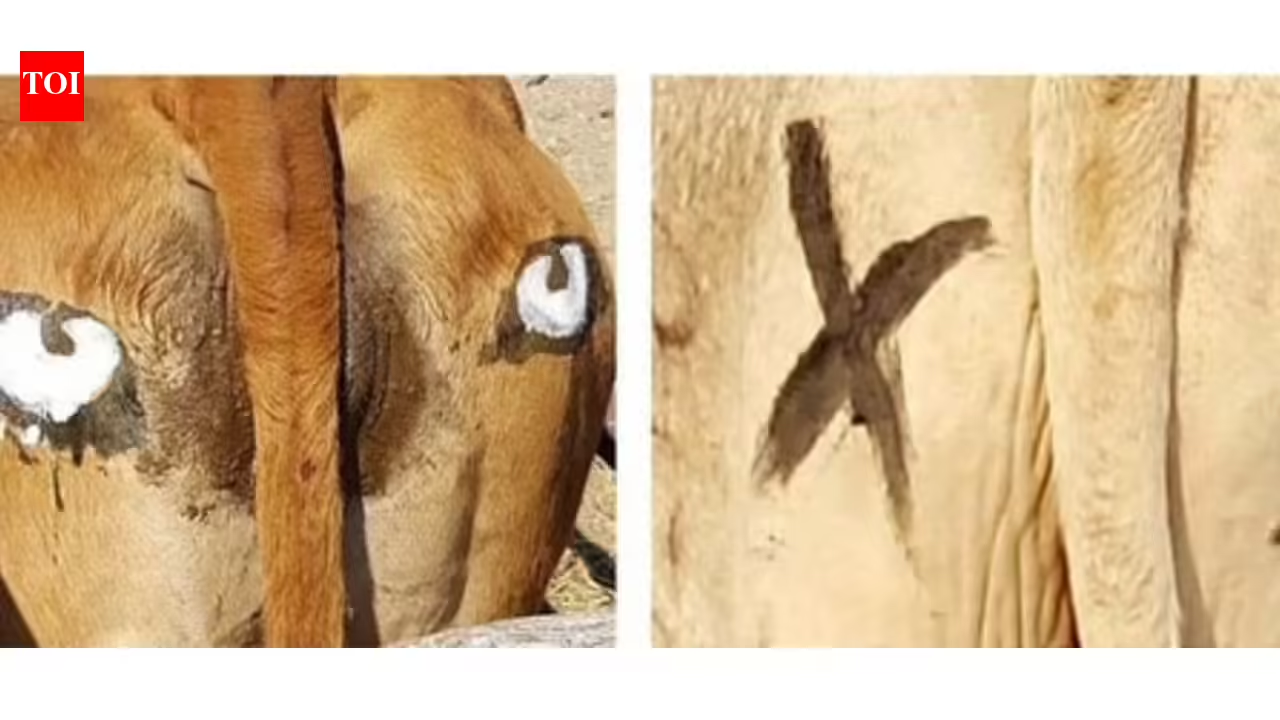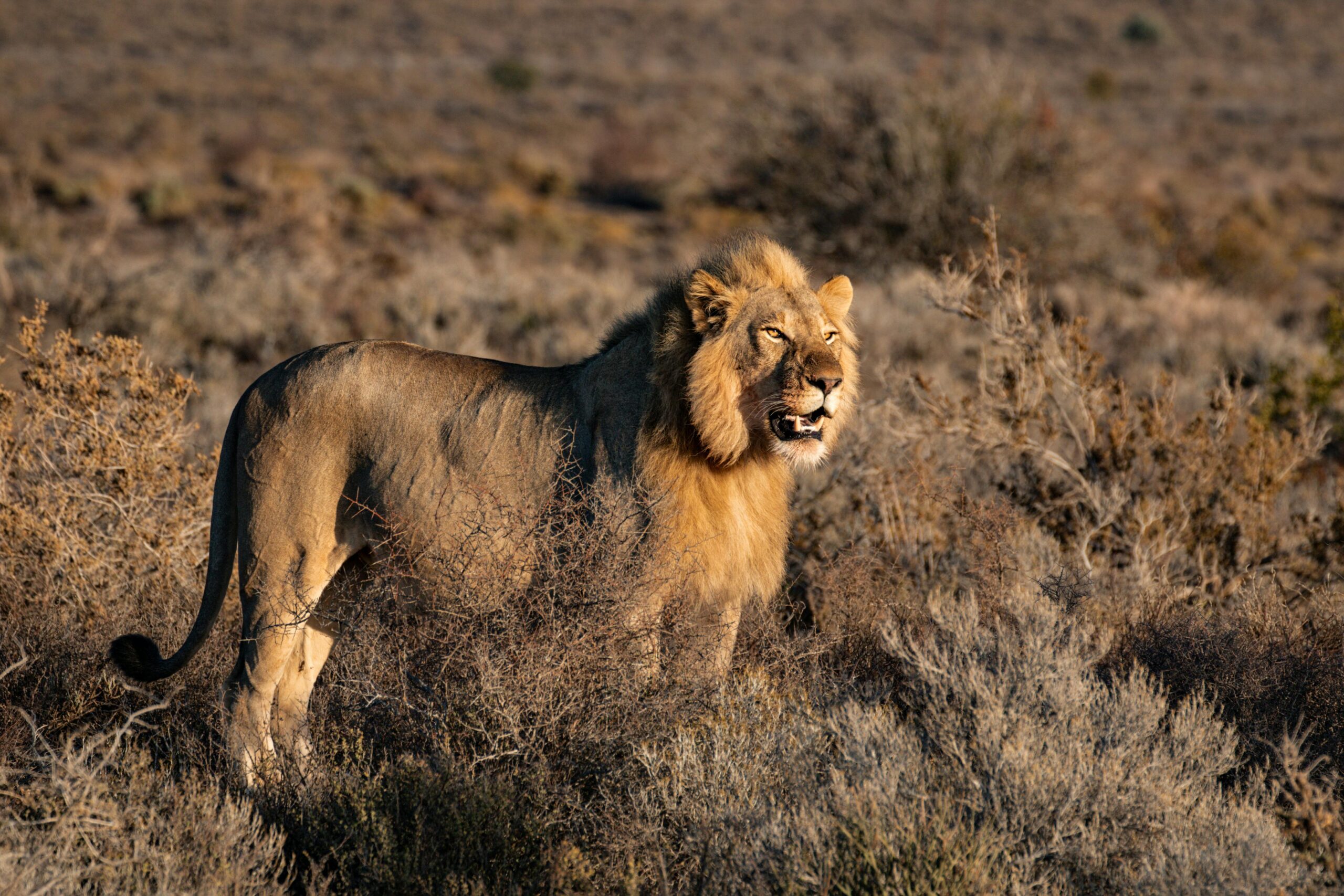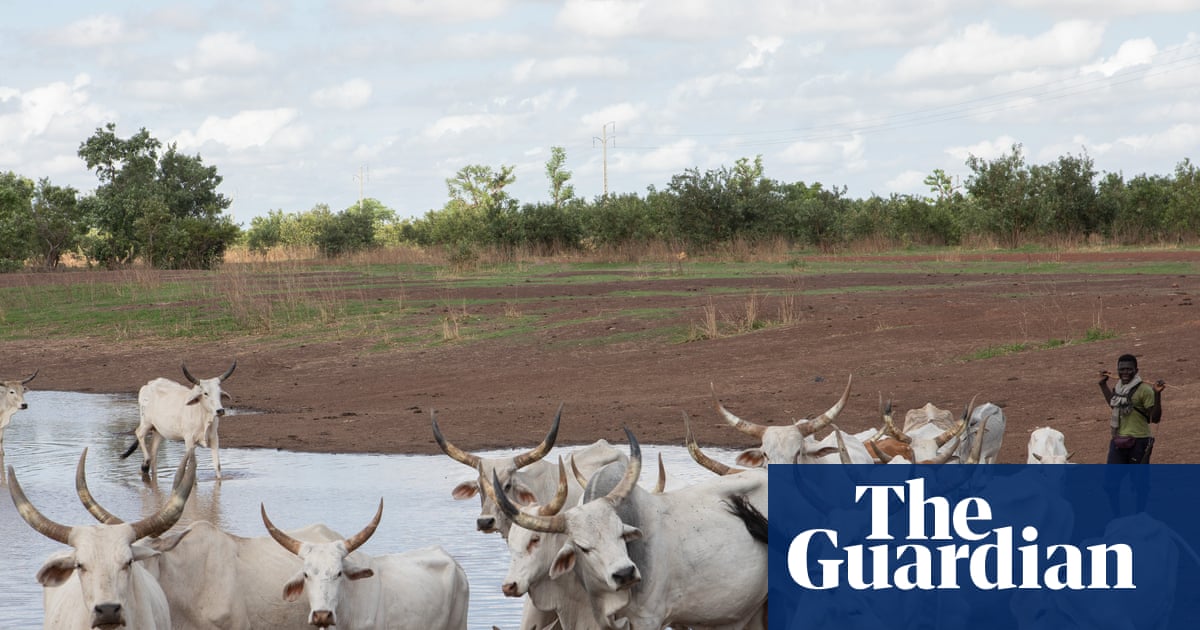
Restoring traditional herding practices in northern Botswana has led to a huge decrease in cattle predation and retaliatory lion poisonings in the Okavango Delta region.More lion cubs are now surviving, with the lion population in northern Botswana up 50% over the past four years.Experts say bringing back traditional herding practices is the key to restoring migration routes for wildebeest, zebra and many other species.If herding expands, government officials may consider removing some veterinary cordon fences that have blocked wildlife corridors for decades.
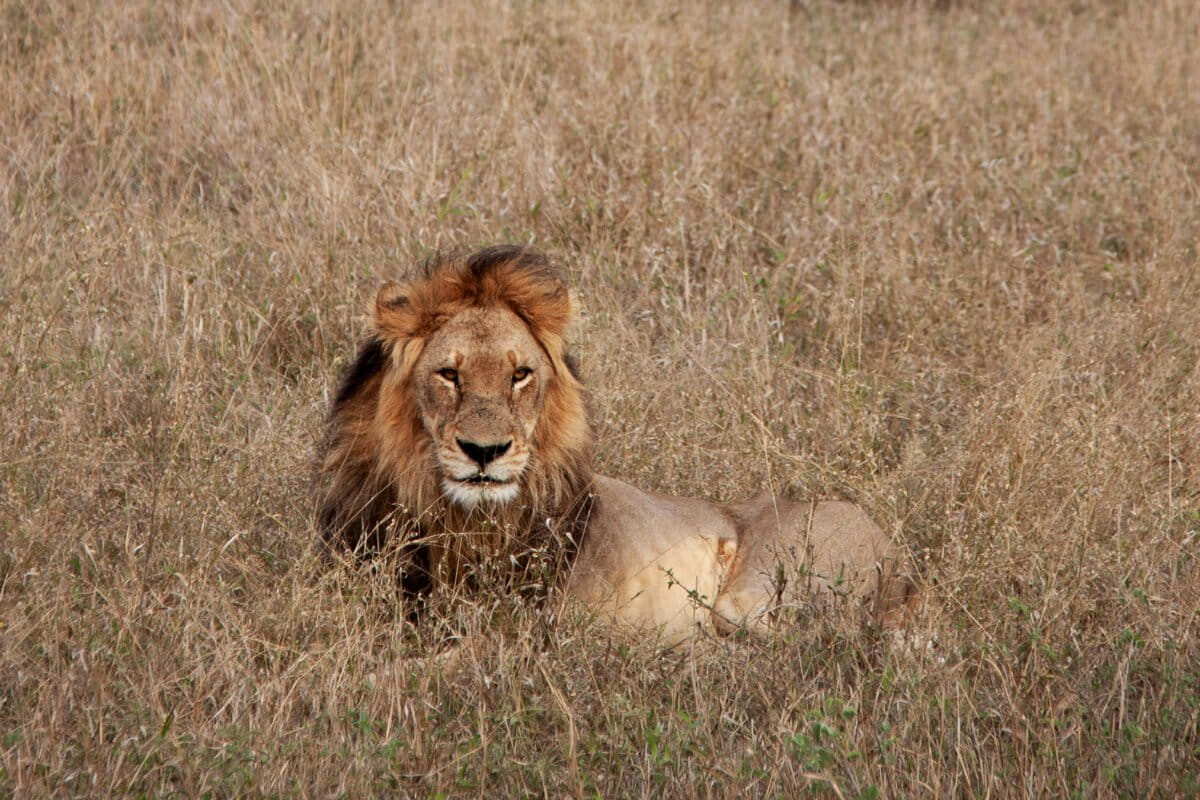
The lions that roamed the plains of northern Botswana were dying. One by one, the big cats were succumbing to poisoned bait planted by exasperated villagers. The lions had been chipping away at their livelihood, feasting on the cattle that they left to graze along the Okavango Delta. By the end of 2013, around 30 lions — more than half of the northern Okavango population — had been killed in just one year.
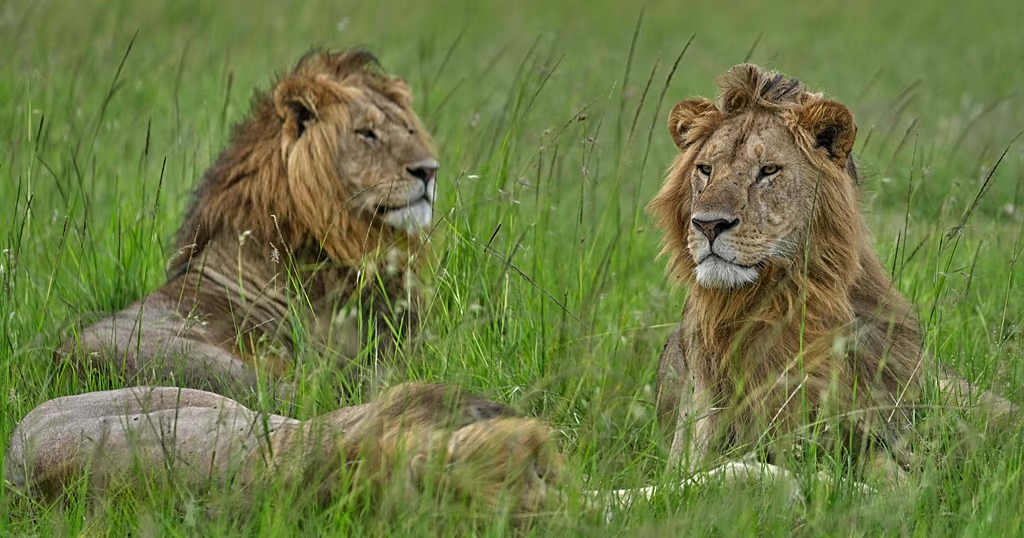
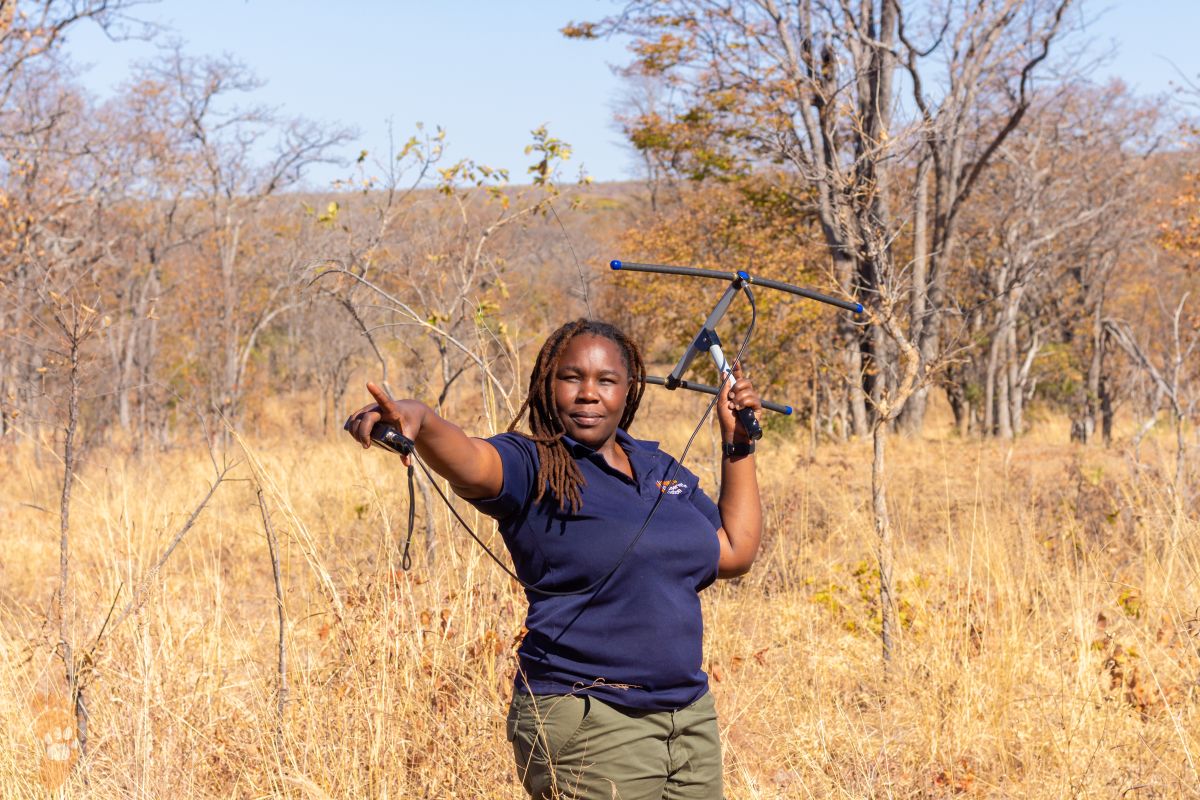
More than a decade later, the situation is radically different. The lion population has rebounded. Cub survival rate is up. And cattle losses are dramatically down. It’s the result of years of hard work: restoring traditional herding practices, collaring and tracking lions, and, most recently, establishing a market for ‘wildlife-friendly beef.’ This serves as a model, wildlife advocates say, for other parts of southern Africa where modern grazing practices have collided with big cats’ appetites.