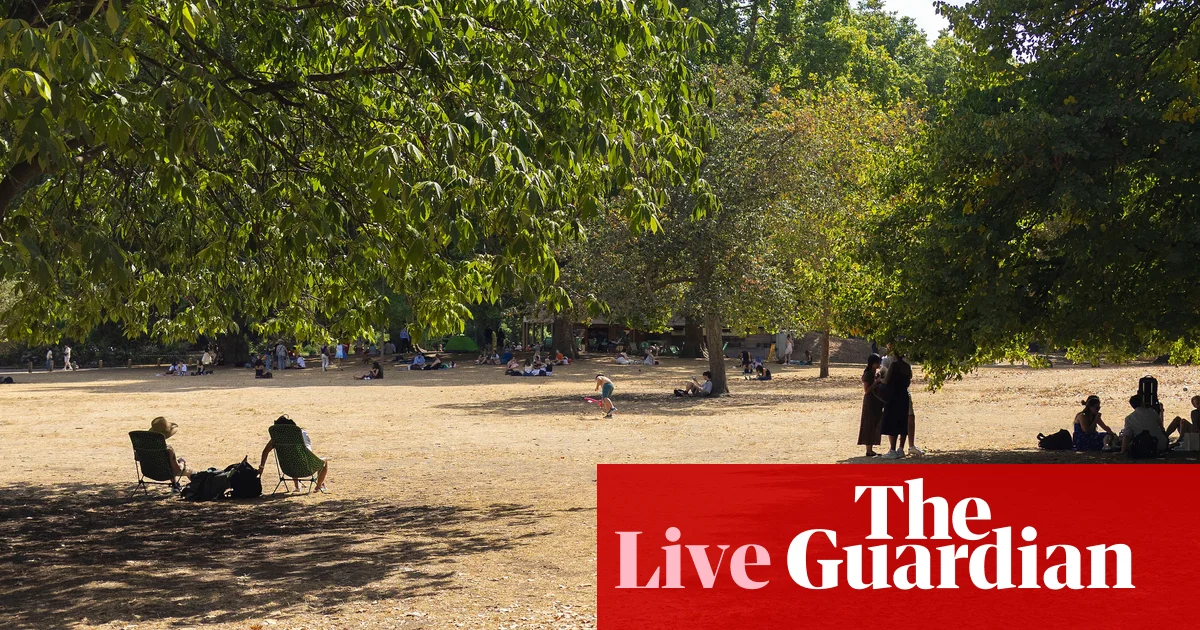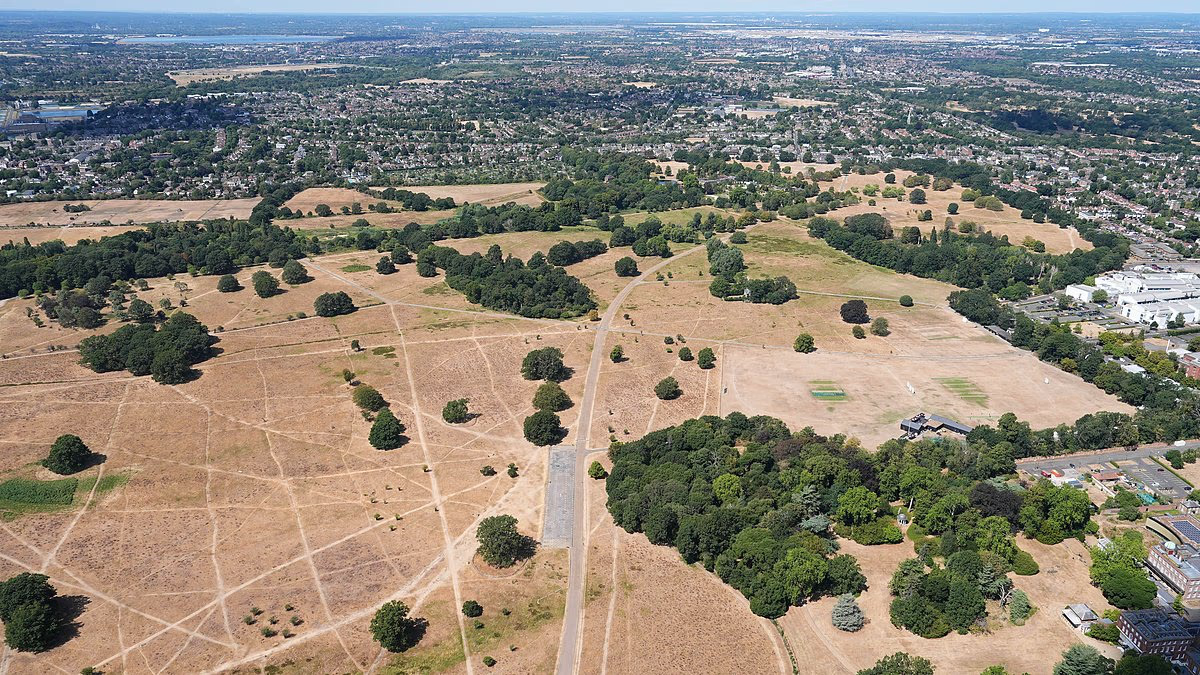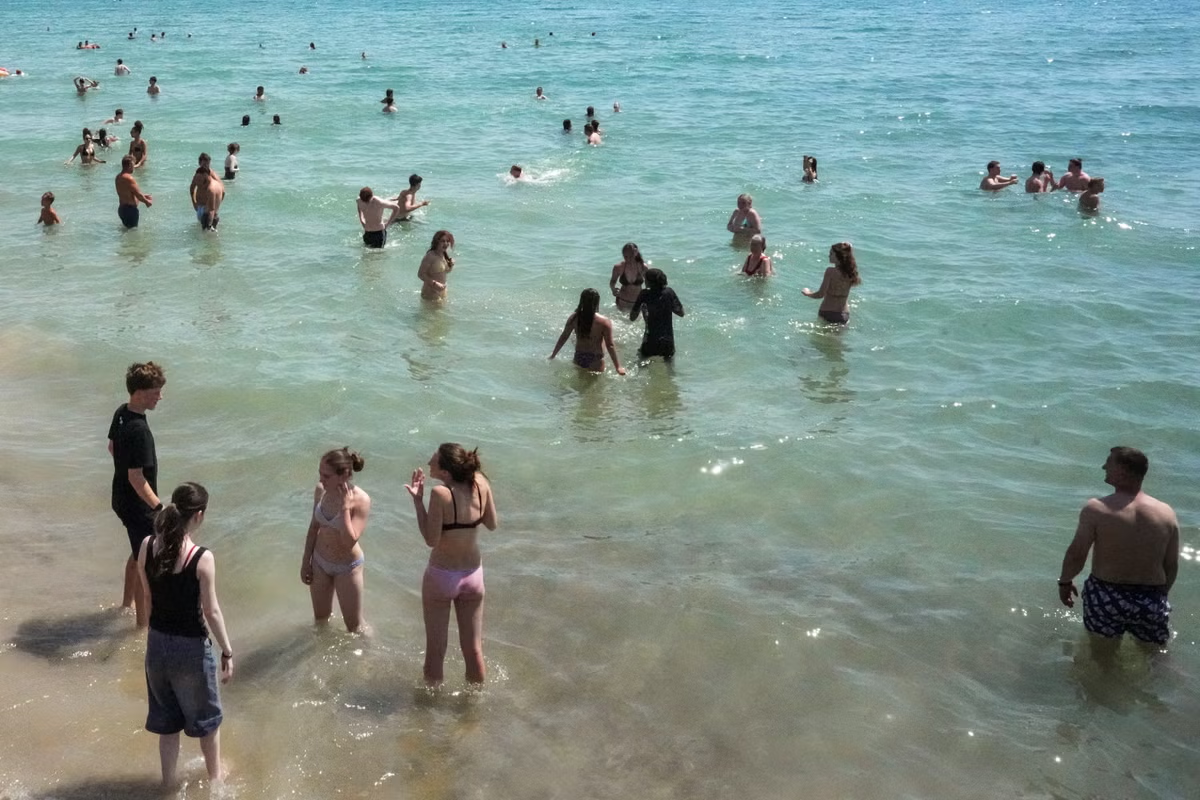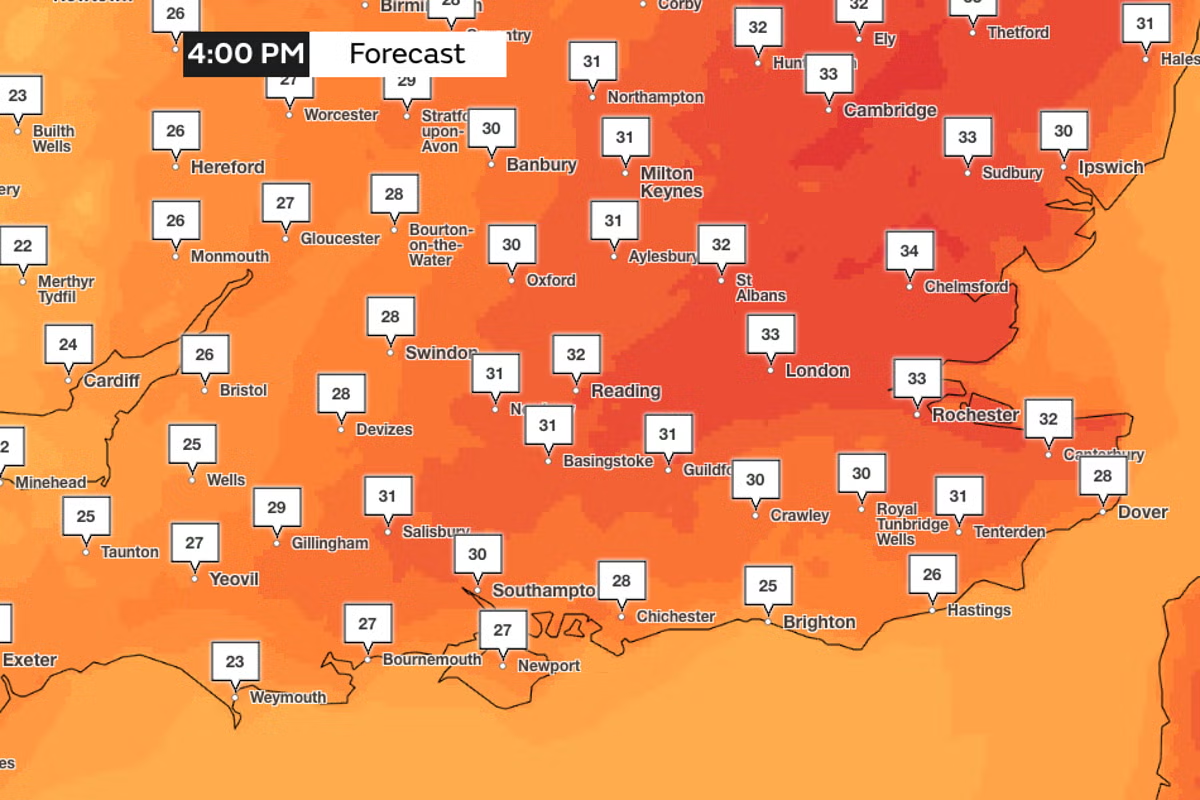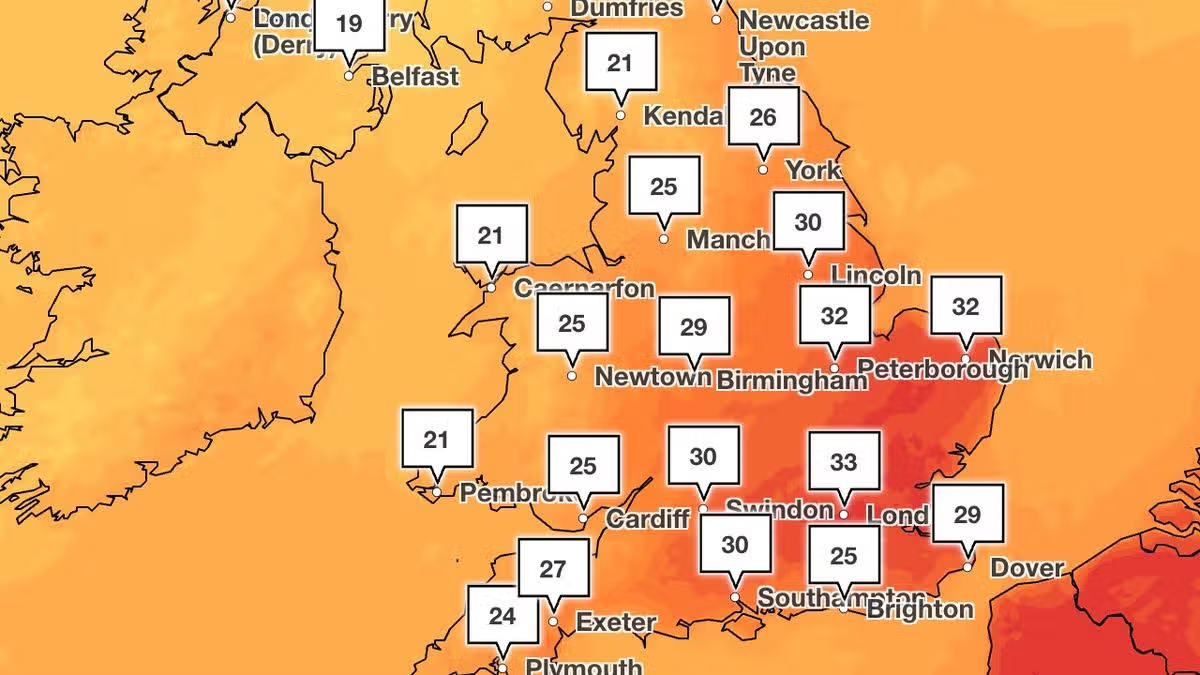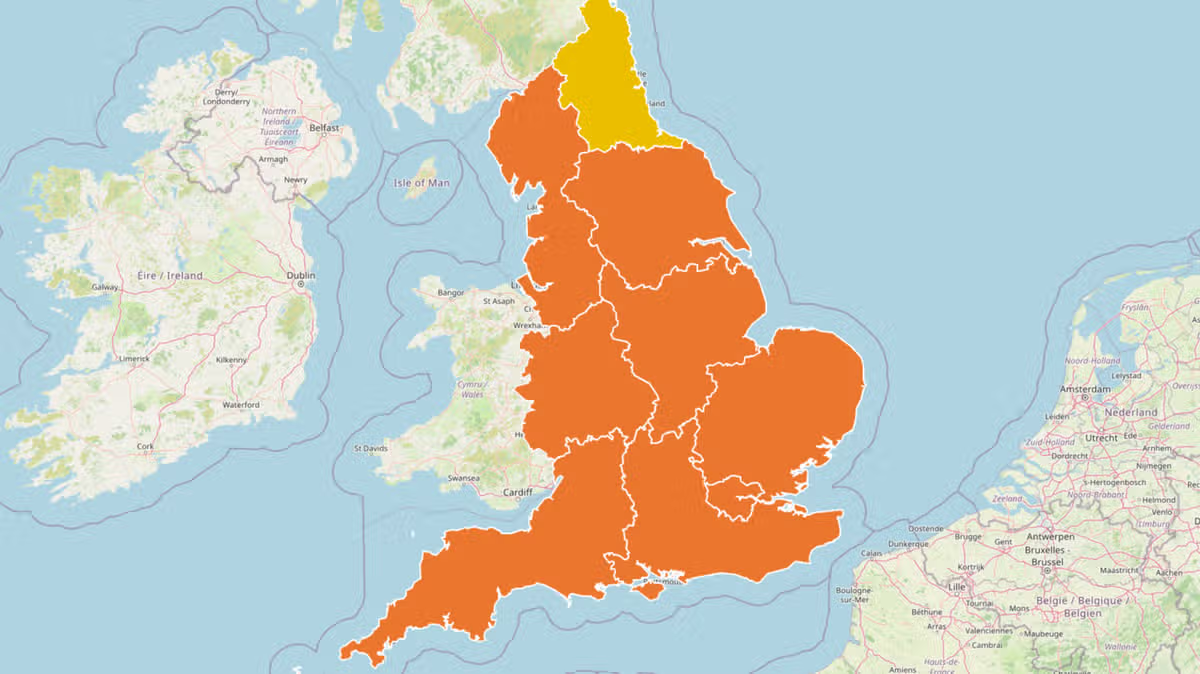
Rarely-seen amber heat health alerts have been issued for most of England as Met Office weather forecasters say heatwave temperatures could hit 36C this week12:35, 10 Aug 2026Updated 12:48, 10 Aug 2026Amber heat health alerts have been issued for most of England as heatwave temperatures are forecast to reach at least 36C this week.Amber heat health alerts have been issued for the East Midlands, East of England, Yorkshire and the Humber, London, North West, South East, South West, and West Midlands, while a yellow heat health alert has been issued for the North East, from Tuesday August 11 at 9am until Friday August 14 at 9pm.The amber alerts mean several significant impacts are now "likely" across health and social care services. These include a "rise in deaths", particularly among those aged 65 and over or with health conditions.Met Office weather forecasters expect temperatures to climb into the mid 30Cs later in the week, peaking on Thursday when the mercury should hit at least 36C.Content cannot be displayed without consentIt comes after an 18-year-old died after getting into difficulty in the sea at Camber Sands beach, East Sussex on Sunday, bringing the number of deaths in open-water incidents over the hot, dry summer to more than 40.What do amber heat health alerts mean?The UKHSA says significant impacts are likely across health and social care services due to the high temperatures, including:a rise in deaths, particularly among those aged 65 and over or with health conditions. There may also be impacts on younger age groupslikely increased demand on all health and social care servicesinternal temperatures in care settings (hospitals and care homes) may exceed the recommended threshold for clinical risk assessmentthe heat affecting the ability of the workforce to deliver servicesindoor environments overheating increasing the risk to vulnerable people living independently in community and care settingsissues managing medicinesstaffing issues due to external factors (for example, affecting transport)increased demand for power exceeding capacityother sectors starting to observe impacts (for example, travel delays)water‑related incidents may increase, including risks from cold‑water shock and drowningMore areas face drought in EnglandWhile this weekend could see rain, including in the south – some parts of which have had weeks without any rainfall – it will not make up for the shortfall in recent weeks and months, forecasters warn.The National Drought Group, made up of government and agency officials, water companies and farming leaders, is meeting again on Monday, with more areas of England expected to be declared in drought.Already half of England and the whole of Wales are in drought, and 23 million customers have hosepipe bans as rivers and reservoirs run low, and farmers warn of a “brutal harvest” for crops and a lack of feed for livestock.Major wildfires have hit areas such as the Pennines, the Cairngorms in Scotland, Llanwonno in the Rhondda Valleys, South Wales, and Dunwich Heath in Suffolk, as firefighters have been forced to grapple with hundreds of blazes.The extreme dry conditions this summer have combined with multiple heatwaves, including record-breaking heat for the time of year in May and June that led to more than 2,800 excess deaths.The UK is increasingly struggling with the impact of more extreme weather such as drought, heatwaves and wildfires, fuelled by climate change which is mostly caused by burning fossil fuels in power plants, in vehicles, and to heat homes and for industry.Parts of the UK are now facing their fifth heatwave of the summer – although some areas such as Exeter have seen temperatures remain above regional heatwave thresholds in between spikes of heat.But the Met Office said it did not anticipate issuing amber or red alerts for dangerous heat, as the conditions would be dry, and not humid – which raises the risk to human health – as they were in late June when a rare red alert was activated.Met Office spokesman Grahame Madge said that, after fresher conditions on Monday, “the heat really comes back in for a time, and will peak on Thursday.“We’re expecting values to be in the mid 30Cs, and possibly highest in the East.”The heat will add to the already-record number of days in 2026 which have reached 35C or higher.Although it will be short-lived, the heat will be widespread, with high temperatures seen up into Scotland – which has been hit by heavy rain in recent days.As the weekend arrives, the heat will subside quickly, and low pressure which could bring rain into the south, Mr Madge said, but added that it would not be enough to “make a dent” in the shortfall seen until now.Article continues below“It will be welcome for gardeners and for others, but we’re not going to get a lot of rain and not enough to make up for the shortfall we’ve had over the summer.”England and Wales have had their driest July in records dating back to 1836, with 19 counties of England seeing no rain for the entire month, provisional statistics have shown.Southern England also had its hottest July on record, while it was the joint hottest July on record for Wales, and the UK and England had their second hottest July, Met Office figures show.
Rarely-seen amber alerts issued as 36C heatwave means rise in deaths 'likely'
Rarely-seen amber heat health alerts have been issued for most of England as Met Office weather forecasters say heatwave temperatures could hit 36C this week
854 words~4 min read