Romania has just produced one of its finest showings yet in competitive artificial intelligence, and the most telling thing about it is how little the state had to do with it.
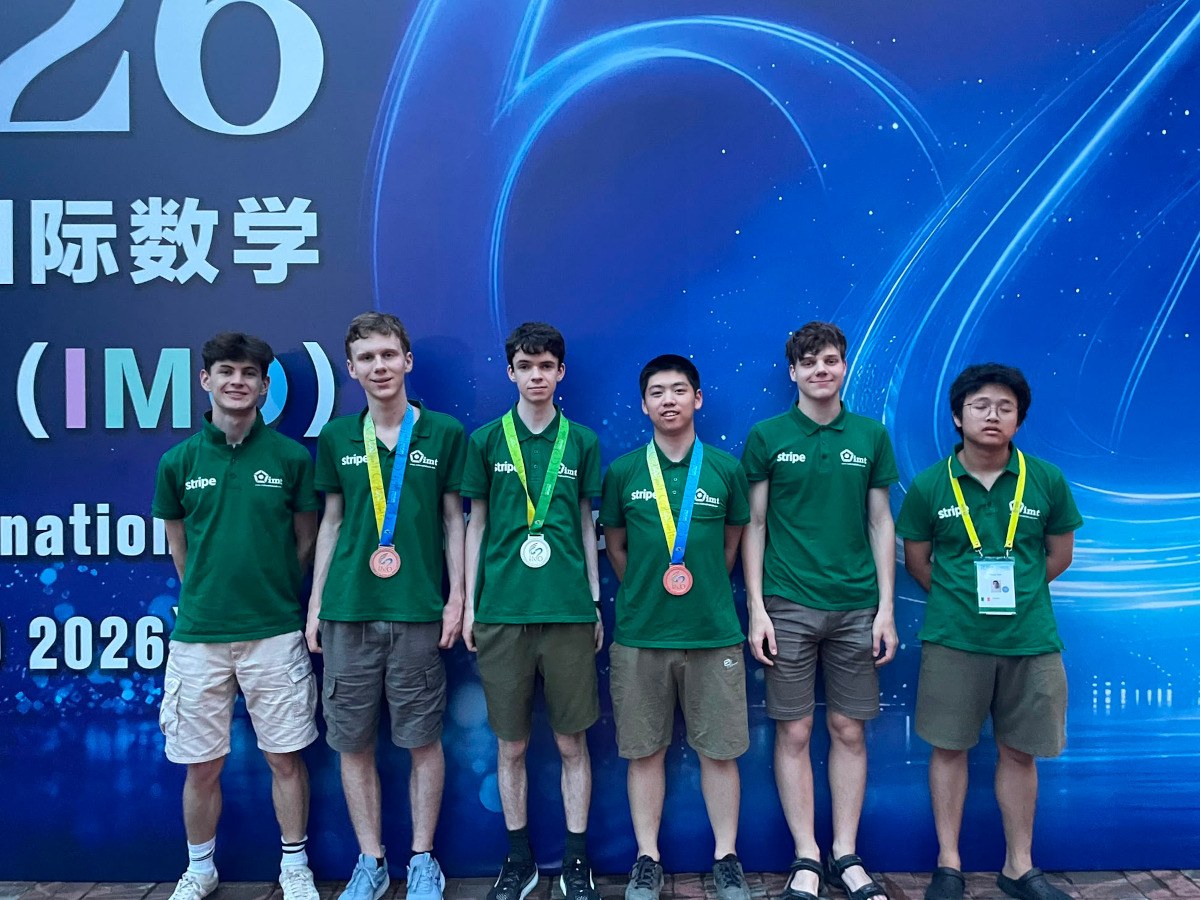
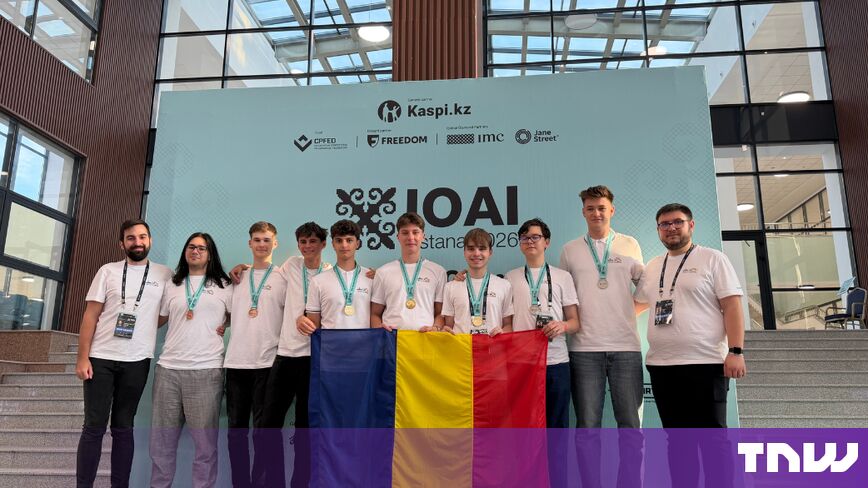
At the 2026 International AI Olympiad in Kazakhstan, all eight of the country’s students came home with medals, three of them gold, even as national AI policy drifts.
That gap matters, because Romania builds this talent on remarkably thin foundations. The country spends among the least on research and development in the whole EU, well under 1% of GDP against a bloc average above 2%, and the European Commission’s latest assessment flags a low level of basic digital skills and persistent trouble holding on to the ICT graduates it trains in large numbers.
The state’s “own AI ambitions”, meanwhile, keep stalling. Romania has a National AI Strategy on paper for 2024 to 2027, yet its flagship government “AI adviser,” ION, was quietly shelved after the government that launched it moved on, and the country risks losing a proposed AI mega-factory worth up to €8bn, backed by names like TSMC and Foxconn, because political turmoil has left investors with no stable government to negotiate with.
Set against all that, the students’ result looks less like a windfall and more like defiance. Around 500 competitors from 108 countries and territories gathered in Astana, and Romania not only medalled across the board but finished fourth overall, outscoring the United States, the United Kingdom, India, Singapore, Japan, South Korea, France and Germany, nations that command a vastly larger share of the world’s AI money.