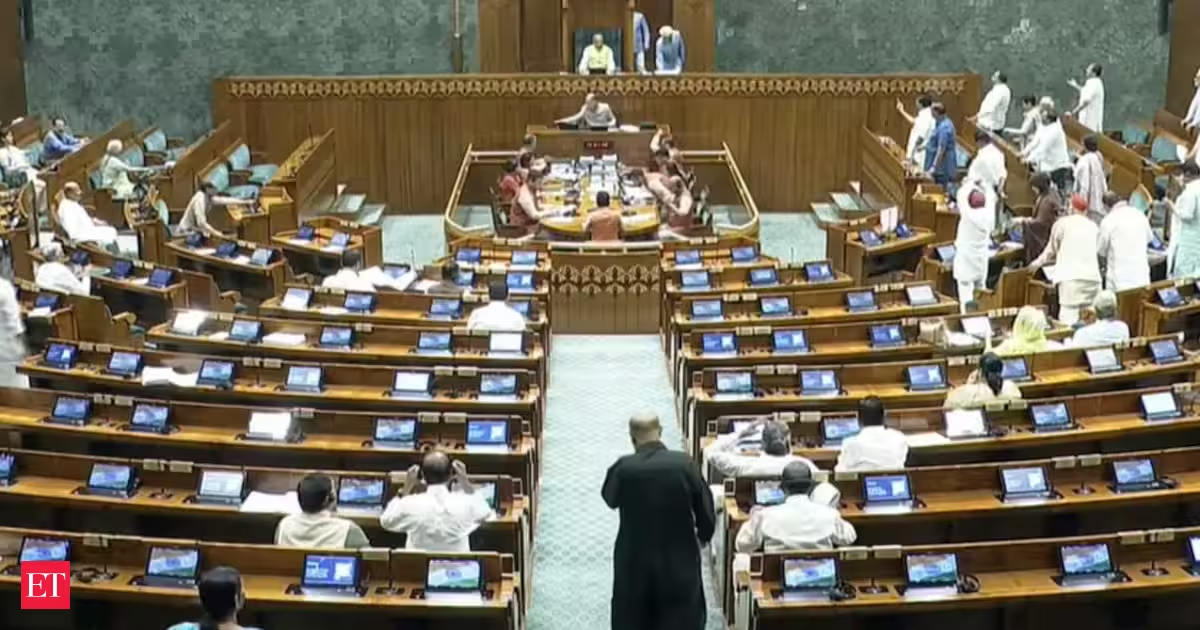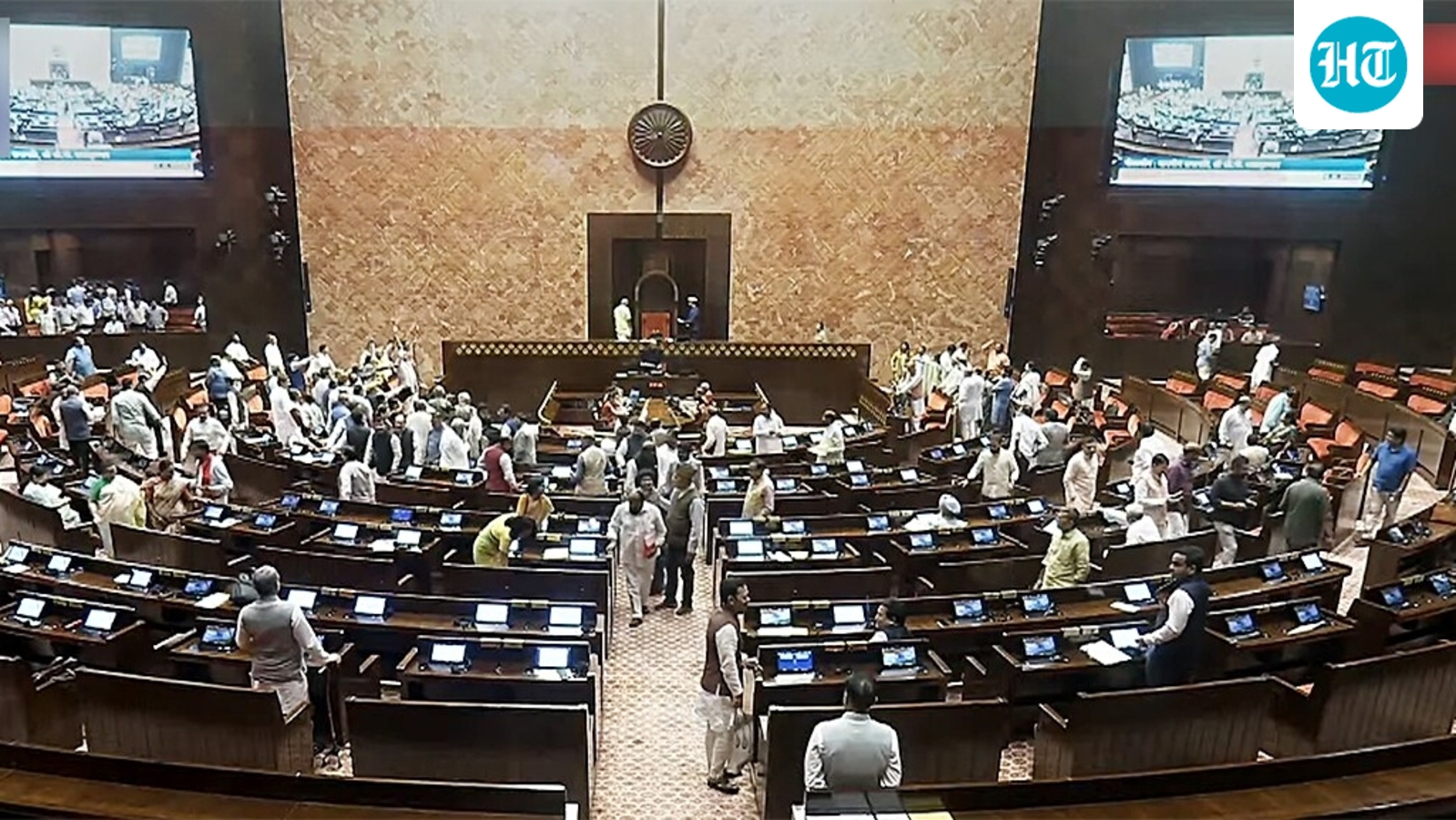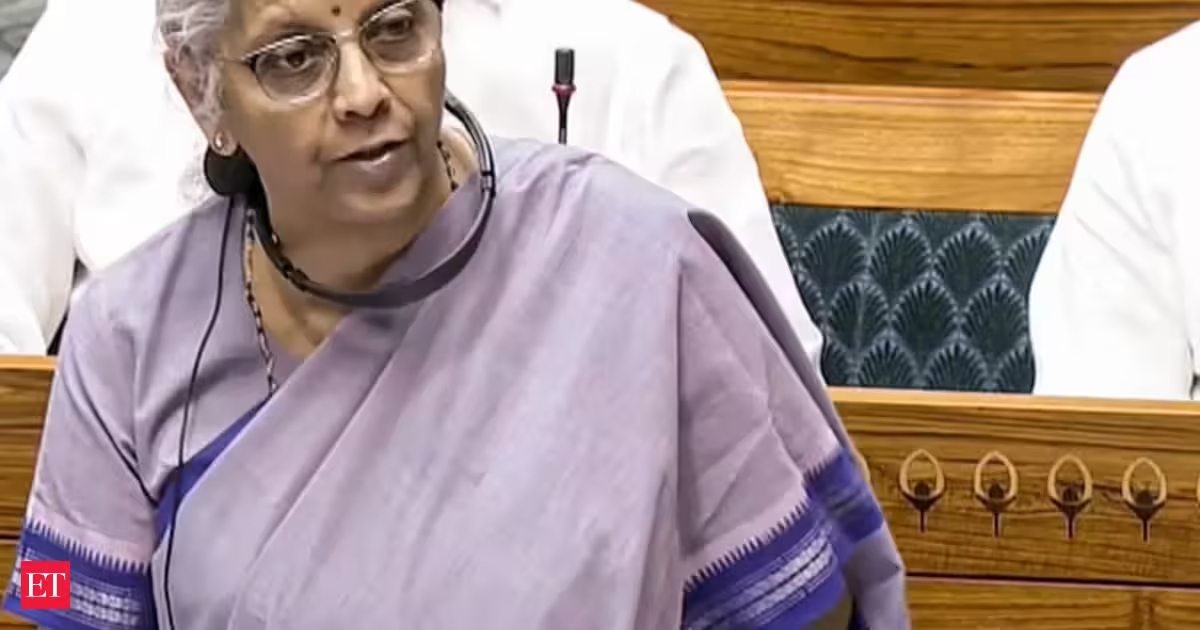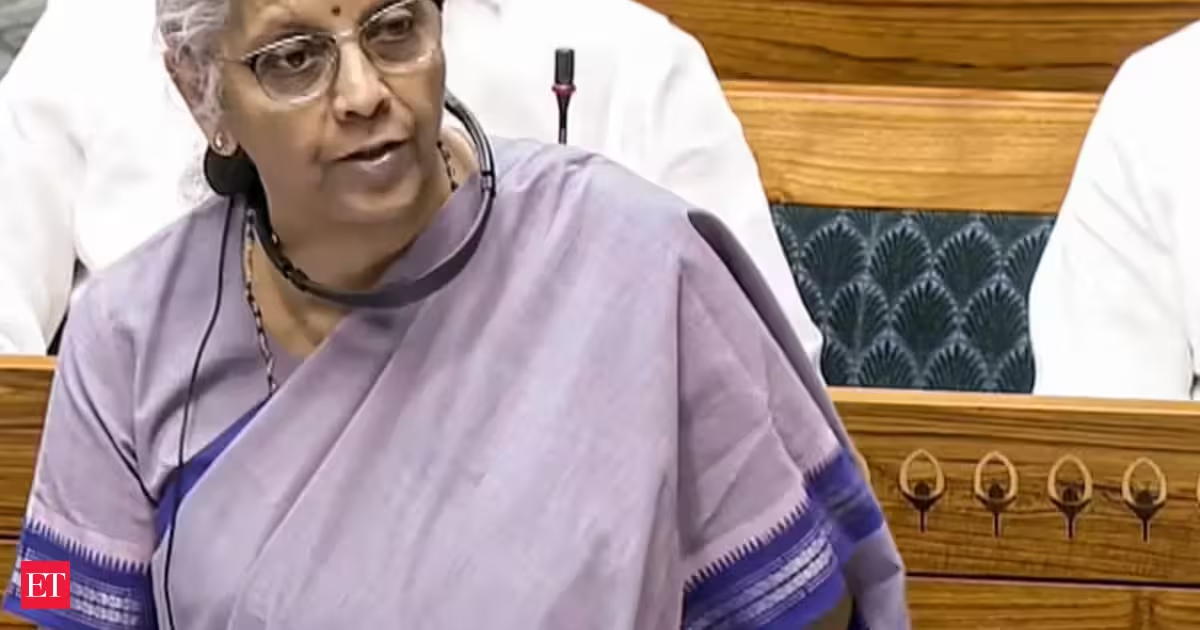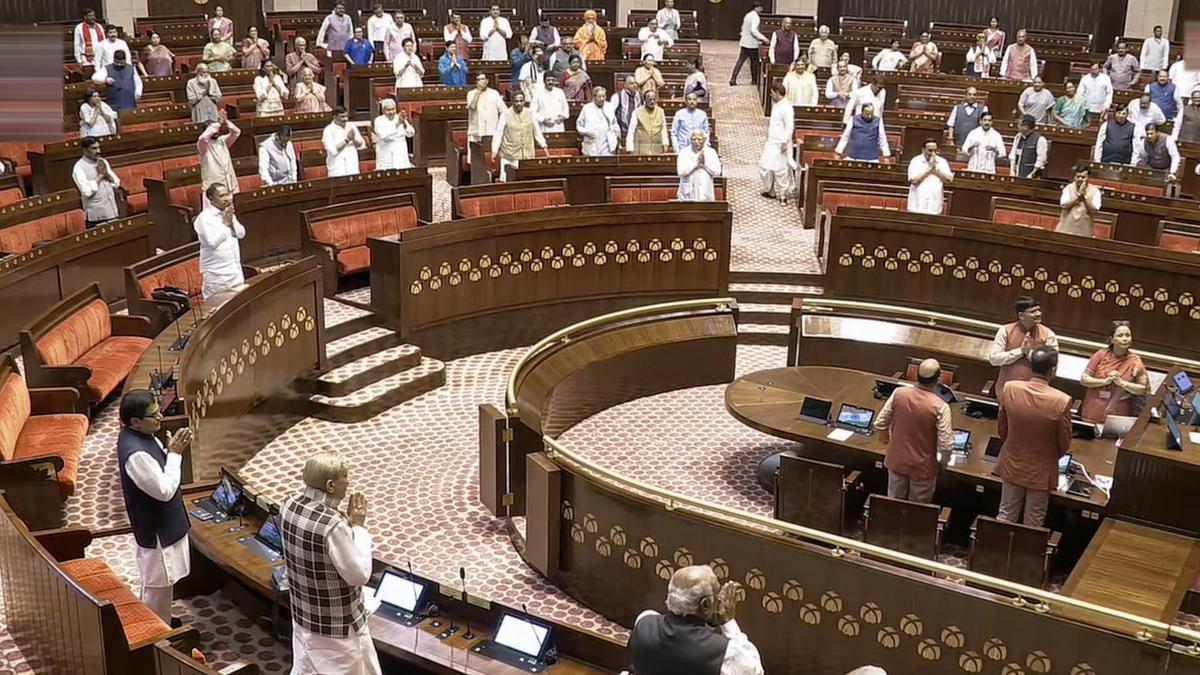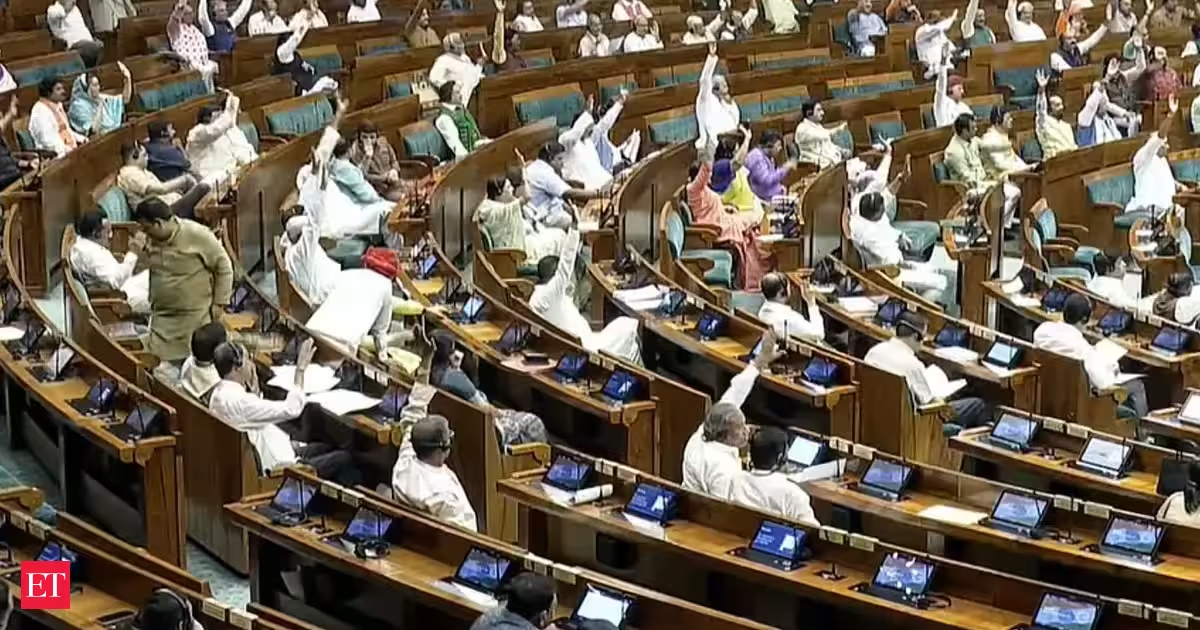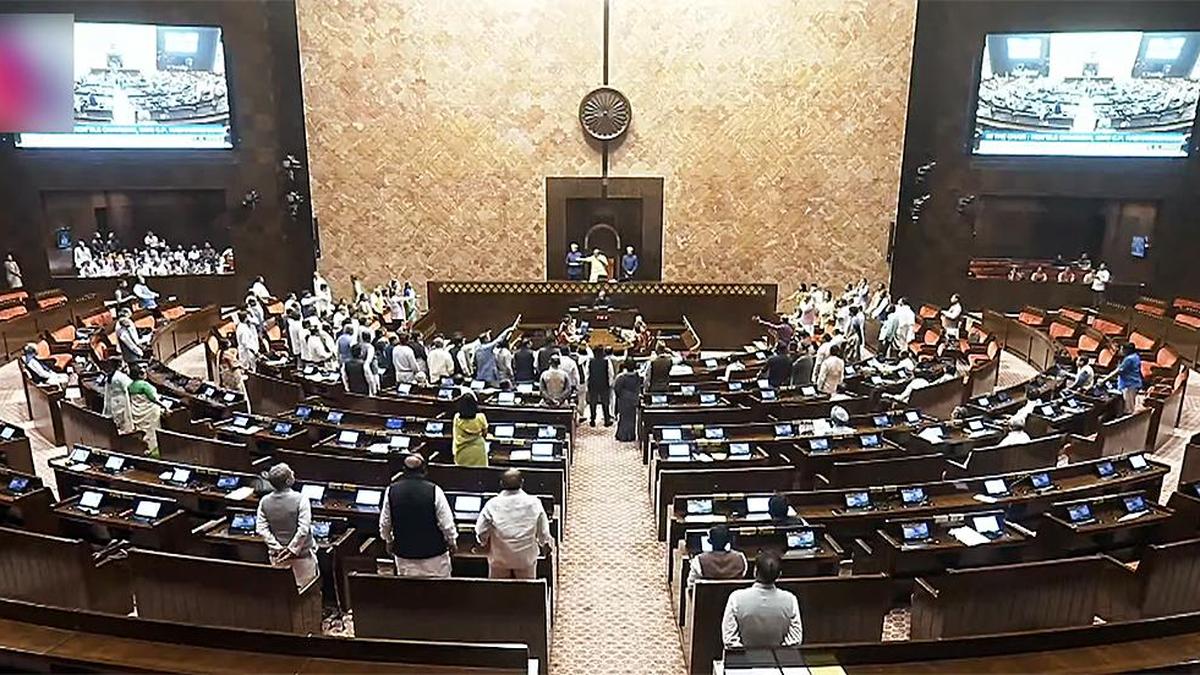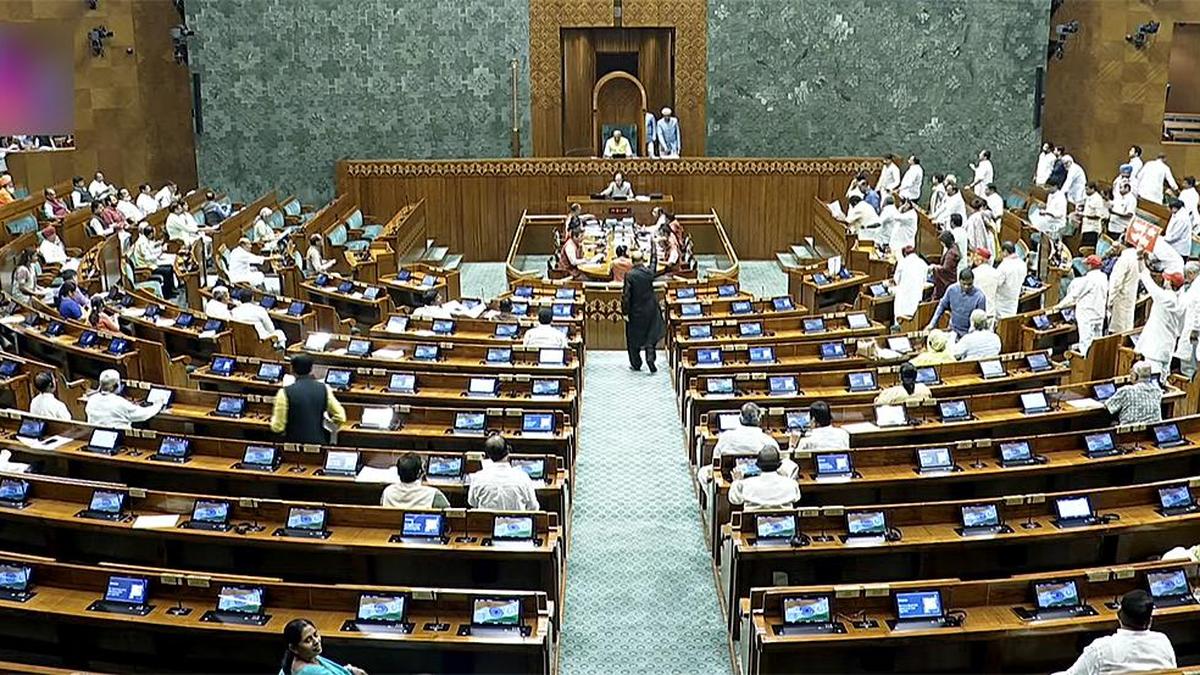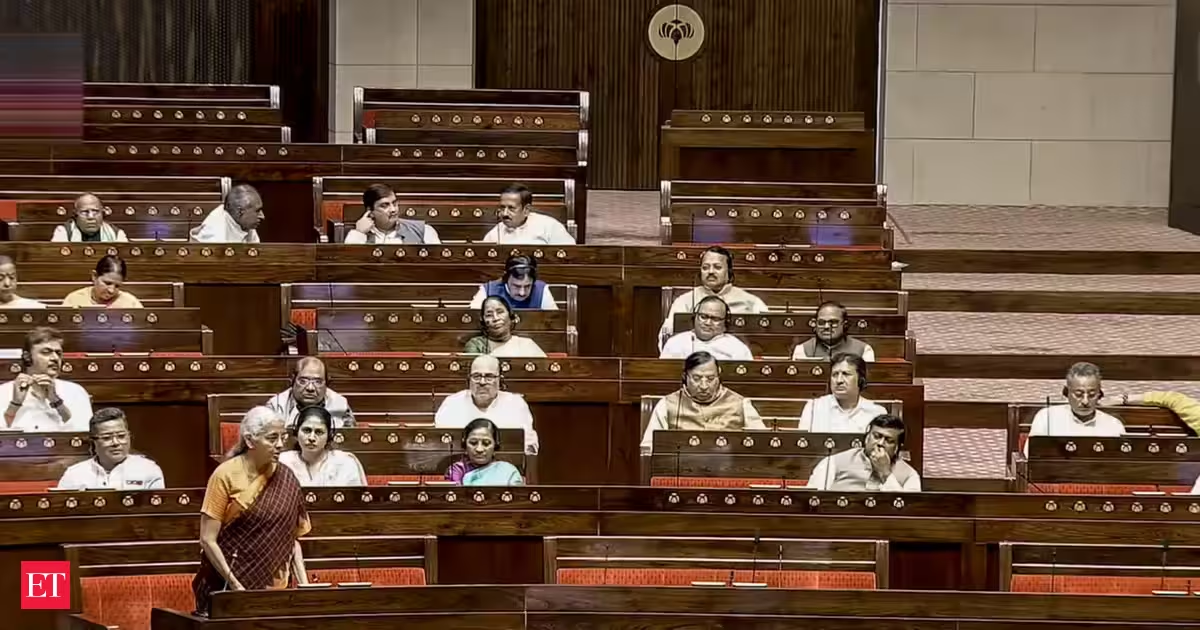
Finance minister Nirmala Sitharaman said the Bill "provides for a technology neutral legal framework for Bankers Books".NEW DELHI: The Rajya Sabha on Monday passed the Bankers' Books Evidence Bill, 2026, clearing the way for the replacement of a 135-year-old law governing how bank records can be used as evidence in court.The Lok Sabha had already passed the Bill on August 5. Once it receives presidential assent, it will replace the Bankers' Books Evidence Act, 1891, with a legal framework designed for India's increasingly digital banking system.The Bill retains most of the existing law but makes an important change as it explicitly recognises electronic, digital, virtual and other modern forms of banking records as legally admissible evidence.The passage in the Rajya Sabha, however, came amid a political confrontation, with Opposition parties walking out of the House after they were not allowed to raise issues they wanted to discuss.What exactly does the Bill changeIn simple terms, the Bill decides what kind of bank records can be shown to a court as evidence and under what conditions.The existing law was enacted in 1891, when banks maintained their records mainly in physical books and paper documents. India's banking system has since moved heavily towards computers, electronic databases, cloud storage and digital transactions.The new law therefore expands the meaning of "bankers' books" to include records maintained in physical, electronic, digital, virtual, cloud-based or other forms. This means a certified digital copy of a bank record could be accepted as evidence in legal proceedings without requiring the original physical record, provided it meets the safeguards laid down by the law.Union finance minister Nirmala Sitharaman said the Bill "provides for a technology neutral legal framework for Bankers Books" and "recognises electronic and digital banking records."For a digital record to be accepted, it must be a true copy of the relevant information or correctly derived from the original record. The law also requires safeguards against unauthorised changes, tampering or any other problem that could affect the accuracy and integrity of the record.ALSO READ | Amit Shah to speak on student protest crackdown, says Rijiju, poses a condition to oppositionWhy is a 1891 law being replacedThe basic problem is that the existing law was written for a very different banking system. A bank record in 1891 was essentially a physical entry in a book. Today, the same information may exist as a computer record, electronic statement, digital transaction or data stored in a cloud-based system.The government argues that the law needs to recognise these forms of records explicitly so that courts do not have to rely on rules designed for a paper-based banking system.Sitharaman said, "India has shown exemplary speed in digitizing its economy," and argued that the legal framework should keep pace with that transformation.The Bill also allows the Centre to extend the law to other entities or classes of entities in the financial sector through a notification, subject to specified conditions or exceptions. At present, the framework covers banking entities as well as post office savings banks and money order offices.What happens when a court wants bank recordsThe Bill largely retains the existing protection given to bank officials. An officer of a bank generally cannot be forced to produce the bank's records in a case where the bank itself is not a party. The officer also cannot ordinarily be compelled to appear as a witness simply to prove transactions or accounts recorded in those books.However, a court can order the production of records or the appearance of a bank official when there is a special reason to do so.The 2026 Bill sets out circumstances that can amount to such a special reason. These include situations where the accuracy or authenticity of a record is in doubt, where there has been an interruption in the normal process of maintaining records or where a bank has failed to comply with a court order relating to inspection of its records.Sitharaman said the Bill "strengthens the statutory protection available to the bank officers where the bank is not a party to the proceedings."Why did the Opposition walk outThe passage of the Bill in the Rajya Sabha was overshadowed by a walkout by Opposition MPs. The Opposition has been demanding that Union home minister Amit Shah respond to allegations concerning the use of pellet guns against students and other protesters during a July 20 march. It has also sought accountability over alleged theft or misappropriation of donations at the Ram temple.When the Rajya Sabha resumed proceedings at 2 pm after disruptions earlier in the day, deputy chairman Harivansh adjourned the House for 15 minutes almost immediately.When proceedings resumed, Nirmala Sitharaman moved the Bankers' Books Evidence Bill for discussion. Leader of Opposition Mallikarjun Kharge sought to raise other issues, but the Chair said MPs should speak only on the legislation under consideration.TMC member Nadimul Haque was then called to speak. He attempted to raise what he described as a "very serious incident" that had taken place on Sunday, but the Chair again asked him to speak on the Bill. The opposition subsequently walked out of the House.The Bill was then passed by voice vote after a brief discussion. Sitharaman criticised the opposition for leaving during a debate on what she described as an important reform."These are the kind of bills in which the opposition should take part. These are very informative...These are going to help the country to move forward fast, and they are steps on which no one can have a difference of opinion, except if they want to suggest improvements," she said."It is such a sad state that the opposition chooses to walk out on such debates," Sitharaman said.The Bill had faced a similar disruption in the Lok Sabha on August 5, where opposition protests and sloganeering prevented a substantive debate. It was ultimately passed by voice vote before the House was adjourned.The government accused the opposition of deliberately disrupting proceedings. Parliamentary Affairs Minister Kiren Rijiju also accused the Congress, Left parties and Samajwadi Party of being against Lord Ram and demanded an apology, referring to an opposition skit in Parliament and their earlier opposition to the construction of the Ram temple.ALSO READ | Rajya Sabha passes by voice vote bill to raise Supreme Court judge strength
Bankers' Books Evidence Bill clears Parliament test — what changes in the colonial-era bank law
NEW DELHI: The Rajya Sabha on Monday passed the Bankers' Books Evidence Bill, 2026, clearing the way for the replacement of a 135-year-old law governing how bank records can be used as evidence in court.
1,036 words~5 min read