Skip to Content Subscribe Our Offers My Account Manage My Subscriptions FAQ Newsletters Canada Canadian True Crime Canadian Politics Health World Israel & Middle East Financial Post NP Comment Longreads Puzzmo Diversions Comics NP News Quiz New York Times Crossword Horoscopes Life Eating & Drinking Style Sponsored Play for Ontario Travel Travel Canada Travel USA Travel International Cruises Travel Essentials Culture Books Celebrity Movies Music Theatre Television Business Essentials Advice Lives Told Tails Told Shopping Buy Canadian Home Living Outdoor Living Kitchen & Dining Tech Style & Beauty Personal Care Entertainment & Hobbies Gift Guide Travel Guide Amazon Prime Day Deals Savings National Post Store More Sports Hockey Baseball Basketball Football Soccer Golf Tennis Driving Vehicle Research Reviews News Gear Guide Obituaries Place an Obituary Place an In Memoriam Classifieds Place an Ad Celebrations Working Business Ads Archives Healthing Epaper Manage Print Subscription Profile Settings My Subscriptions Saved Articles My Offers Newsletters Customer Service FAQ Newsletters Canada World Financial Post NP Comment Longreads Puzzmo Diversions Life Shopping Epaper Manage Print Subscription HomeNewsWorldIsrael & Middle East'We are low-keying it': U.S. to let Iran's economic stress do the work, Trump hintsTehran says it’s nearing a deal on the Strait of Hormuz while laying out a long list of demands for Washington before shipping can resumeAuthor of the article: You can save this article by registering for free here. Or sign-in if you have an account.The U.S. is "low-keying it" with Iran by letting economic pressure do the work of damaging the country, Donald Trump said Sunday. Photo by Win McNamee/Getty ImagesPresident Donald Trump signalled he’s prepared to let economic pressure on Iran build rather than launch fresh military strikes, saying the U.S. was only “semi-negotiating” with Tehran on the Strait of Hormuz.Enjoy the latest local, national and international news.Exclusive articles by Conrad Black, Barbara Kay and others. Plus, special edition NP Platformed and First Reading newsletters and virtual events.Unlimited online access to National Post.National Post ePaper, an electronic replica of the print edition to view on any device, share and comment on.Daily puzzles including the New York Times Crossword.Support local journalism.Enjoy the latest local, national and international news.Exclusive articles by Conrad Black, Barbara Kay and others. Plus, special edition NP Platformed and First Reading newsletters and virtual events.Unlimited online access to National Post.National Post ePaper, an electronic replica of the print edition to view on any device, share and comment on.Daily puzzles including the New York Times Crossword.Support local journalism.Create an account or sign in to continue with your reading experience.Access articles from across Canada with one account.Share your thoughts and join the conversation in the comments.Enjoy additional articles per month.Get email updates from your favourite authors.Create an account or sign in to continue with your reading experience.Access articles from across Canada with one accountShare your thoughts and join the conversation in the commentsEnjoy additional articles per monthGet email updates from your favourite authorsSign In or Create an Accountor“We are just watching Iran with its huge inflation and the fact they have no money,” Trump told Axios in an interview on Sunday, saying that a U.S. naval blockade of the country was deepening its financial woes. “We are low-keying it.”The president’s comments mark a shift from his repeated threats to escalate the bombing campaign against Iran and come amid lingering talks between the Islamic Republic and Oman to reopen the Strait of Hormuz to maritime shipping. Tehran has said it’s nearing a deal on the waterway while laying out a long list of demands for Washington before shipping can resume, including the lifting of sanctions and an end to attacks on Iran-backed groups across the Middle East. Tehran also elevated a hard-line former commander to its top security post over the weekend.Columnist Jesse Kline keeps you up to date with what’s happening in Israel and the effects of antisemitism on life here in Canada. Friday mornings.By signing up you consent to receive the above newsletter from Postmedia Network Inc.A welcome email is on its way. If you don't see it, please check your junk folder.The next issue of Channel Israel will soon be in your inbox.We encountered an issue signing you up. Please try againIranian Supreme Leader Mojtaba Khamenei’s military adviser Mohsen Rezaee, a former commander-in-chief of the Islamic Revolutionary Guard Corps, was named the new leader of the Supreme National Security Council, the state-run Islamic Republic News Agency reported late Sunday. He replaces Mohammad Bagher Zolghadr, a fellow hard-liner who accepted a new position as political adviser to the supreme leader.Rezaee has been an advocate for full Iranian control over Hormuz. The council he’ll be heading is where Iran’s leaders coordinate decisions on the war and negotiations to end it.Over the weekend, Foreign Minister Abbas Araghchi said a pact with Oman to establish a shipping route through the strait was “very close,” without providing details on the substance. He ruled out direct talks with the U.S. for now, citing what he described as repeated violations of a short-lived interim peace agreement signed in June, and adding that the two sides are exchanging messages through intermediaries.The Strait of Hormuz, through which one-fifth of the world’s oil and liquefied natural gas transited before the war, has become a key factor in the war the U.S. and Israel started on Feb. 28. Trump has demanded the resumption of open navigation for months. Iran’s Foreign Minister Abbas Araghchi said on Saturday that negotiators are closing in on temporary lanes for ships entering and exiting the Persian Gulf. (Bloomberg)Oil was little changed on Monday, with global benchmark Brent crude trading at US$83.61 after a rally of more than five per cent over the previous three sessions.Tehran on Saturday published a list of demands for Washington as conditions for fully reopening Hormuz, indicating any immediate respite for energy supplies may be limited. It wants the U.S. to lift its naval blockade on Iranian ports, withdraw forces from around Iran, remove sanctions, release frozen assets and pay compensation for war damage.It also demanded a permanent end to attacks on groups it backs in Lebanon, Iraq, Yemen and Gaza.Some of those demands will be difficult for the U.S. to meet alone. In Gaza, a proposal by U.S.-backed mediators to disarm Iran-backed Hamas and push the Israeli army out of the Palestinian enclave was rejected by Israel’s Prime Minister Benjamin Netanyahu on Sunday.Netanyahu’s defiance challenges his complex relationship with Trump not just because the president championed the plan but because Israeli withdrawal from Gaza is an Iranian demand before Hormuz can be reopened.Axios quoted a White House official as saying Trump isn’t bothered by the rejection because he understands Netanyahu’s political needs ahead of an October election, in which the right is pressuring him not to yield on his original vow for complete victory over Hamas.The official added that Israel is, meanwhile, restraining its attacks in Gaza, something which has been evident for the past week.In Yemen, Iran-backed Houthi rebels have been escalating fighting with forces supported by neighbouring Saudi Arabia, another key American ally. The Houthis claimed they struck Saudi Aramco’s Jazan refinery on Sunday, while Saudi authorities reported a fire that was quickly extinguished, with no injuries.The incident would mark at least the second blaze at the 400,000 barrel-a-day complex in a month. Satellite images in late July showed a tank fire following another claimed Houthi attack.— With assistance from Ethan Bronner.Our website is the place for the latest breaking news, exclusive scoops, longreads and provocative commentary. Please bookmark nationalpost.com and sign up for our daily newsletter, Posted, here. Join the Conversation This website uses cookies to personalize your content (including ads), and allows us to analyze our traffic. Read more about cookies here. By continuing to use our site, you agree to our Terms of Use and Privacy Policy.
'We are low-keying it': U.S. to let Iran's economic stress do the work, Trump hints
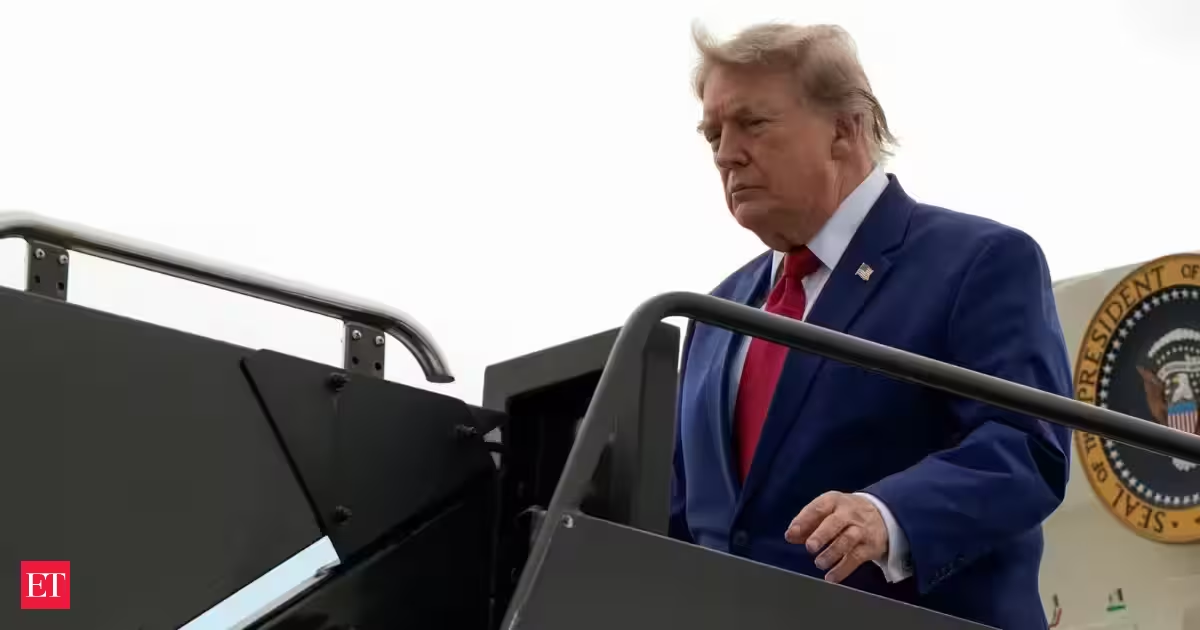
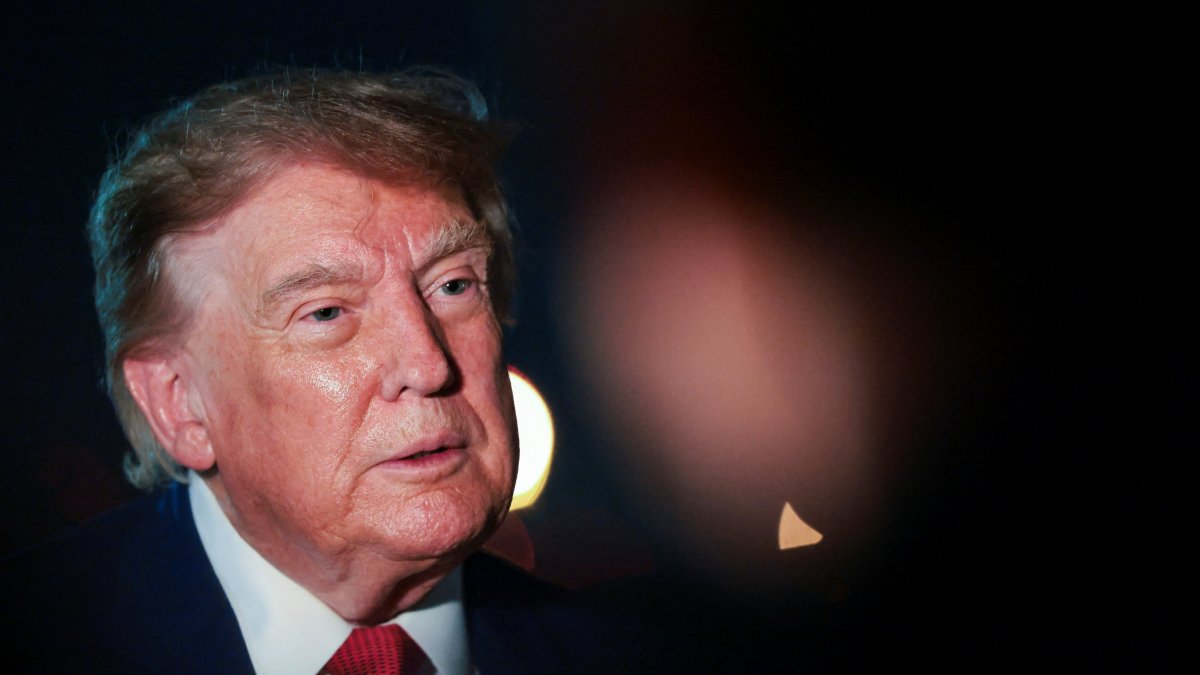
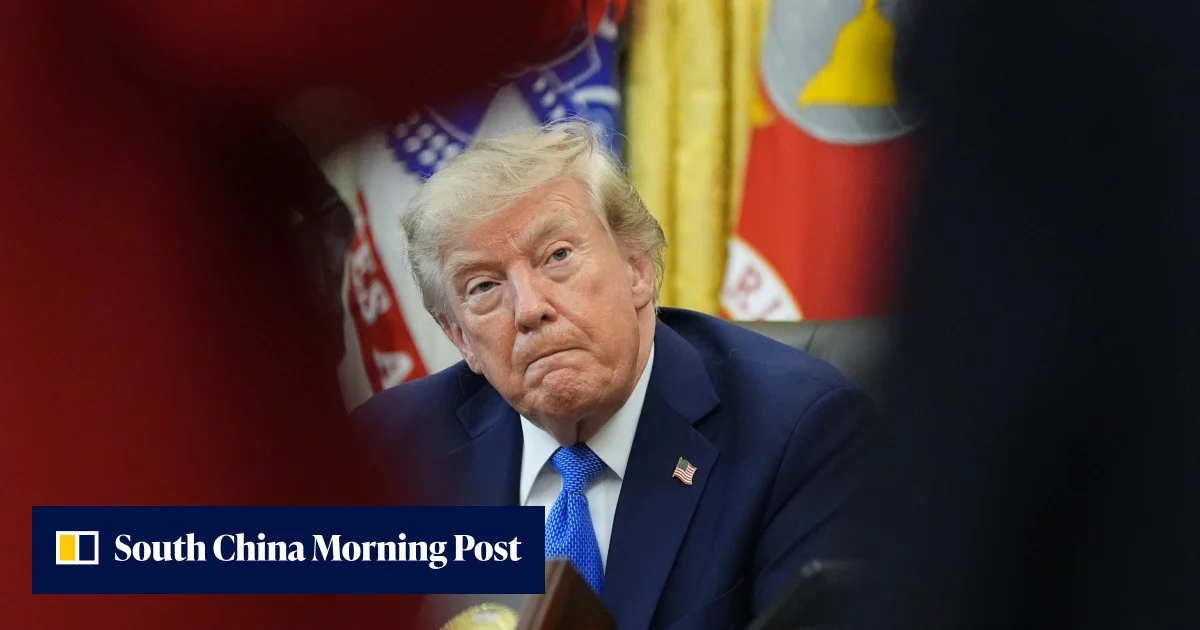
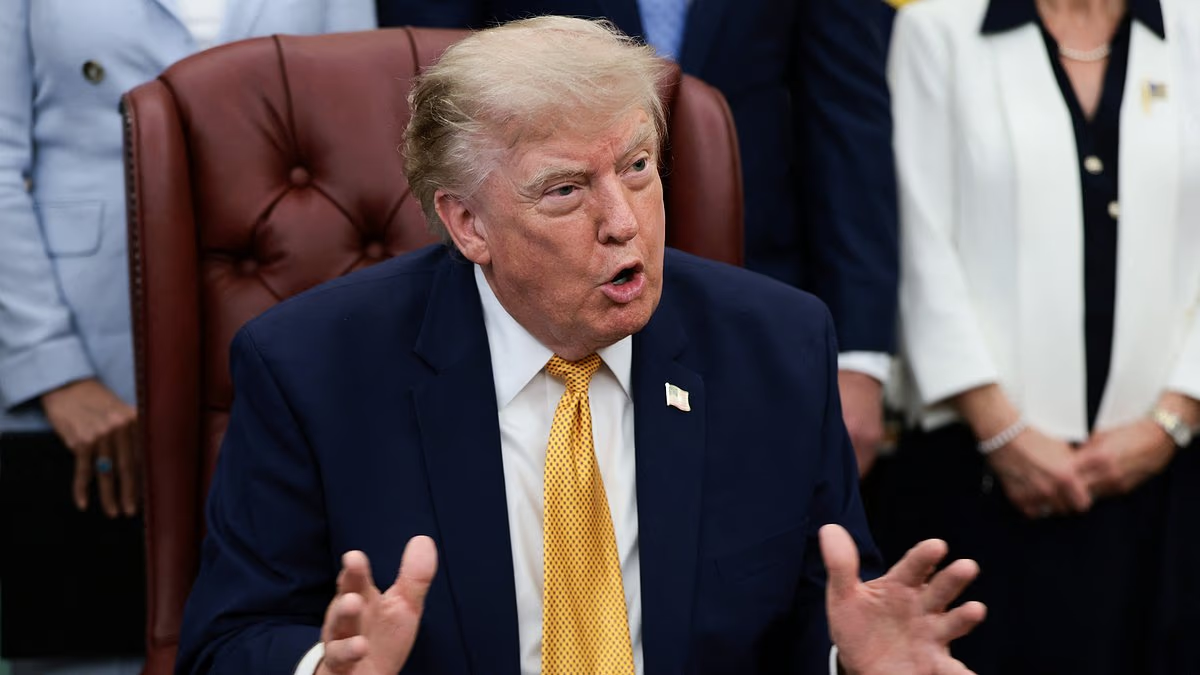
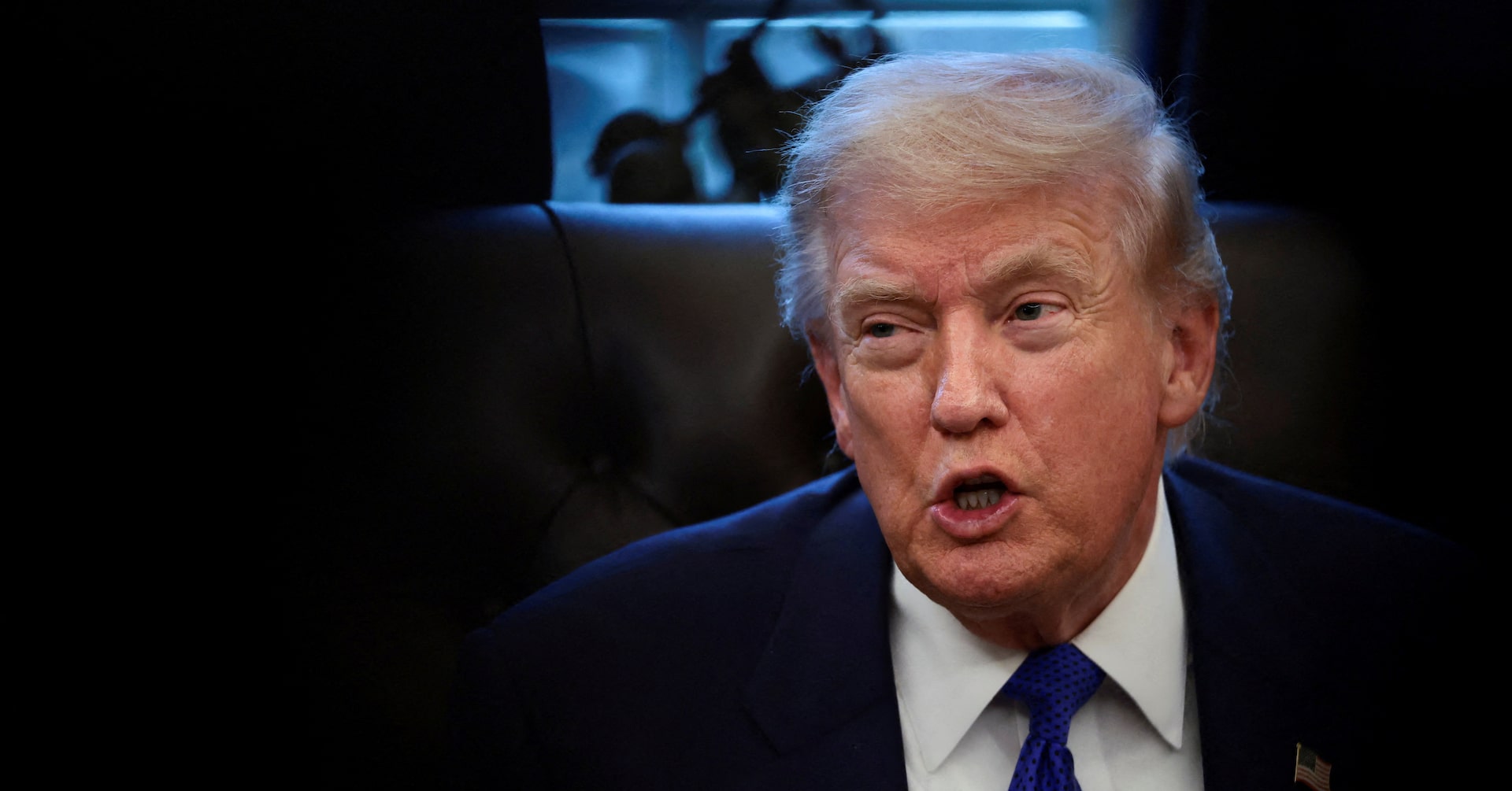
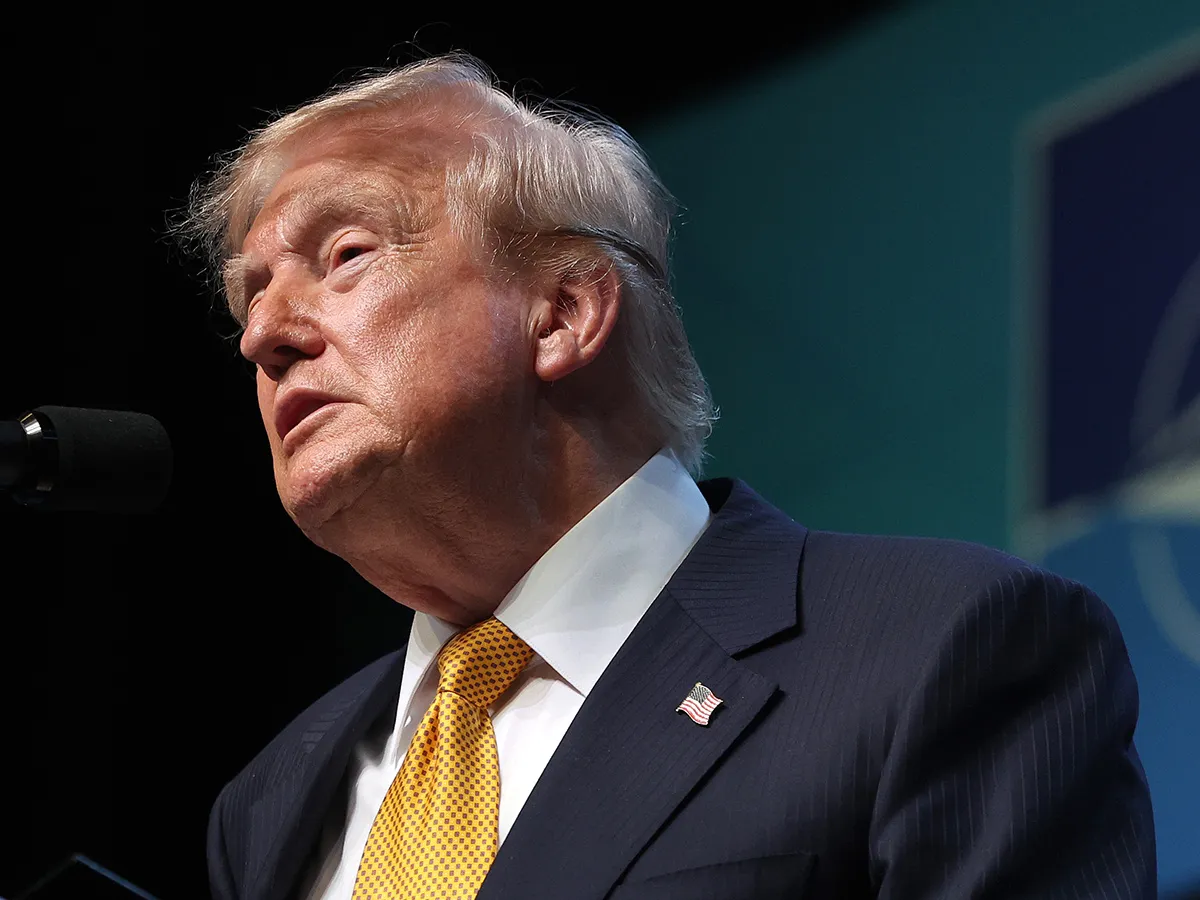
The U.S. is "low-keying it" with Iran by letting economic pressure do the work of damaging the country, Donald Trump said Sunday.
1,292 words~6 min read