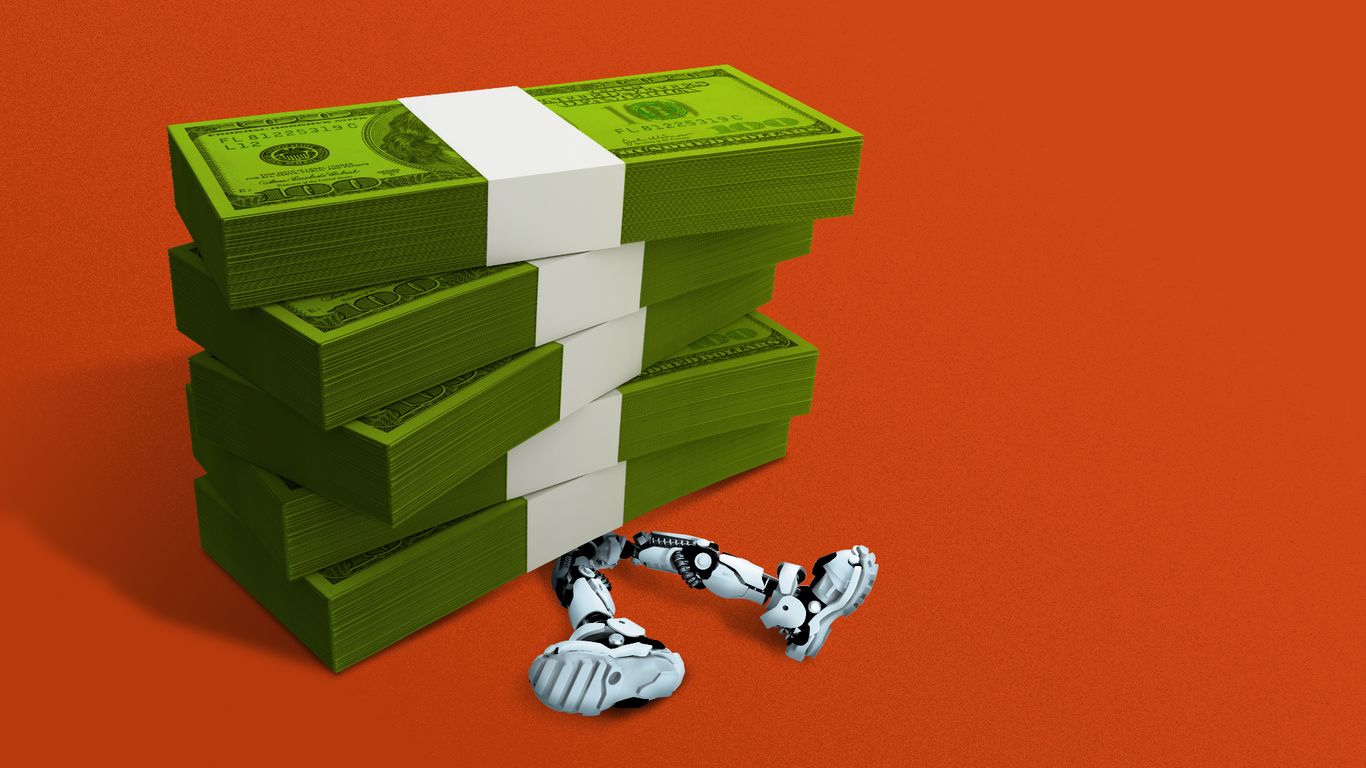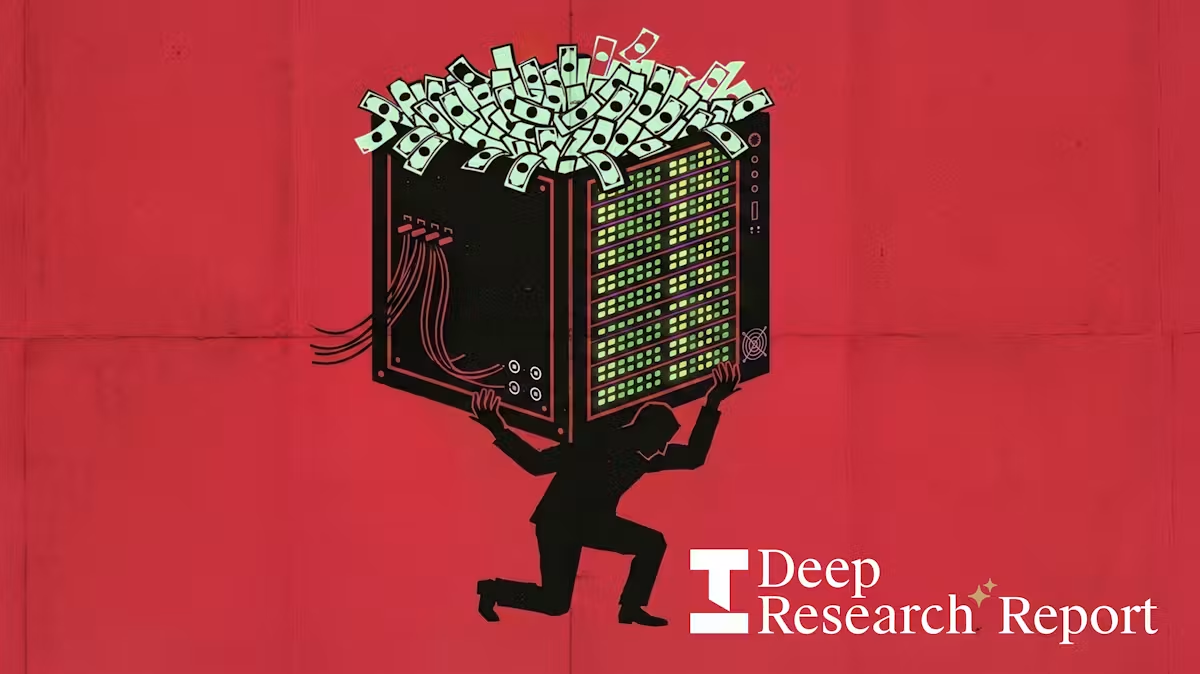
Through the lens of Silicon Valley and Wall Street, the path forward for artificial intelligence looks entirely pre-ordained. Four dominant tech hyperscalers are on track to spend an unprecedented $650 billion on data centers and infrastructure this year alone.
A narrow group of AI enablers now carries nearly half the total value of the S&P 500 — some measures now put the AI-linked share closer to 50%–57%, meaning the concentration is arguably even more extreme than the headline number suggests — and the buildout has become so massive that it is driving the lion’s share of U.S. GDP growth. The overarching consensus in Silicon Valley and on Wall Street is clear: The technology works, and the capability is unprecedented; ergo, mass adoption is an inevitability.
History teaches a different lesson, and the last few months have provided a series of flashing red lights regarding what could lie ahead. In April, a man motivated by anti-AI sentiment attacked OpenAI CEO Sam Altman’s home. In May, college graduates entering a workforce where the technology is the primary reason for job cuts met commencement speakers hailing the AI revolution—including former Google CEO Eric Schmidt at the University of Arizona—with boos.