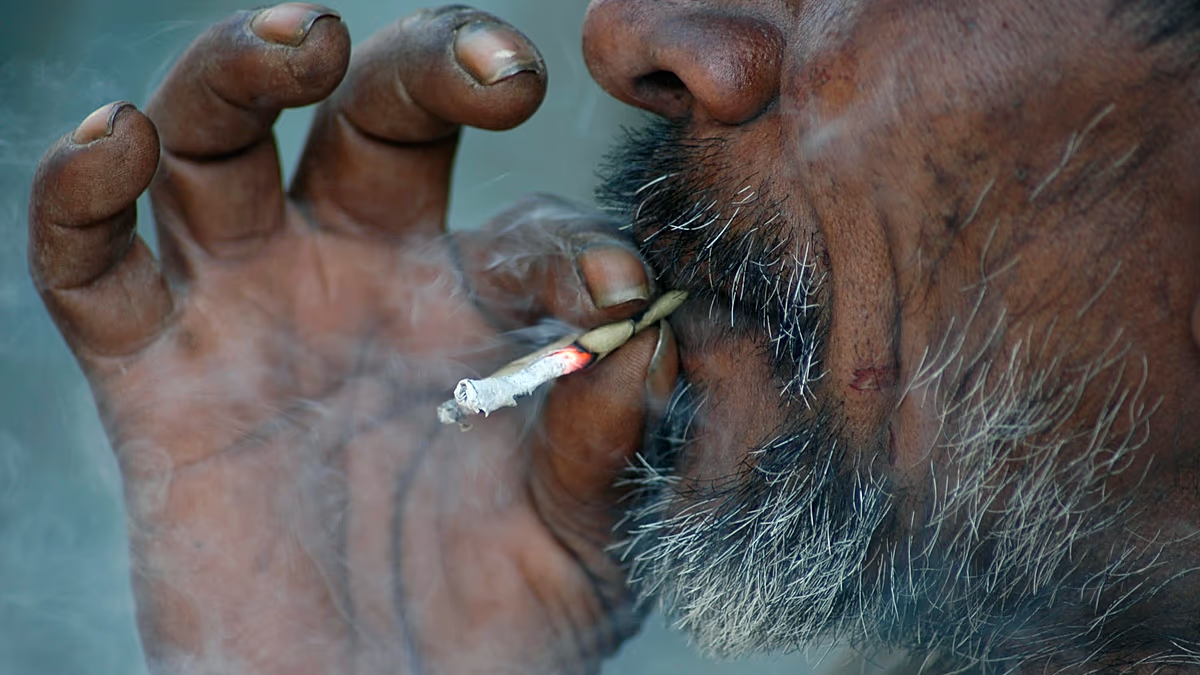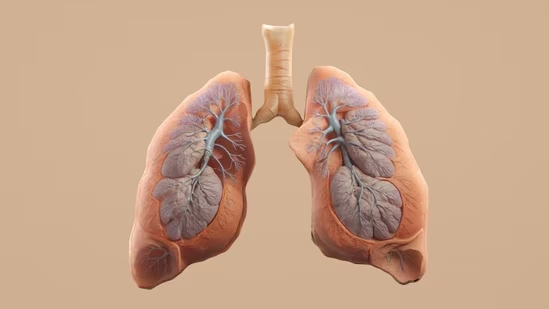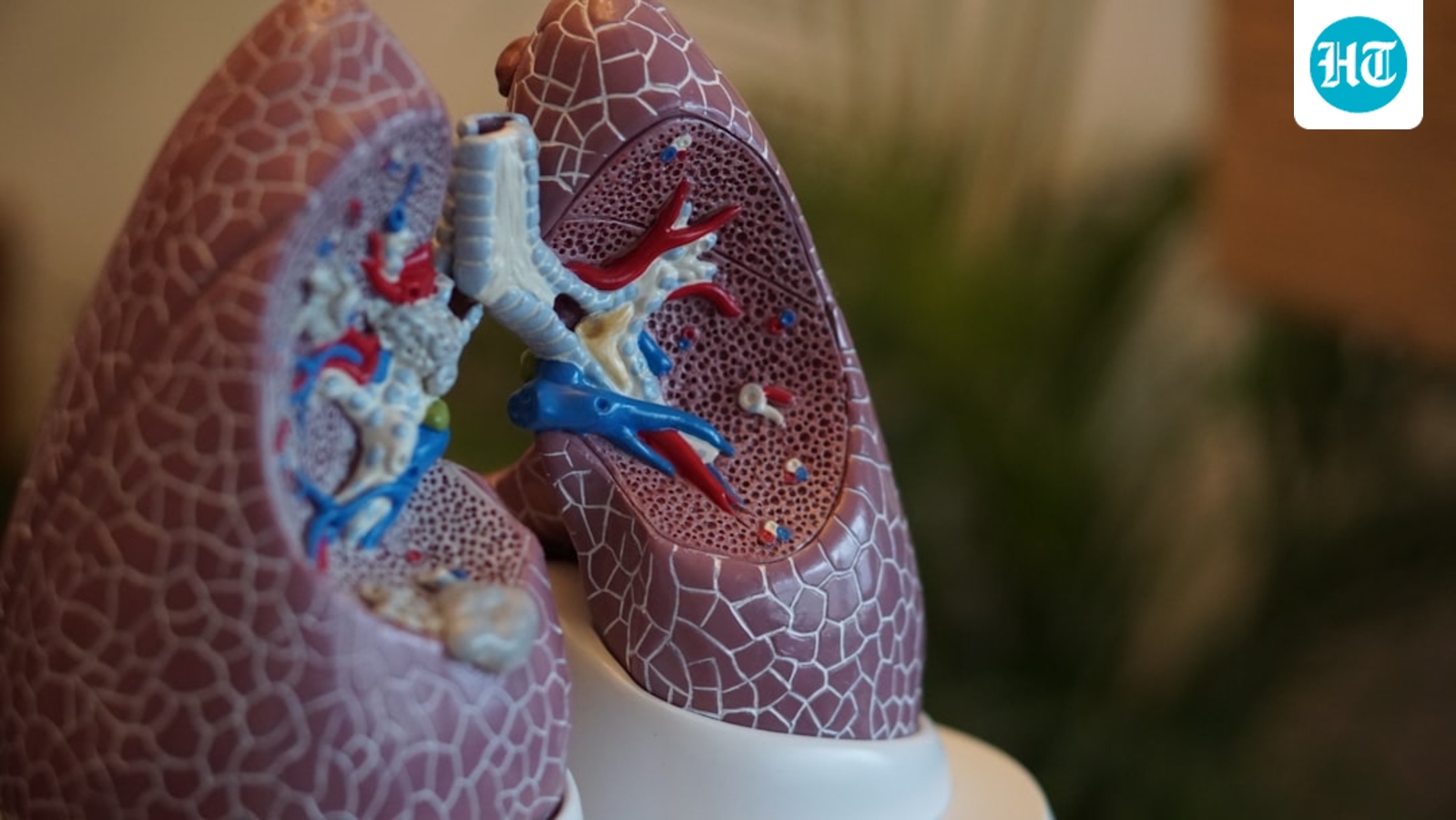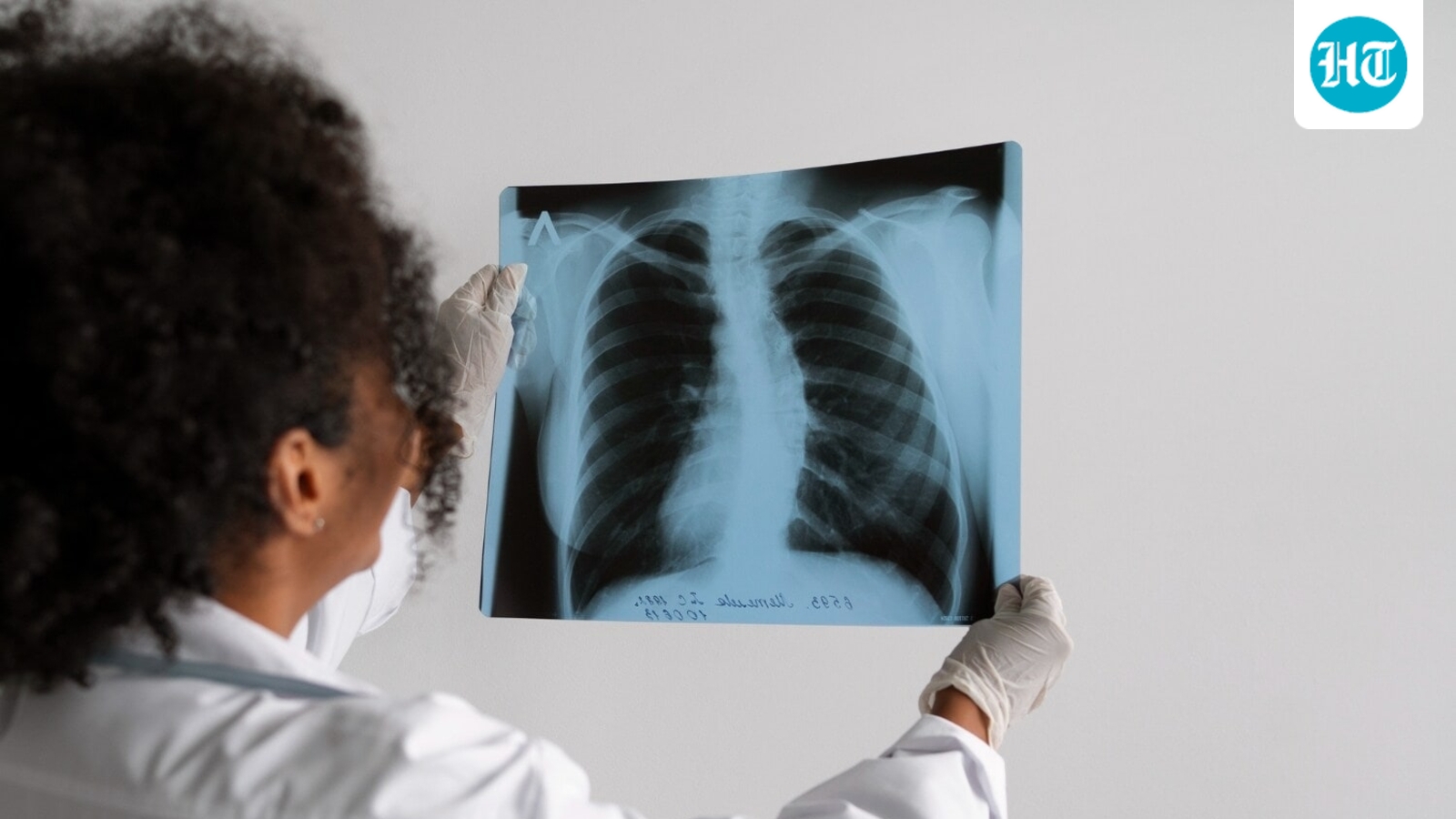
Dr. Prriya Eshpuniyani emphasises that lung cancer risk factors extend beyond smoking, including environmental and genetic influences. (Freepik) Never smoked but worried about lung cancer? A doctor shares lesser-known risk factors and warning signs that non-smokers should know.When people hear “lung cancer”, they often associate the disease with smoking. While tobacco use remains one of the biggest risk factors for lung cancer, the disease can also affect people who have never smoked. In fact, several environmental, genetic and occupational factors can increase the risk of lung cancer among non-smokers.In an interview with HT Lifestyle, Dr. Prriya Eshpuniyani, Consultant Thoracic Surgeon and Surgical Oncologist at Zynova Shalby Hospital, Ghatkopar, Mumbai, highlighted some of the lesser-known risk factors and warning signs of lung cancer that people should not ignore. (Also read: Back pain that won’t go away? Oncologist Dr George Karimundackal reveals when it could be a sign of lung cancer )Why are non-smokers developing lung cancerAccording to Dr Eshpuniyani, non-smokers can still be exposed to several risk factors that may increase their vulnerability to lung cancer.Second-hand smoke: Inhaling passive smoke from others increases the risk of developing lung cancer significantly.Air pollution: Exposure to particulate matter and toxic pollutants in outdoor air can contribute to respiratory damage.Indoor toxins: Poor ventilation, radon gas, cooking fumes and biomass fuels used indoors can also affect lung health.Occupational hazards: Regular exposure to industrial chemicals, asbestos, arsenic or diesel exhaust at the workplace can raise the risk.Pre-existing lung conditions: Chronic conditions such as Chronic Obstructive Pulmonary Disease (COPD) or pulmonary fibrosis can increase vulnerability.Genetics: A family history of lung cancer can also make an individual more susceptible to the disease.Dr Eshpuniyani emphasises that non-smokers often overlook respiratory symptoms, mistaking them for minor issues. (Freepik)Warning signs of lung cancer you should not ignoreDr Eshpuniyani pointed out that non-smokers may sometimes dismiss respiratory symptoms because they do not consider themselves at risk. Symptoms may be mistaken for seasonal allergies, a common cold or a minor infection.She highlighted the following warning signs:A persistent cough that does not go awayUnexplained chest pain or tightnessWheezing or hoarsenessShortness of breath during daily activitiesFrequent or recurring chest infections, such as bronchitis or pneumoniaUnexplained weight loss and poor appetiteChronic fatigue or feeling constantly worn out“If you experience an ongoing cough or respiratory symptoms lasting more than a few weeks, consult a doctor immediately,” Dr Eshpuniyani advised, adding that early detection can significantly improve treatment outcomes and quality of life.Chest pain or tightness can be a warning sign of lung cancer. (Pixabay)How to protect your lung healthDr Eshpuniyani also outlined some proactive steps people can take to reduce their exposure to potential risk factors.Monitor air quality: Keep an eye on local Air Quality Index (AQI) levels. On days when pollution is high, she recommends limiting outdoor workouts and exercising indoors instead.Use protective masks: Wearing an N95 or other high-filtration mask can help when commuting or spending time outdoors during periods of poor air quality.Improve indoor air quality: During heavy pollution, keep doors and windows closed and consider using an indoor air purifier.Follow workplace safety measures: People exposed to dust, fumes or hazardous toxins at work should follow safety guidelines and use appropriate protective equipment, including respirators where required.Avoid tobacco: Dr Eshpuniyani recommends staying away from tobacco in all forms, including e-cigarettes and chewable tobacco.Eat a balanced diet: A nutrient-dense diet containing fruits, vegetables and antioxidant-rich foods can support overall cellular health.Stay physically active: Regular exercise can help improve lung capacity and support overall health.According to Dr Eshpuniyani, lung cancer should not be viewed only through the lens of smoking. Environmental exposure, genetics and lifestyle factors can also play a role in lung health.Dr. Prriya Eshpuniyani is a seasoned surgeon with 20+ years of experience, specializing in Thoracic Surgery with a Dr. NB qualification. She has completed Fellowships in Surgical Oncology and Advanced Robotic Surgery, along with qualifications in General Surgery like DNB, FMAS, MNAMS, and FAIS.Note to readers: This article is for informational purposes only and not a substitute for professional medical advice. Always seek the advice of your doctor with any questions about a medical condition.Akanksha Agnihotri is a lifestyle journalist with over 3 years of experience. She is a psychology graduate and holds a postgraduate diploma in Radio and Television Journalism from the Indian Institute of Mass Communication, Delhi, where she graduated as a gold medalist. Originally from Bhopal, the beautiful capital of Madhya Pradesh, she draws inspiration from the city’s rich cultural heritage and layered storytelling traditions that subtly shape her narrative voice.
‘Lung cancer is not just a smoker’s disease’: Oncologist Dr Prriya Eshpuniyani shares risk factors and warning signs
Never smoked but worried about lung cancer? A doctor shares lesser-known risk factors and warning signs that non-smokers should know. | Health
976 words~4 min read