Support CleanTechnica's work through a Substack subscription, on Patreon, or on Stripe. Help us produce all of the high-quality, original content we publish week after week despite the challenges of content-scraping AI, antisocial media, inflation, and other hurdles.
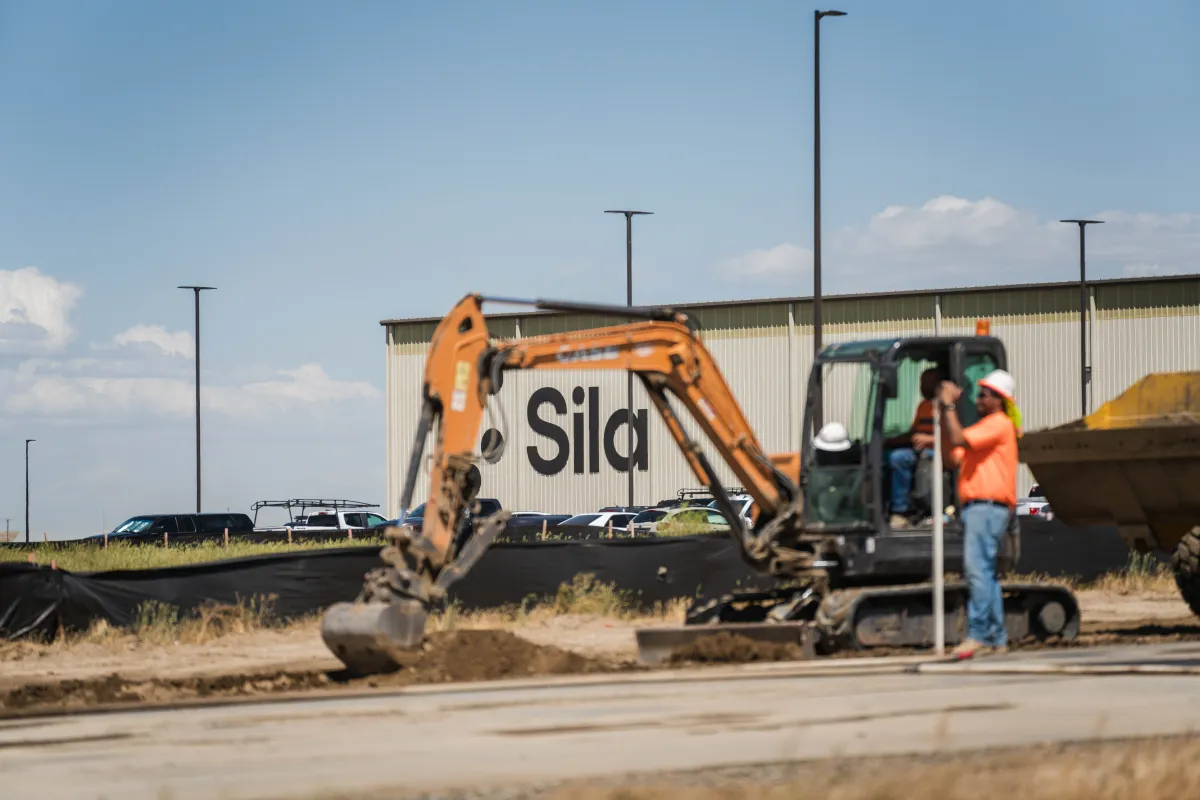
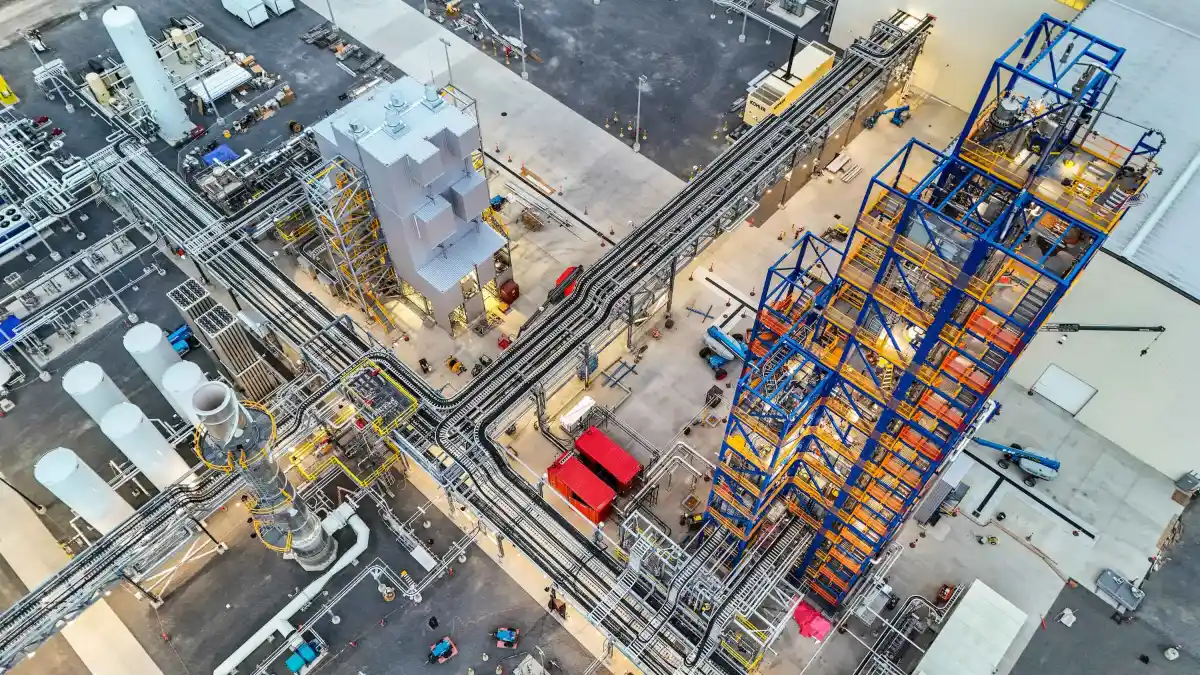
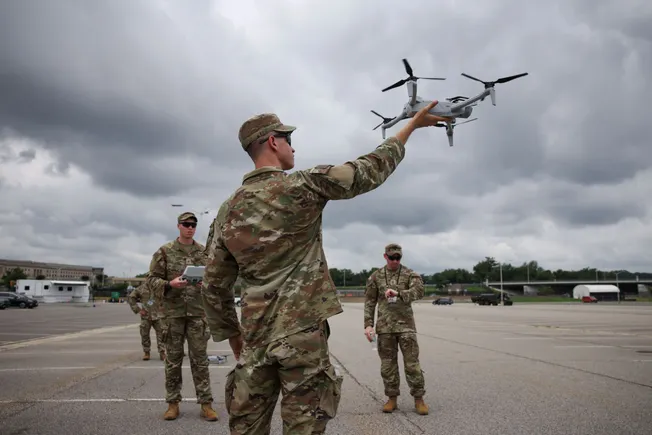
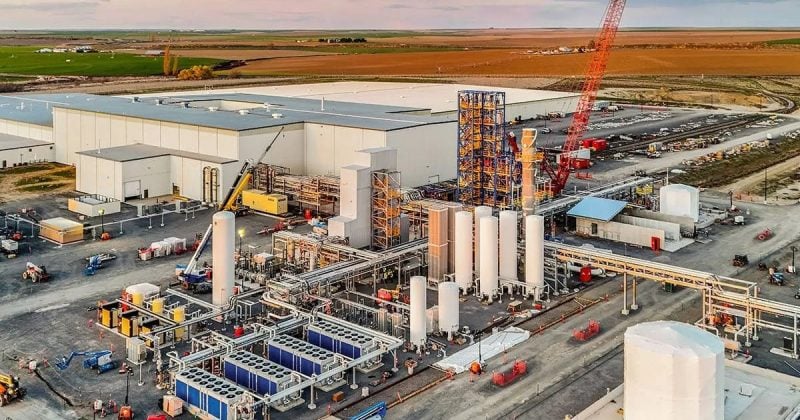
Something is up with the Trump administration and silicon. Last week the big buzz was around a new Department of Commerce incentive program to ratchet up the domestic supply of polysilicon, the key ingredient in solar panels. Of equal if not more significance, last week the Department of Defense also weighed in with a $1.4 billion conditional loan to the US startup Sila, aimed at expanding the company’s initial focus on silicon EV batteries to accommodate the growing demand for drones, autonomous vehicles and other defense applications.
Silicon And The EV Batteries Of The Future
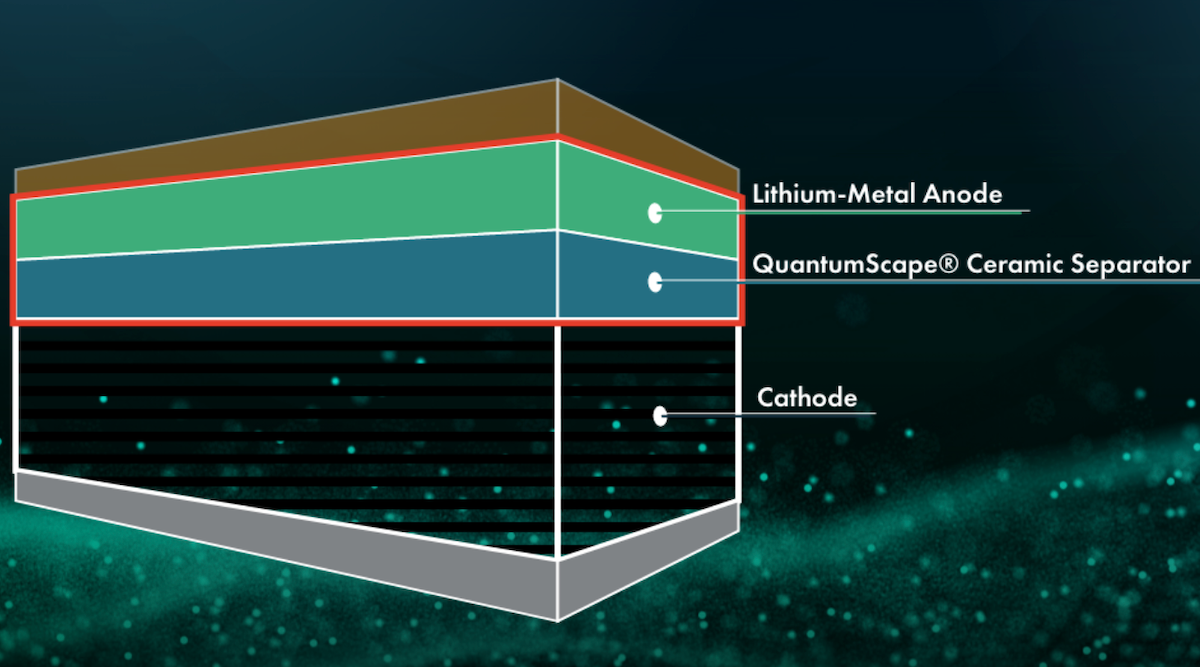
With China currently dominating the supply of processed graphite on the global market, the hunt is on for alternative battery materials that can be produced domestically. Synthetic graphite is one workaround. Silicon is another, and it promises a bigger payoff. When applied to the anode of EV batteries, silicon can deliver faster charging times, longer range, and lighter weight than the traditional lithium-ion formula, which deploys a graphite anode (see more silicon battery background here).