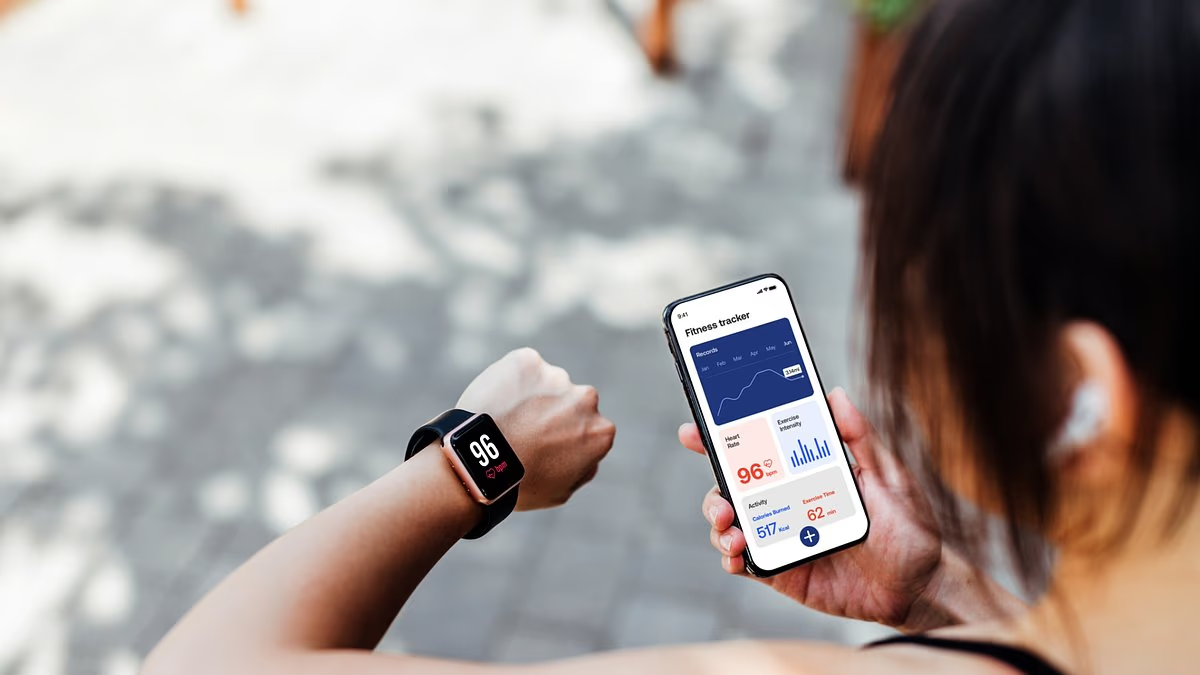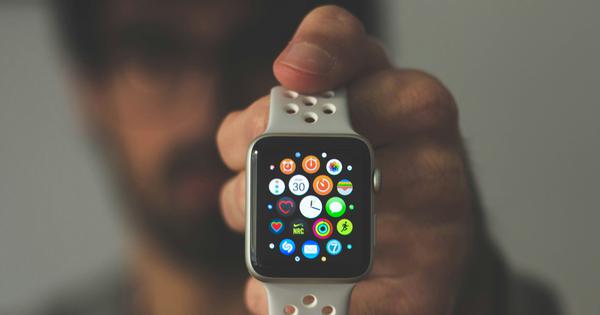
My muscles are still shaking as I open an app on my phone to assess my workout data. I’m not about to find out how my heart rate or how many calories I’ve burned in my 53-minute weights session, but how much sweat and sodium I’ve lost (750ml of sweat and 508mg sodium, “similar to eating one large pretzel,” if you’re interested.)
The hydration tracker I’m wearing might not be glamorous but feels weirdly on trend in this summer of World Cup hydration breaks and never-ending heatwaves. How much we’re drinking, and sweating, seems to be on everyone’s mind.
Which is good, says sports medicine consultant Dr George Bownes, founder of sports clinic Citius Health, given many of us don’t drink enough water – a problem compounded by air-conditioned offices and shops, which might offer relief but reduce humidity and therefore increase water loss from the body. A 2023 study of 1,112 adults found that 40 per cent were inadequately hydrated. Dehydration affects every aspect of our physical and mental health, from energy to muscle function.
Shorts
“Every cell in the body has water in it. If your cells aren’t full of water the chemical reactions in them can’t happen as efficiently,” says Bownes. “You can’t focus in the same way. Your likelihood of upper respiratory tract infections increases. To optimise our health, we need to stay hydrated.”