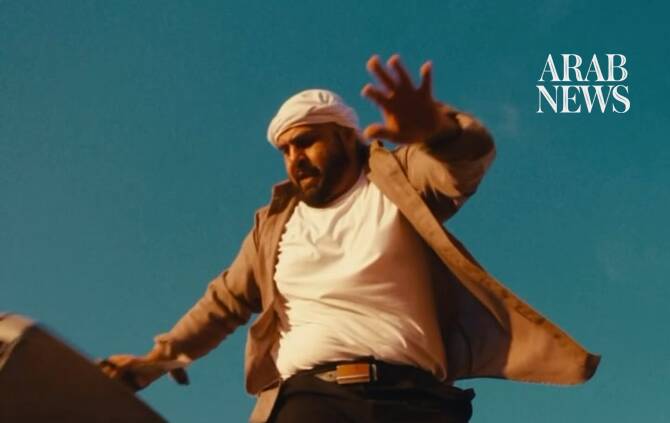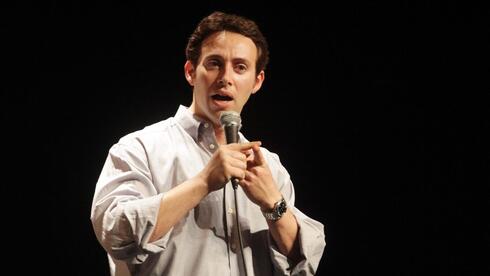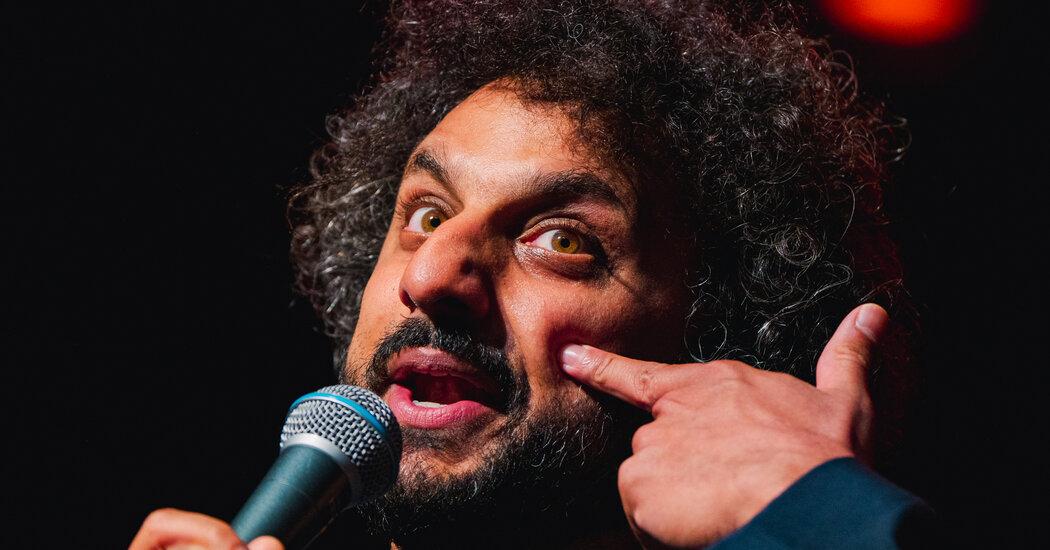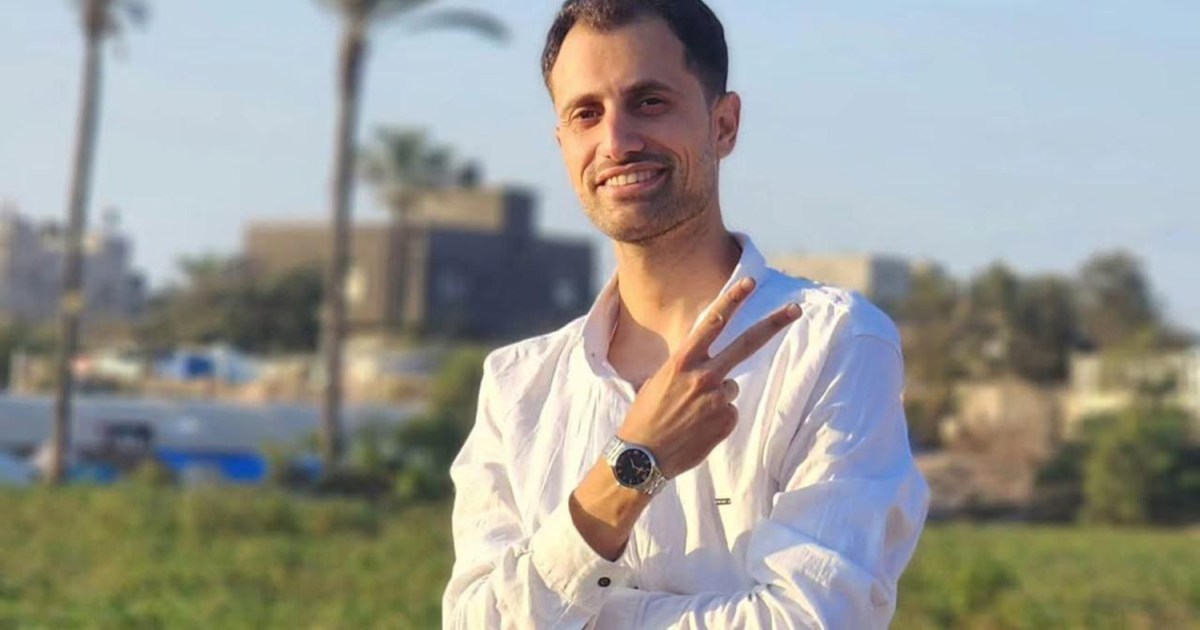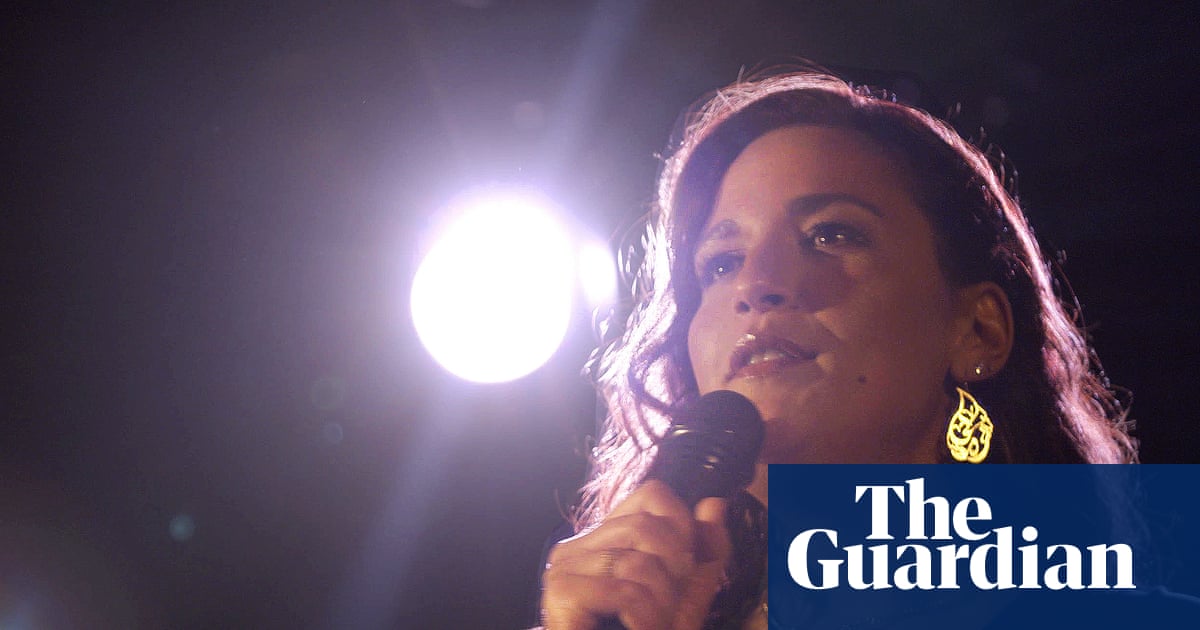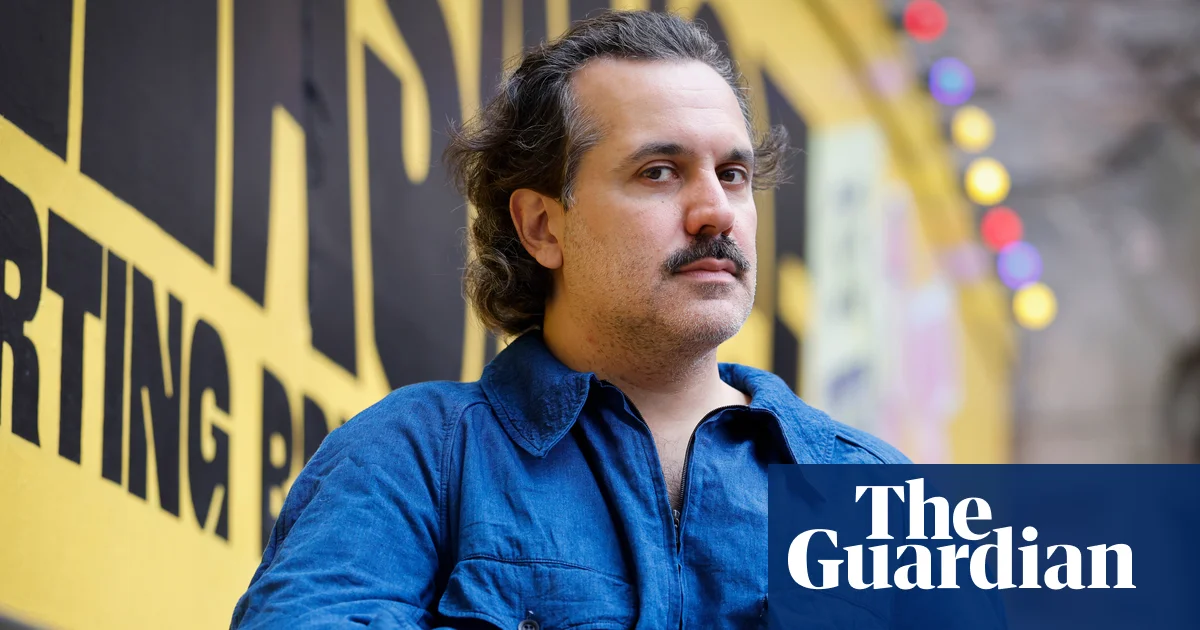
The war in Gaza is a topic many avoid discussing, let alone joke about. But for Palestinian comedians, humour has become an essential tool for keeping life going while loved ones live under occupation and bombardment.“A lot of Palestinian solidarity events are, rightfully, about grieving,” said the British Palestinian comedian Sami Abu Wardeh. “They’ll read out the names of children and all these atrocities, and then you leave depressed. We have to avoid that at all costs.”Instead, Abu Wardeh believes comedy should leave audiences with something different: a feeling of togetherness and, most crucially, hope. “We should feel sad. We should grieve. But we’re the lucky ones. We’re the ones who need to stay mentally up and crack on,” he said. “Comedy is my seed of hope.”Abu Wardeh is part of a growing wave of Palestinian performers in the UK and abroad using comedy to tell their stories of occupation, exile and war. His new Edinburgh fringe show, Sami Abu Wardeh Hates You, opened this week, following last year’s critically acclaimed Palestine: Peace de Resistance.As well as Abu Wardeh, the Palestine Comedy Club is presenting several productions at this year’s Edinburgh fringe, including founder Alaa Shehada’s show The Bridge, and Hanna Shammas Takes it to Heart. Founded in 2022, the collective has helped develop a standup scene in the occupied West Bank while bringing Palestinian voices to UK audiences.Abu Wardeh did not set out to become a comic, but after training as a doctor and working in the NHS for 15 years, he left medicine last year to pursue comedy full time.His comedy, once centred on character clowning, including in his Channel 4 show The Sheikh, shifted dramatically after the outbreak of the war in Gaza. In June, an independent UN inquiry concluded that Israel was continuing to commit genocide against Palestinians in Gaza, citing the deliberate targeting of civilians, including children.“Early on in the genocide, I committed the cardinal sin of comedy: I turned on my audience,” he said. After telling a joke that fell flat, “I literally said: ‘What’s wrong? There’s a genocide happening.’ I left that gig very upset. It was very isolating.”Over time, he learned to better channel that anger during his performances. “My late director, Adam Brace, consistently described my comedy as dangerous,” he said. “I think there’s been a burning anger inside me for most of my life that I’ve not been able to express. It’s only in the last year or so that I’ve found a way to bottle that fire.”He said that, for him, comedy served two purposes. “I want them to go away thinking: ‘That was a comedy show.’ Ideally: ‘That was a brilliant comedy show.’ But the second thing, which is becoming just as important, is that I was truthful.”And what does it mean to be truthful? “I have a choice. I can go on stage and I could not speak a word about Palestine.”In fact, many people in the industry had suggested that simply being Palestinian was enough, he said. “But if I go on stage and I don’t talk about it, I will be dying. I will be a husk of a human being.”That same commitment to telling Palestinian stories through comedy is shared by Diana Sweity, a Palestinian actor, puppeteer and comedian from the south of Hebron.skip past newsletter promotionafter newsletter promotionDiana Sweity (left) with other members of the Palestine Comedy Club. Photograph: Alaa Aliabdallah/RegashotsSweity, who founded the Fridge Theater mobile puppet show, is also a member of the Palestine Comedy Club, which features in a documentary released in UK cinemas earlier this year. The film follows the collective’s comedians as they perform across Palestine, bringing their experiences of life under occupation and war.When she performs for other Palestinians, there is a shared recognition. “When you see a comedy show, you feel a little bit calm. You change your mood. But it doesn’t cancel the pain or the suffering. It makes life a mix between love and sadness.”Though she wants to make people laugh, she admits she struggles with the subject matter while on stage. “We laugh about our suffering, but it’s suffering. We laugh about the war, but it’s war. We laugh about what happened in Palestine and Gaza, but it’s the life of the Palestinian people.’”Sweity performed in Scotland last year and is due to return next year. The international audience is often left stunned. “They don’t know whether to laugh or cry,” she said. “They saw the war many times on television. But this time I bring, in front of them, another perspective.”She believes this shared laughter is important. “Laughing is an international language. In Palestine they laugh about this subject, in Britain or in Scotland they laugh about this subject.”Comedy, she said, gave people “spirit” and helped them “keep the hope”. But, perhaps most importantly, it allowed Palestinians to speak for themselves, rather than be spoken about.“We can speak about suffering. We can spread our voice to the world. We can tell our stories,” she said. “You tell your story to the world and you survive.”
‘Comedy is my seed of hope’: UK Palestinian comic Sami Abu Wardeh on his Edinburgh show
A growing wave of Palestinian performers are using comedy to tell their stories of occupation, exile and war
843 words~4 min read