The Real Cost of the Military’s Pacific Buildup
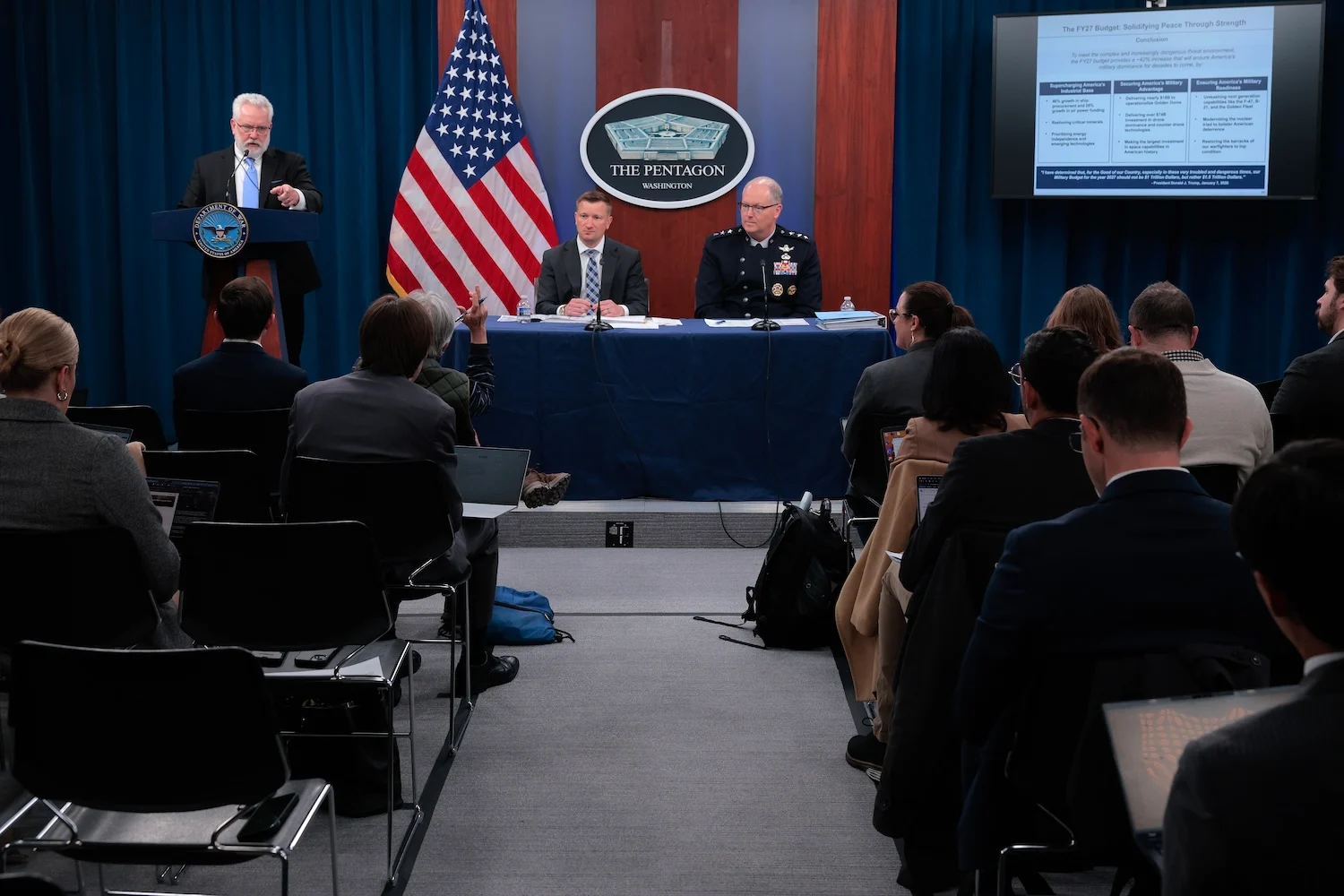
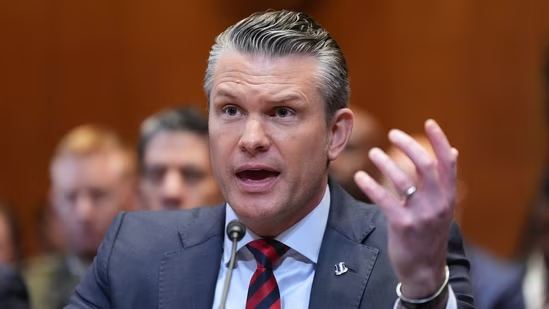
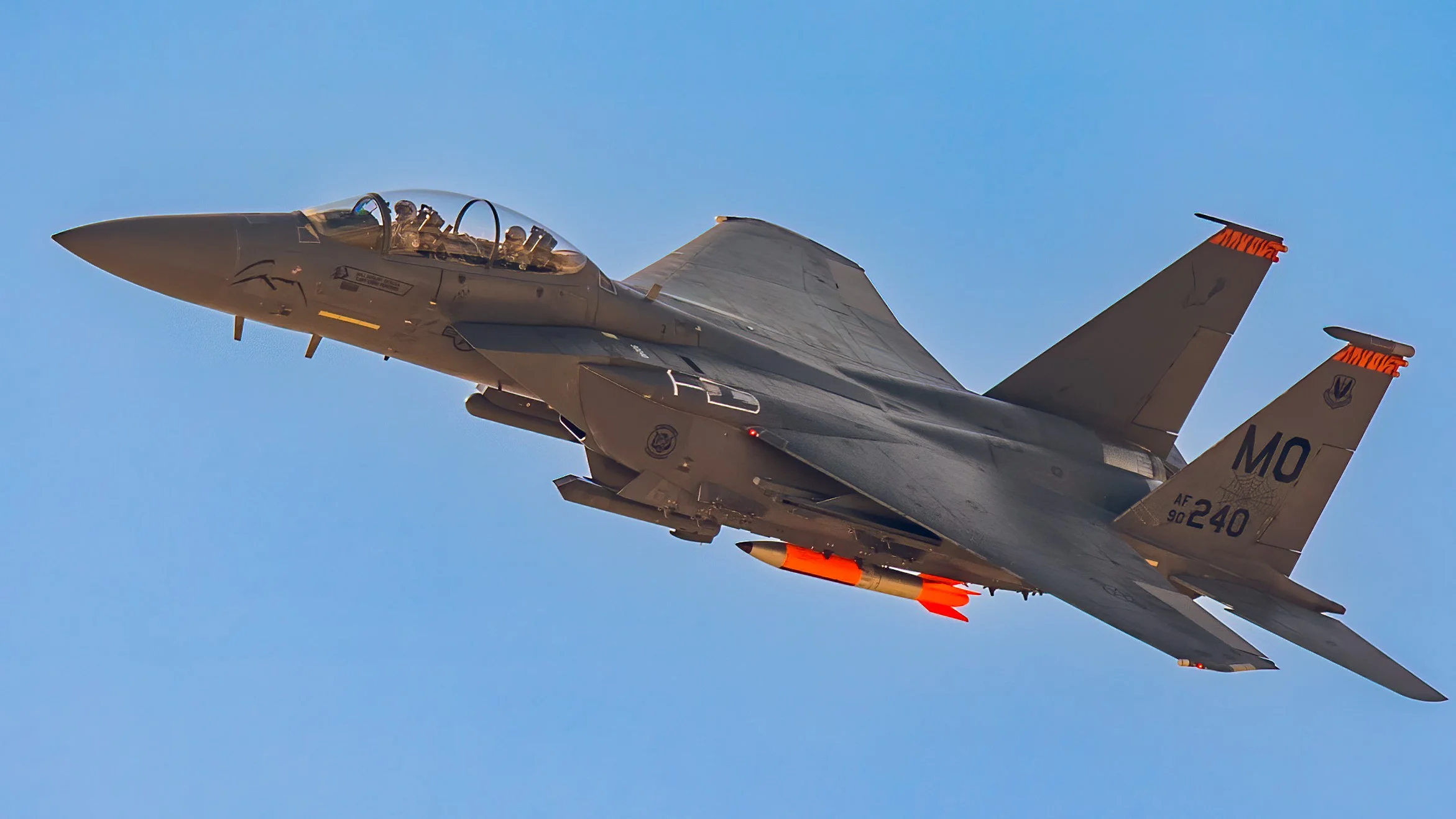
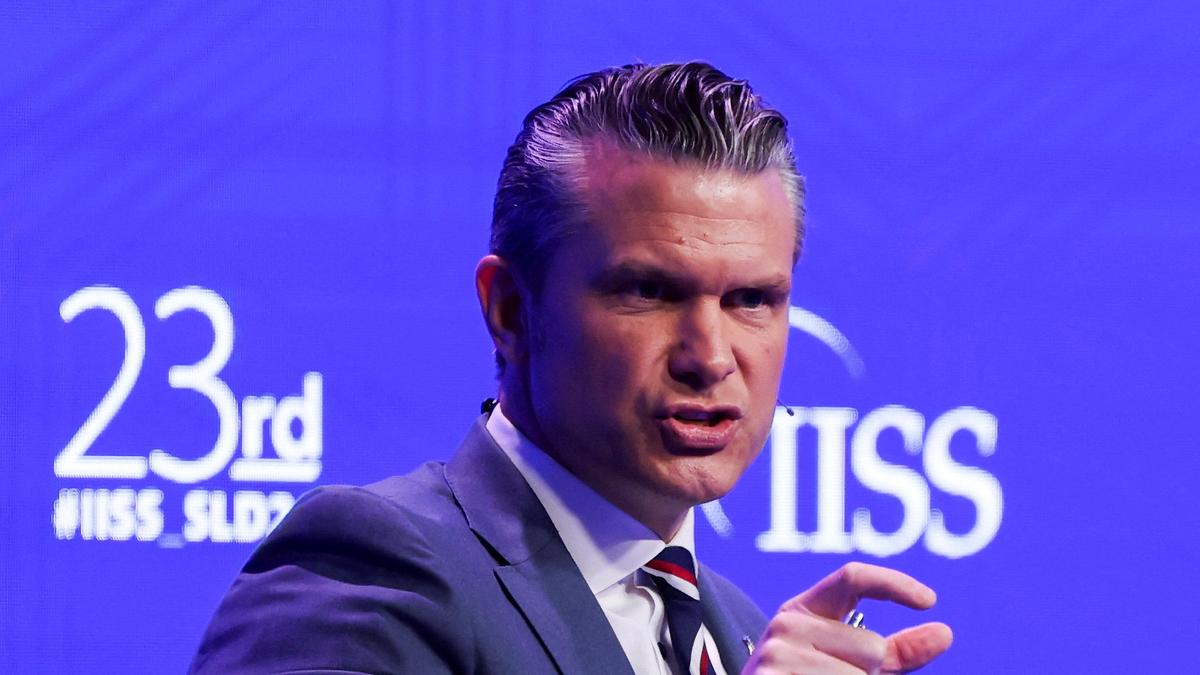
President Donald Trump and self-styled Secretary of War Pete Hegseth are pushing for a post-World War II record $1.6 trillion Pentagon budget for next year, a sum so obscenely high that it is almost impossible to comprehend. The proposed $600 billion increase alone is almost twice the total annual military budget of America’s closest rival, China.
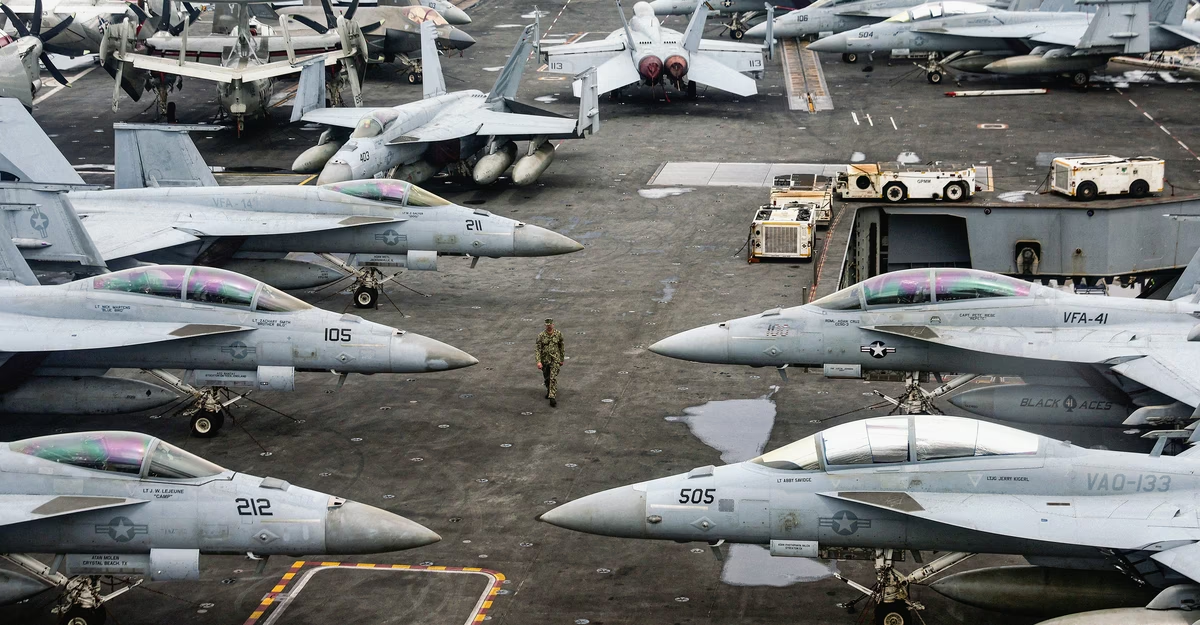
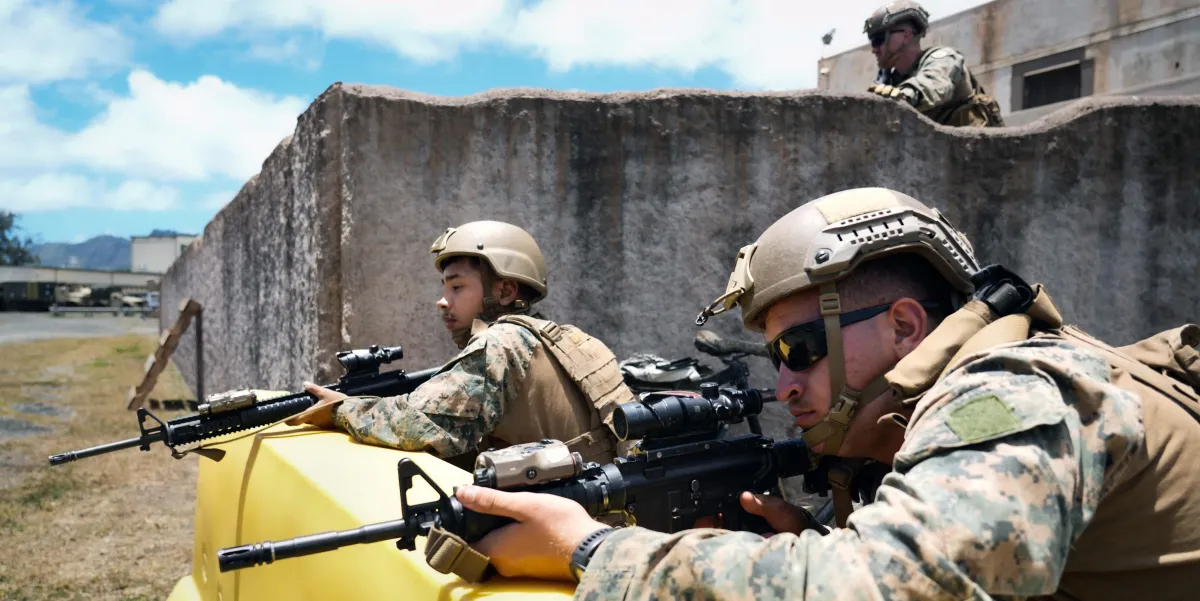
That supposed rivalry, despite the big spending gap, makes China central to justifying the Pentagon’s bloated budget. And Hawaiʻi is, in turn, central to the Trump administration’s Indo-Pacific military strategy which assumes that deterring China requires a forward, offensive strike posture anchored by the archipelago. This not only puts a target on Hawaiʻi — as was the case during World War II, when Pearl Harbor was attacked by Japan — but it also deepens long-standing economic hardships and environmental degradation produced by more than a century of U.S. military occupation, according to “The True Cost of the U.S. Military in Hawaiʻi,” a new report by the Institute for Policy Studies.
The report finds that as the Pentagon has shoved Hawaiʻi toward the front lines of a potential nuclear conflict, it has also poisoned the islands’ land and waters, lied about its economic benefits, tied Hawaiʻi’s financial well-being to an inefficient use of tax dollars, and failed to pay more than $130 billion in back rent. And now the Trump administration is extending its buildup in Hawaiʻi — which has long “been central to the architecture of U.S. imperial power” to expand facilities, build new bases, and secure access to air and naval bases from Guam to the Pacific island chain to the Philippines to Australia. And these moves in the Pacific are just one part of that multifaceted $600 billion boost being sought for the Pentagon.