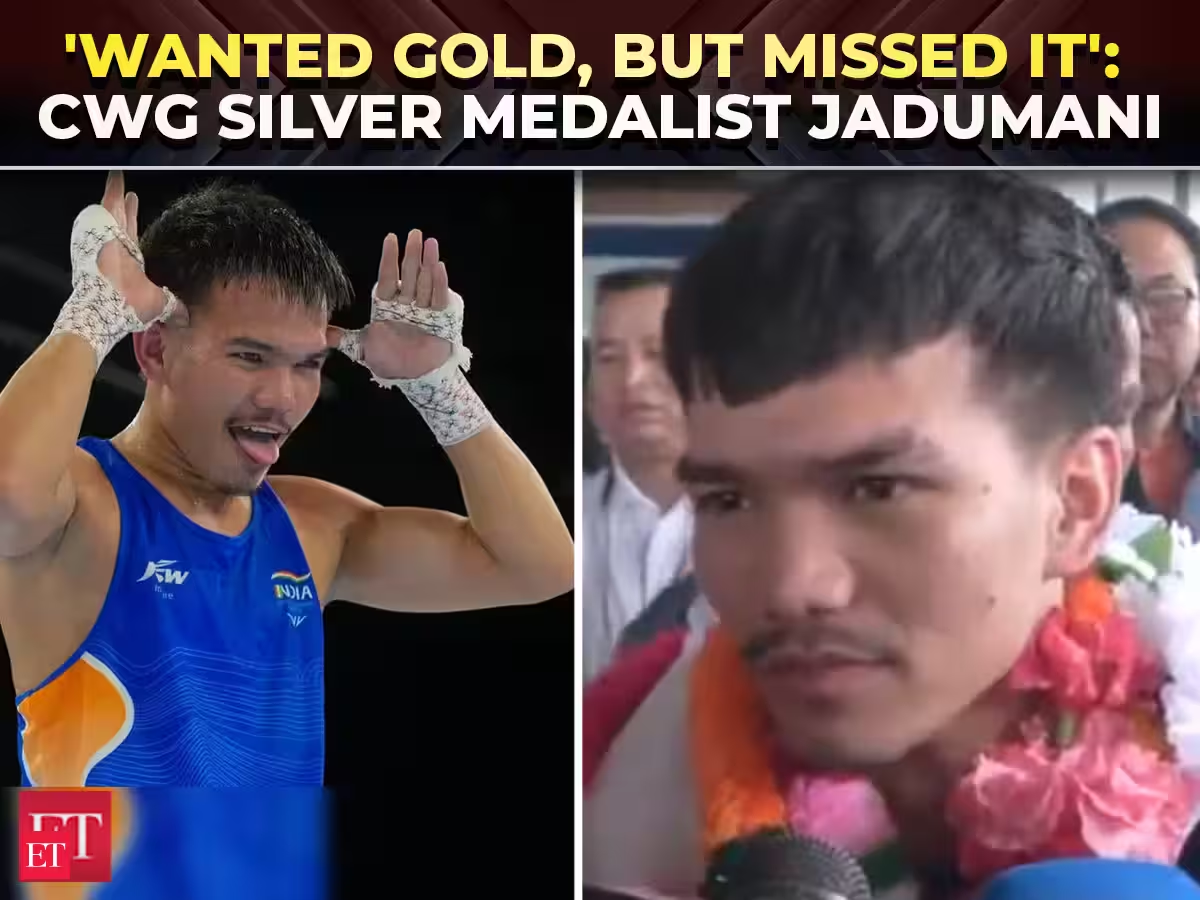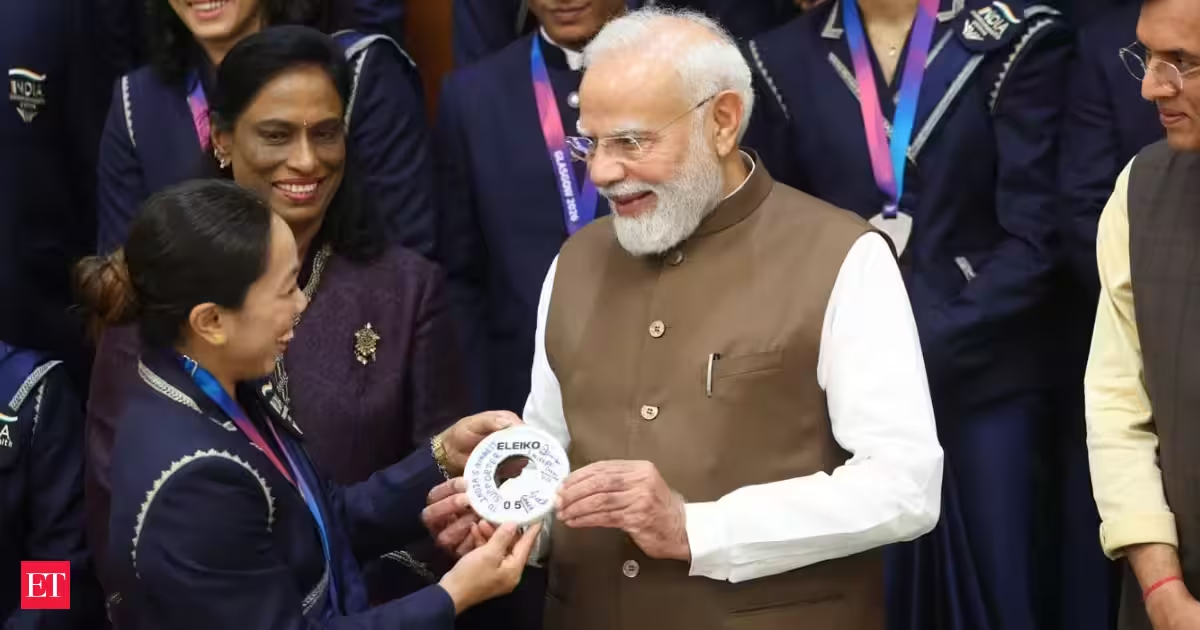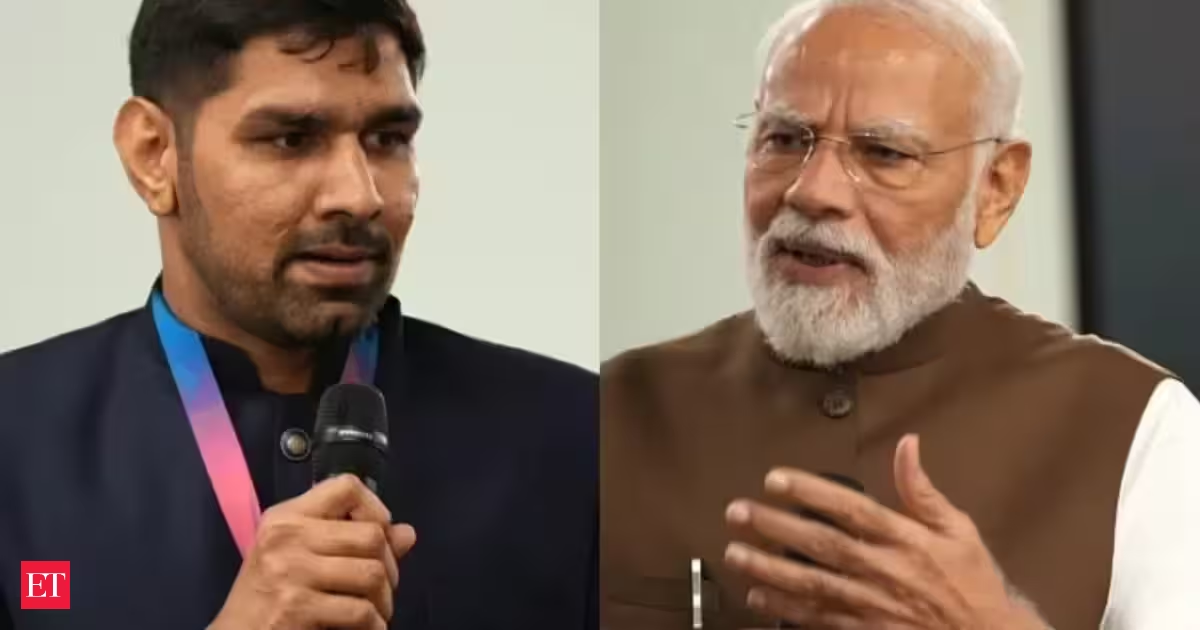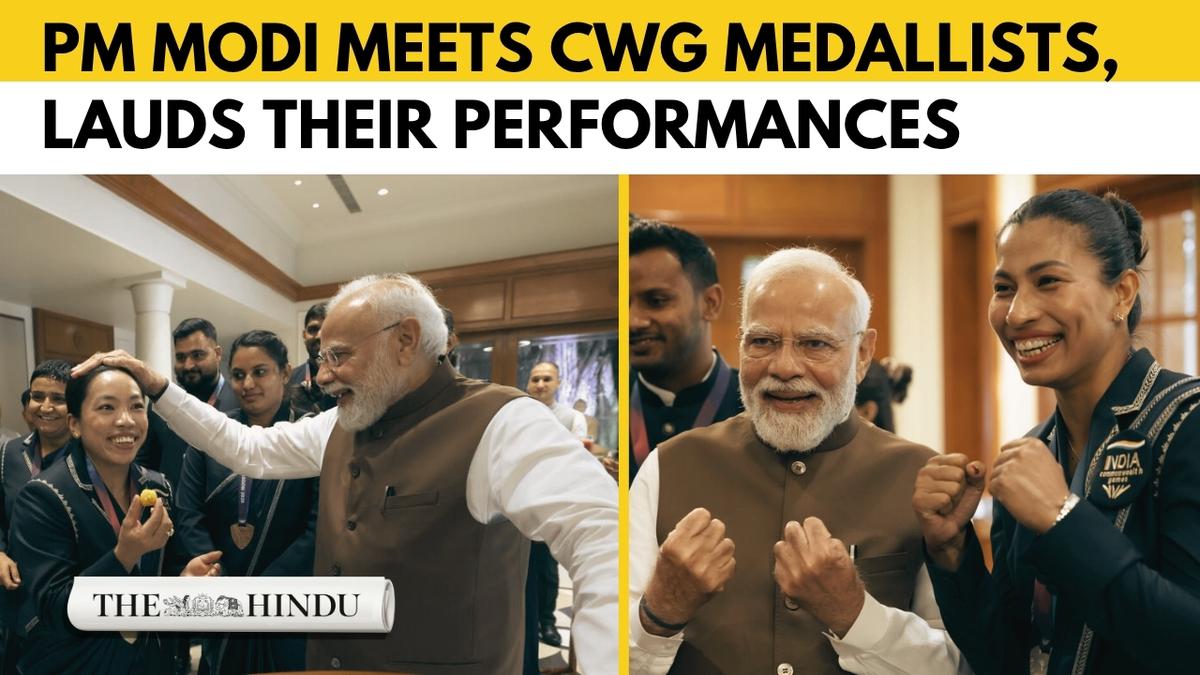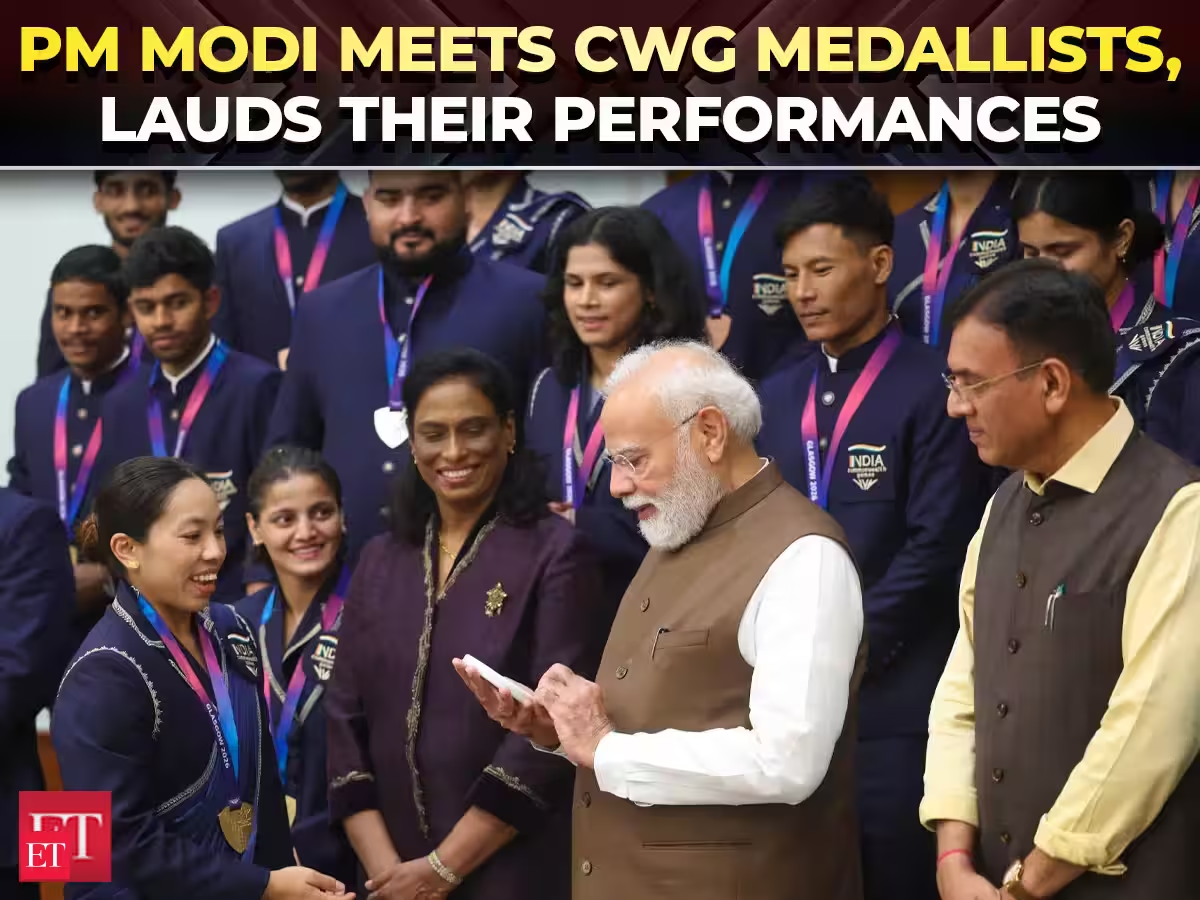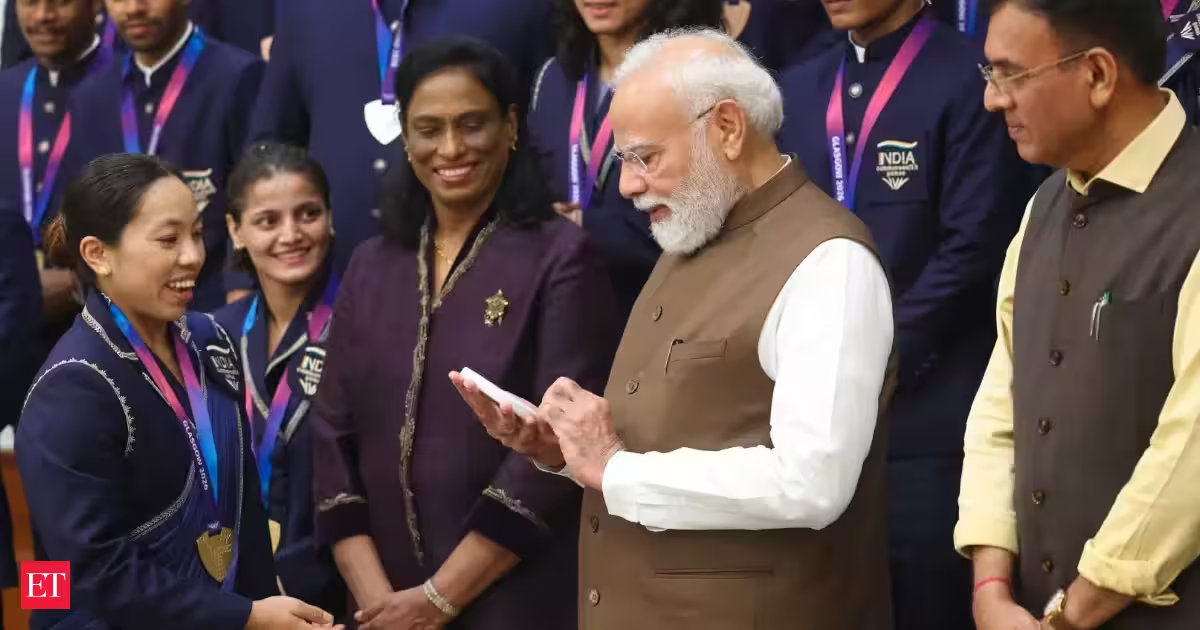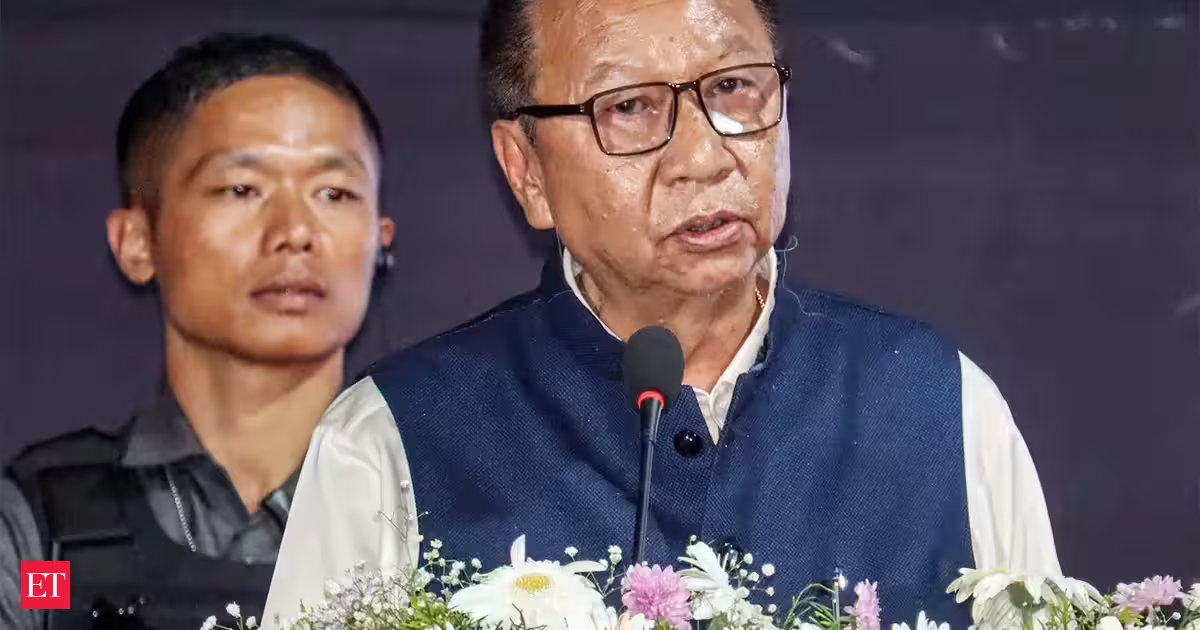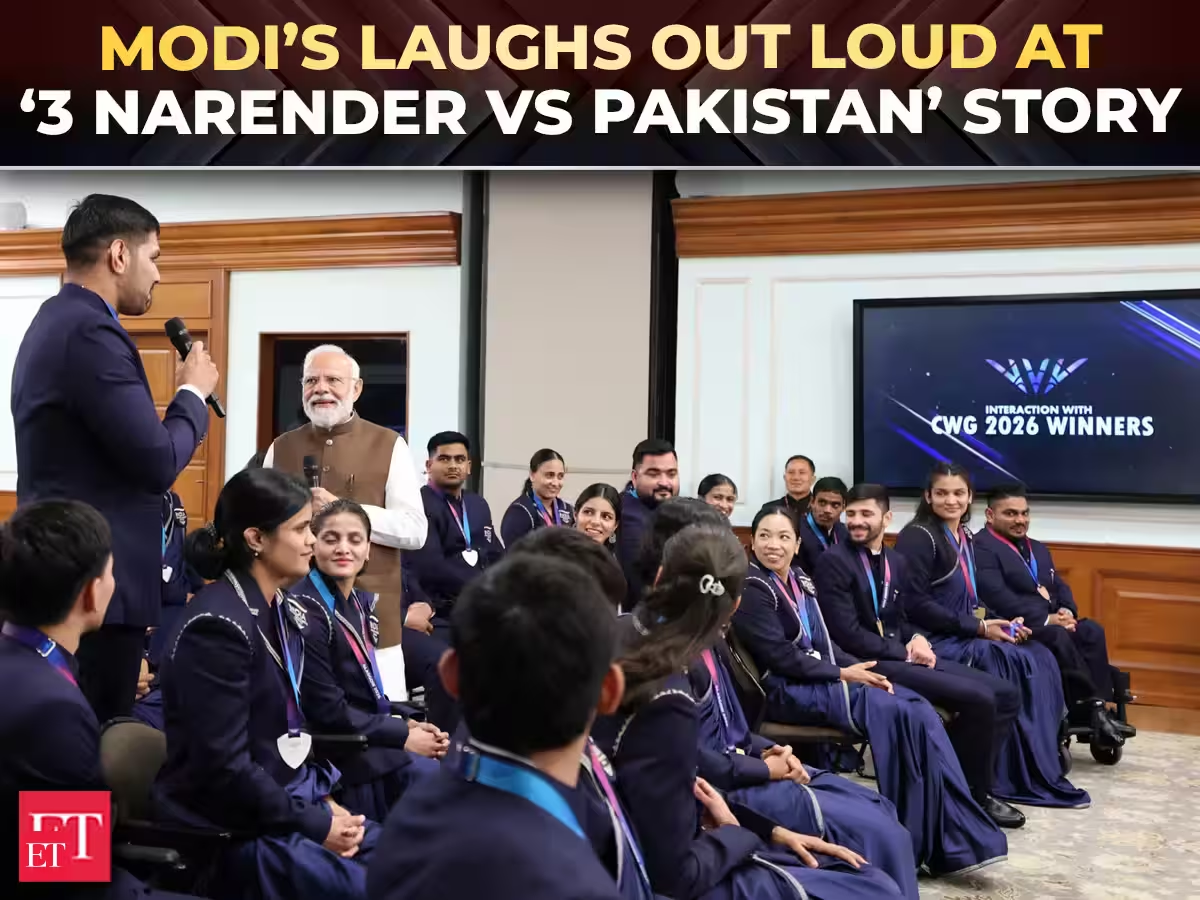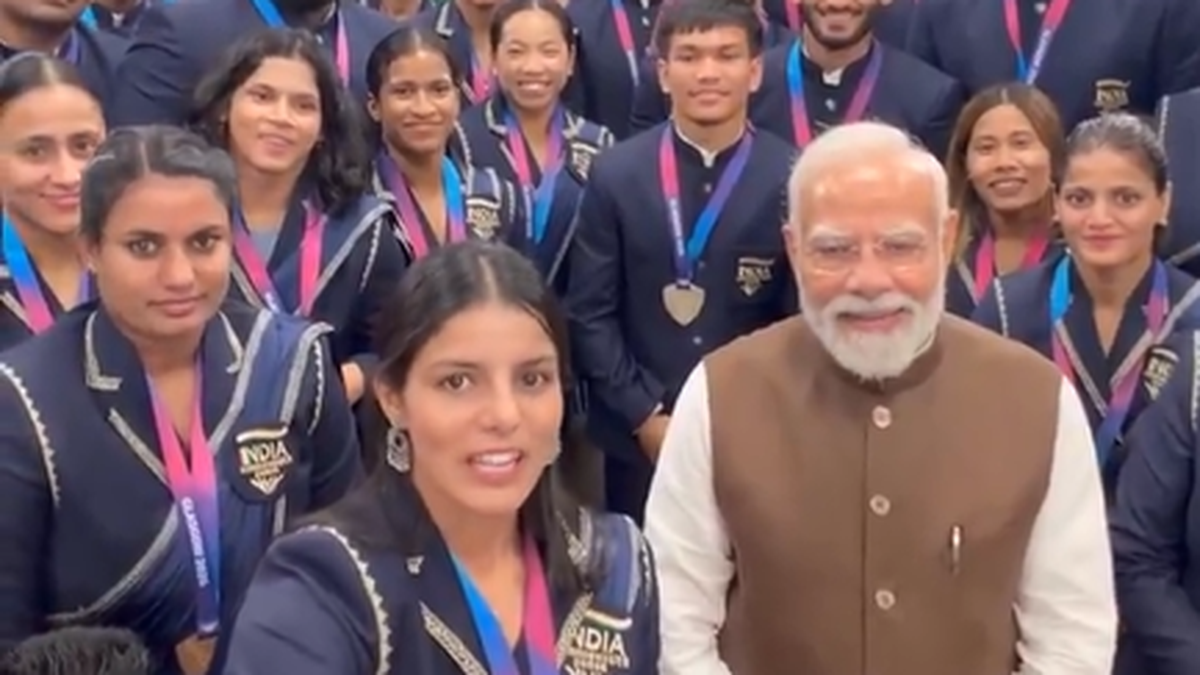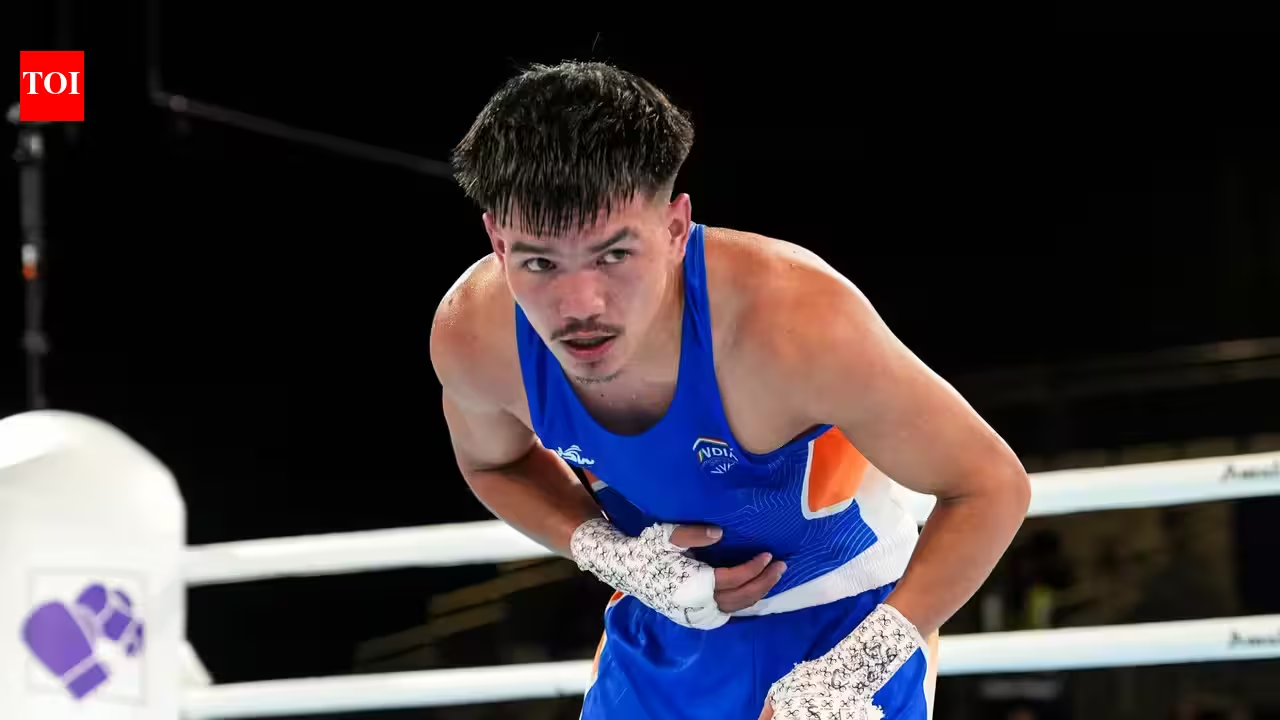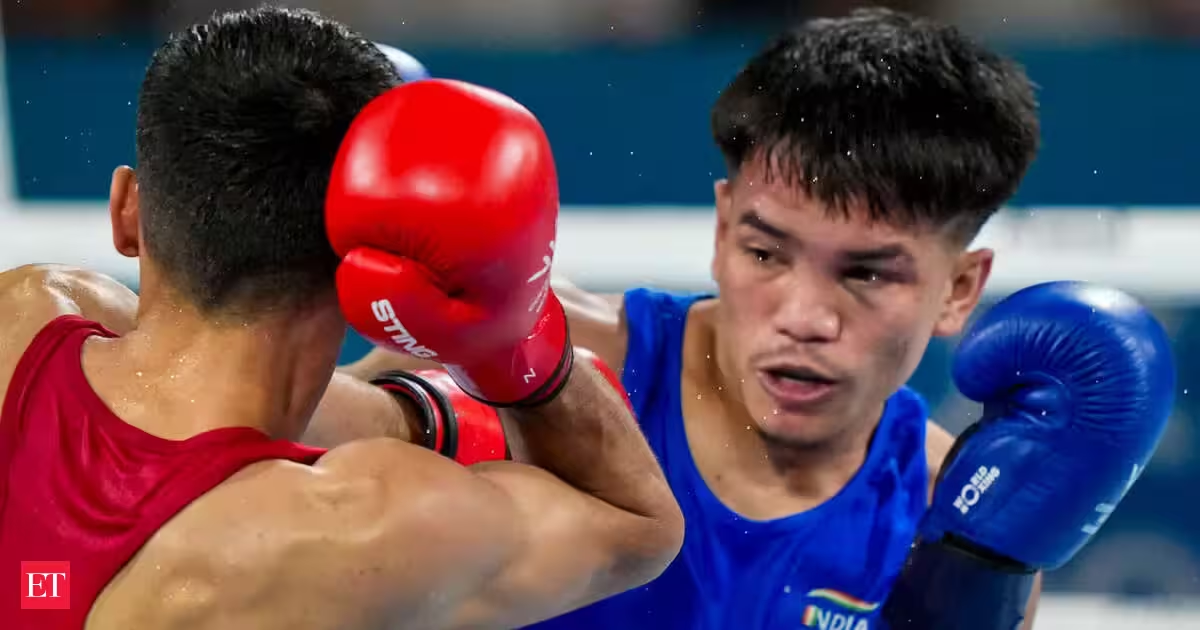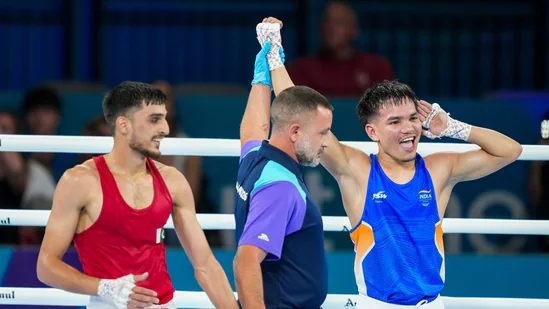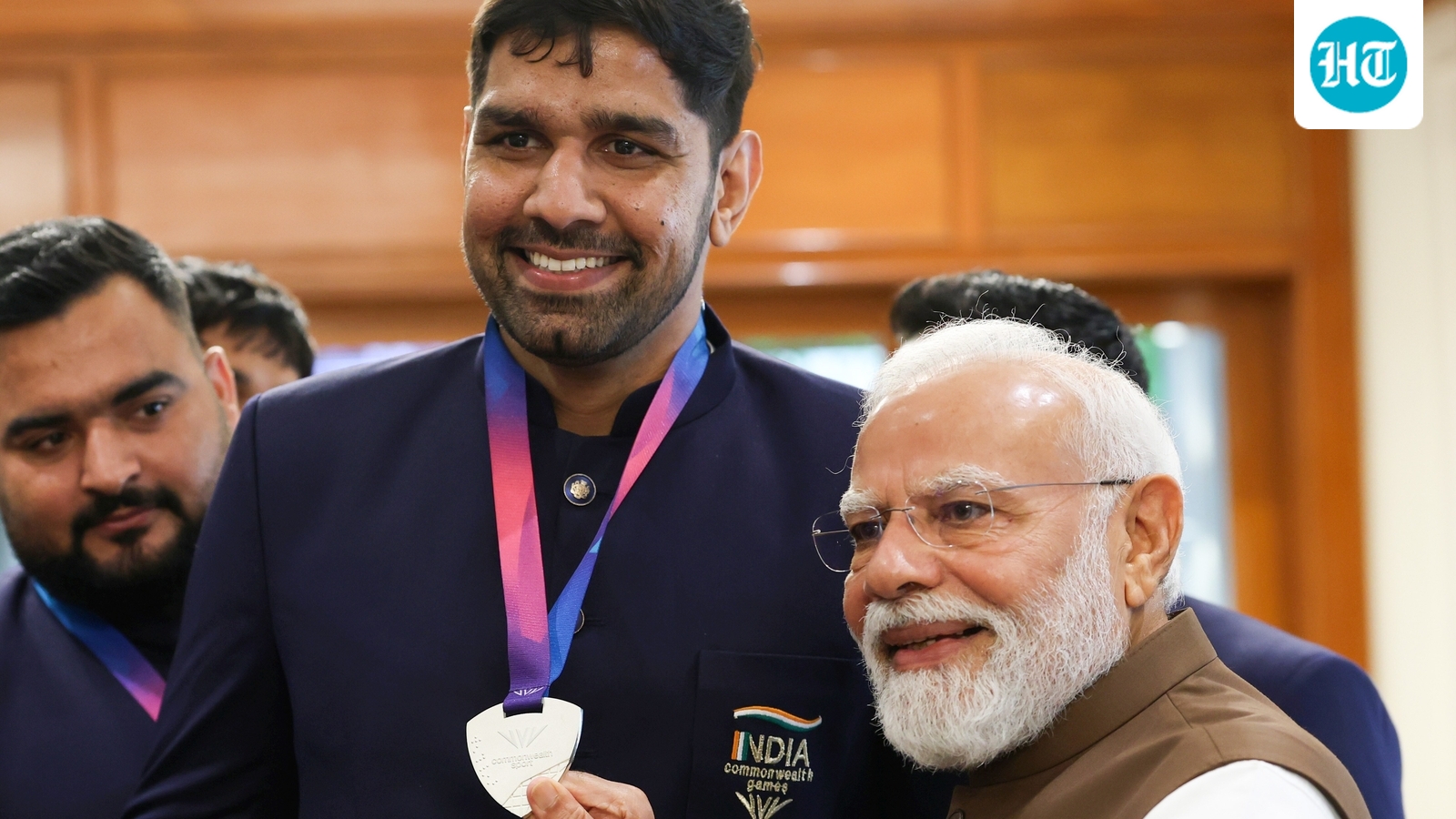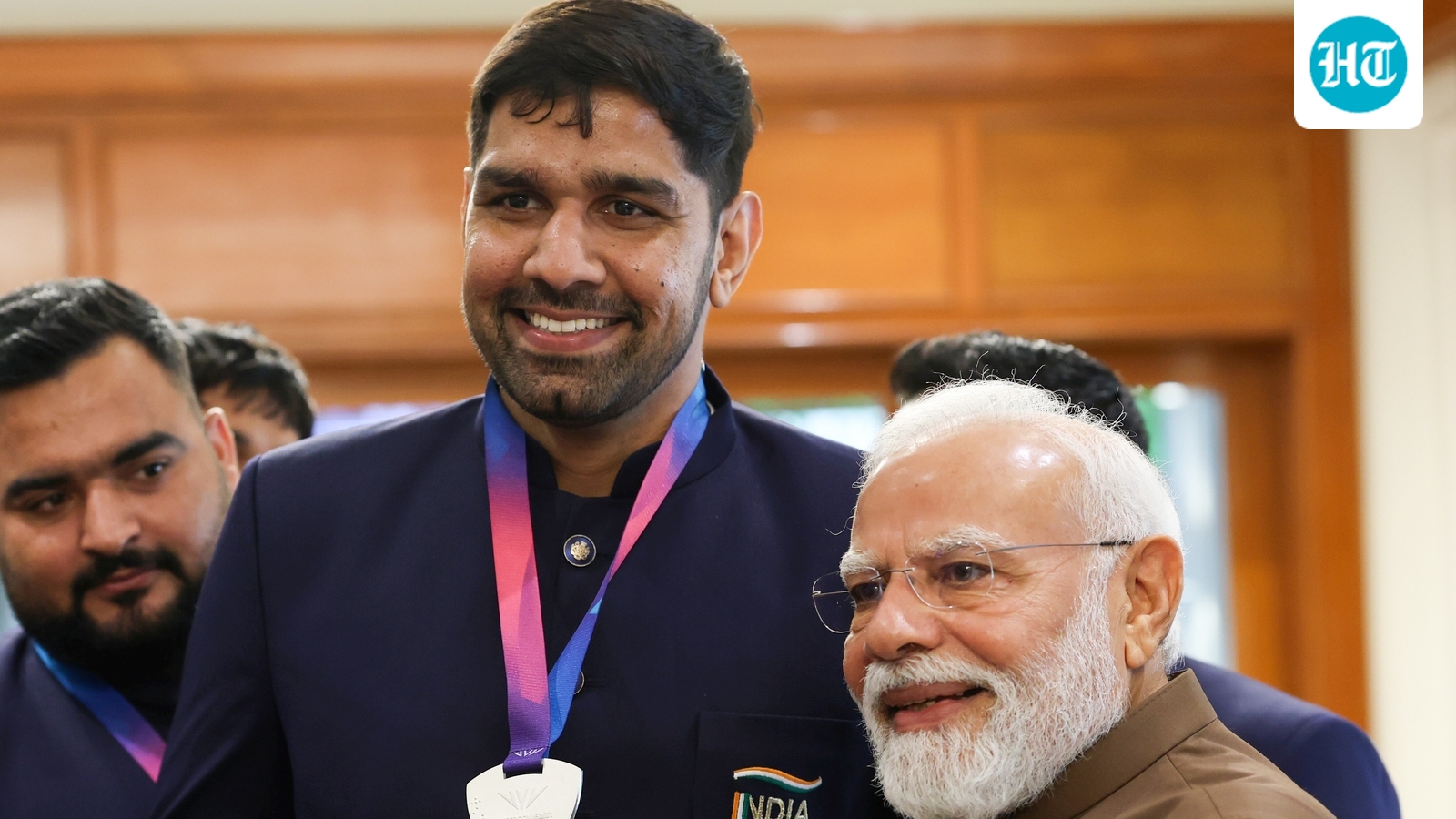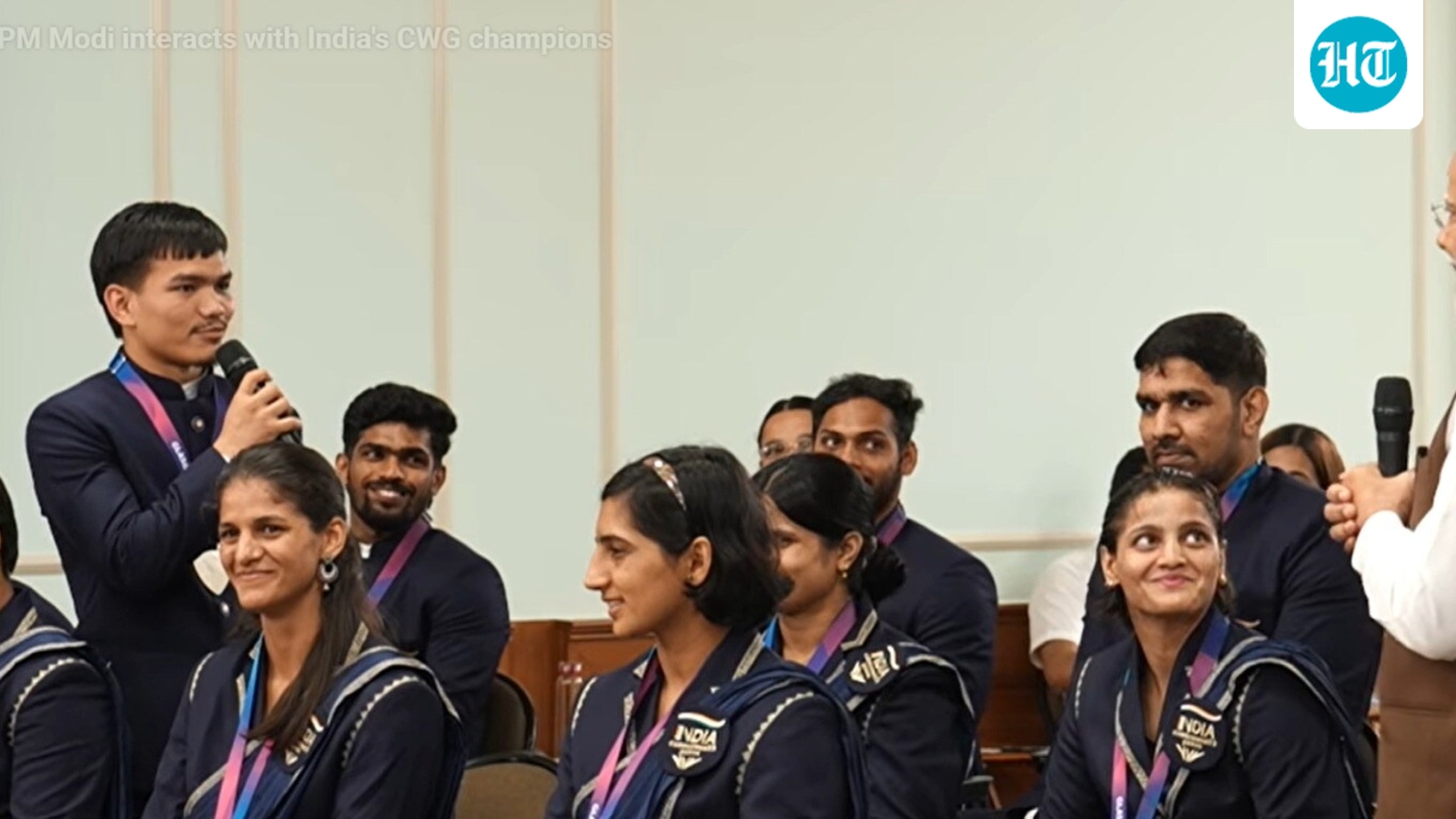
Narendra Modi hailed Army boxer Jadumani SIngh after he recalled his 5-0 win over Pakistan on Kargil Vijay Diwas at the Commonwealth Games. Indian Army boxer Mandengbam Jadumani Singh’s emphatic Commonwealth Games victory over a Pakistani opponent on Kargil Vijay Diwas found its way into his interaction with Prime Minister Narendra Modi, who hailed both the result and the sentiment behind the boxer dedicating it to India’s Kargil heroes.Jadumani Singh interacting with Prime Minister Narendra Modi (Screengrab from YouTube)Modi interacted with India’s Glasgow 2026 Commonwealth Games medallists at his official residence at 7 Lok Kalyan Marg in New Delhi on Sunday. Jadumani, who returned from the Games with a silver medal in the men’s 55kg boxing competition, was among the athletes who shared stories from their campaigns.For Jadumani, one particular fight carried significance far beyond progression in the tournament. The 22-year-old faced Pakistan’s Sumama Rehman in the round of 16 on July 26 — Kargil Vijay Diwas, which commemorates India’s victory in the 1999 Kargil War.Jadumani, who serves with the Indian Army, defeated Rehman by a unanimous 5-0 decision. All five judges awarded the contest to the Indian, sending him through to the quarter-finals. Speaking to Modi about the bout, Jadumani revealed that the coincidence of facing a Pakistani boxer on Kargil Vijay Diwas had given him additional motivation.“It was Kargil Vijay Diwas. And, sir, the day I faced Pakistan was the same day,” Jadumani told Modi. “Since I am from the Indian Army, I was already very determined that day that I had to defeat Pakistan. I did that. I defeated Pakistan 5-0 and dedicated it to our Indian Army’s Kargil heroes.”Modi responds to Jadumani’s Kargil dedicationModi highlighted the significance of an Army boxer remembering India’s soldiers while representing the country at the Commonwealth Games. “You remembered that, and since you yourself are from the forces, the sentiment you expressed for the brave soldiers of the country — when you said that you dedicate your medal to the victors of Kargil — added even greater glory to that victory,” Modi told him.The Prime Minister then made a pointed reference to the identity of Jadumani’s opponent. “And you defeated the very opponent who had to be defeated,” Modi said, referring to Pakistan.Jadumani’s remarks during the interaction were consistent with what he had said immediately after beating Rehman in Glasgow. Following the contest, he had dedicated his victory to the Kargil heroes and spoken about the satisfaction of defeating a Pakistani opponent on the commemorative day.Also Read: ‘Mujhe Narendra naam se nafrat ho gayi hai’: Indian boxer tells Modi what Pakistan pugilist said at World Military GamesThe 5-0 score referred to a unanimous decision rather than a points tally, with all five judges ruling in Jadumani’s favour. Jadumani continued his impressive run after the Pakistan bout. He defeated Zambia’s Mwengo Mwale unanimously in the quarter-finals and Namibia’s Philip Pumulo Mutakela Haoseb by another 5-0 decision in the semi-finals to reach the gold-medal contest.His unbeaten run eventually ended in the final, where Australia’s Jye Dixon secured a unanimous decision, leaving Jadumani with the silver medal. But among the several bouts that took him to the Commonwealth Games podium, it was the July 26 victory that acquired a special place in his campaign — an Indian Army boxer facing Pakistan on Kargil Vijay Diwas, winning unanimously and dedicating the moment to the soldiers whose victory the day commemorates.Probuddha Bhattacharjee is a sports writer and analyst with expertise spanning cricket, football, and multi-sport events, with a strong emphasis on data-driven journalism and tactical storytelling. He currently focuses on international cricket, the Indian Premier League, global tournaments, and emerging trends shaping modern sport, blending advanced statistics with strong narrative context to explain performance, strategy, and decision-making. His work aims to bridge the gap between numbers and storytelling, helping readers understand not just what happened on the field, but the tactical and structural reasons behind it.
‘Jisko parajit karna tha usiko kiya apne’: PM Narendra Modi hails Jadumani Singh's 5-0 win over Pakistan on Kargil Day
Narendra Modi hailed Army boxer Jadumani SIngh after he recalled his 5-0 win over Pakistan on Kargil Vijay Diwas at the Commonwealth Games.
883 words~4 min read