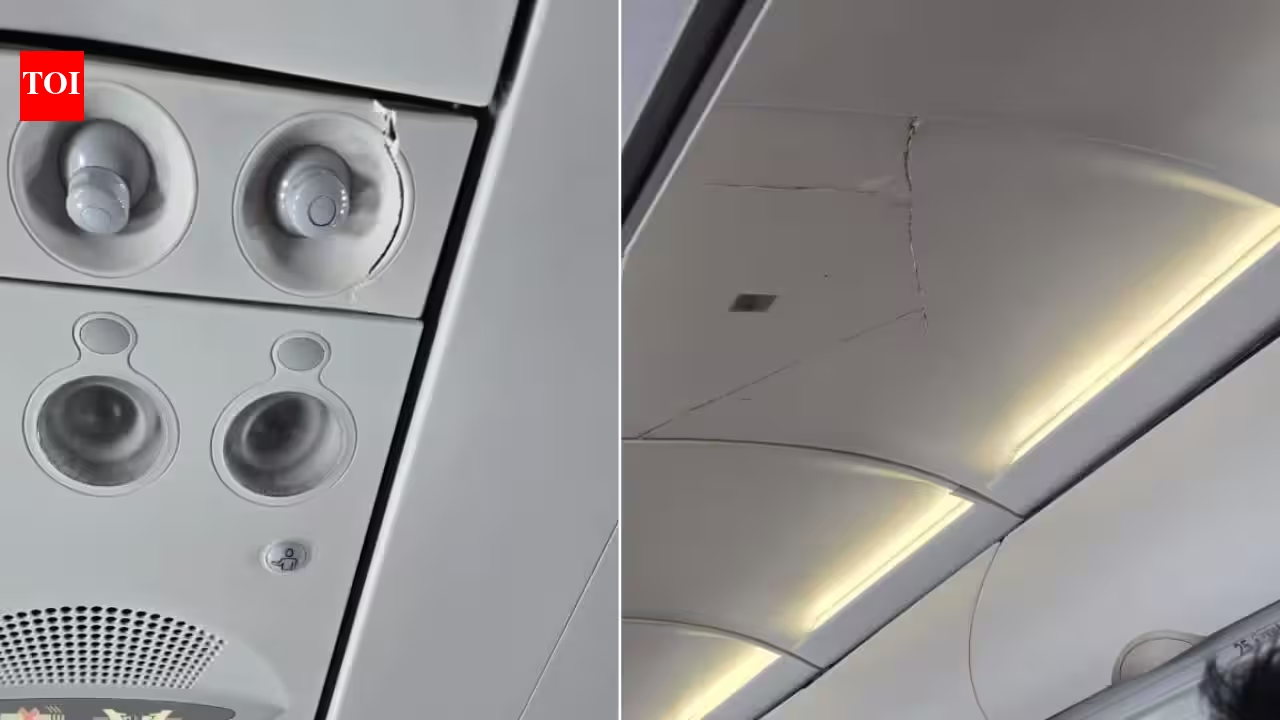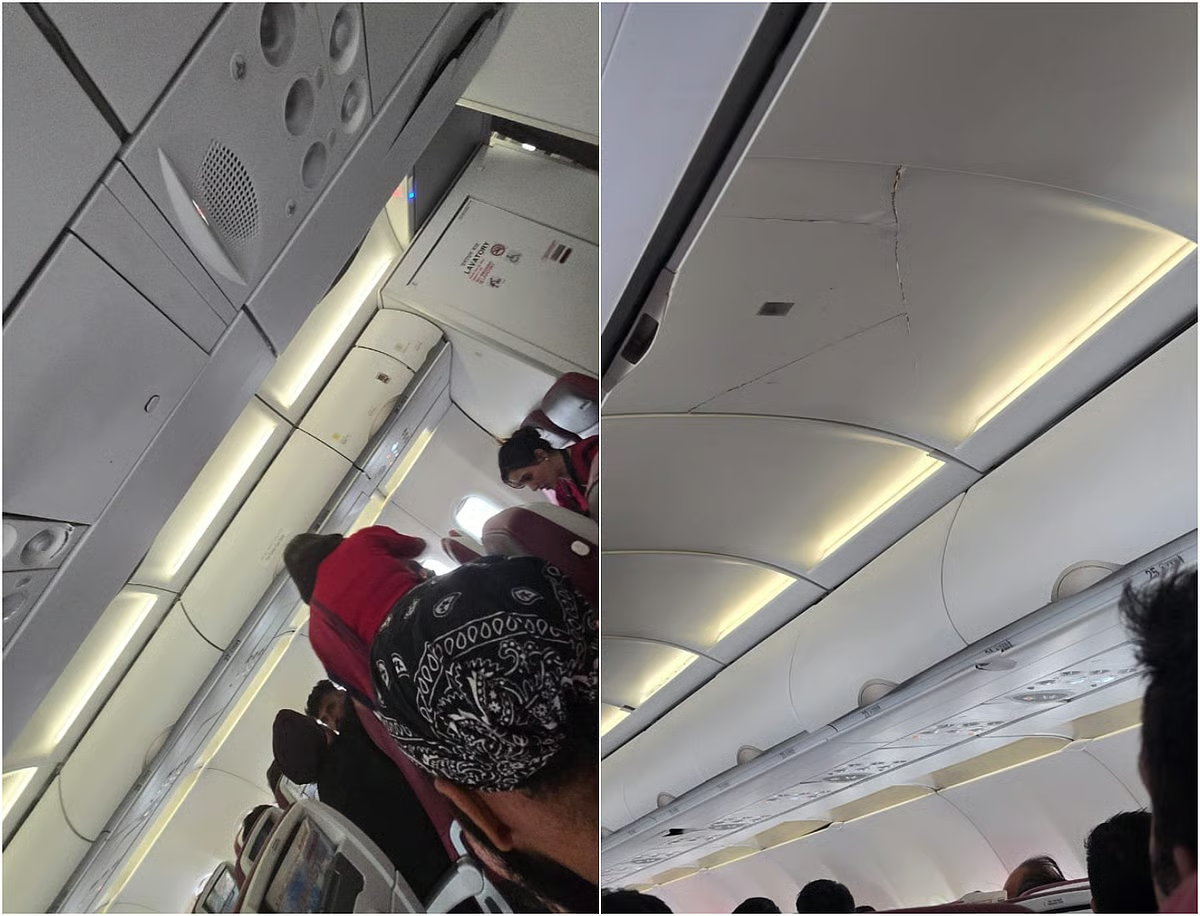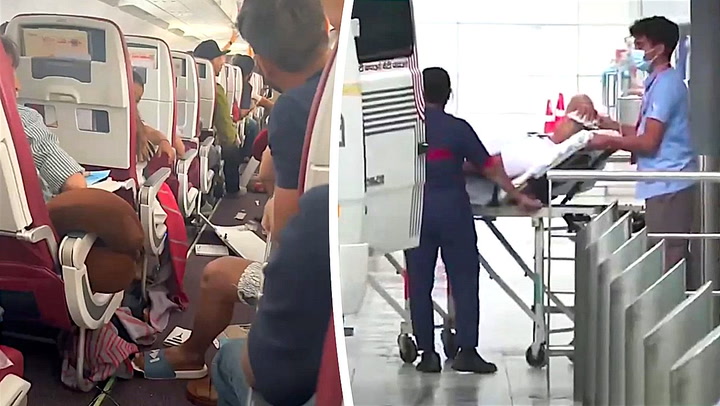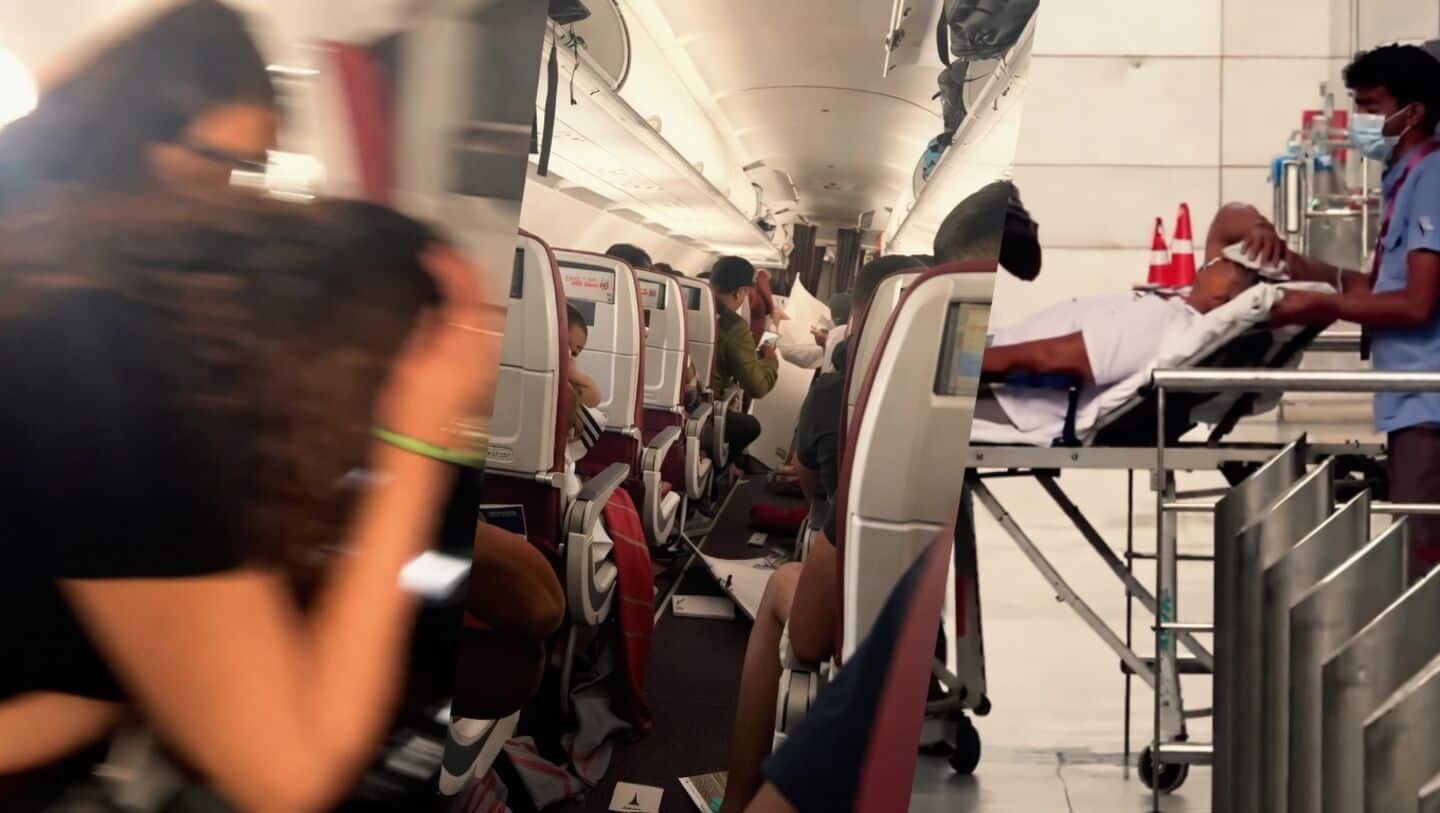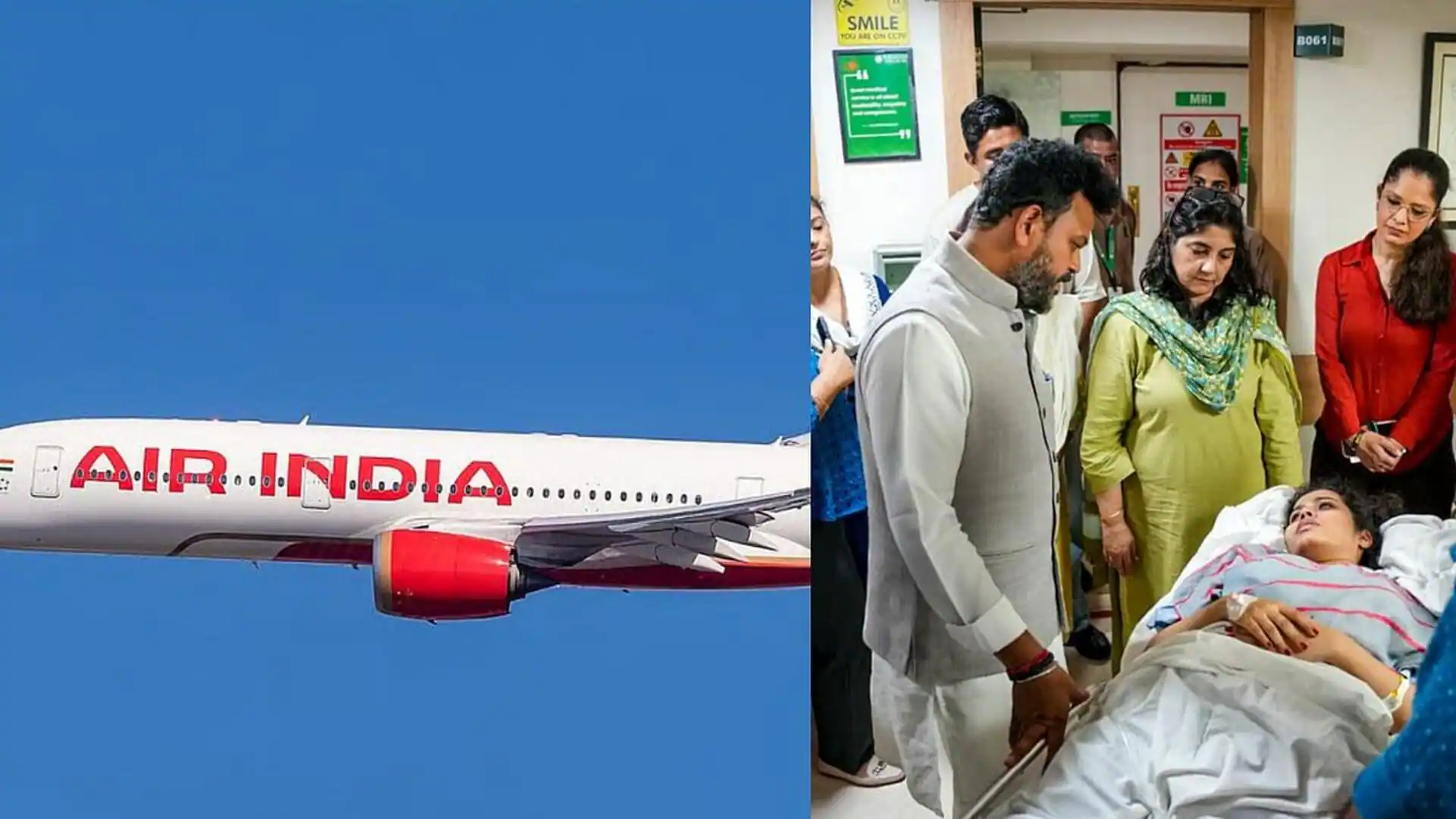
Medical personnel present with injured passengers of Air India Phuket–Delhi flight, in New Delhi on Tuesday, August 4, 2026.
| Photo Credit: ANI
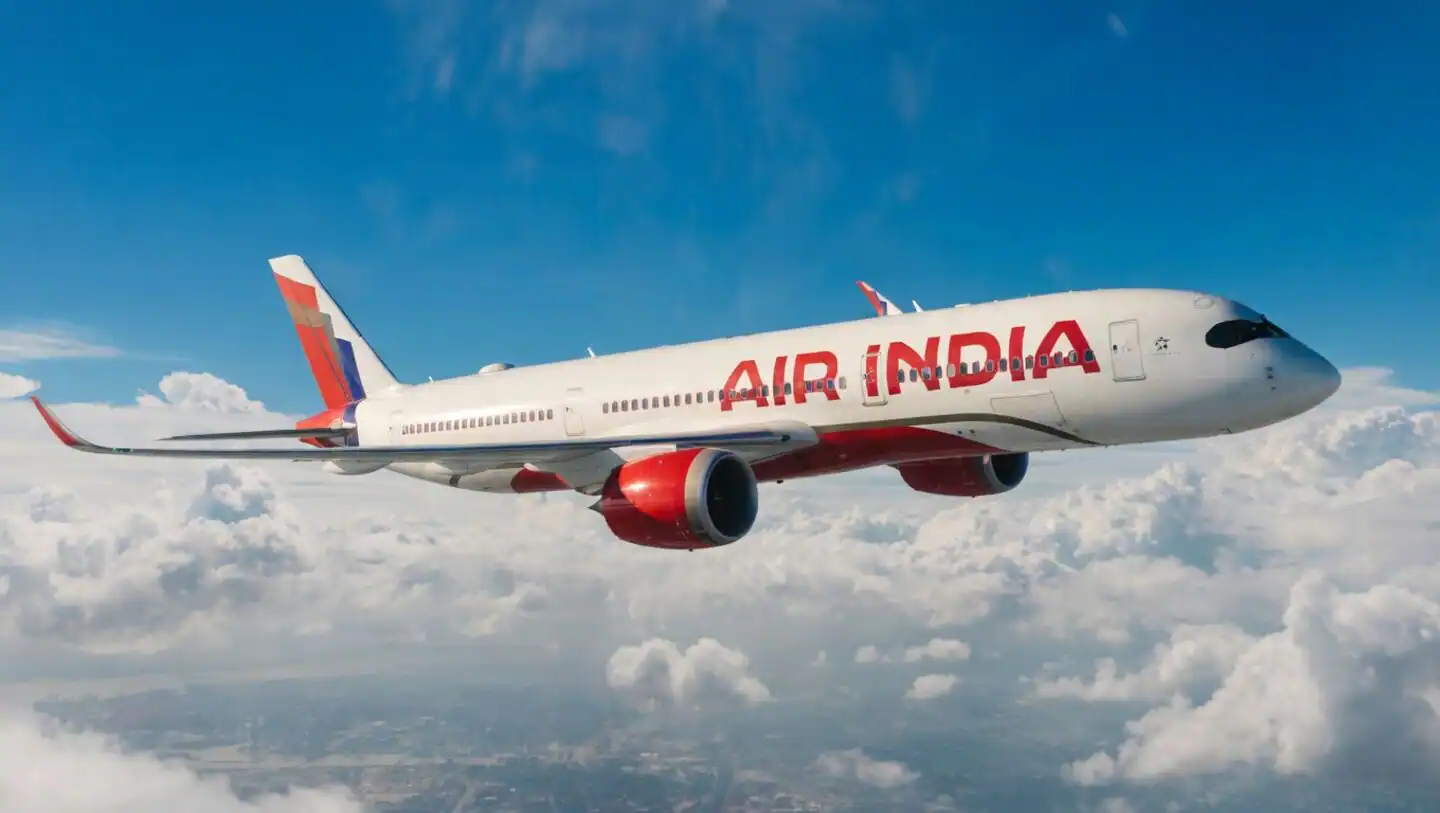
The Phuket–Delhi flight that experienced a “momentary loss in altitude” on August 4, injuring 17 people on board, was preceded by a cascade of failures involving the aircraft’s hydraulic and flight-control systems, according to multiple sources familiar with the matter, contradicting the airline’s initial attribution of the incident to turbulence.Nearly 2.5 hours after taking off from Phuket at 6.56 a.m., Air India flight AI 2379 operated on Airbus A320 neo was hit by a cascade of technical failures at 9.32 a.m. IST, involving the aircraft’s hydraulic and flight-control systems.The sequence involved low-pressure indications and failures affecting one or two hydraulic systems at a time, with different combinations appearing as the failures cascaded. This was followed by an autopilot disconnect and simultaneous fault indications affecting both the left and right elevators, which are the control surfaces that move the aircraft’s nose up or down.Automated post-flight maintenance reportThe A320 neo has three independent hydraulic systems that power critical functions including the primary flight controls, landing gear, nose-wheel steering, thrust reversers, flaps and slats, and braking systems. The automated post-flight maintenance report records failures and warning indications in different hydraulic systems, occurring either individually or in combinations of two systems, according to a source who has seen a copy of the report.