(Image credit: Talkspace/Shutterstock)
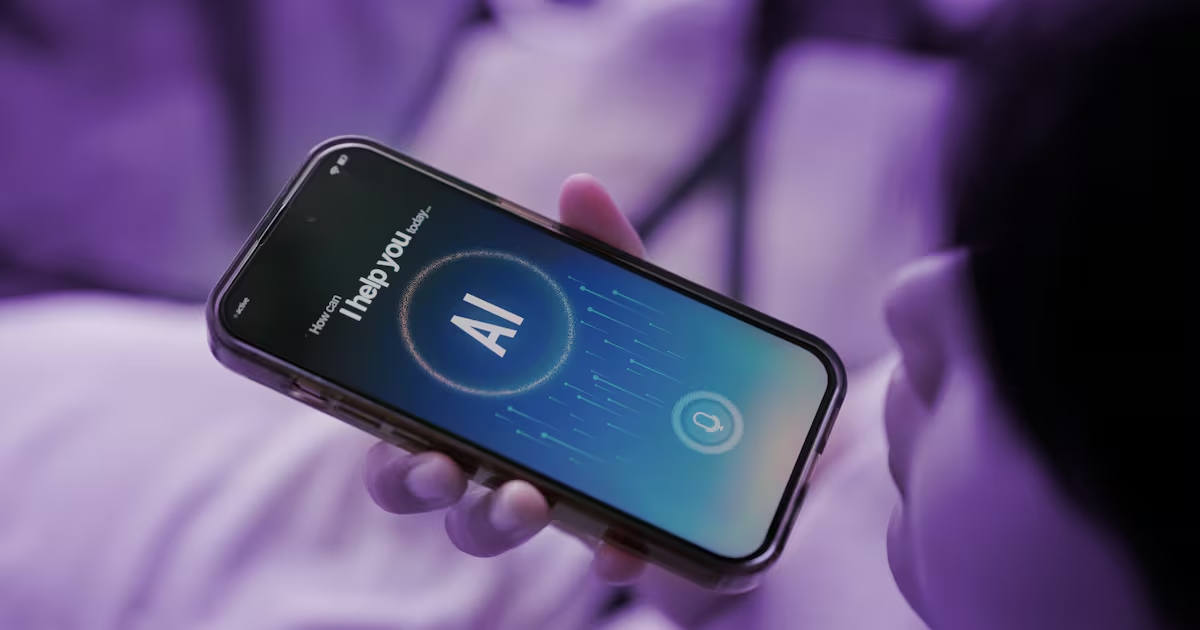
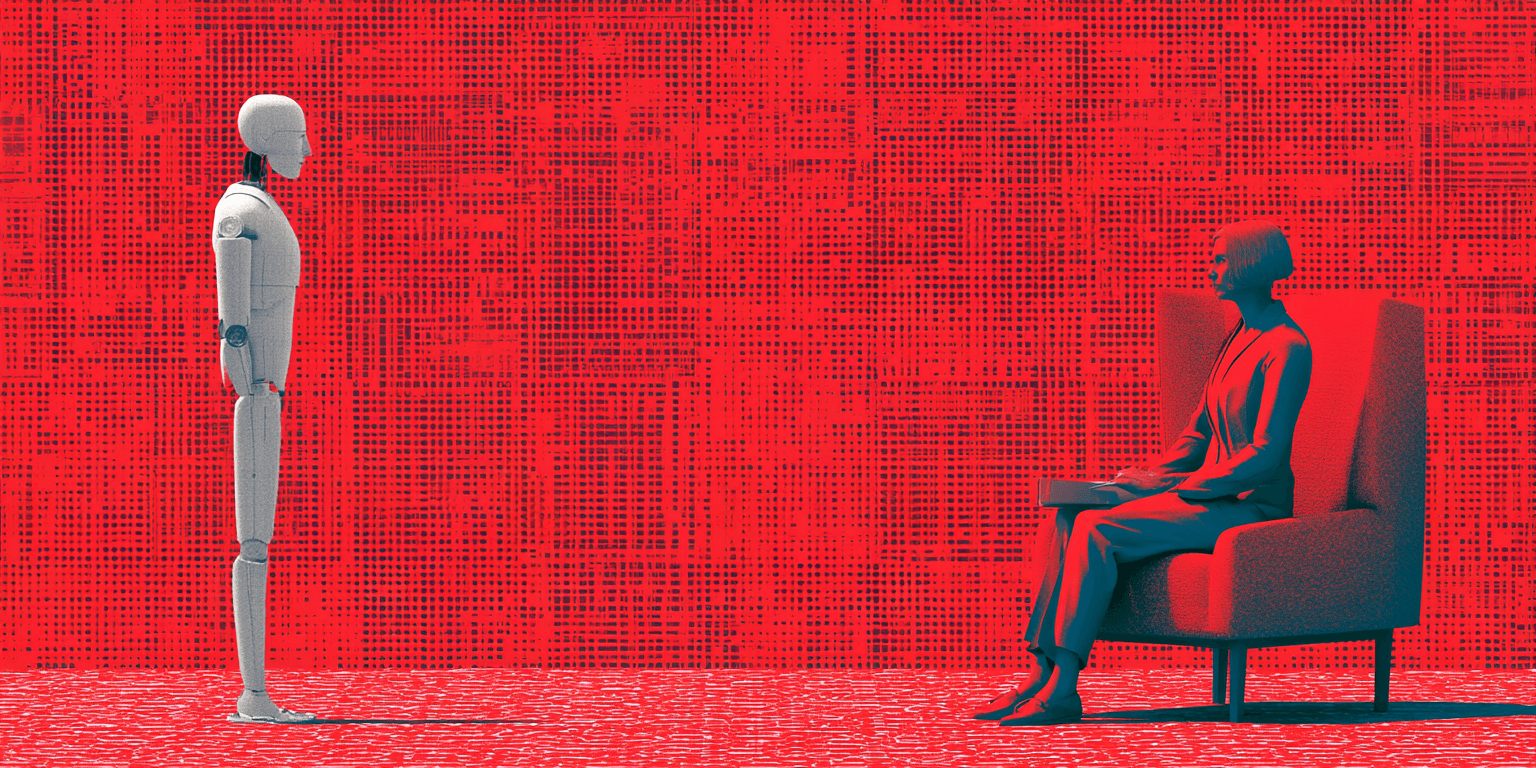
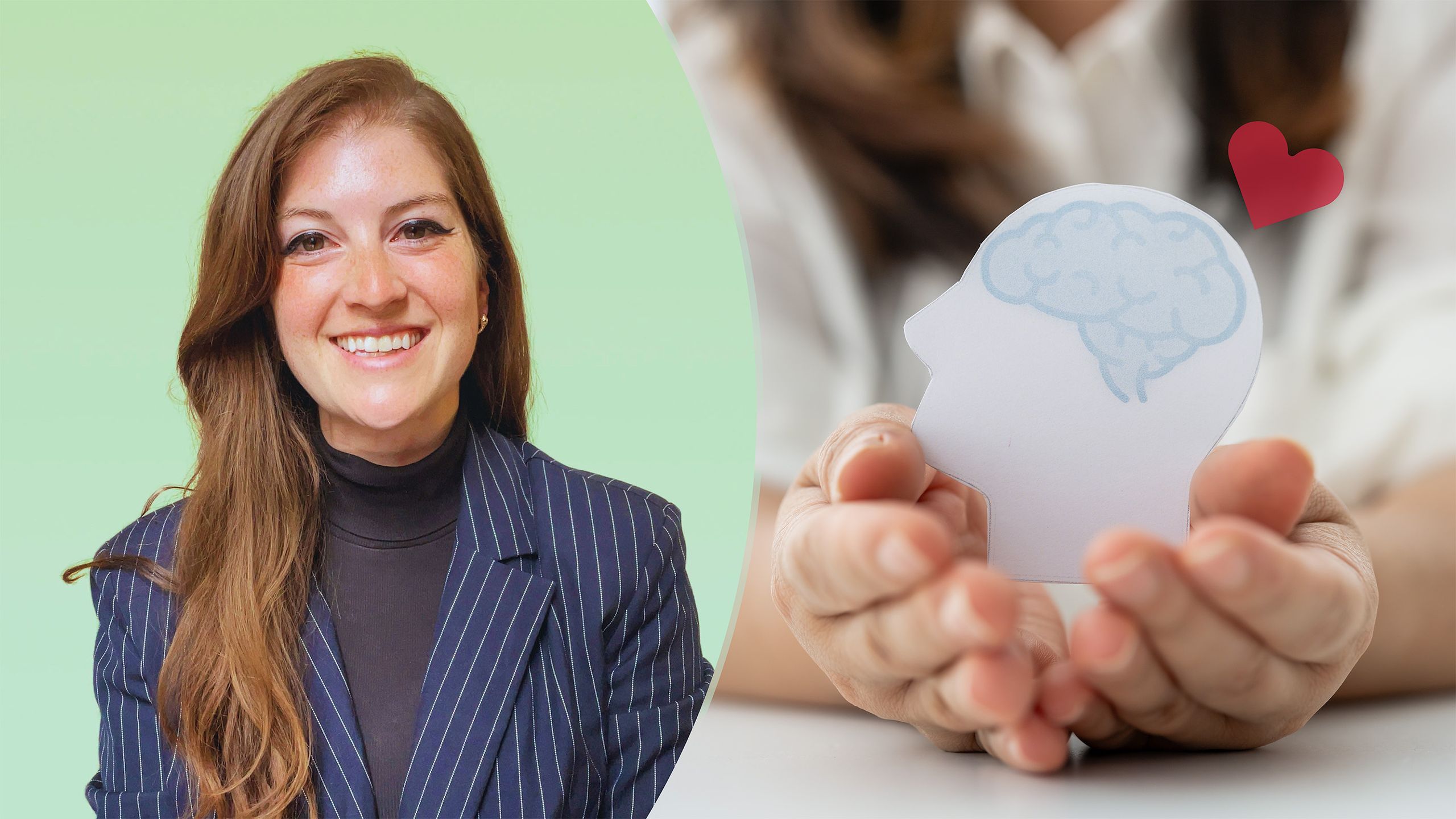
Life can feel overwhelming sometimes. Work, family, finances and everything else have a way of piling up until it feels like you're carrying more than you can handle.When that happens, talking to a licensed therapist is still the best place to start. Services like Talkspace make that easier by connecting you with licensed therapists through video, voice or live chat, so help is available without needing to visit an office.AI has also become part of the conversation. More people are turning to chatbots when they need someone to talk to, whether it's to organize their thoughts, vent after a difficult day or get ideas for managing stress. There's an obvious appeal to having something that's available any time, day or night. But it's important to remember what AI can and can't do. It can offer support and encouragement, but it isn't a therapist and it can't diagnose or treat mental health conditions.Talkspace is making sure Tee, its new AI mental health support tool, can be trusted and used as a supplement for users who can also seek out human support through their services. We spoke to Monika Dargis, Head of Clinical Operations and Quality at Talkspace, about how Tee came to be, the future of AI in the mental health space and more.Introducing an efficient and dependable AI assistant to the mental health space