In the corridors where money and power meet, integrity is not a soft virtue to be admired from a distance. It is the hardest risk control an institution owns, and the one asset that outlives us.
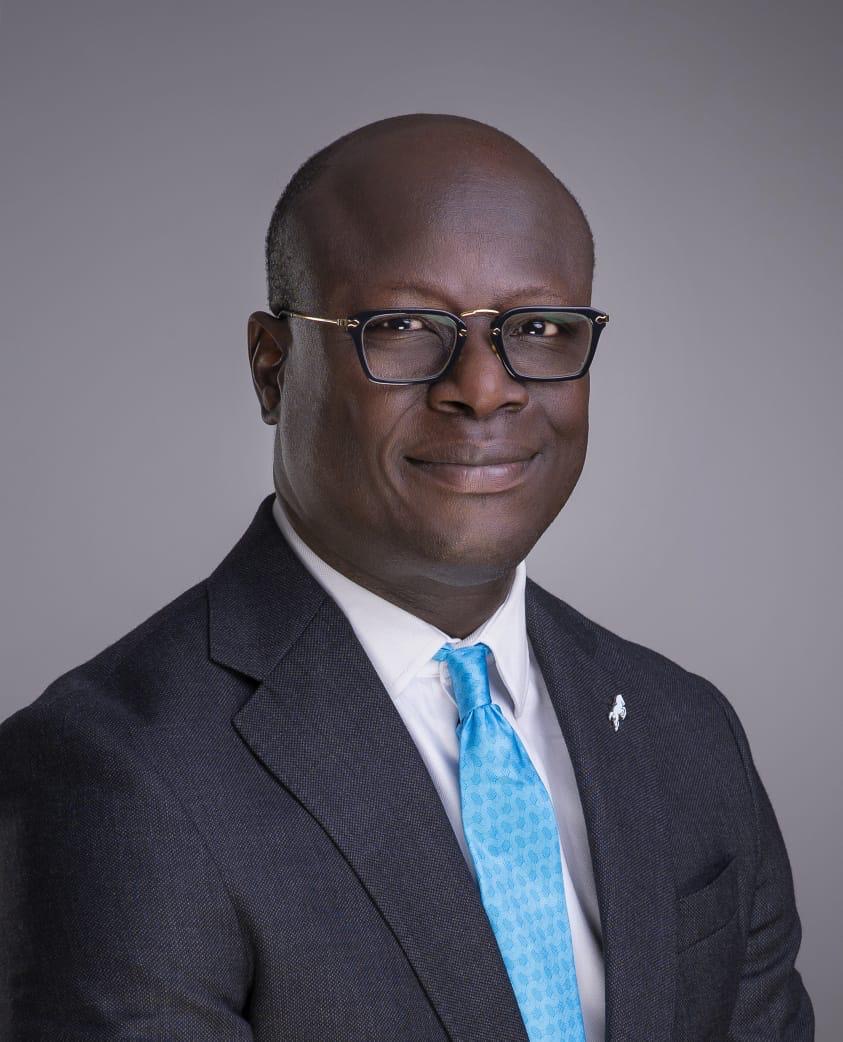
By Eyitayo Quadri | Chief Risk Officer, Union Bank of Nigeria
Much of my working life is spent thinking about what can go wrong and/or how it can be done better in a safe way. That is the quiet vocation of a risk officer: to sit in the room where decisions are made, to ask the unpopular question, to imagine the failure before it arrives and to price the danger no one else wants to name. Over the years, that work has taught me a humbling truth. The largest risks a financial institution faces are rarely the ones on the spreadsheet. They do not live in the market data or the credit models. They live in character, in the integrity, or the absence of it, of the people who hold power.
It is a theme as old as commerce itself, and I want to borrow a very old story to make the point. It comes from the Jewish Scriptures (the Bible), though its lesson belongs to everyone; read it, if you prefer, simply as wisdom literature that has lasted because it is true.
A man dies in debt. In life, he had been a respected member of his profession, known to his principal and trusted in his calling. In that age, debt did not end at the graveside, so his creditor moves to seize his two sons as bonded servants. The widow has nothing left to pledge except her husband’s name, so she carries that name to his former master, the prophet Elisha, and reminds him simply that her husband had been a man of integrity. That reputation alone is enough. Elisha tells her to gather every empty vessel she can borrow and to pour out the little oil she has. The oil does not stop until the last jar is full. She sells it, clears the debt, and lives with her sons on what remains.