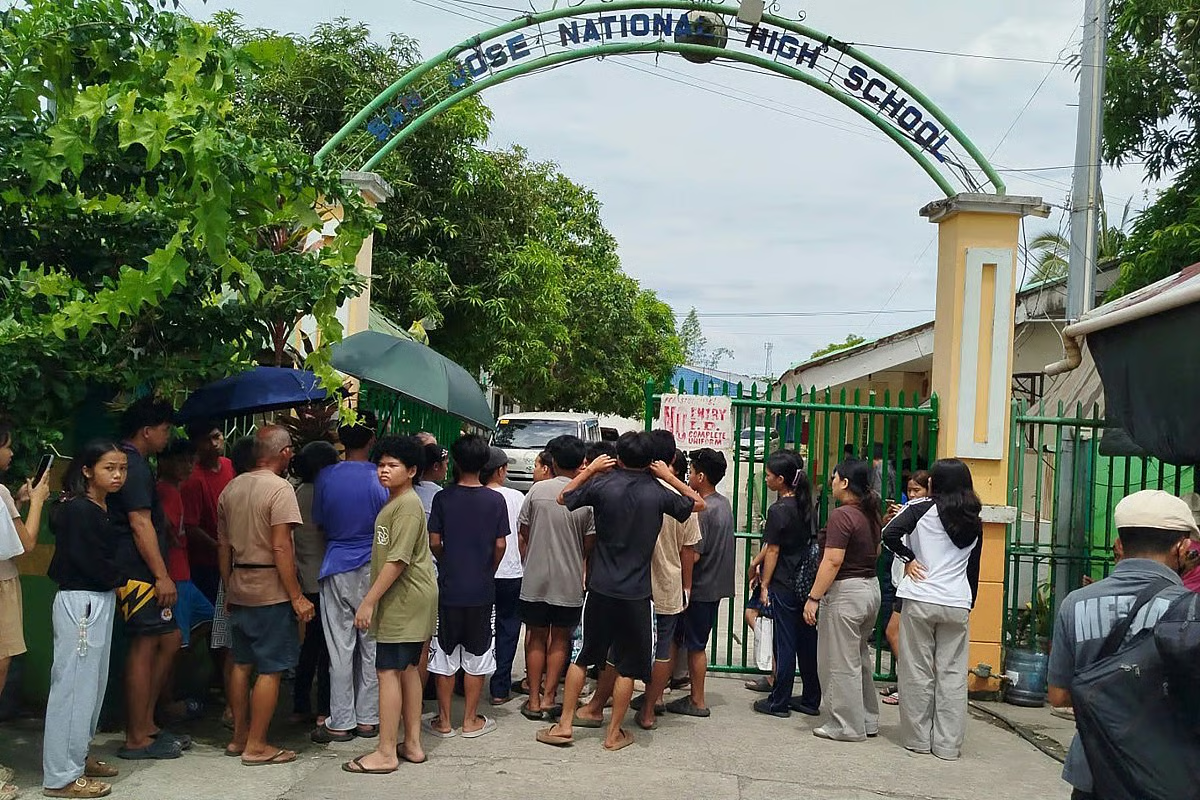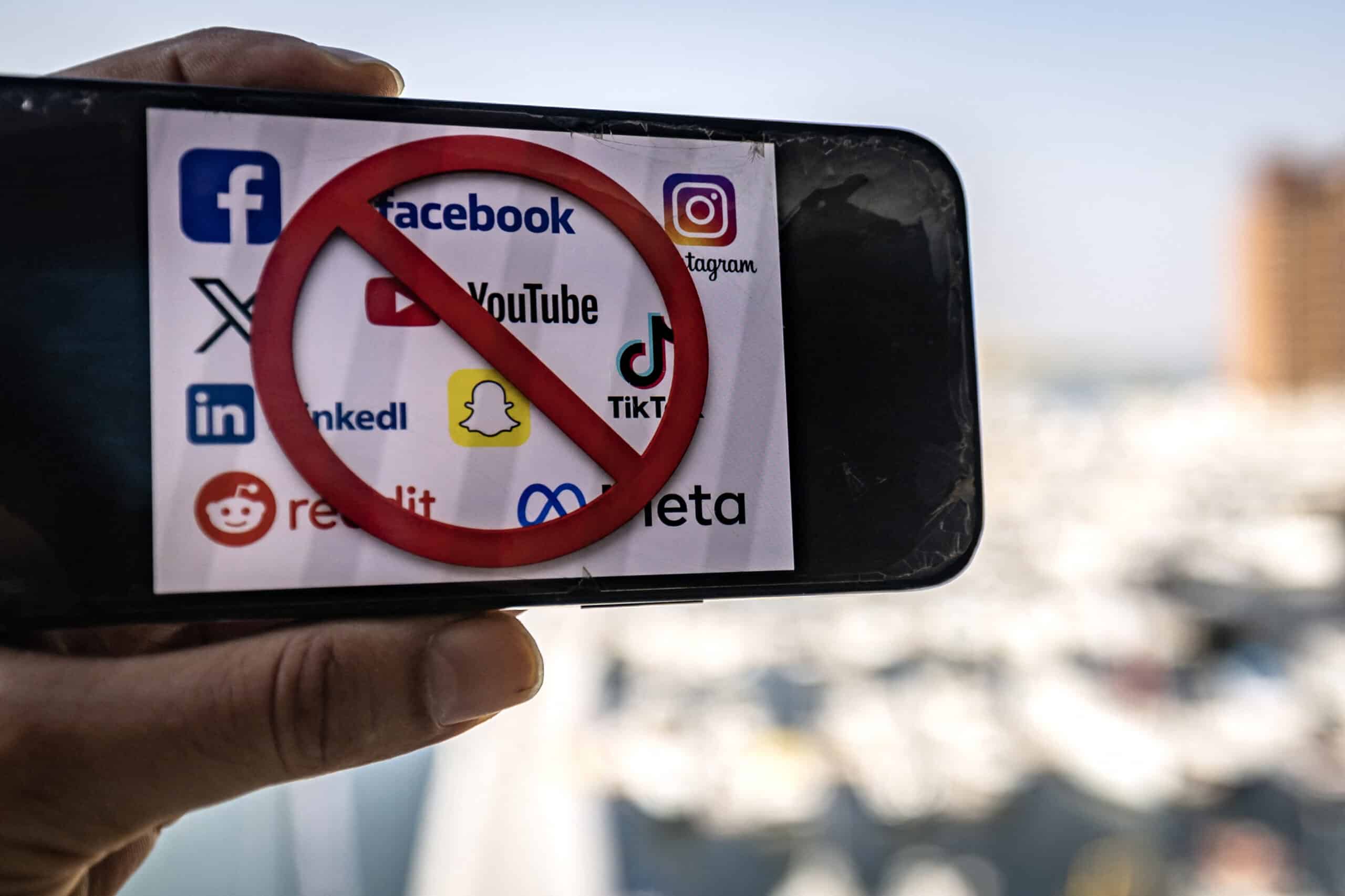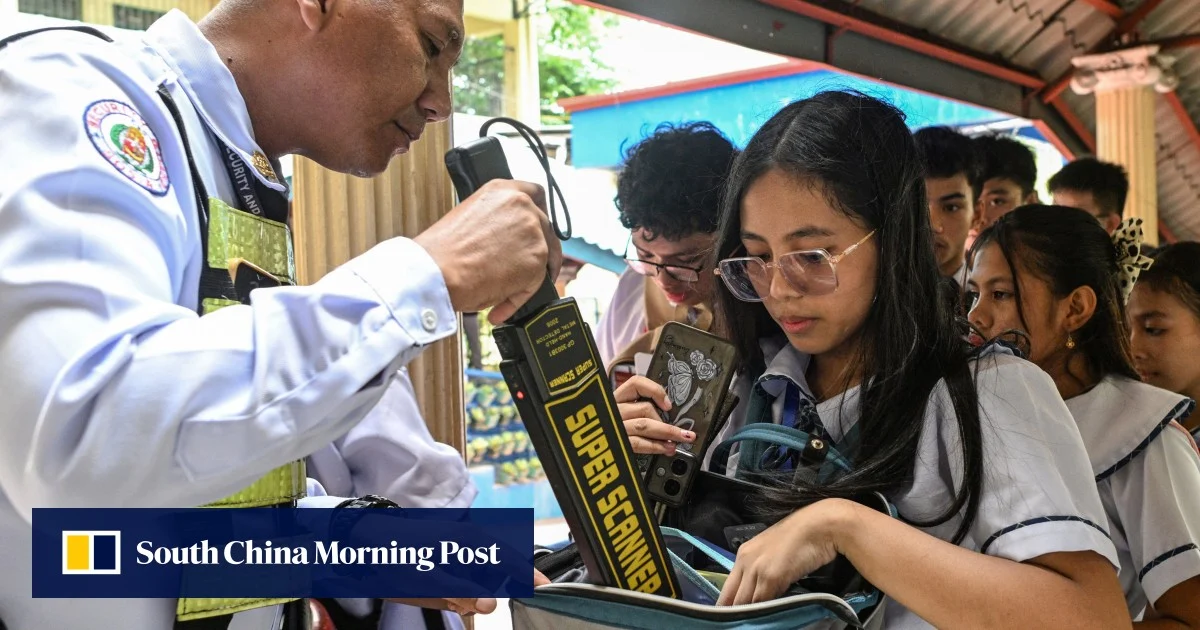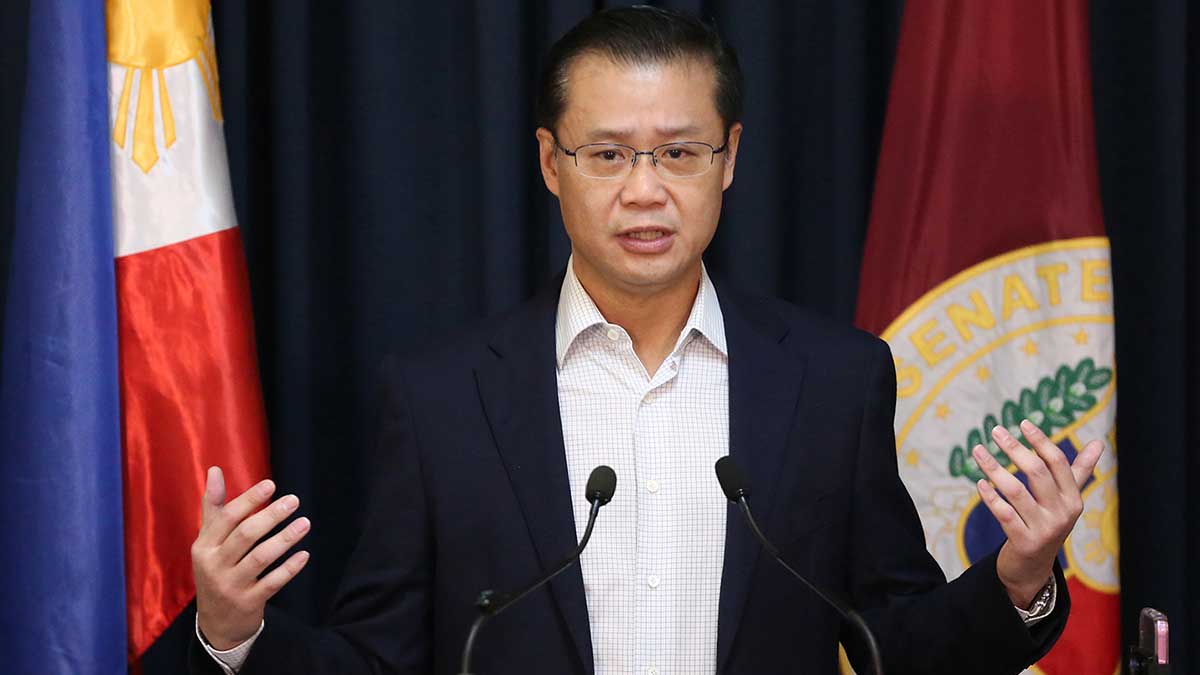
METRO MANILA: Philippine lawmakers are pushing to restrict or ban social media use for minors, as officials link a recent surge in school violence to young people’s exposure to harmful online content.Last month, Philippine Education Secretary Juan Edgardo Angara said harmful online influences were a possible factor behind the violence.“Experts say this is partly due to exposure of young people to damaging social media sites, negative influences, groomers, and terrorist groups online actively recruiting (children),” he said.The government is looking at ways to reduce such exposure.
A Bill in the House of Representatives seeks to ban social media use for children under 13, while a separate Senate proposal extends the restriction to those under 16.The proposed measures would require online platforms to introduce age and identity verification systems and proactively deactivate accounts belonging to users who do not meet age requirements.Repeated failures to comply could result in penalties of up to 50 million Philippine pesos (US$820,000). The platforms could also be permanently banned in the country.BLANKET BAN MAY BACKFIRE: EXPERTSBut cybersecurity and mental health experts warn that blanket bans could backfire, arguing that stronger platform safeguards, counselling and parental involvement may be more effective.They believe shutting young people out of mainstream platforms could push some towards more obscure websites and online communities that are harder to monitor.Psychologist Peejay Bengwasan, board member of the Psychological Association of the Philippines, said: “The people who we're supposed to protect get punished, rather than the people that are supposed to be punished.”Instead, experts recommend working with digital platforms to boost measures that can detect, report and remove dangerous content, while identifying people attempting to groom or recruit children. ONLINE EXTREMISM FUELS CONCERNSOn Jun 22, two students aged 14 and 15 opened fire at San Jose National High School in Tacloban City, killing three students and injuring 20 others.The rare attack has heightened concerns over students’ safety.“It's really worrying,” said James Cannaveral, a student at Manila Science High School. “We never thought this could happen, and that our lives are at stake every day that we go to school.”Cybersecurity experts warn that popular games and social media platforms have increasingly become recruitment grounds for extremist groups.One such group, known as 764, was found to have recruited one of the Tacloban shooters.“They really just like the feeling of influencing others to do harm, to do violence and to kill other people since that is part of their ideology,” said cybersecurity advocacy group Deep Web Konek’s Luis Angelo Talatala. SUPPORT BEYOND SOCIAL MEDIAPsychologists and cybersecurity experts say online exposure alone does not explain violent behaviour.They observe that many children who develop violent tendencies are already experiencing difficulties at home or in school, meaning rules governing social media can only go so far.Experts say more also needs to be done to address the shortage of counsellors in Philippine schools and to give children better access to mental health support.Psychologists stress that parents remain central to recognising troubling behaviour early and setting appropriate boundaries.“When early aggressive behaviours tend to appear in the home, we don't just leave them as is,” said Bengwasan.“Communicating certain limits to the child also sparks that conversation that there are things that should not happen.”