How the Balance of Power Between China and the United States Is Changing—and Whether a Major War in the Taiwan Strait Is Inevitable
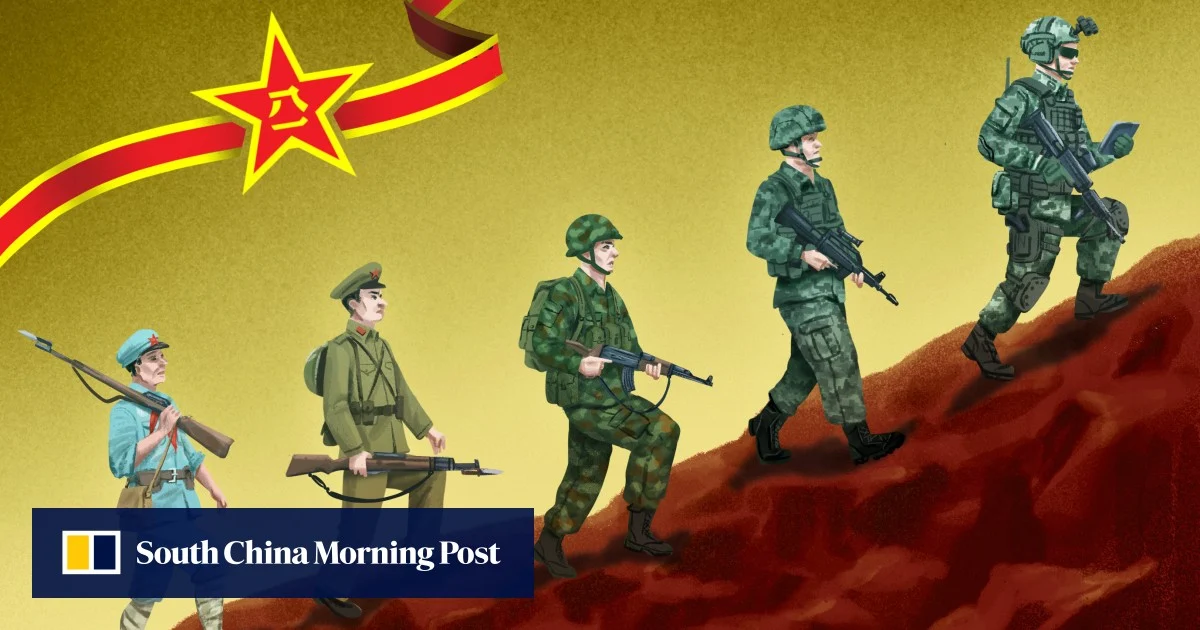
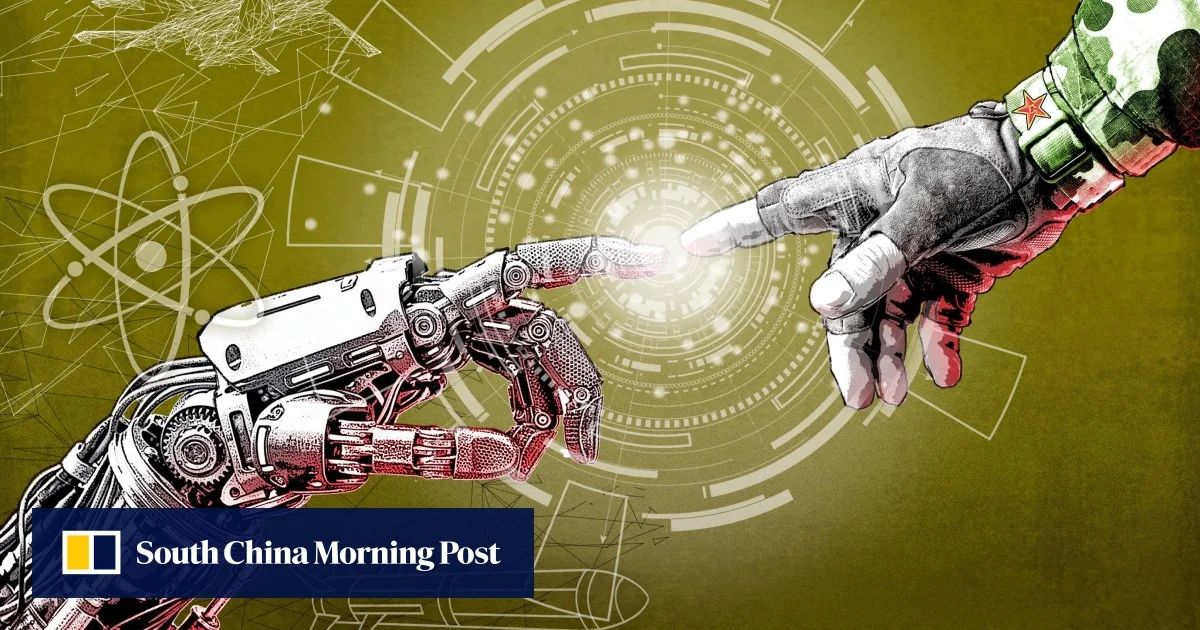
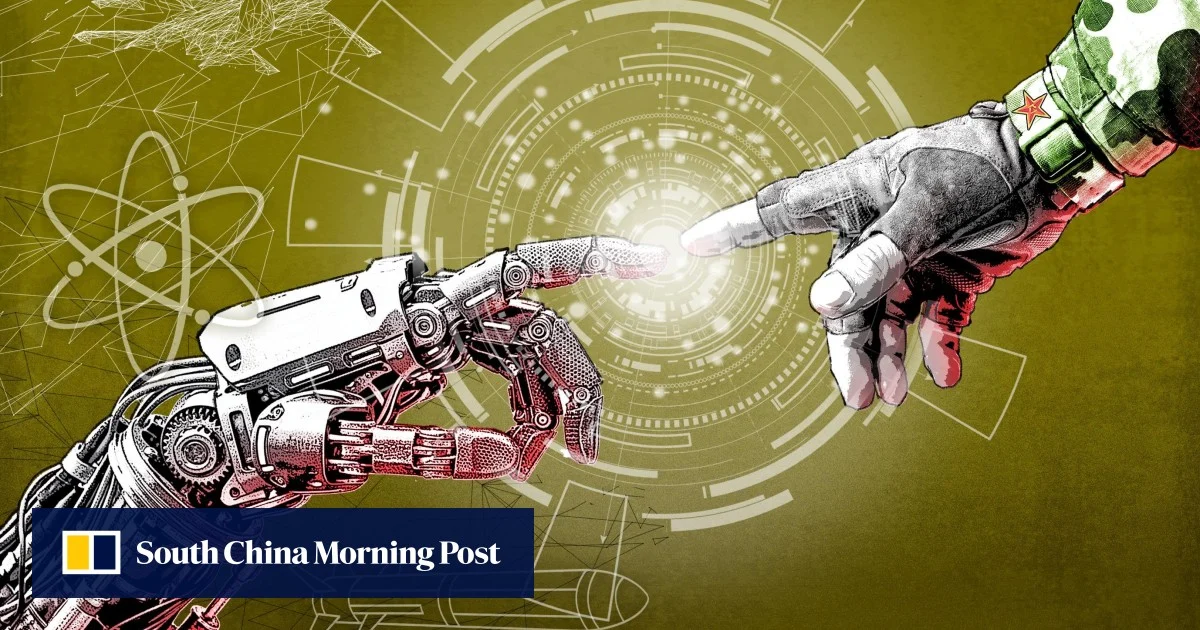
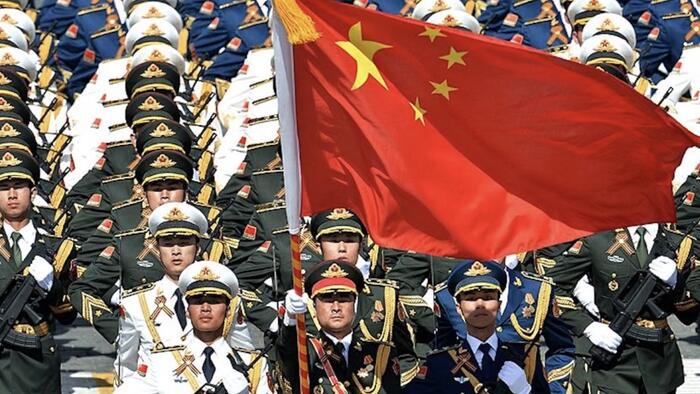
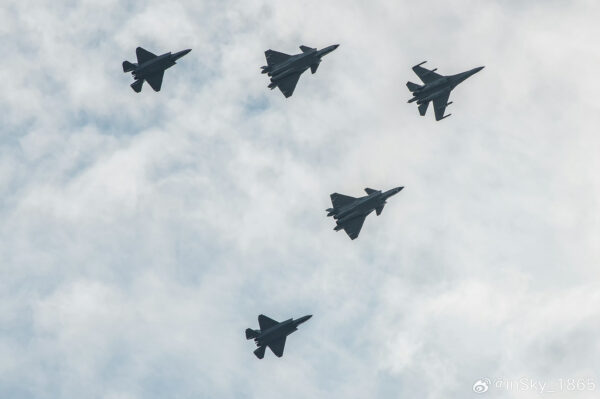
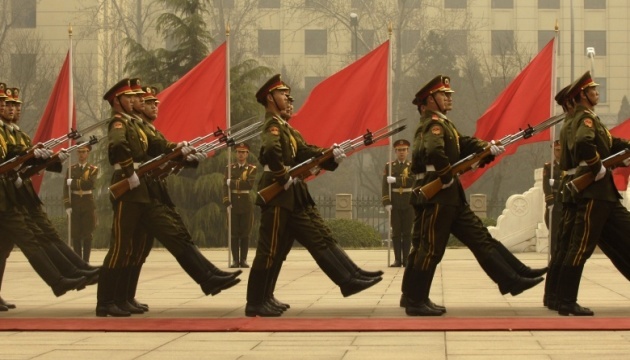
The People's Liberation Army (PLA) recently marked its 99th anniversary, with its centenary now less than a year away. Today, it is undergoing a sweeping technological and organizational transformation, evolving into a high-tech fighting force capable of challenging the long-standing military dominance of the United States.
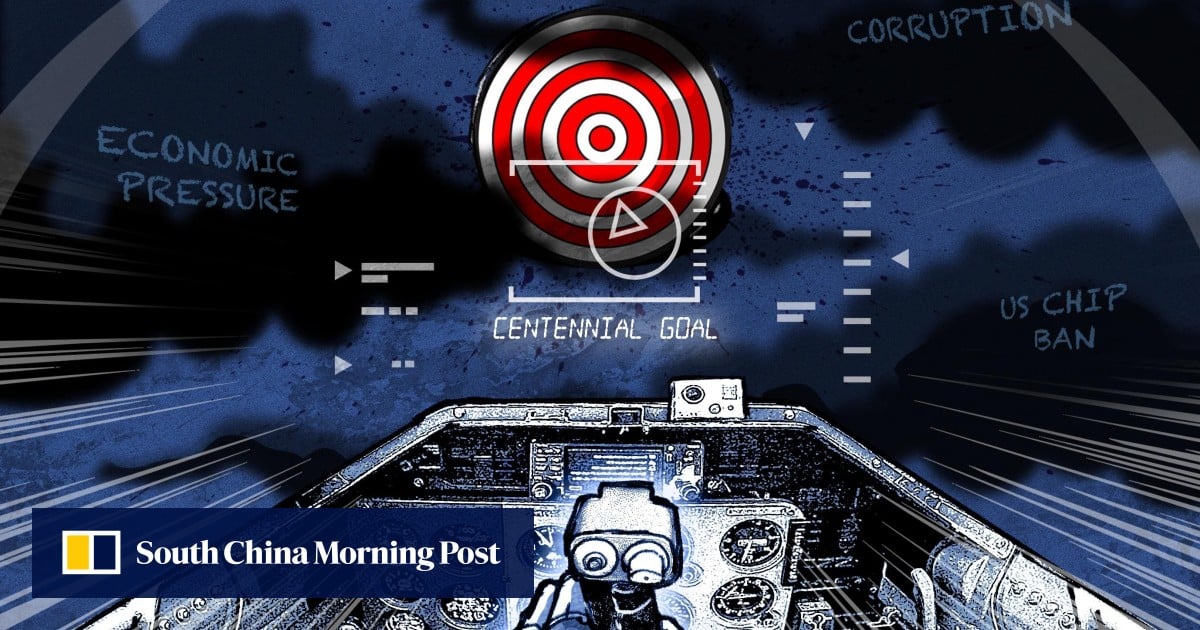
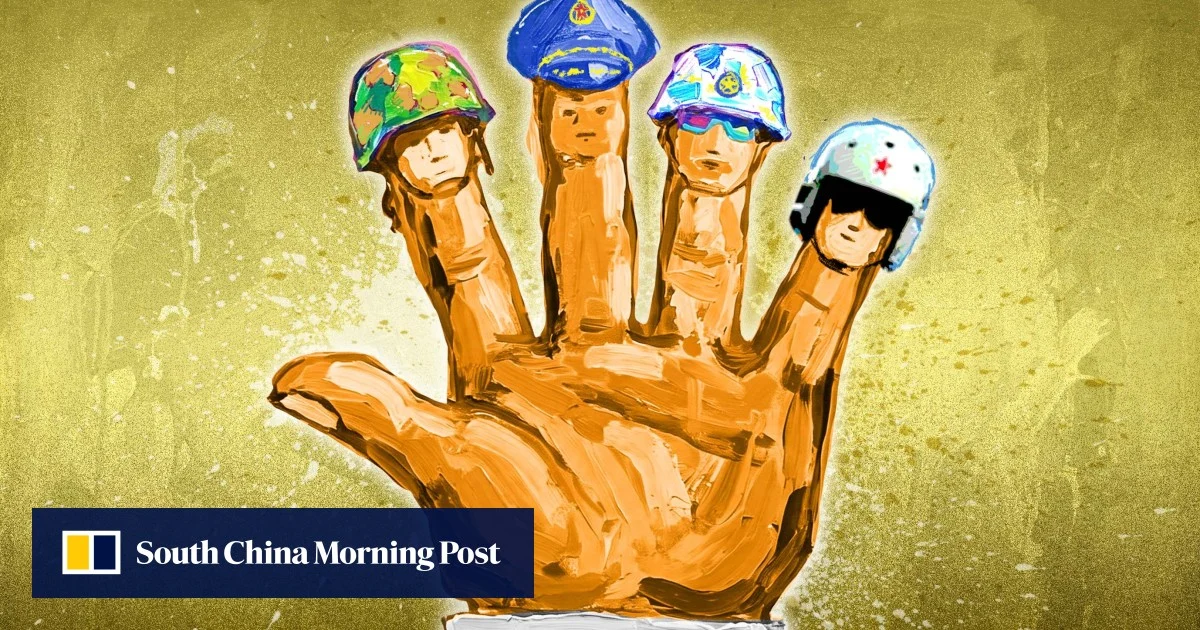
With 2.2 million active-duty personnel, the PLA is the world's largest standing military and is undergoing the most ambitious modernization program in its history. Under Beijing's strategic plans, the modernization of China's armed forces and broader defense sector is to be completed by 2035. By 2049—the By 2049—the centenary of the founding of the People's Republic of China—the PLA is expected to become a world-class military capable of protecting China's interests anywhere in the world.
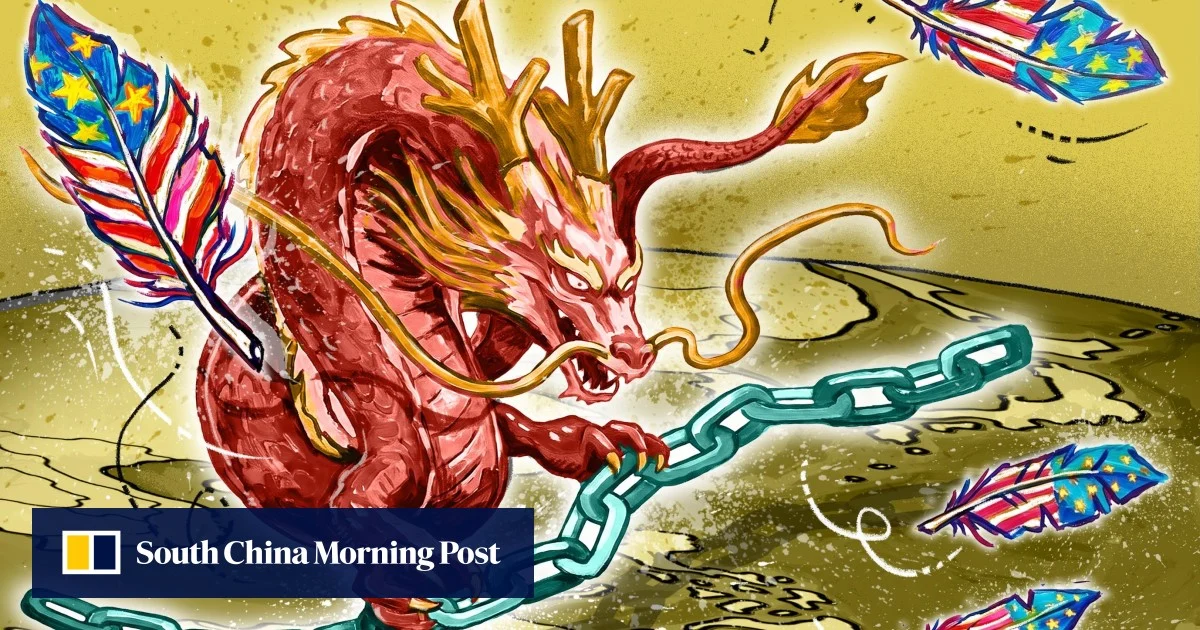
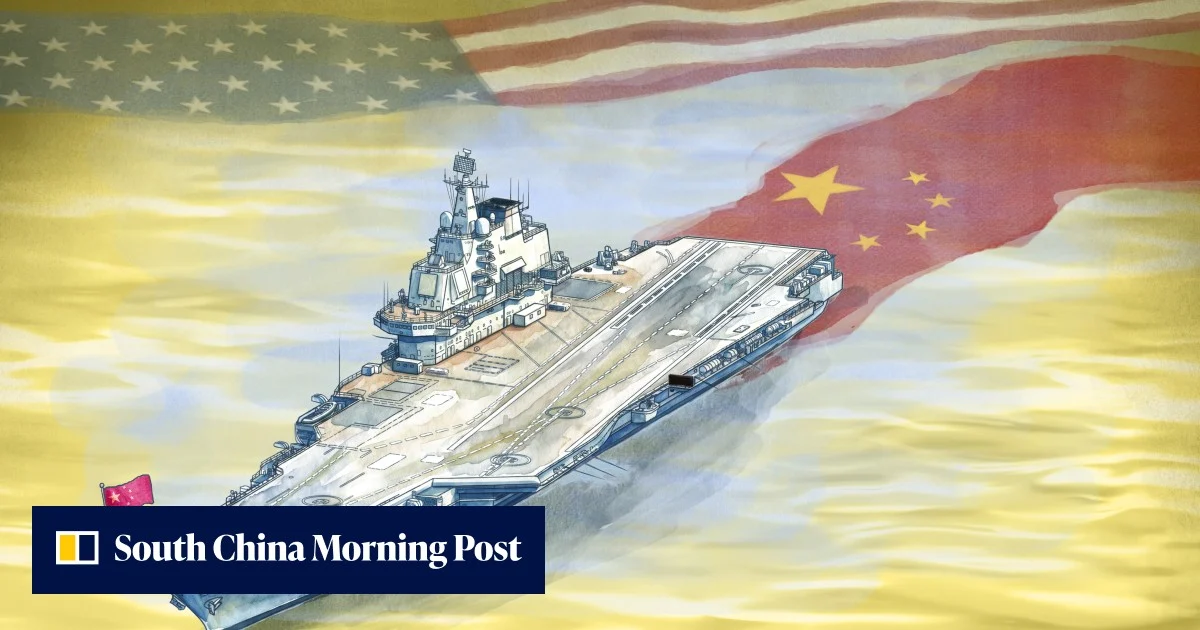
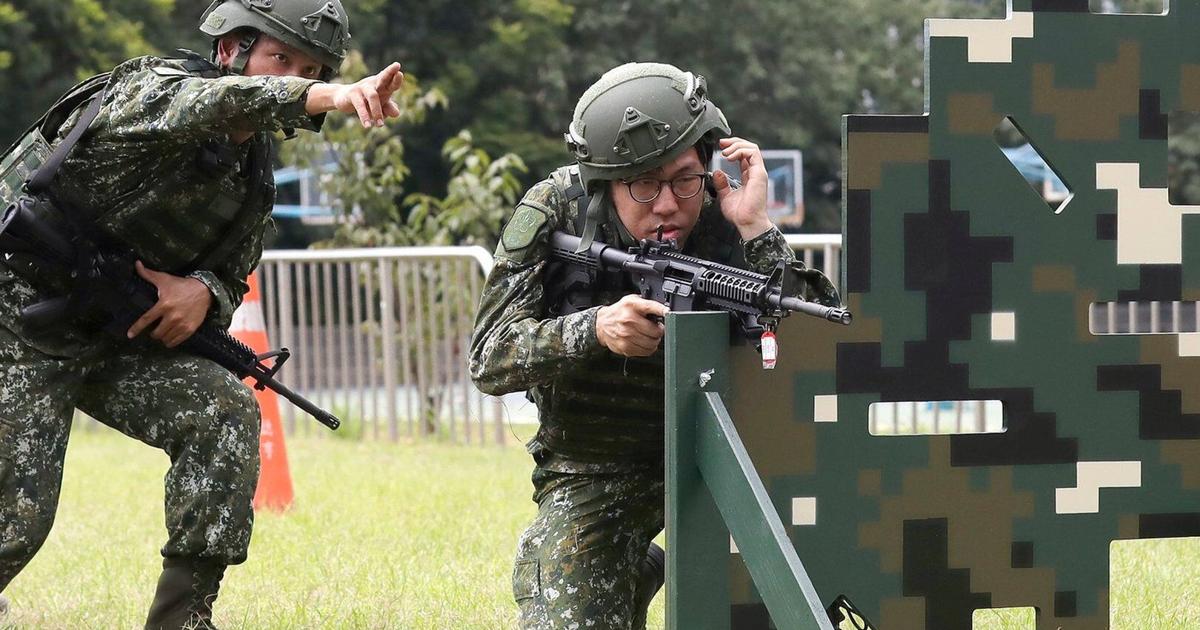
Transforming the PLA into a powerful instrument of global force projection is central to Beijing's ambitions. It would reinforce China's status as a global superpower, safeguard its economic interests overseas, and challenge U.S. military preeminence. Such a transformation would fundamentally alter the balance of power in the Indo-Pacific, while making any future conflict over Taiwan one of the gravest threats to global stability.