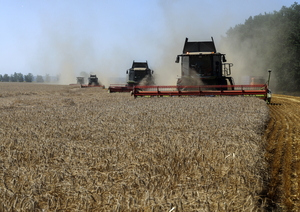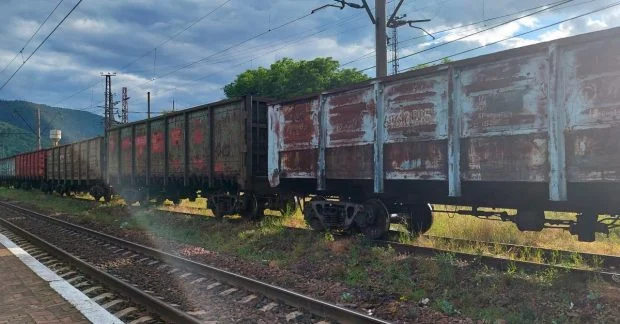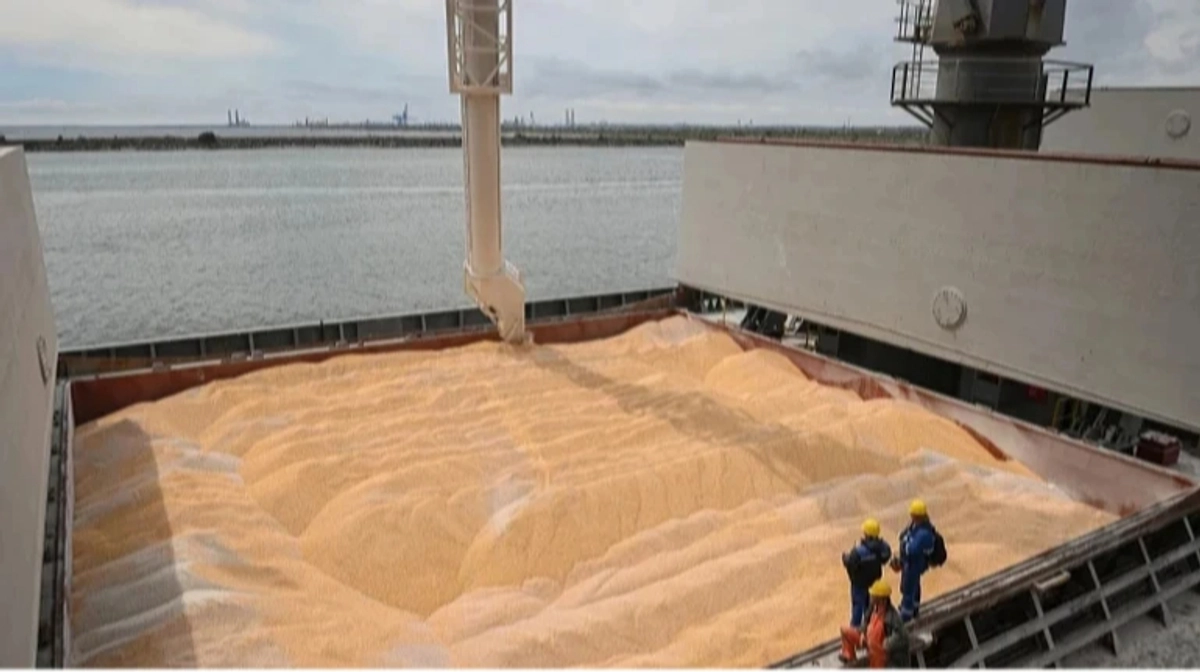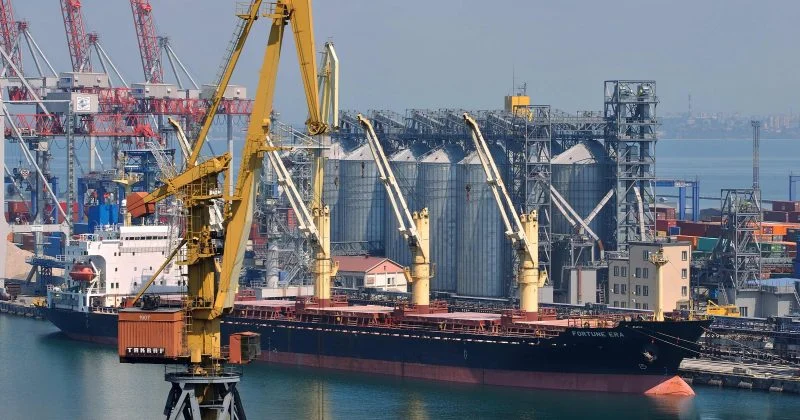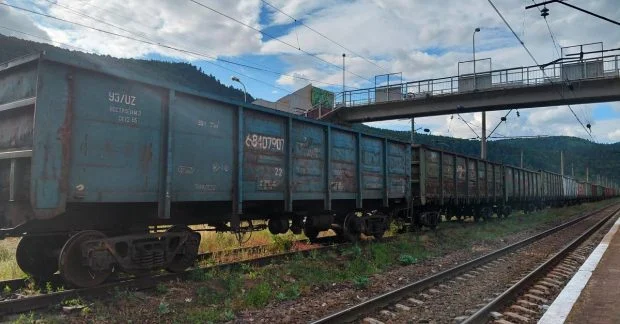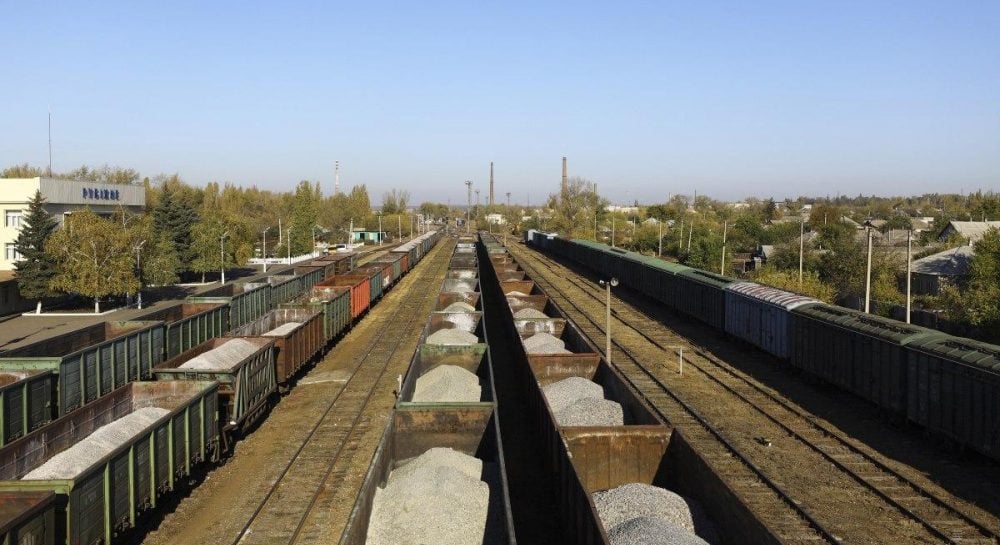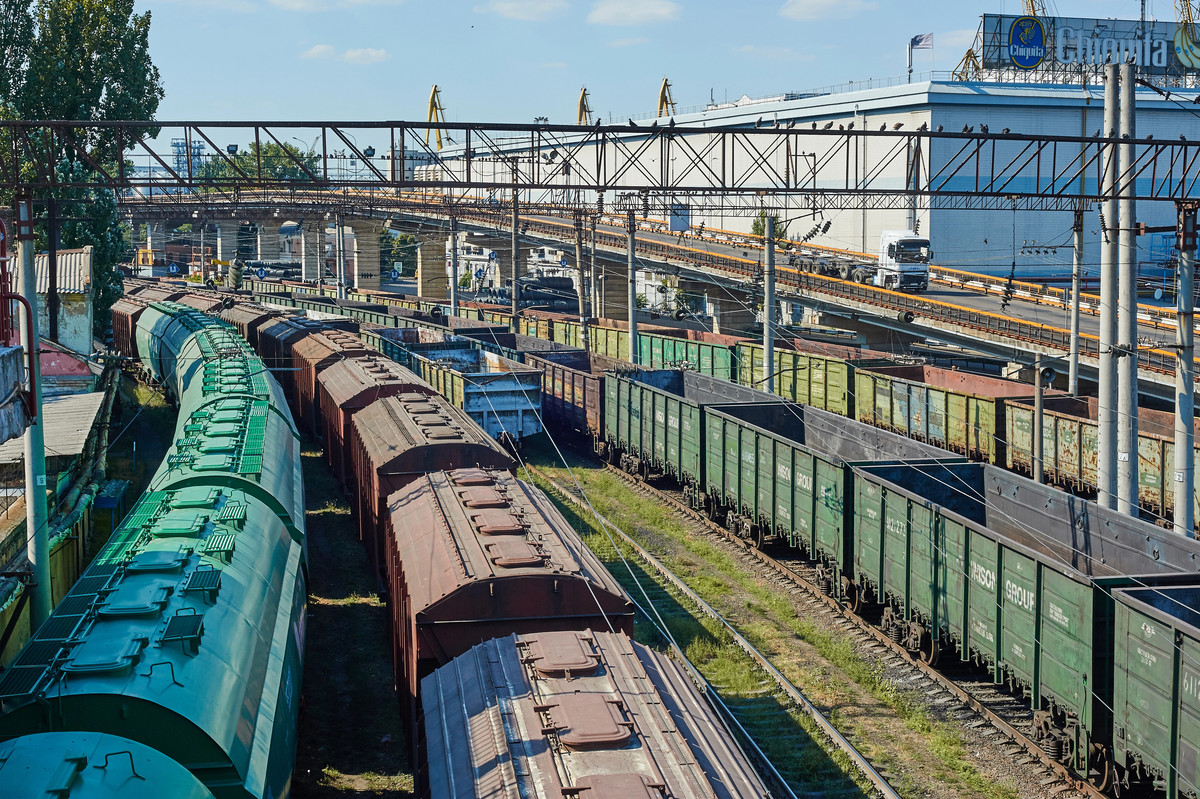
The tariff increase may have the most tangible impact on the agricultural sector, which remains one of the largest consumers of freight transportation. In 2025, Ukrzaliznytsia transported 161 million tonnes of cargo. Of this, grain comprised almost 18%, or 29 million tonnes. For agricultural producers – the industry is one of the few delivering export revenues for Ukraine’s economy amidst wartime – this means rising logistics costs, the need to review logistics routes, and adaptation of export strategies. And that is taking place on top of challenges caused by Russia blocking Ukraine’s Black Sea export corridor and targeting ships.JOIN US ON TELEGRAMFollow our coverage of the war on the @Kyivpost_official. Ukraine’s agriculture giant Kernel told Kyiv Post they are unhappy with the tariff, saying it rose too rapidly, was not justified, and will increase logistics costs. It added that tariffs themselves are based on a post-Soviet playbook and should be completely reformed. Ukrzaliznytsia, however, argues that the increase is necessary to restore the railway’s financial sustainability after four years without tariff indexation. Kyiv Post breaks down how the new tariffs may affect the agricultural sector. Kyiv says four years of accumulated costs left no alternative to indexation In response to an information request, the Ministry for Restoration, Infrastructure and Transport explained that the proposed indexation is linked to the growth of Ukrzaliznytsia’s costs, which had accumulated over four years. Freight tariffs were last revised in the summer of 2022. Since then, costs for electricity, fuel, materials, repair, and infrastructure maintenance have risen substantially. The rise in electricity prices alone costs Ukrzaliznytsia about Hr. 15 billion ($336 million) in additional expenses, while the producer price index grew more than 2.5 times.
Ukraine Implements 30% Rail Freight Tariff Hike, Raises Grain Logistics Costs
Ukraine's government has implemented a 30% increase in Ukrzaliznytsia freight tariffs effective Aug. 1, 2026. Agribusinesses warn of an extra $4-$5 per tonne of grain, while experts call for tariff system reform.
1,389 words~6 min read