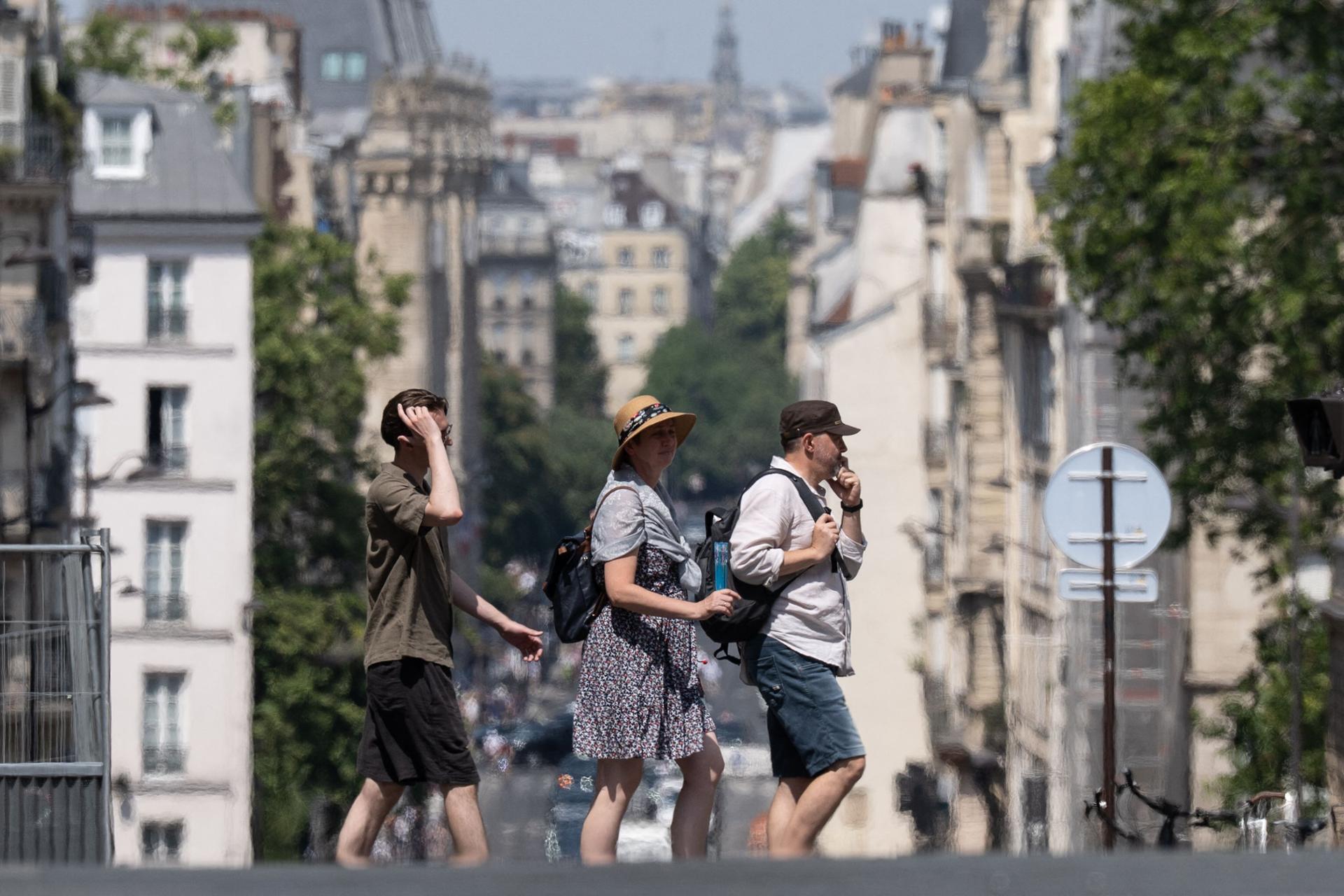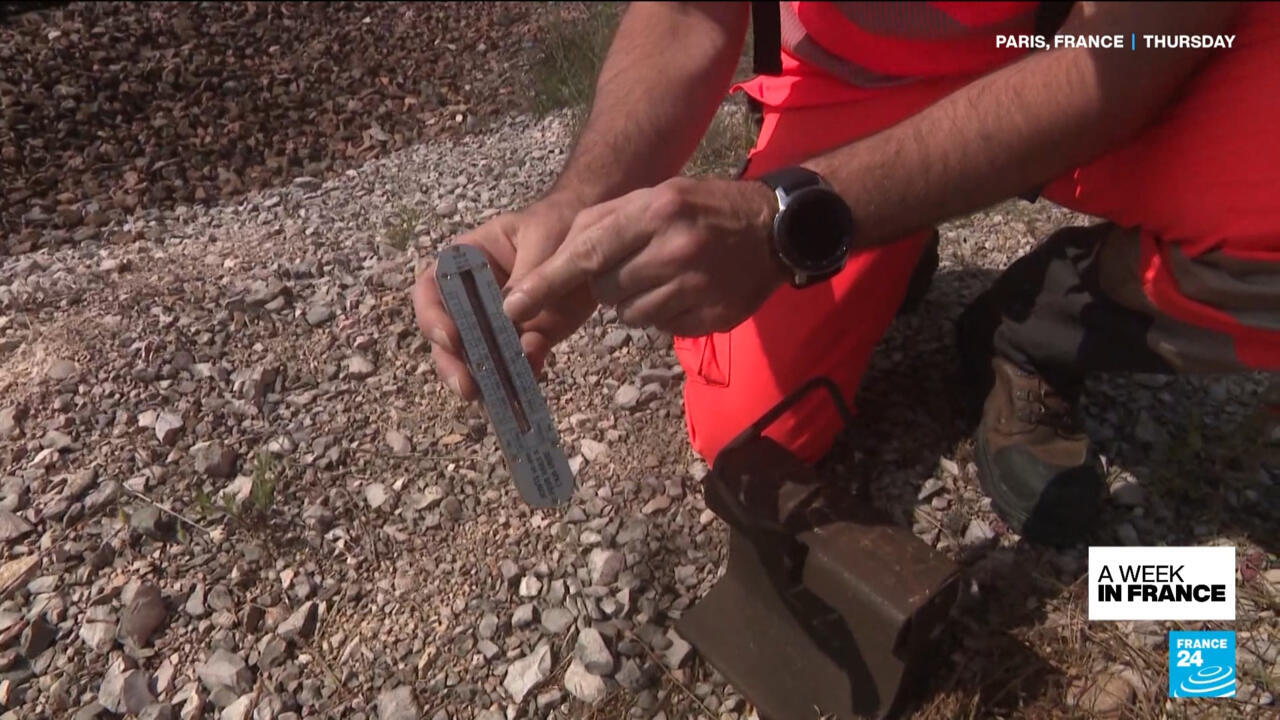
PARIS -- France has had a bad summer. Its first heat wave in June was part of a wider Europe-spanning scorcher where temperatures went from the usual 20s and 30s to the dangerously broiling numbers of high 30s to low 40s. The heat waves, or canicules, recalled the now record swelter of summer 2003 complete with the predictable forest fires in the south and the pine barren blazes in the southeast. The August 2003 canicule caused as many as 15,000 deaths, mostly of older home-bound people.Why then have they done so little to mitigate these symptoms of hot summers? Naturally there’s the official Green government position which has genuinely lessened carbon emissions. France and the European Union countries are tirelessly proving they are leaders in cutting emissions, though given the usually poor air quality in Paris that’s hard to believe. But what about making homes, apartments and public transportation cooler for people who live in the present and not in the hypothetical climate charts of 10 and 15 years hence? Many newer buildings and homes have air conditioning as do most hotels and department stores. This is normal for a prosperous country. But many schools, hospitals and civic centers still lack basic AC. But then use the Parisian modern bus network, the extensive RATP system, and enter a world where air conditioning or even air circulation on a crowded bus is a futuristic concept which would have made Jules Verne laugh. Brand new hot buses with stuffy air remain the norm. And the historic Paris Metro seems clueless about the subject.RATP buses and others powered by electric, hybrid, bio-methane or natural gas are as new or newer than anything plying the equally busy streets of New York or Washington, but here are missing air conditioning, although we found a few buses by chance which sported AC.What is the human cost of this omission? Besides sweat and tears, there’s the very real danger of heat-related deaths, many of which are avoidable. During June’s oppressive heat wave, France recorded at least 5,700 more deaths the public health agency conceded, sharply increasing its estimates of the feared mortality rate from record-shattering temperatures, according to the news site France24. Then there’s the tinderbox conditions affecting woodlands both in southern France and Spain. Tragically the wildfire season in the south has become worse given the combination of heat, winds and dryness. The national daily Le Figaro headlined, “National Mobilization against the giant Wildfires.” Blazes in the southwestern Gironde region near Bordeaux have forced 220,000 people to evacuate their homes for safety and 45,000 hectares have burned. The annual scenes of water bomber aircraft have been augmented by the new Airbus-400. To stem the spread, the Airbus military cargo aircraft has been modified for firefighting in southwest France. Flying low over arid woodlands, the aircraft sprayed a stream of a reddish-colored fire retardant. Thousands of firefighters and soldiers have been battling the numerous blazes, many which were started by cigarettes. For France, the country which had such technological breakthroughs as the TGV high-speed trains and the supersonic Concorde jet airliner, expanding simple air conditioning should be a no-brainer. Given that many European countries don’t rely solely on fossil fuels to produce electricity, and France especially has a powerful nuclear power production component, making efficient air conditioning commonplace should be simply just common sense. John J. Metzler is a United Nations correspondent covering diplomatic and defense issues. He is the author of "Divided Dynamism The Diplomacy of Separated Nations; Germany, Korea, China."
France: Baby it's hot inside - The Korea Times
PARIS -- France has had a bad summer. Its first heat wave in June was part of a wider Europe-spanning scorcher where temperatures went from the usu...
585 words~3 min read