Tour guide Iosif Stamatiou has extensive experience escorting European officials when they visit Athens for meetings or conferences.
“It was toward the end of May, and our meeting point was the Propylaea [main building] of the University of Athens for a tour tracing the history of the modern city. As is always the case in these situations, you arrive well ahead of time, and I was looking for a shaded spot where we could gather during the first few minutes. At first, I thought of standing beside the statue of Kapodistrias, but the monument had been vandalized with spray paint, so I moved a little farther away so they would not notice it. While checking the area, I was shocked to see a homeless man struggling with addiction relieving himself behind a tree. Next to him lay all his belongings, bundled up in sacks. As you can imagine, I regretted my choice of starting point for the tour. But, damn it, this is the Athenian Trilogy (the University of Athens, the Academy and the National Library). Where else could I have gone?” he tells Kathimerini.
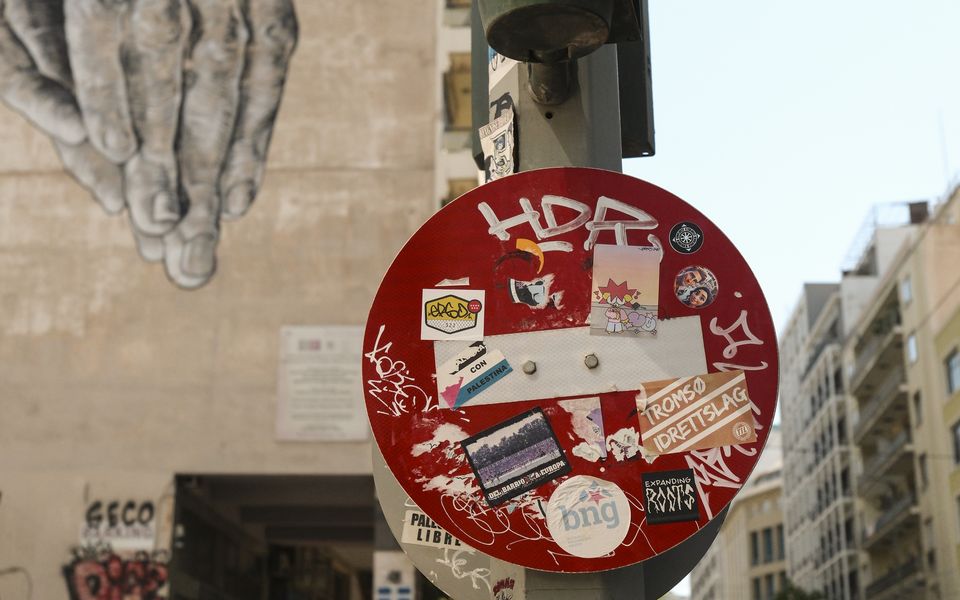
Athens’ problems have become increasingly difficult to ignore. Entire neighborhoods, particularly on both sides of Patission Avenue and along Pireos Street, often give the impression that they are surviving – along with their most vulnerable residents – outside the radar and care of the central authorities. Persistent issues of cleanliness, public order and safety raise fundamental questions: Is the state listening to the concerns of these people? Deteriorating infrastructure, grime embedded in paving stones, walls and urban fixtures, and the long-standing absence of social policies to address the needs of people with severe substance dependencies point to a broader failure – and to the striking absence of a strong state presence.