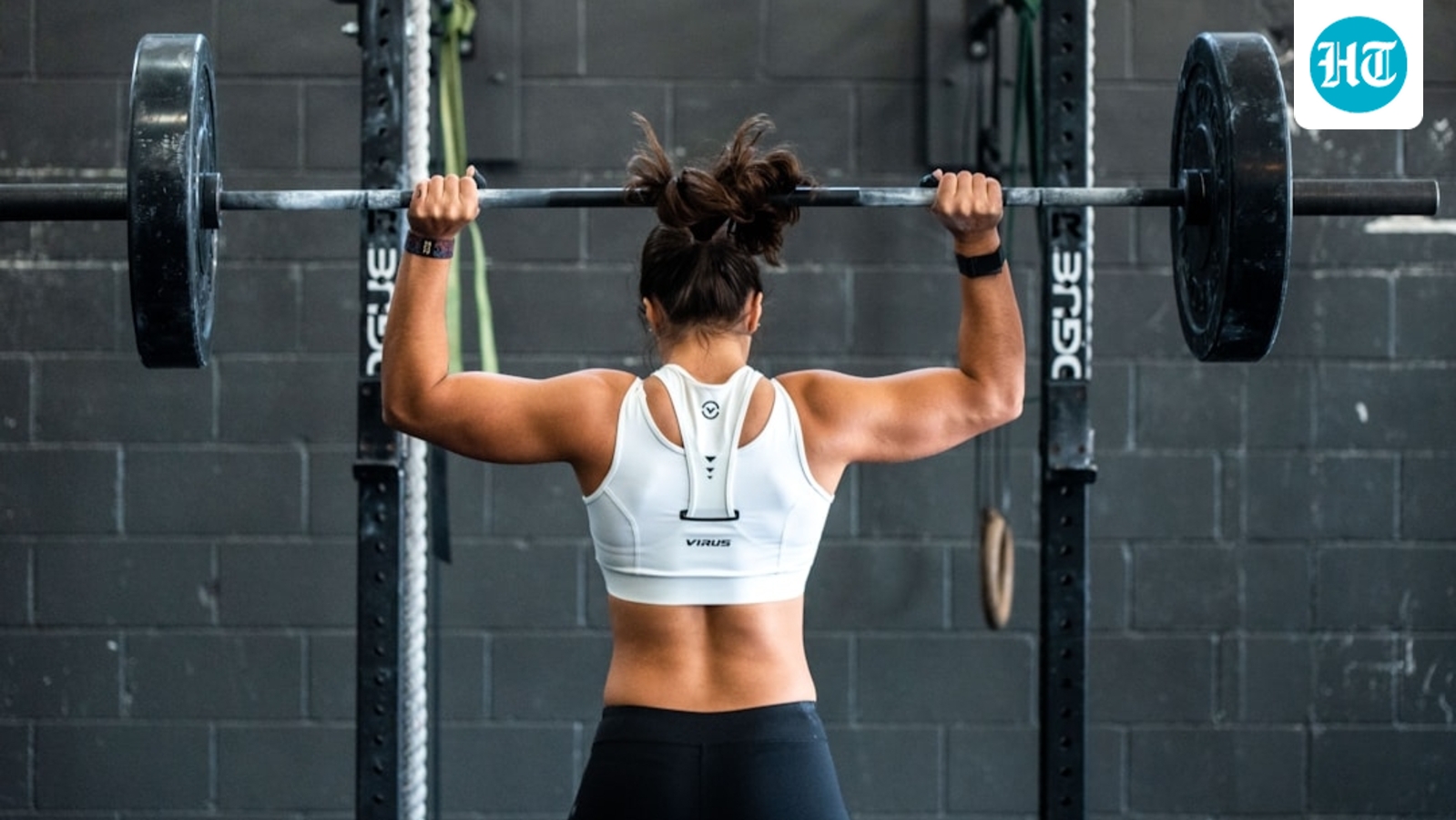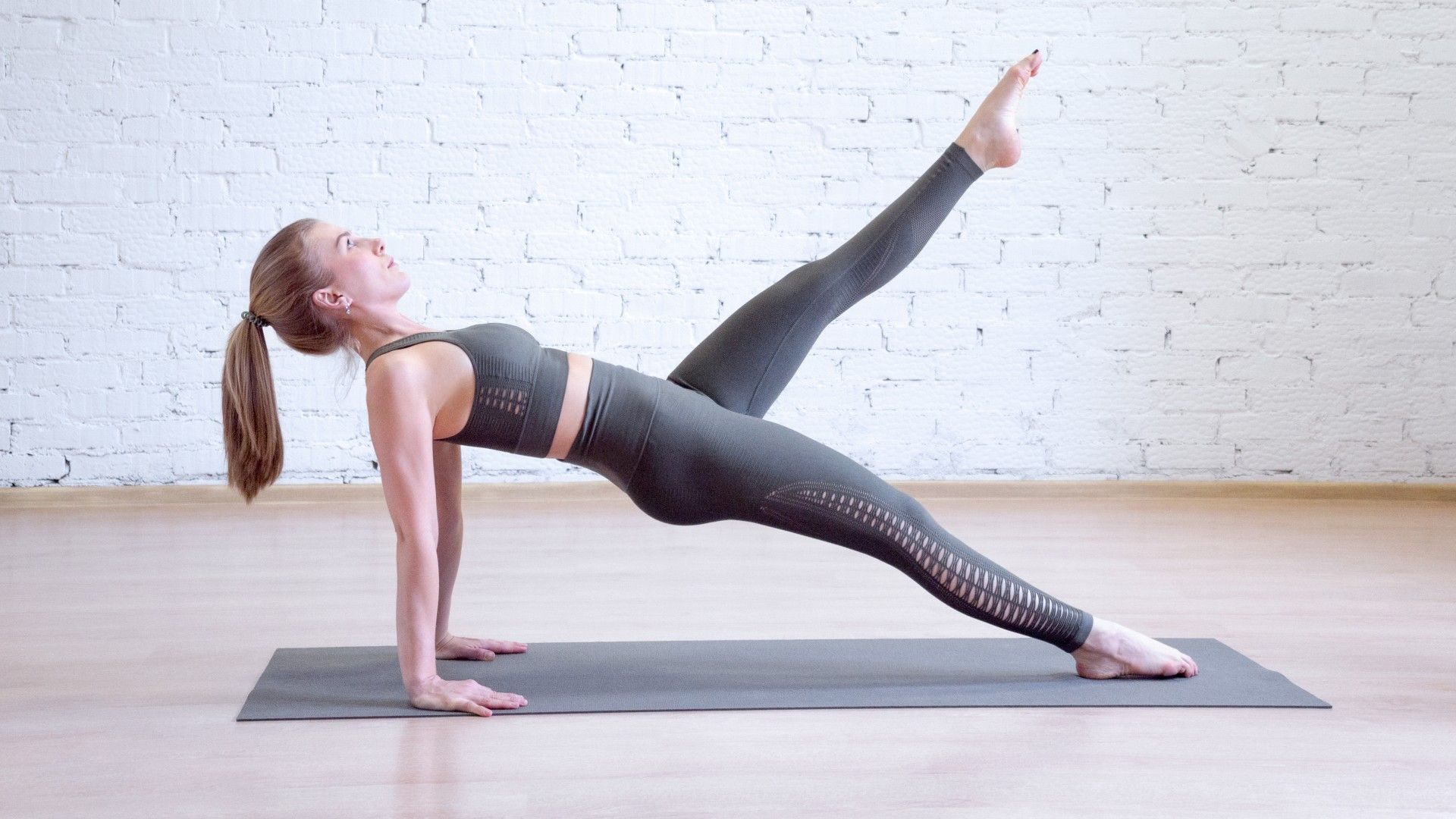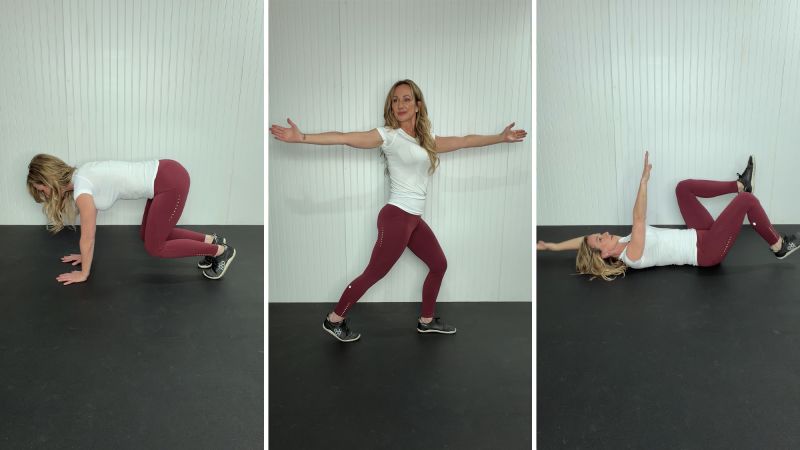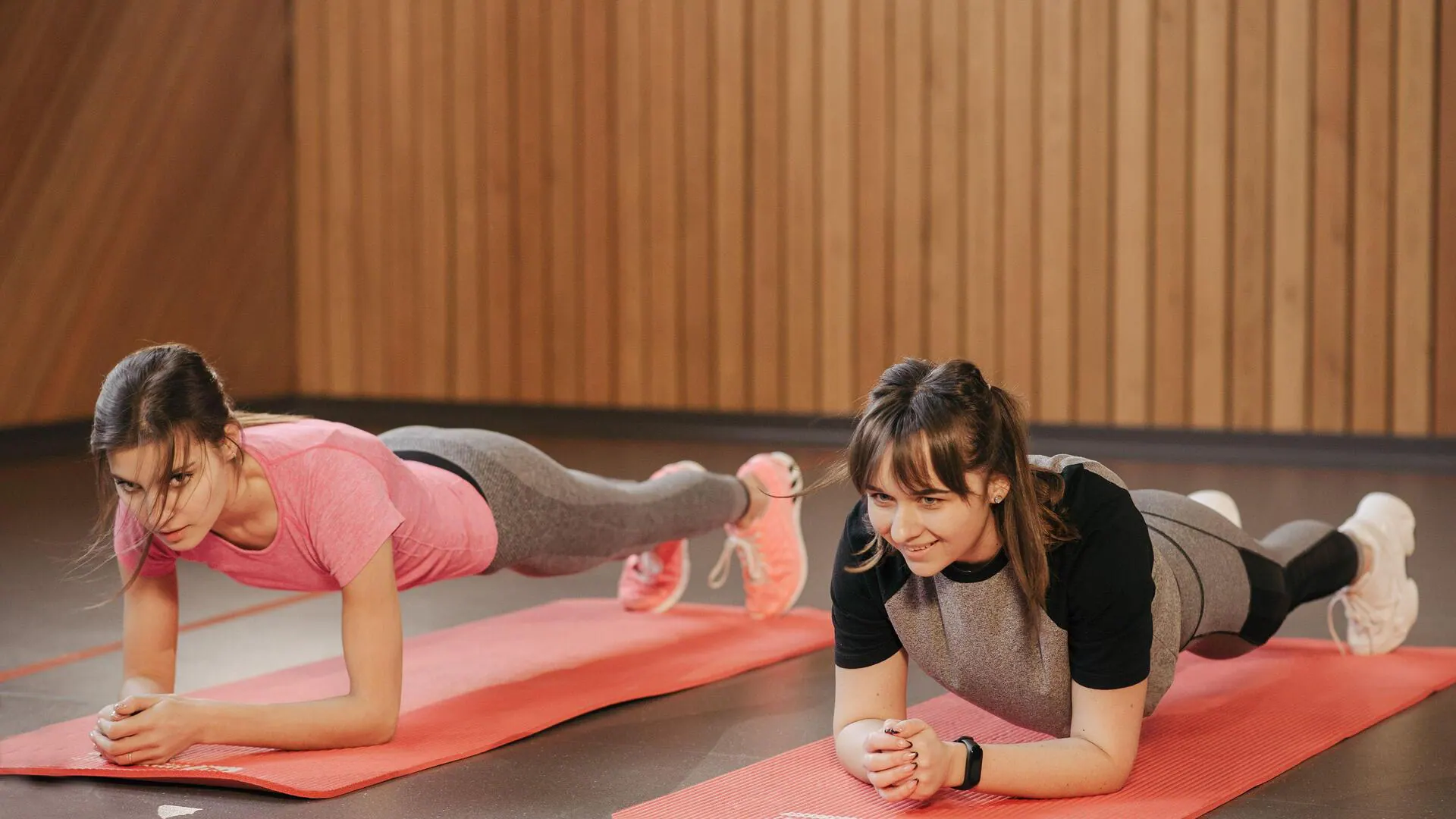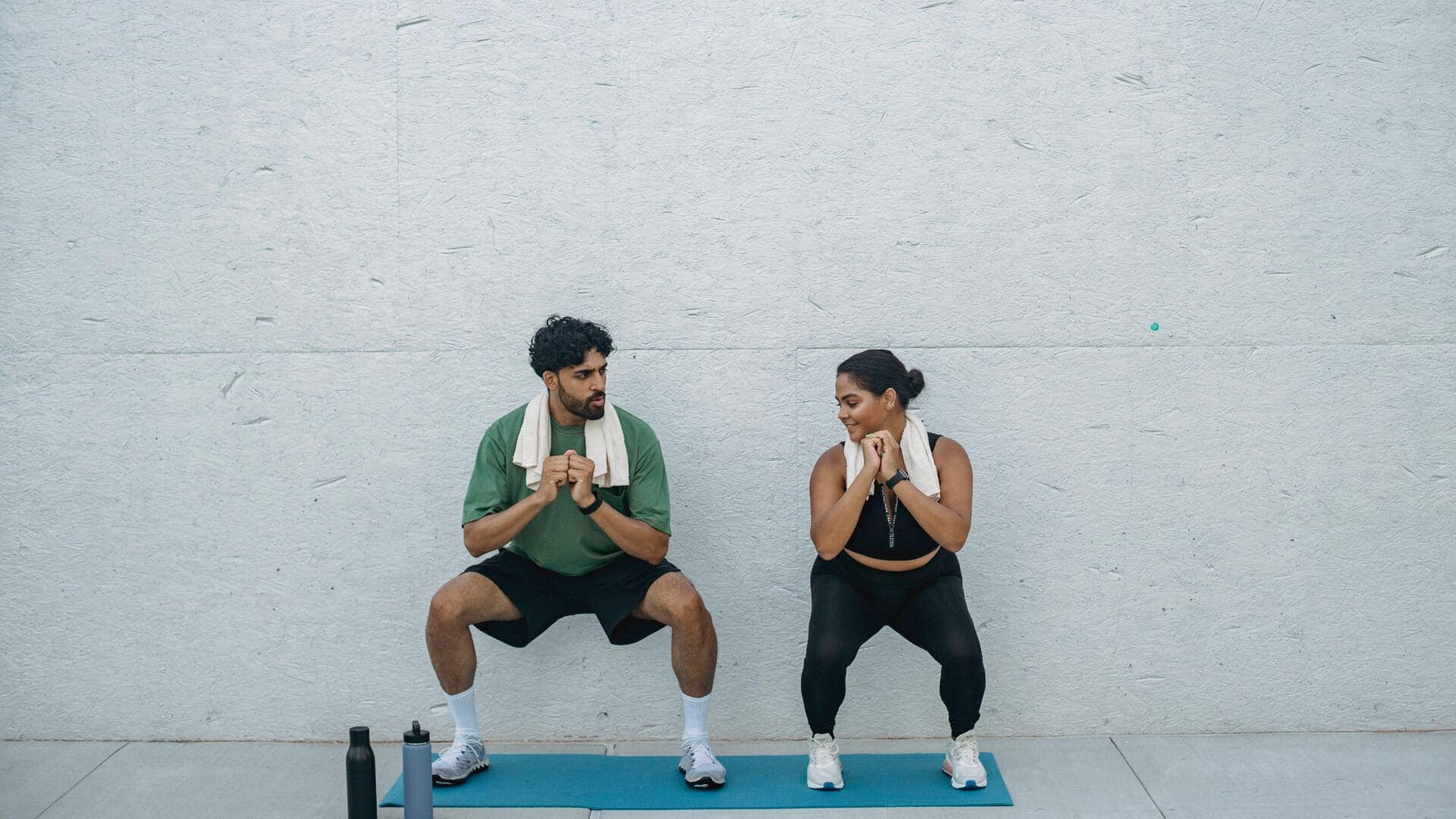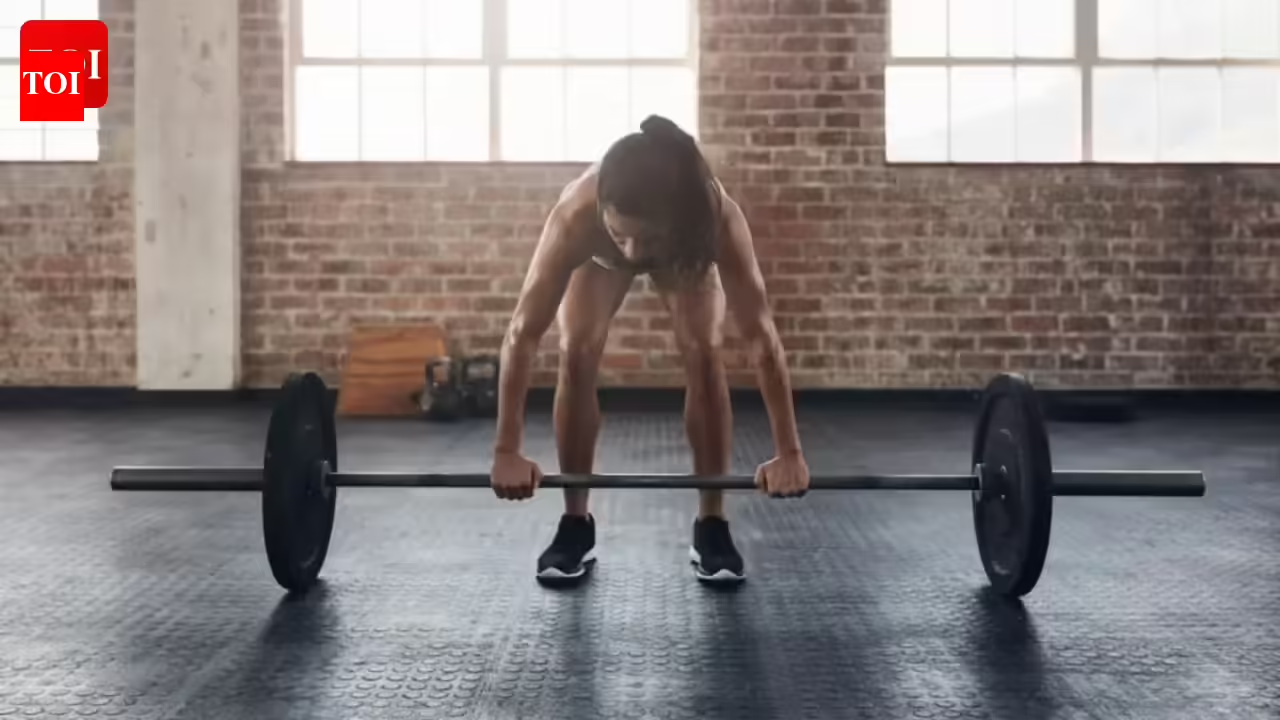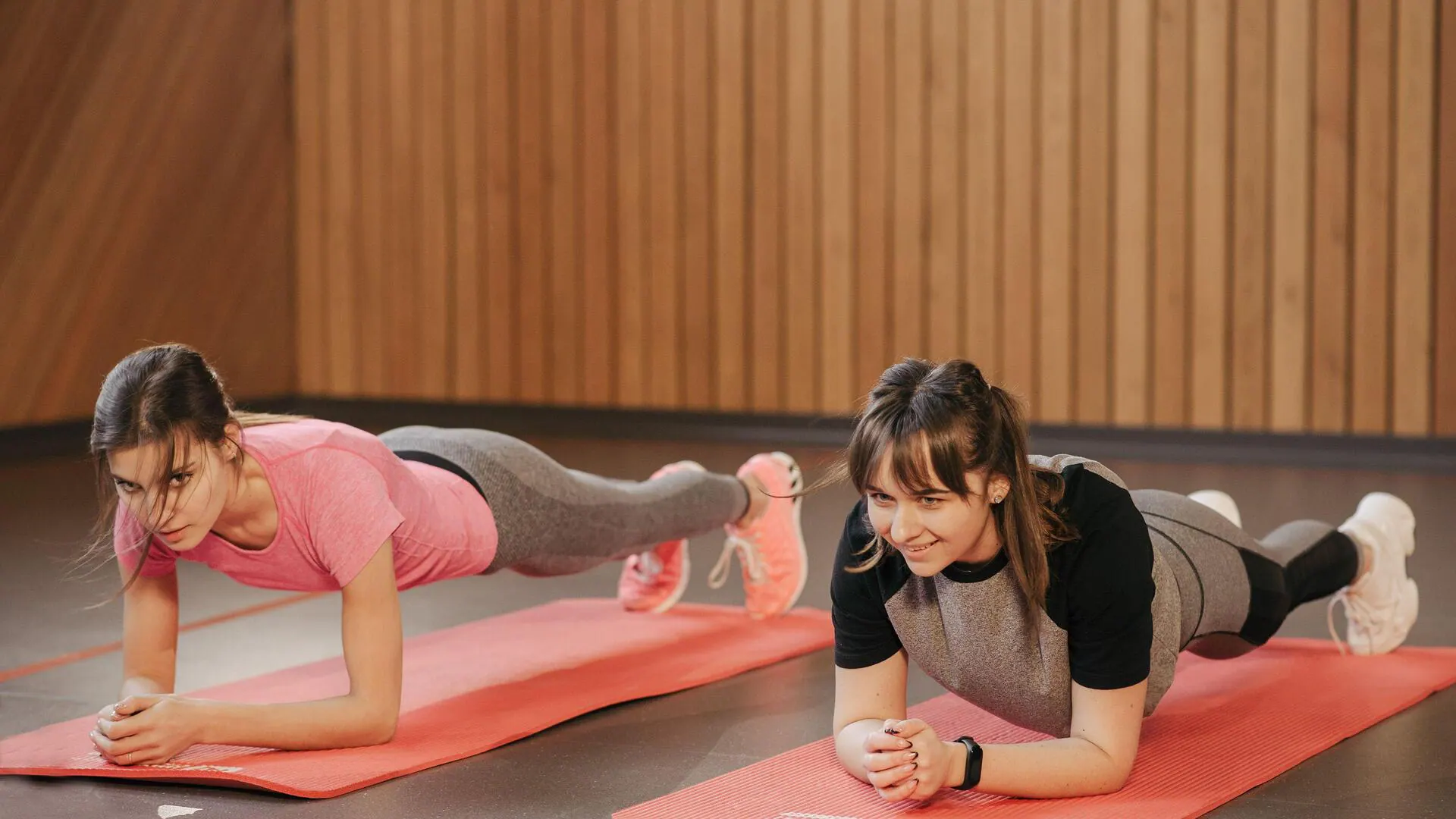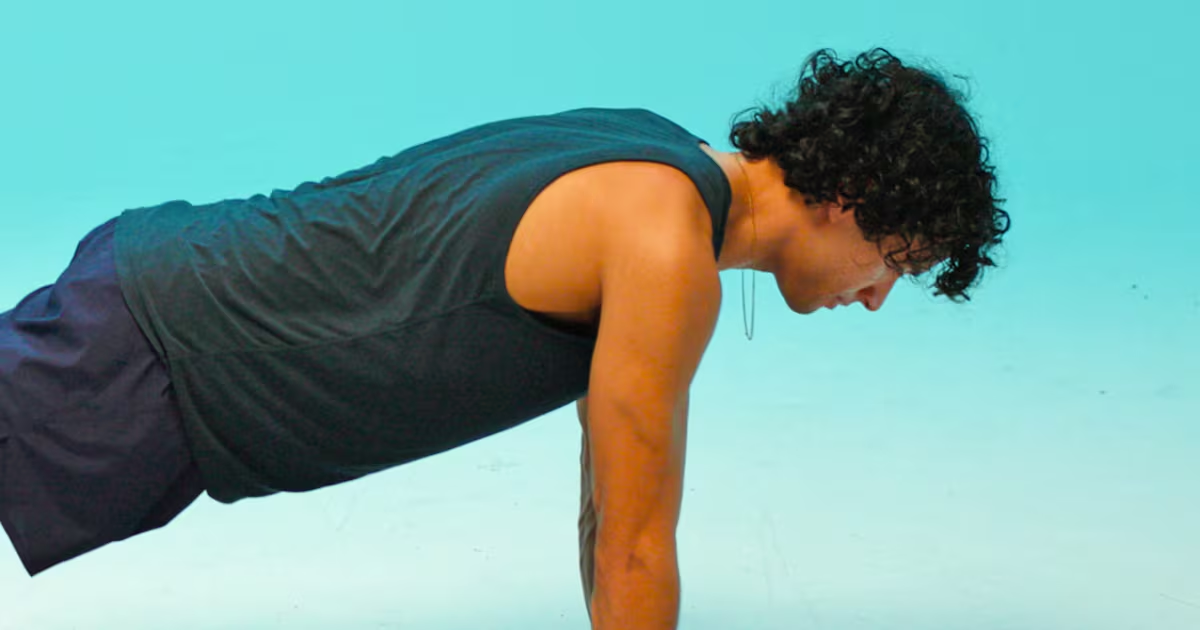
If you’re new to strength training, isometric exercises can be a great place to start. Isometric exercises are static movements where you tighten a muscle without changing its length or moving the joints.So, for these moves, you hold a challenging position – such as a plank, static squat or wall sit – instead of performing repetitions.This approach can be particularly beneficial for beginners and people returning to exercise after an injury, said Esme Hovekamp, a strength and conditioning coach. “You’re giving them an opportunity to build strength in the fundamentals,” she said, before adding weight or dynamic movement.These exercises can also improve your mobility, allowing you to reach a deeper position in movements such as a squat or push-up, said Keith Baar, a professor of molecular exercise physiology with the school of medicine at UC Davis Health who has studied isometric training. And because you’re simply engaging your muscles without moving, isometrics come with a very low risk of hurting yourself, Baar said.This workout, which was designed by Hovekamp, includes exercises that can be performed with either repetitions or isometric holds.If you’re just starting out or recovering from an injury, focus on the isometric hold for a week or two, then try pairing the repetitions with the hold when you feel ready. (After an injury, you should also consult a physiotherapist or doctor about which exercises are appropriate for you.)Just because isometrics can be beginner friendly doesn’t mean they’re easy. “You’re going to be uncomfortable,” Hovekamp said. “Time will slow down. Plank is the big go-to isometric exercise, and nothing slows down time like a plank.”[ What are the best exercises for back pain? Here’s what doctors recommendOpens in new window ]Her advice: Focus on your breath. Breathe as slowly and deeply as you can, and “time will start moving”.OverviewTime: 25 to 35 minutesIntensity: Low to mediumWhat you’ll needA matOptional: a sturdy elevated surface for a modified push-upHow oftenYou can perform the workout up to three or four times a week. Just give yourself a day of rest between workouts, Hovekamp said.Warm-upHold each movement for 10 to 20 seconds (per side, if applicable), once through. After you’ve performed this routine regularly for a week or two, try performing 10 repetitions – holding the position briefly on each repetition before returning to the start – and finishing with an isometric hold.Glute bridgePurpose: Strengthens glutes, hamstrings and coreLie on your back with your knees bent and your feet on the floor about hip-width apart. Engage your core and push into your feet to lift your hips off the floor until your body forms a straight line from shoulders to knees. Contract your glutes at the top and hold for 10 to 20 seconds – then lower with control. You can have your arms by your sides for support or raise them toward the ceiling to challenge your core.Bird dogPurpose: Strengthens core, lower back, glutes and shouldersStart on all fours. Extend your right arm in front of you and your left leg behind, actively reaching in opposite directions. Keep your hips and shoulders square to the floor, and avoid letting your lower back arch. Hold for 10 to 20 seconds, then switch sides. To increase the difficulty, elevate your bottom knee about an inch off the floor.Dead bugPurpose: Strengthens core and hip flexorsLie on your back with your arms reaching straight up and your legs in a tabletop position. Extend your right arm back, near your ear, and extend your left leg to a low angle above the floor. Try not to let your lower back arch off the floor. Hold for 10 to 20 seconds. Return to the start position and alternate sides.SuperhumanPurpose: Strengthens lower back and glutesLie facedown with your arms extended ahead of you on the floor. Lift your arms, chest and legs off the ground at the same time, keeping your gaze down and your neck long. Hold for 10 to 20 seconds at the top before lowering with control.Split squat isometricPurpose: Strengthens quads and glutesStart on the ground in a half-kneeling position. (You can cushion your bottom knee if needed.) Press into your feet to hover your back knee 1 to 2 inches off the floor. Keep your hips square, your shoulders stacked over your hips and your front knee aligned over your middle toe as you hold. Then lower with control.[ Ireland’s hybrid fitness movement: ‘I just thought, I’m going to be bigger than everyone else’Opens in new window ]To make this harder, lift your front heel and perform the exercise with your front foot on tiptoes.Push-up isometricPurpose: Strengthens chest, shoulders, triceps and coreLower into a push-up and stop at least halfway down. Once there, keep your elbows bent at about 45 degrees, your rib-cage down, your glutes and quads active and your body in a straight line. Hold without letting your hips raise or drop. Then press back to the start.[ Seventeen of the best exercises personal trainers recommendOpens in new window ]You can make this exercise easier by performing it on your knees, or with your hands on an elevated surface like a countertop. You can make it harder by lowering your chest closer to the floor, but not touching.Kickstand deadlift with overhead reachPurpose: Strengthens glutes and core, and improves balanceStand tall, and bring one foot slightly behind you with your heel raised, in a kickstand position. Lift your arms by your ears as you hinge at the hips, bringing your torso to a low angle, as close to parallel to the floor as you can get while keeping your spine long. Hold that pose, maintaining a soft bend in your standing knee and keeping both hips pointed toward the floor. Return to standing, then switch sides.You can make this exercise easier by performing it as a normal deadlift, with your feet aligned and hip-width apart. To make it harder, allow your back leg to raise off the floor.Side plankPurpose: Strengthens core, improves shoulder stabilityLie on your side with your elbow under your shoulder. Lift your hips to create a straight line from head to feet. Keep your shoulders stacked and glutes engaged while you hold, and reach your top arm up toward the ceiling. Then lower with control.To make this exercise easier, unstack your feet or place your bottom knee on the floor. To make it harder, lift your top leg.Hollow body holdPurpose: Strengthens the deep core and the hip flexorsLie on your back with your arms overhead. Press your lower back into the floor and use your abdominal muscles to lift your arms, head and legs off the floor into a banana-like shape. Hold, then lower with control.Strength circuitHold each movement for 10 to 30 seconds (per side, if applicable) and repeat the circuit for three or four rounds total. Once you’ve performed the circuit regularly for a week or two, try performing eight to 10 repetitions and finishing with an isometric hold. – This article originally appeared in The New York TimesAnna Maltby is a personal trainer, a mat Pilates instructor and the author of the newsletter How to Move
New to strength training? This is a good place to start, with no equipment needed
Isometric exercises are static movements where you hold a challenging position instead of performing repetitions
1,178 words~5 min read