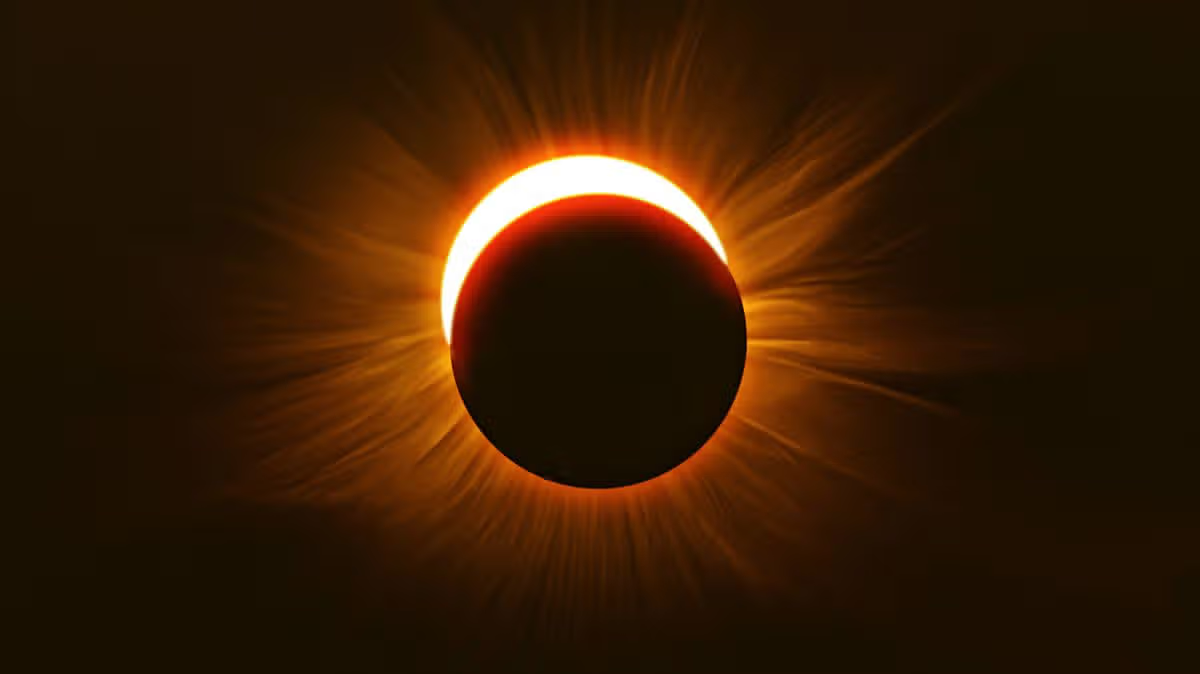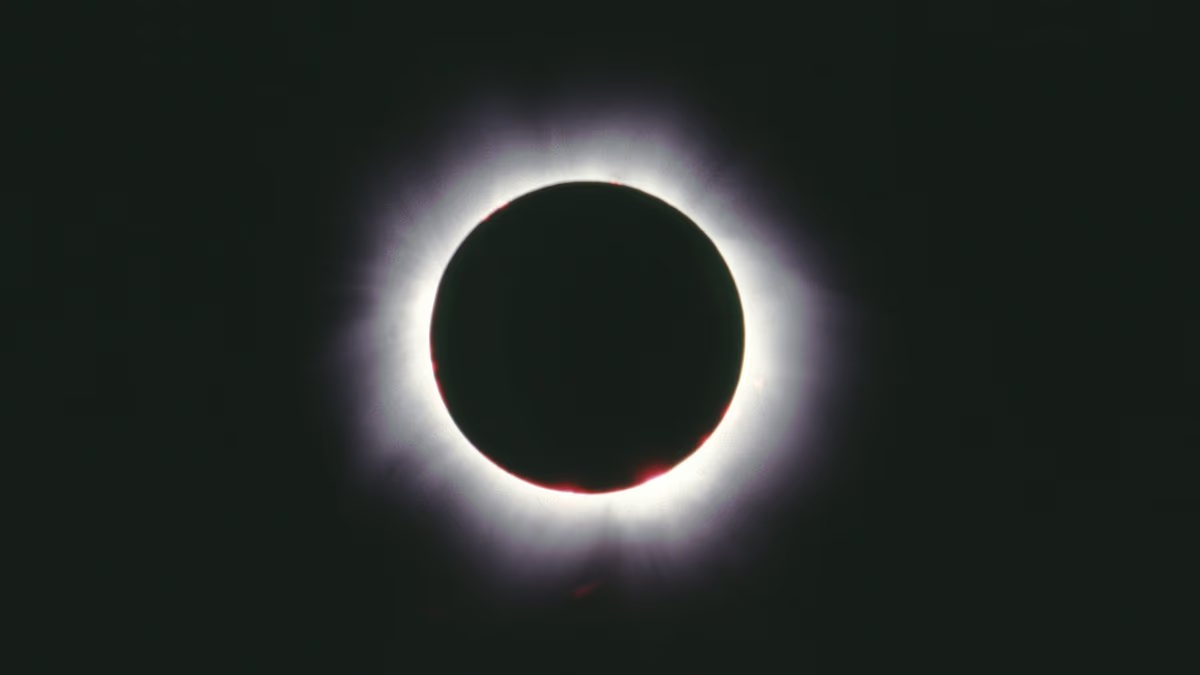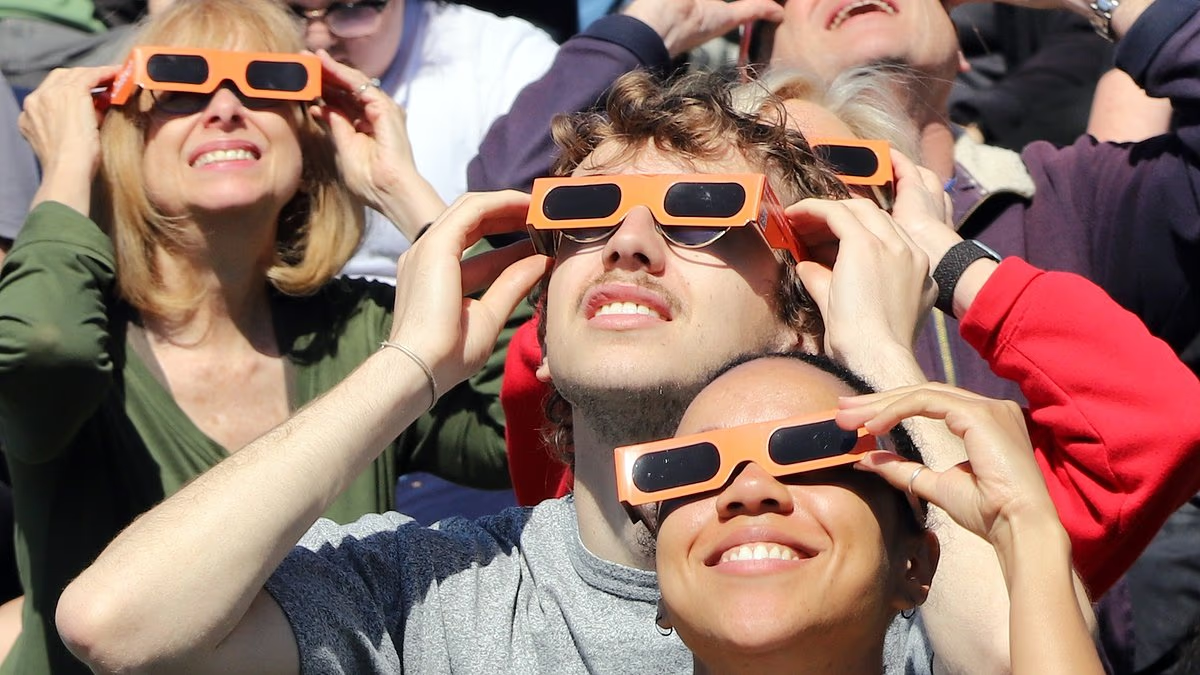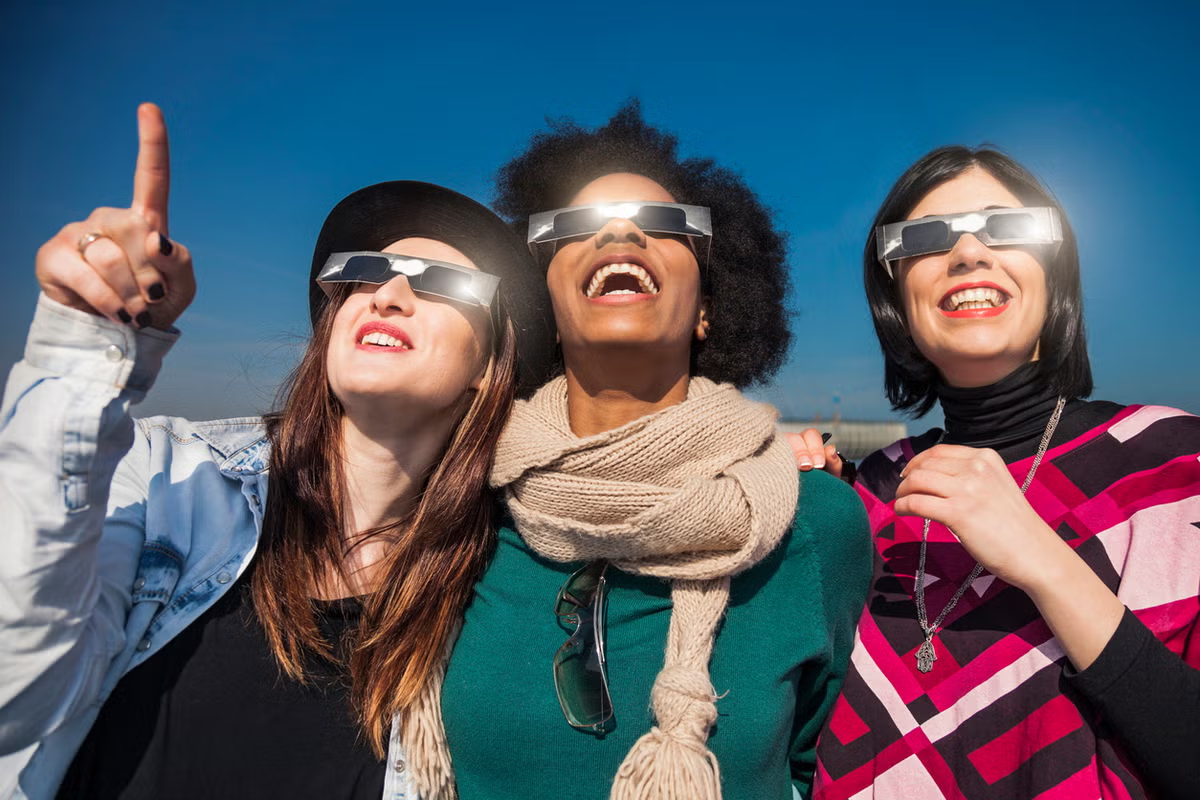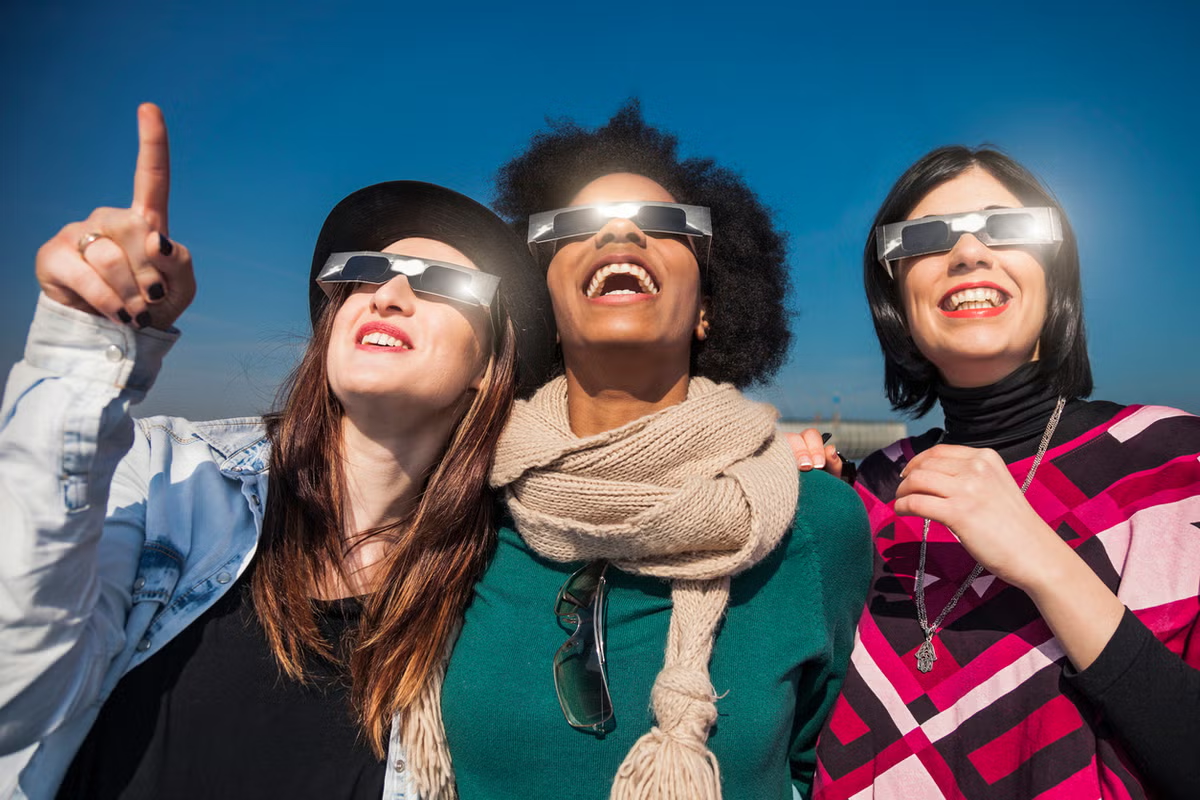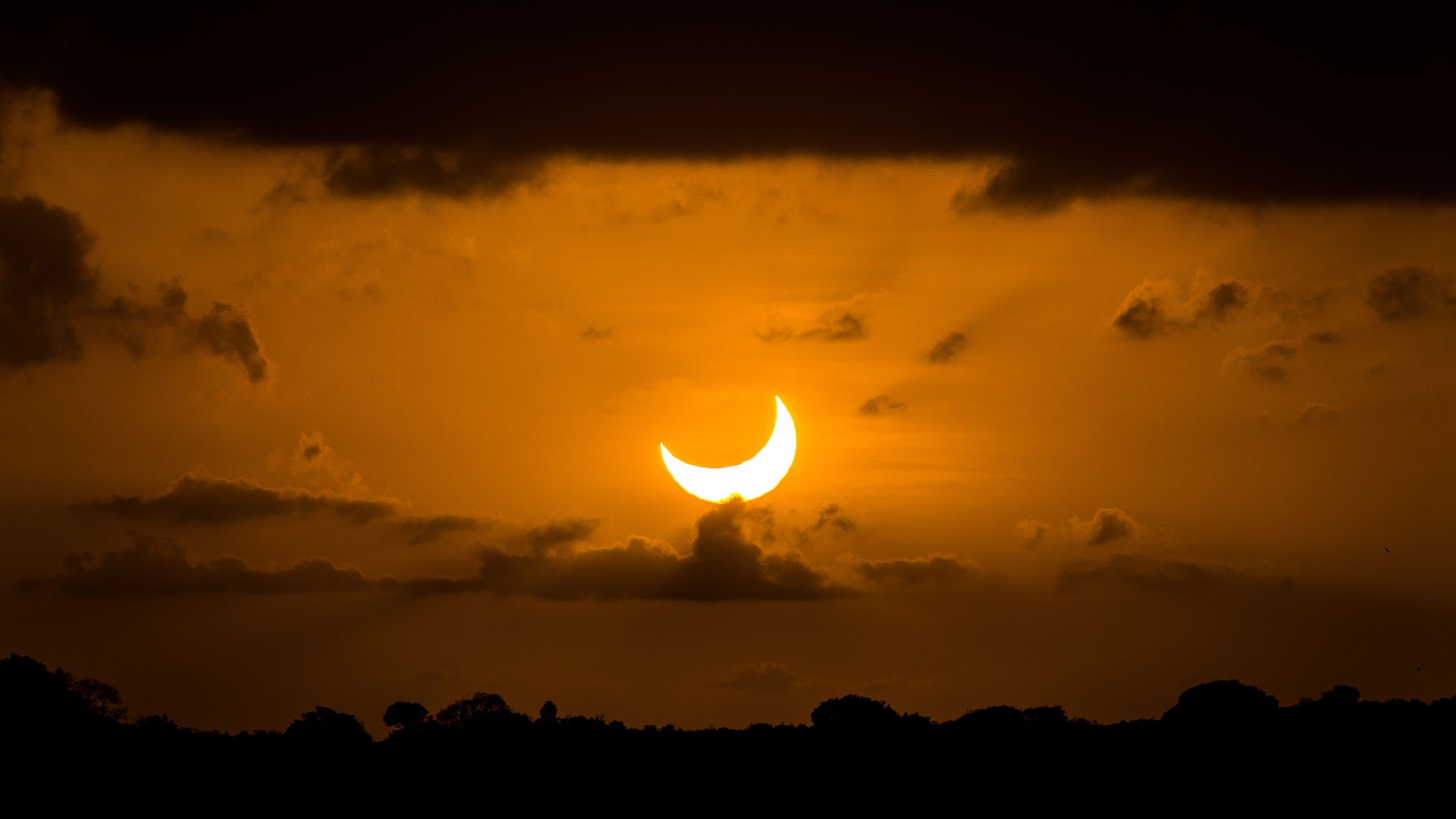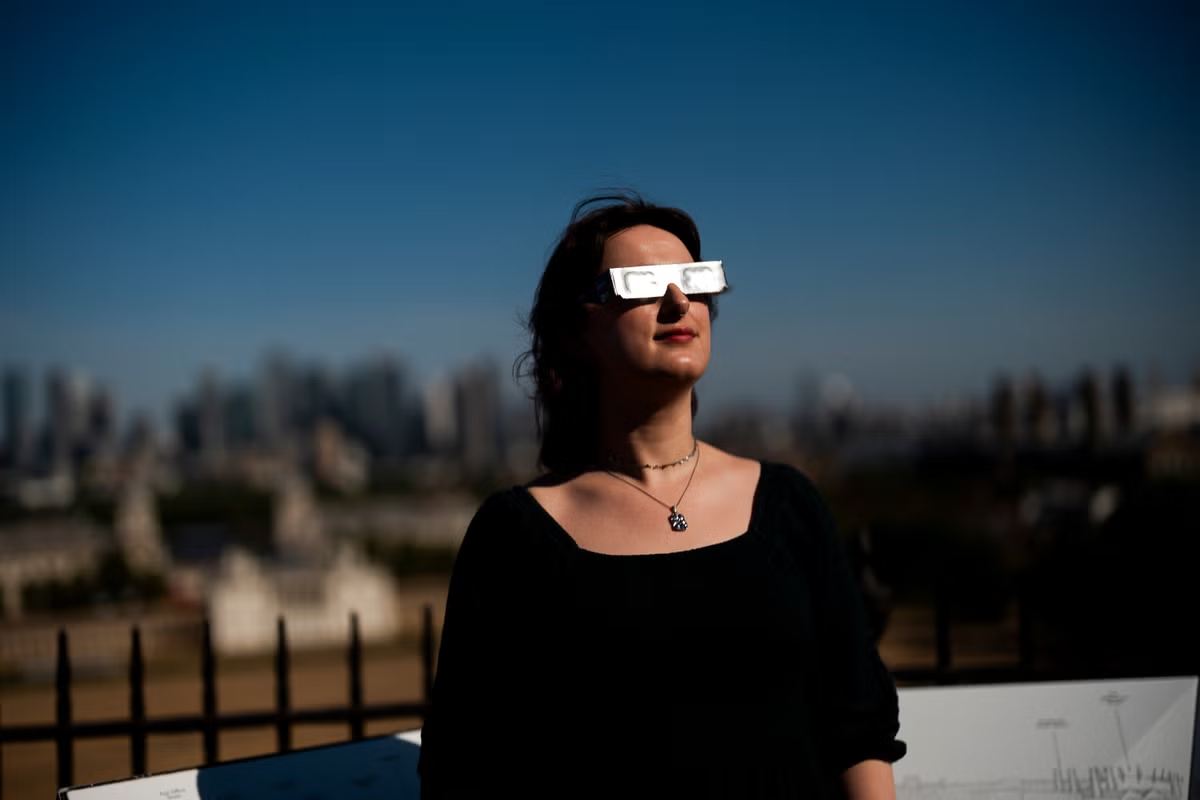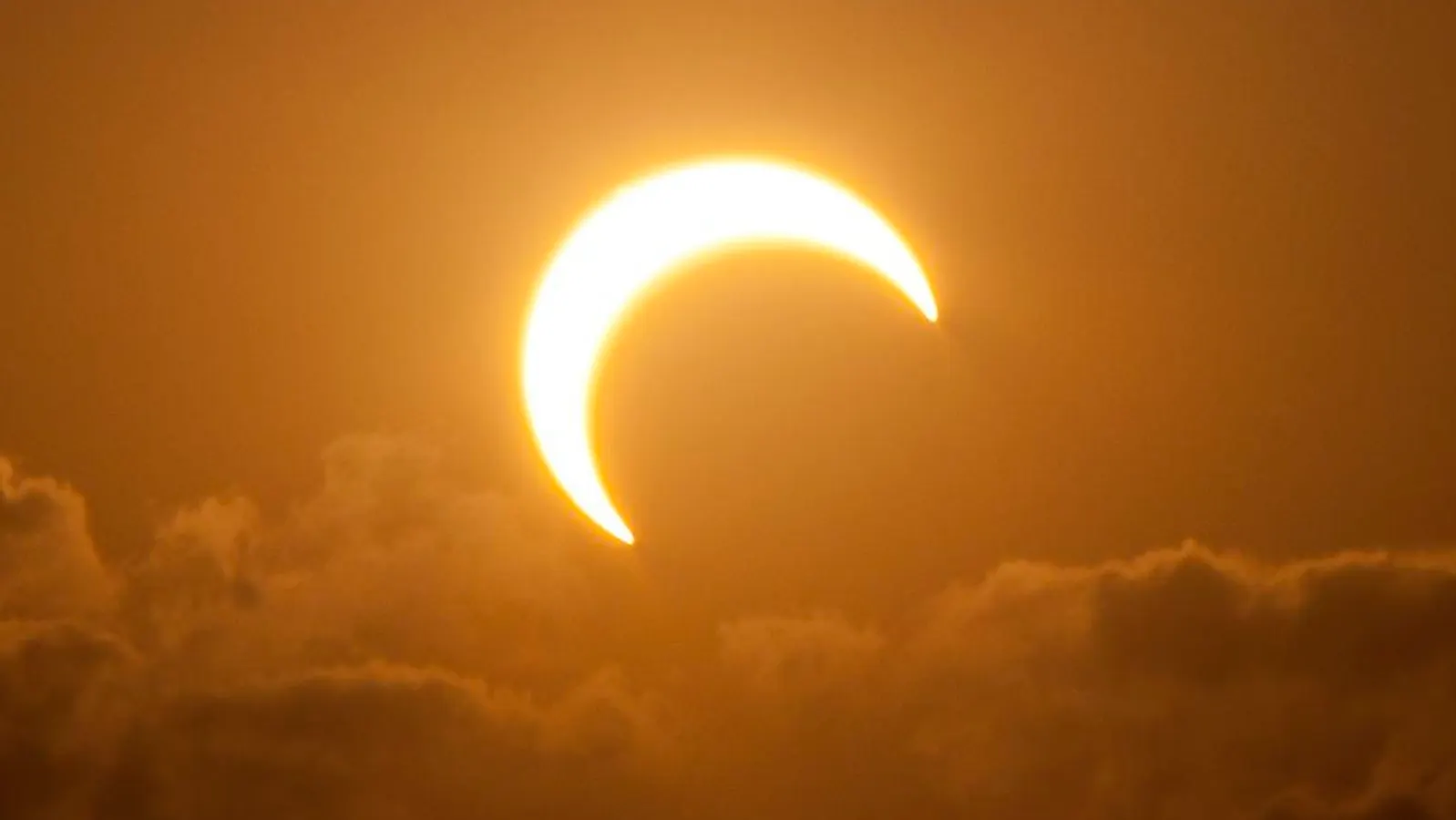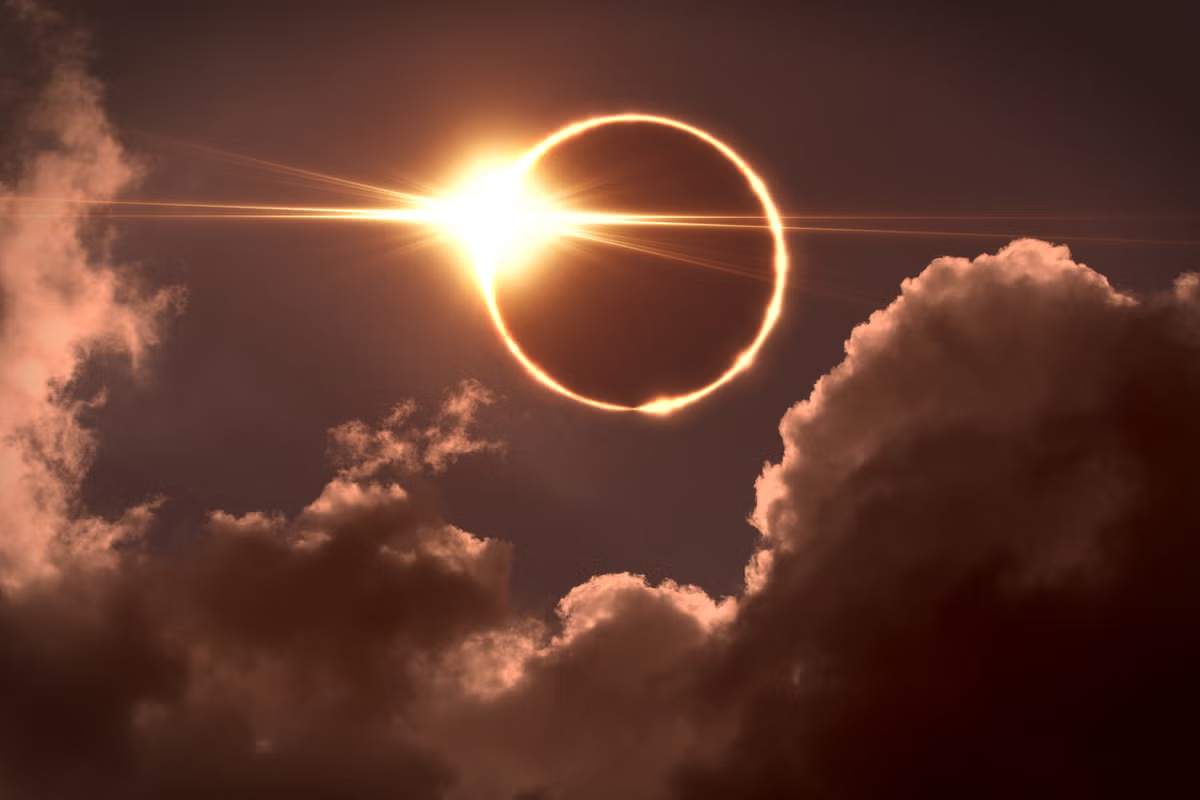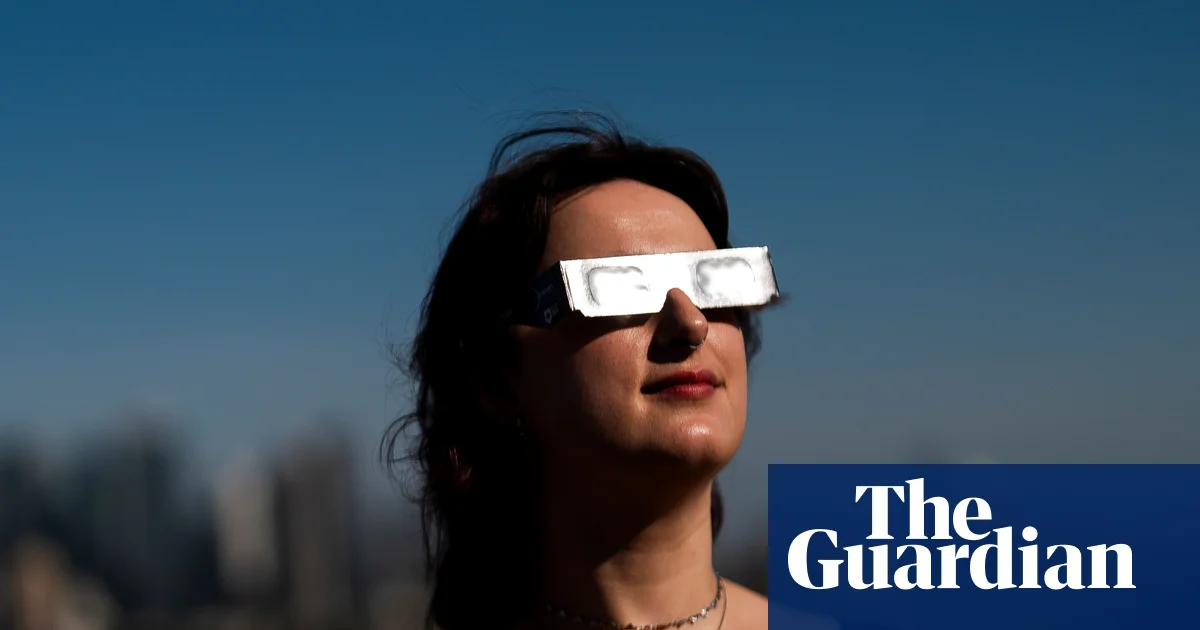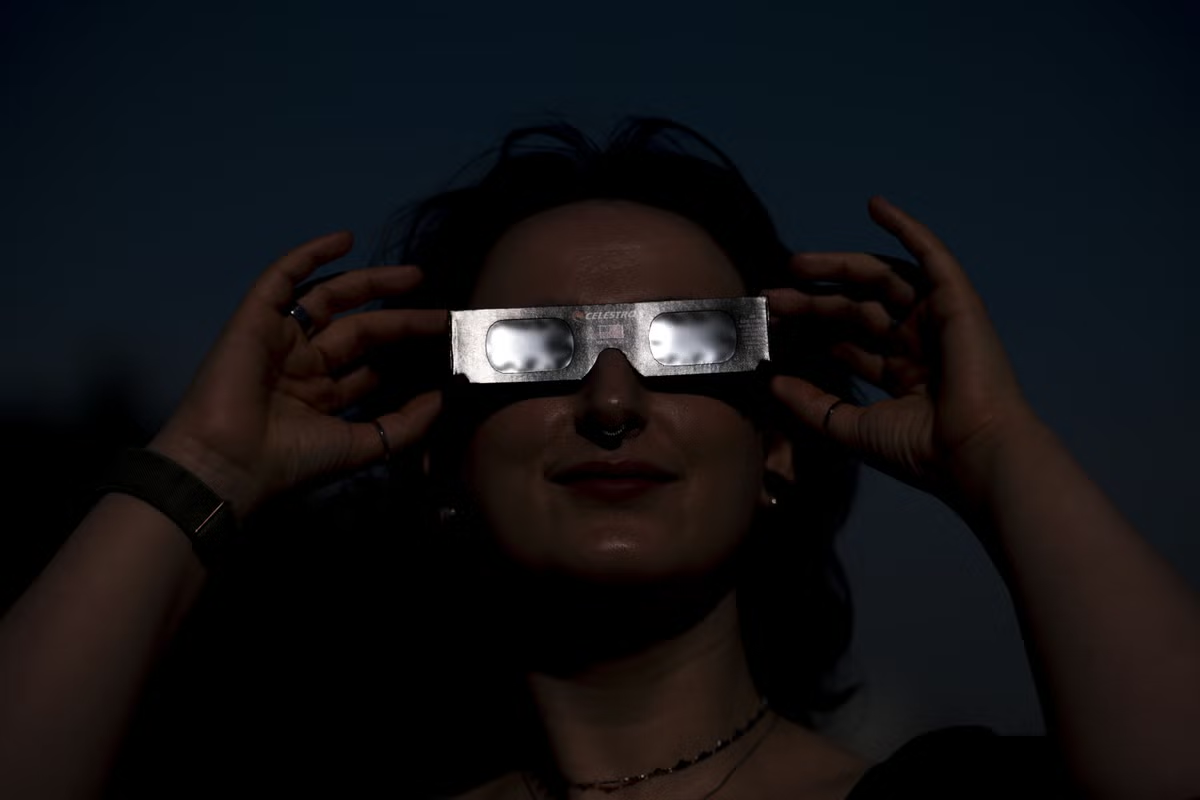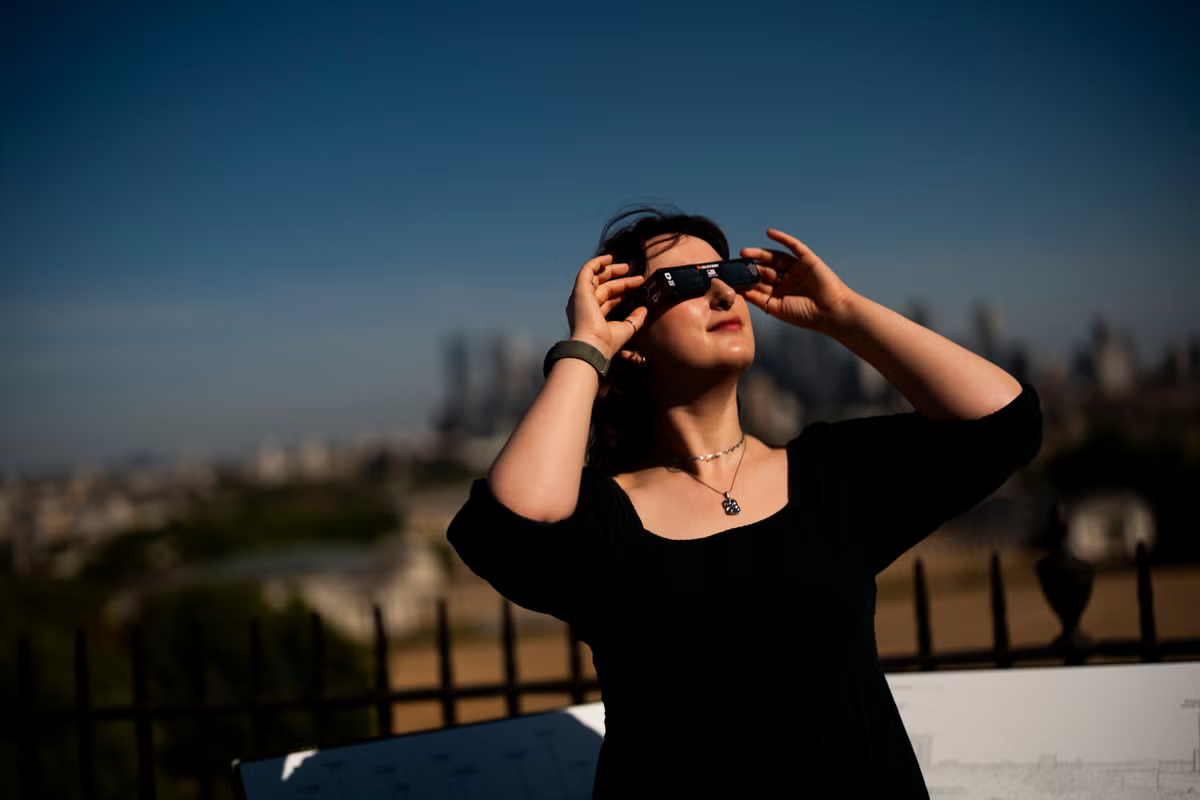
A dramatic solar eclipse is just days away from sweeping across the UK - here are the key timings for locations across the country05:30, 10 Aug 2026A spectacular solar eclipse will sweep across the UK on Wednesday, August 12 - but the timing of the celestial event will vary depending on your location.That evening, the Moon will pass directly between the Sun and Earth, blocking some or all of the Sun's light from parts of our planet and casting a dramatic shadow across the Northern Hemisphere.Much of Europe, including the UK, as well as parts of Canada, the northern United States and north-west Africa, will experience a striking partial eclipse.In many locations across the UK, more than 90 per cent of the Sun's visible disc will be covered by the Moon. Those in the south-west of the British Isles will see the greatest eclipse coverage, according to the Royal Observatory Greenwich.A total eclipse - when the Moon completely covers the Sun, leaving observers within the darkest part of the Moon's shadow - will be visible from parts of northern Spain, the north-east corner of Portugal, eastern Greenland, western Iceland, northern Russia and the Atlantic Ocean.An interactive map from astronomical tracking site Time and Date allows users to select a location to find out when the eclipse will begin, reach its maximum and end, as well as the maximum coverage at that location.Based on this data, the eclipse will occur at the following times in the UK:EnglandBirmingham - Eclipse coverage: 91 per centEclipse starts: 6.15pmEclipse reaches maximum: 7.11pmEclipse ends: 8.05pmBristol - Eclipse coverage: 92 per centEclipse starts: 6.17pmEclipse reaches maximum: 7.13pmEclipse ends: 8.07pmCornwall - Eclipse coverage: 95 per centEclipse starts: 6.18pmEclipse reaches maximum: 7.15pmEclipse ends: 8.09pmLiverpool - Eclipse coverage: 91 per centEclipse starts: 6.13pmEclipse reaches maximum: 7.10pmEclipse ends: 8.04pmLondon - Eclipse coverage: 91 per centEclipse starts: 6.17pmEclipse reaches maximum: 7.13pmEclipse ends: 8.06pmManchester - Eclipse coverage: 91 per centEclipse starts: 6.13pmEclipse reaches maximum: 7.10pmEclipse ends: 8.03pmSouthampton - Eclipse coverage: 92 per centEclipse starts: 6.18pmEclipse reaches maximum: 7.14pmEclipse ends: 8.07pmScotlandAberdeen - Eclipse coverage: 89 per centEclipse starts: 6.06pmEclipse reaches maximum: 7.03pmEclipse ends: 7.57pmDundee - Eclipse coverage: 90 per centEclipse starts: 6.07pmEclipse reaches maximum: 7.04pmEclipse ends: 7.59pmEdinburgh - Eclipse coverage: 90 per centEclipse starts: 6.08pmEclipse reaches maximum: 7.05pmEclipse ends: 8.00pmFort William - Eclipse coverage: 91 per centEclipse starts: 6.06pmEclipse reaches maximum: 7.04pmEclipse ends: 7.59pmGlasgow - Eclipse coverage: 91 per centEclipse starts: 6.08pmEclipse reaches maximum: 7.06pmEclipse ends: 8.00pmInverness - Eclipse coverage: 90 per centEclipse starts: 6.05pmEclipse reaches maximum: 7.03pmEclipse ends: 7.57pmLerwick - Eclipse coverage: 88 per centEclipse starts: 6.01pmEclipse reaches maximum: 6.58pmEclipse ends: 7.52pmWalesAberystwyth - Eclipse coverage: 93 per centEclipse starts: 6.15pmEclipse reaches maximum: 7.12pmEclipse ends: 8.06pmBangor - Eclipse coverage: 92 per centEclipse starts: 6.13pmEclipse reaches maximum: 7.10pmEclipse ends: 8.04pmCardiff - Eclipse coverage: 93 per centEclipse starts: 6.16pmEclipse reaches maximum: 7.13pmEclipse ends: 8.07pmColwyn Bay - Eclipse coverage: 92 per centEclipse starts: 6.13pmEclipse reaches maximum: 7.10pmEclipse ends: 8.04pmNewport - Eclipse coverage: 93 per centEclipse starts: 6.16pmEclipse reaches maximum: 7.13pmEclipse ends: 8.07pmNewtown - Eclipse coverage: 92 per centEclipse starts: 6.15pmEclipse reaches maximum: 7.11pmEclipse ends: 8.05pmSwansea - Eclipse coverage: 93 per centEclipse starts: 6.16pmEclipse reaches maximum: 7.13pmEclipse ends: 8.07pmNorthern IrelandArmagh - Eclipse coverage: 93 per centEclipse starts: 6.10pmEclipse reaches maximum: 7.08pmEclipse ends: 8.03pmBelfast - Eclipse coverage: 93 per centEclipse starts: 6.10pmEclipse reaches maximum: 7.08pmEclipse ends: 8.03pmCraigavon - Eclipse coverage: 93 per centEclipse starts: 6.10pmEclipse reaches maximum: 7.08pmEclipse ends: 8.03pmLisburn - Eclipse coverage: 93 per centEclipse starts: 6.10pmEclipse reaches maximum: 7.08pmEclipse ends: 8.03pmLondonderry - Eclipse coverage: 93 per centEclipse starts: 6.09pmEclipse reaches maximum: 7.07pmEclipse ends: 8.02pmOmagh - Eclipse coverage: 93 per centEclipse starts: 6.10pmEclipse reaches maximum: 7.08pmEclipse ends: 8.03pmThe Time and Date website says that while the "eclipse information presented on its map is determined mathematically to a high degree of accuracy", "total accuracy is impossible to achieve".It explains: "if you are in a location that is very close to the edge of the area experiencing totality or annularity during a solar eclipse, it may be wise to move a few hundred meters toward the center of that area to be on the safe side."Don't forget your eclipse glasses - or make a safe alternative at homeHealth officials have advised those planning to watch the eclipse to use specially designed eclipse glasses or handheld solar viewers to protect their eyes from harmful solar radiation."Ordinary sunglasses - no matter how dark - do not provide adequate protection for viewing a solar eclipse," the UK Health Security Agency has warned.The Royal College of Ophthalmologists reported around 70 cases of people experiencing vision problems after viewing the 1999 solar eclipse, during which a total eclipse was visible across much of Cornwall and Devon. Around 40 per cent of those affected had observed it for less than a minute.If you're planning to use eclipse glasses, make sure they are genuine and comply with the international safety standard ISO 12312-2:2015(E). The certification code should be printed somewhere on the glasses.For those without eclipse glasses, there are other ways to watch the eclipse safely using items you may already have at home.Article continues belowMake a simple pinhole projector and project the Sun’s image onto a sheet of paper.View the Sun’s image projected through a colander or the gaps between tree leaves.You can also watch the eclipse online. The European Space Agency is hosting a live webcast from Spain's Astrophysical Observatory of Javalambre, alongside a public celebration in León. NASA will also provide coverage, as will the Italy-based Virtual Telescope Project, among others.
Exact times Solar Eclipse happening across UK on Wednesday - every area listed
A dramatic solar eclipse is just days away from sweeping across the UK - here are the key timings for locations across the country
907 words~4 min read