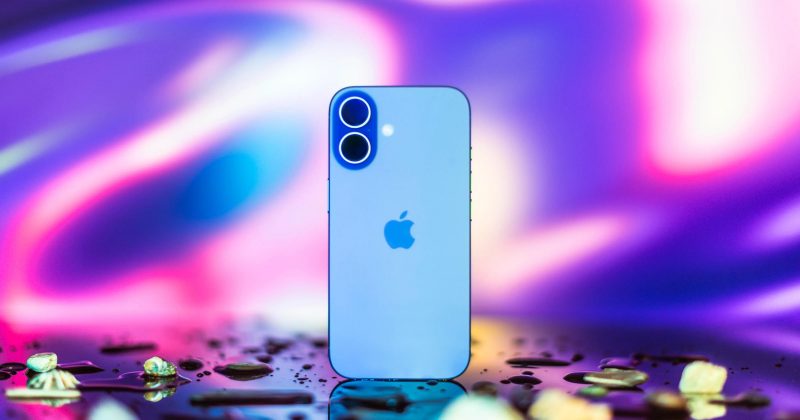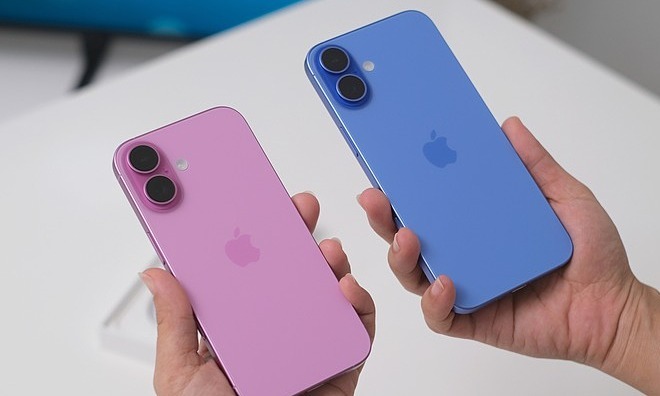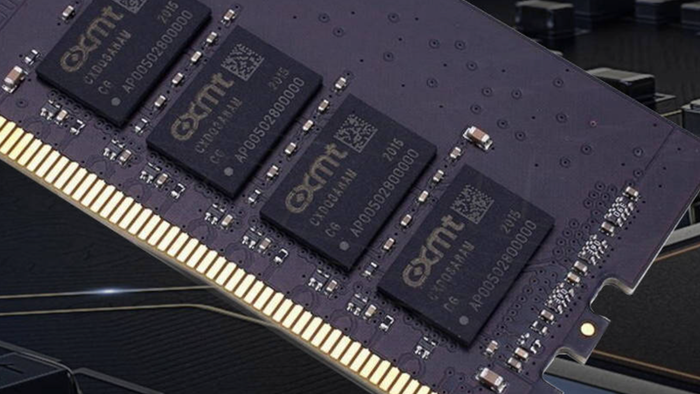
Apple is testing memory chips for its iPhones and MacBooks to see if they can be incorporated using chips produced by China's ChangXin Memory Technologies, or CXMT, according to sources who are familiar with the matter. At the same time, AI's surge is sending data center memory demand to historic highs, thereby restricting supplies for standard DRAM and consequently increases prices for those designing consumer electronics.This reported testing could turn into a significant shift in Apple's supply chain. CXMT is China's leading DRAM maker, and it's been rapidly scaling up production capacity, but the company's also facing growing scrutiny out of Washington. Apple's reportedly looking at CXMT memory specifically for devices sold in China, while it tries to get more clarity on the regulatory side of things before committing to anything broader.About The AuthorHey there, i am a technology enthusiast with a deep passion for gadgets, consumer electronics, emerging technologies, and the fast-paced world of digital innovation. Constantly exploring the latest tech trends, product launches, and industry developments, I enjoy translating complex technological advancements into engaging and accessible stories for readers. My interests span smartphones, wearables, artificial intelligence, smart devices, and the broader technology ecosystem. As I begin my journey as a Tech Journalist at Gadgets Now, I am excited to contribute to a platform that informs millions of readers, combining my passion for technology with storytelling to deliver insightful, accurate, and timely tech coverage.Apple hasn't confirmed this testing publicly, and CXMT hasn't commented either. It's also worth being clear here, this reported evaluation doesn't mean Apple's actually approved CXMT as a commercial supplier, or that any final supply agreement's been reached.How Apple Is Testing CXMT's Memory ChipsApple's reported engagement with CXMT is still sitting at the testing and early discussion stage, not anything close to a confirmed commercial supply relationship.People familiar with the matter say Apple's evaluating CXMT's DRAM for products including iPhones and MacBooks, with devices headed for the Chinese market potentially among the first to actually use it. This testing matters because Apple has to check the performance, reliability, and manufacturing consistency of any component thoroughly before it can even be considered for large scale deployment.The Wall Street Journal reported that Apple and CXMT have discussed a potential supply relationship, though earlier reporting made clear no final commercial agreement had been reached. Reuters later reported on the WSJ account too, but said it hadn't independently verified the underlying report itself.For now, the most important distinction here is pretty simple, Apple is testing CXMT memory, it hasn't announced it'll actually use CXMT memory in future commercial products. Whether that ever happens will really depend on technical qualification, available production capacity, commercial terms, and how the regulatory landscape shakes out.What Is CXMT?ChangXin Memory Technologies, or CXMT, is a Chinese semiconductor company specializing in DRAM, the type of memory used widely across smartphones, computers, servers, and pretty much every other electronic device you can think of.More articles by AuthorTrending StoriesCXMT has grown fast, going from a mostly domestic manufacturer into a genuinely significant global DRAM producer. Reuters reported that CXMT's 2025 DRAM market share hit around 7.7%, making it the world's fourth largest DRAM manufacturer, sitting behind Samsung Electronics, SK hynix, and Micron Technology.Separate industry estimates have put CXMT's share of global DRAM wafer capacity at roughly 11%. Worth noting, these two numbers measure different things entirely, market share reflects commercial output or revenue, while wafer capacity measures actual manufacturing capability. They shouldn't be treated as interchangeable.CXMT keeps expanding its manufacturing footprint too. Reuters reported the company's planning another 12 inch DRAM plant in Beijing, and additional production projects could push its capacity up substantially over time. The company also raised billions of dollars through its 2026 Shanghai listing, aiming to fund even more expansion going forward.CXMT still trails Samsung, SK hynix and Micron in some of the more advanced memory categories, particularly high bandwidth memory, or HBM, which is heavily used in AI accelerators. Even so, its rapid growth is turning it into an increasingly important competitor in conventional DRAM specifically.Why Apple Is Looking at CXMTApple's interest in CXMT is landing at a genuinely tough moment for the global memory industry.The rapid buildout of AI data centers has dramatically increased demand for server DRAM and HBM. Memory manufacturers have been shifting more production capacity toward these higher value products, which is tightening supplies of the conventional DRAM used in PCs, phones, and other everyday consumer devices.Industry research firms have forecast sharp increases in conventional DRAM prices, as suppliers struggle to keep up with demand. TrendForce has repeatedly warned that AI related server demand is eating up more and more memory capacity, putting real upward pressure on prices across the board.Apple's already feeling this. The company raised prices on MacBooks and iPads in 2026 amid rising memory and storage costs, tying those increases directly to higher component expenses. The iPhone wasn't part of that particular price hike though.So for Apple, CXMT's appeal probably isn't that its chips are dramatically cheaper. Reports suggest some CXMT products are priced comparably to, and in some cases even higher than, memory supplied by Samsung, SK hynix, and Micron.The bigger potential benefit here is really supply diversification.Apple currently leans heavily on a fairly small group of major memory suppliers. Qualifying another DRAM manufacturer could give the company an extra source of supply, strengthen its negotiating position, and offer more flexibility if shortages stick around.CXMT itself is dealing with capacity constraints too though. Reports indicate much of its production is already spoken for, so Apple couldn't realistically swap out a big chunk of its existing suppliers for CXMT right away. This current testing might just be giving Apple an option to lean on later, as CXMT keeps expanding.How U.S. Restrictions Complicate Apple's PlansThe regulatory picture around CXMT is genuinely more complicated than just calling the company "blacklisted" by the US.Back in June 2026, the US Department of Defense added CXMT to its Section 1260H list of Chinese military companies. This designation reflects the Pentagon's assessment that CXMT has ties to China's military industrial system.That said, being on the Section 1260H list isn't the same thing as being placed on the US Commerce Department's Entity List, and this designation alone doesn't amount to a blanket ban on Apple buying ordinary commercial CXMT memory.The bigger complication for Apple really comes down to US export control rules governing technology and technical cooperation with sensitive Chinese semiconductor companies.According to the Wall Street Journal, these restrictions could limit how far Apple can actually go in working with CXMT on customized memory solutions. Apple could potentially buy standard, off the shelf components while facing tighter restrictions on certain kinds of technical exchange or collaborative development.That distinction genuinely matters, since Apple typically works closely with its suppliers to customize components specifically for its products.Apple's also reportedly seeking more clarity from Washington on exactly how broadly it can work with CXMT. So the company's really walking a tightrope here, wanting access to additional memory capacity, while trying to avoid a supply relationship that could create new regulatory or geopolitical headaches.Why China Could Be the First Market for CXMT-Powered DevicesChina looks like the most practical starting point for Apple actually using CXMT memory.People familiar with these discussions say Apple's been focused on the possibility of using CXMT components in some devices sold specifically in China. Starting there could let Apple diversify its memory supply while limiting the immediate geopolitical and regulatory exposure that would come with putting CXMT components into products sold worldwide.Apple also has a substantial manufacturing and consumer footprint in China already, which makes it a pretty logical market to test out a new local component source.Other computer makers have already shown CXMT memory can work outside China's domestic market too. HP and Acer have reportedly started incorporating CXMT memory into products sold beyond the US.That really illustrates how the global memory shortage is pushing electronics companies to consider new suppliers, even as governments tighten controls around strategic semiconductor technology.That said, none of this means Apple's preparing to use CXMT memory globally. Any expansion beyond China would still depend on technical qualification, supply availability, and how the regulatory environment plays out.What Role Do Samsung, SK hynix and Micron Play?Samsung Electronics, SK hynix, and Micron remain the dominant names in the global DRAM market by a wide margin.Counterpoint Research estimated that in the first quarter of 2026, Samsung held about 38% of global DRAM revenue, SK hynix around 29%, and Micron roughly 22%, while CXMT had climbed to about 8%.So these three established suppliers still account for the overwhelming majority of the global DRAM market.Their importance to Apple also helps explain why CXMT matters here, even without becoming a major Apple supplier right away. A fourth significant source of conventional DRAM could give large buyers more flexibility, especially at a time when the established manufacturers are pouring resources into AI related memory products instead.To be clear, Samsung, SK hynix and Micron aren't directly involved in Apple's CXMT discussions. It's more that their dominance over the DRAM market is really just part of the broader supply chain backdrop here.As AI infrastructure keeps soaking up more memory capacity, consumer electronics companies increasingly find themselves competing directly with data center operators for production.How CXMT Could Change the Global Memory MarketCXMT's rise matters well beyond just Apple.The company has rapidly grown its share of global DRAM production and keeps investing heavily in new manufacturing capacity. Its expansion could eventually put real competitive pressure on Samsung, SK hynix and Micron, particularly in conventional DRAM.That said, CXMT's influence should be kept in context. It's still substantially smaller than the three established leaders, and it continues facing real technological and production challenges, especially in advanced memory categories like HBM.Its growing conventional DRAM capacity could still meaningfully shift the market though. If CXMT keeps expanding production, it could increase how much DRAM is available globally and give major electronics manufacturers yet another source to draw from.For Apple, the value here is probably less about immediately replacing existing suppliers, and more about simply having another option on the table.What Apple's CXMT Testing Really MeansSo Apple's reported CXMT testing is really about more than just finding another component supplier.It reflects the pressure the AI boom is putting on the entire consumer electronics supply chain right now. Memory manufacturers are prioritizing AI servers and other data center applications, prices for conventional DRAM have surged, and companies like Apple are increasingly forced to compete for production capacity that's getting scarcer by the day.CXMT gives Apple another potential source of conventional DRAM at a time when supply flexibility has become genuinely strategic. But this relationship comes with real complications attached.CXMT is a fast growing Chinese semiconductor company still under real scrutiny in Washington. The Pentagon's flagged it under Section 1260H, and US export control rules can limit certain kinds of technical interaction with Chinese semiconductor companies more broadly.At the same time, CXMT isn't currently some simple, low cost alternative to Samsung, SK hynix or Micron. Its own production capacity is constrained, and its technology still lags behind the leading suppliers in some of the more advanced memory categories.So this reported Apple-CXMT relationship is probably best understood as an option building exercise, not some major supply chain switch.Apple's testing whether CXMT's memory can actually meet its requirements. It's exploring whether these components could work in China bound devices specifically. And it's reportedly seeking more clarity on the regulatory limits surrounding this whole relationship.There's no confirmed commercial agreement here, and no evidence Apple's actually decided to replace its existing memory suppliers.But the fact that Apple's even evaluating CXMT at all says something. It shows just how severe the global memory squeeze has become, and how the AI boom is forcing even the world's most tightly managed tech supply chains to rethink where their components actually come from.For Apple, the real question isn't simply whether CXMT can make competitive DRAM anymore. It's whether the company can actually deliver enough reliable memory, at the right time, under commercial and regulatory conditions Apple's willing to accept.That answer will ultimately decide whether CXMT ends up as just a qualified backup option for a limited number of China bound devices, or grows into something a lot more central to Apple's global memory supply chain down the line. FAQsWhat is the current status of Apple's testing of CXMT memory chips?Apple is reportedly testing memory chips made by ChangXin Memory Technologies (CXMT), focusing initially on their use in iPhones and MacBooks. This testing is at an early stage and does not confirm any commercial agreement or approval for CXMT as a supplier.Why is Apple interested in CXMT memory chips amidst global supply challenges?Apple's interest in CXMT stems from the heightened demand for memory driven by the AI boom, which has tightened supplies of conventional DRAM. CXMT could provide Apple with an alternative source of memory, improving supply diversification and negotiating flexibility.How could regulatory issues affect Apple's plans with CXMT?Regulatory issues complicate Apple's plans due to U.S. export-control rules and CXMT's classification under the Section 1260H list of Chinese military companies. These rules could limit Apple's ability to collaborate with CXMT on customized memory solutions, affecting their potential supply relationship.end of article
Apple Tests China’s CXMT Memory Chips for iPhones and MacBooks as Global Supply Crunch Deepens
Apple is reportedly testing memory chips from Chinese firm CXMT for its devices. This move aims to address a global shortage and rising component costs. The company is considering these chips particularly for products sold within China. Washington's scrutiny of CXMT presents regulatory and geopolitical complications for Apple. This exploration signals Apple's search for supply chain flexibility amid market pressures.
2,195 words~10 min read