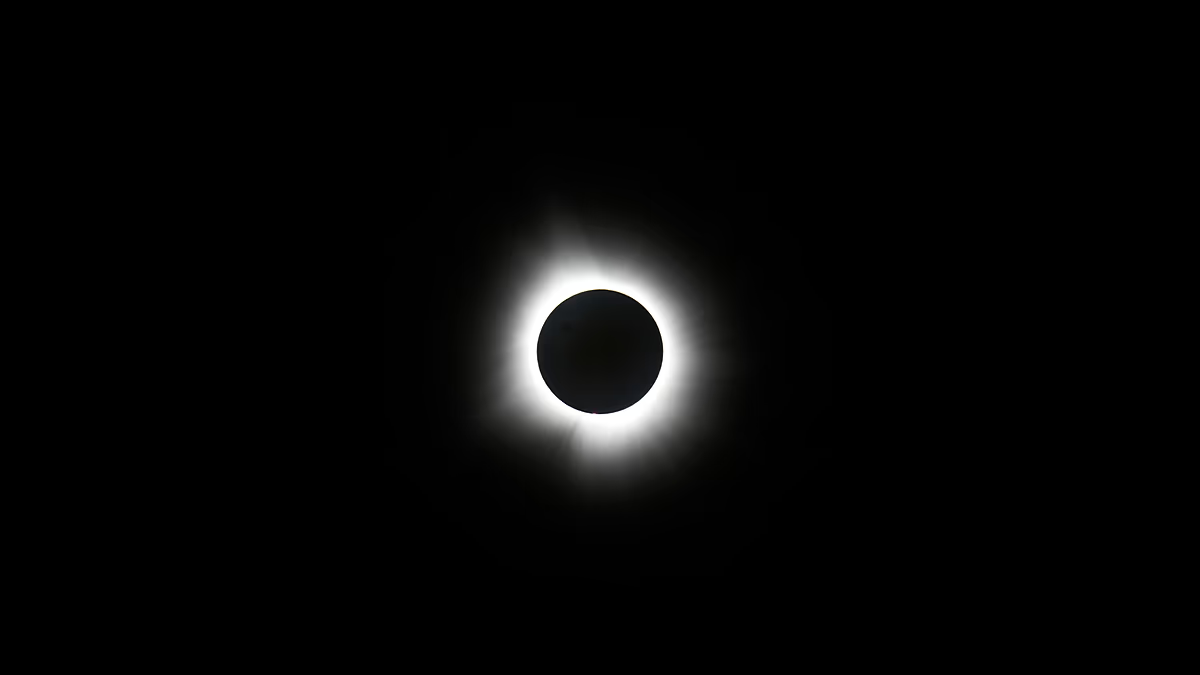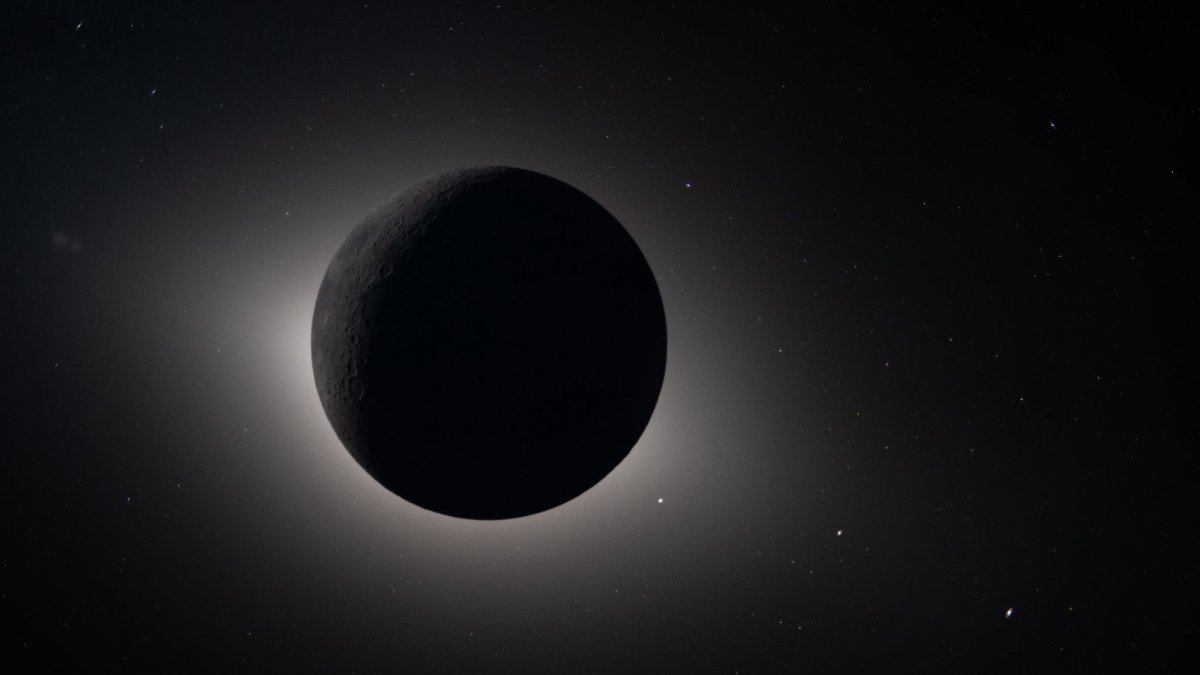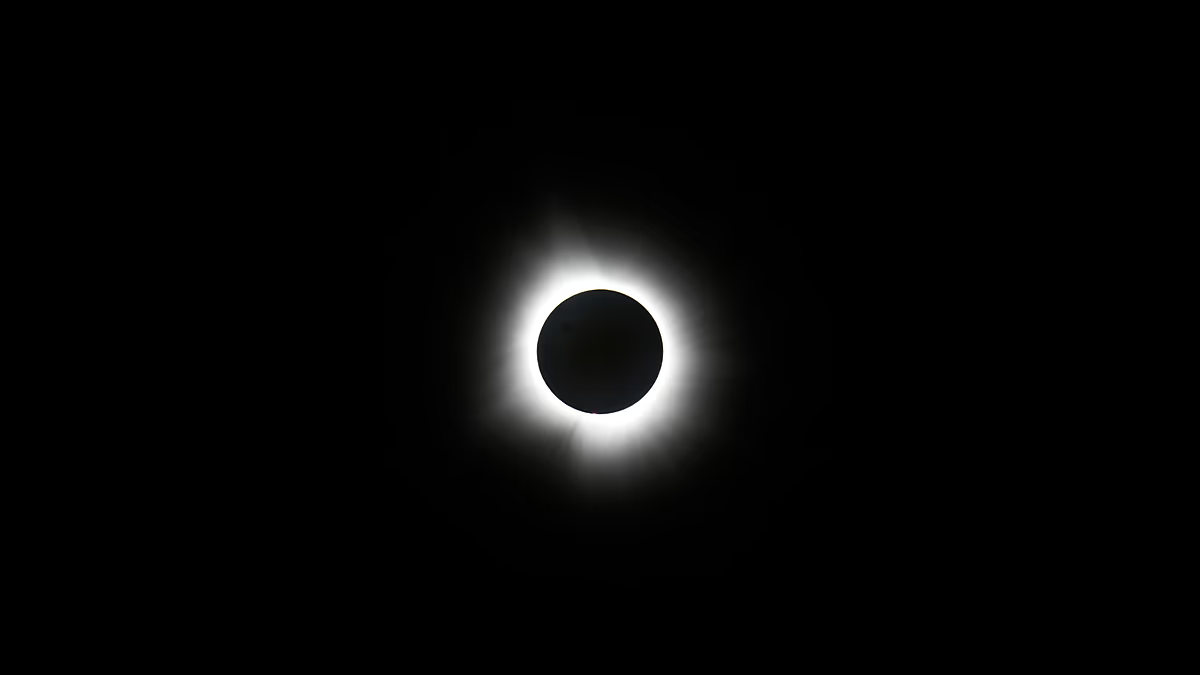
On 15 April 1912, just two days after the sinking of the Titanic in North Atlantic waters, Spain experienced its last total solar eclipse for just a few seconds, classified as hybrid because of the unusually narrow width of its path of totality. Issue 33 of the magazine of SAE, the Spanish Astronomical Society, recorded the event with testimonies from several Galicians who witnessed this fleeting phenomenon.
"The landscape looked sad and wan, and the cold was quite intense. The hens were looking for their roost and one that I saw, which had her chicks, sheltered them beneath her wings," recounted Tomás Martínez, a teacher from O Barco de Valdeorras, about the event he witnessed at 11:49 from his latitude in Ourense.
For the first time since then, the country is preparing to host this phenomenon in two consecutive years (on both 12 August 2026 and 2 August 2027), plus a third annular solar eclipse on 26 January 2028, which together will form a unique trio of eclipses in 21st-century Europe.
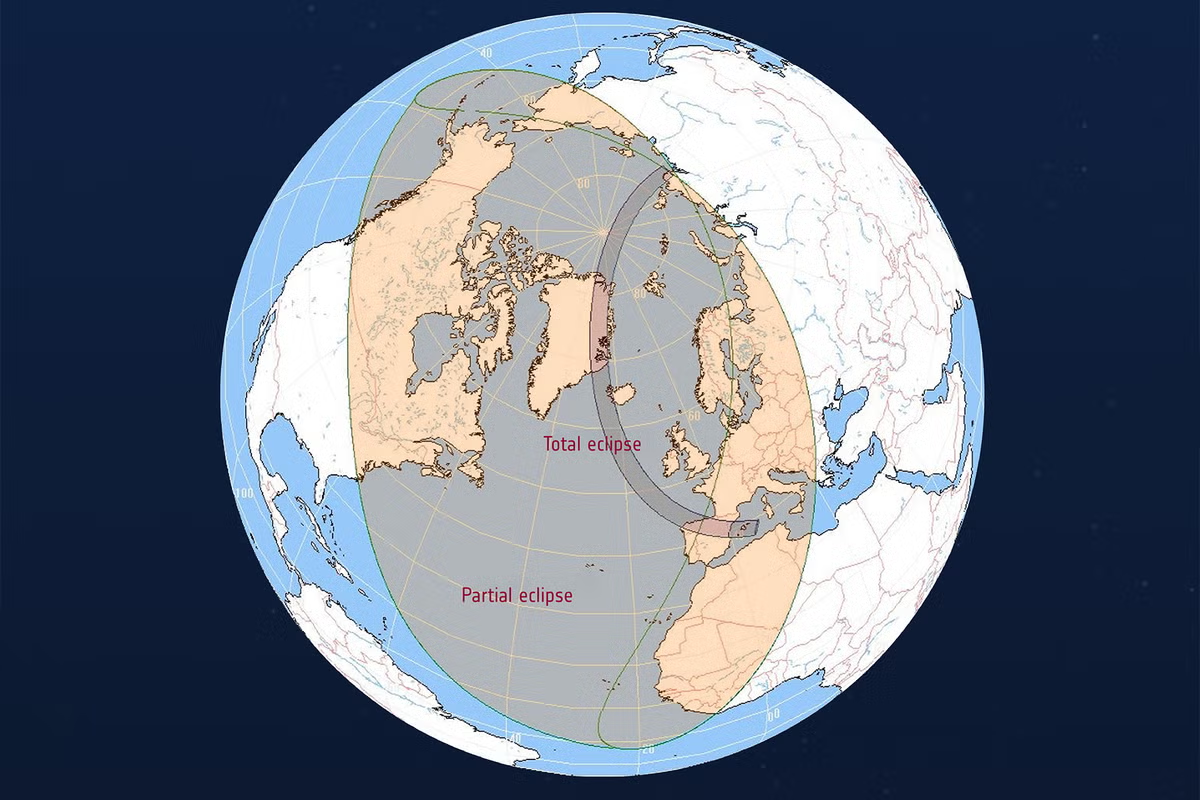
The next solar episode will only be seen in totality from northern Siberia, the east coast of Greenland and western Iceland before crossing Spain through up to 12 autonomous communities in a band 293 kilometres wide. A real astronomical lottery, yes, though also an economic one because of the geographical circumstances.From Canada, the north-east coast of the United States and north-west Africa it will also be visible, but only partially.