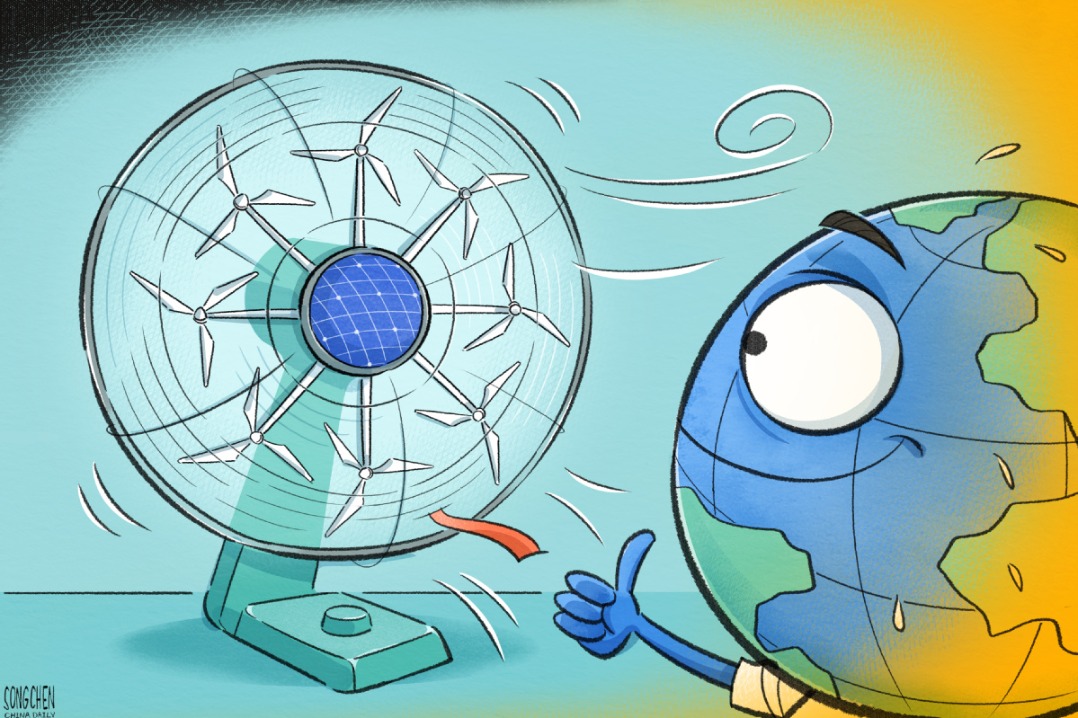
SONG CHEN/CHINA DAILY
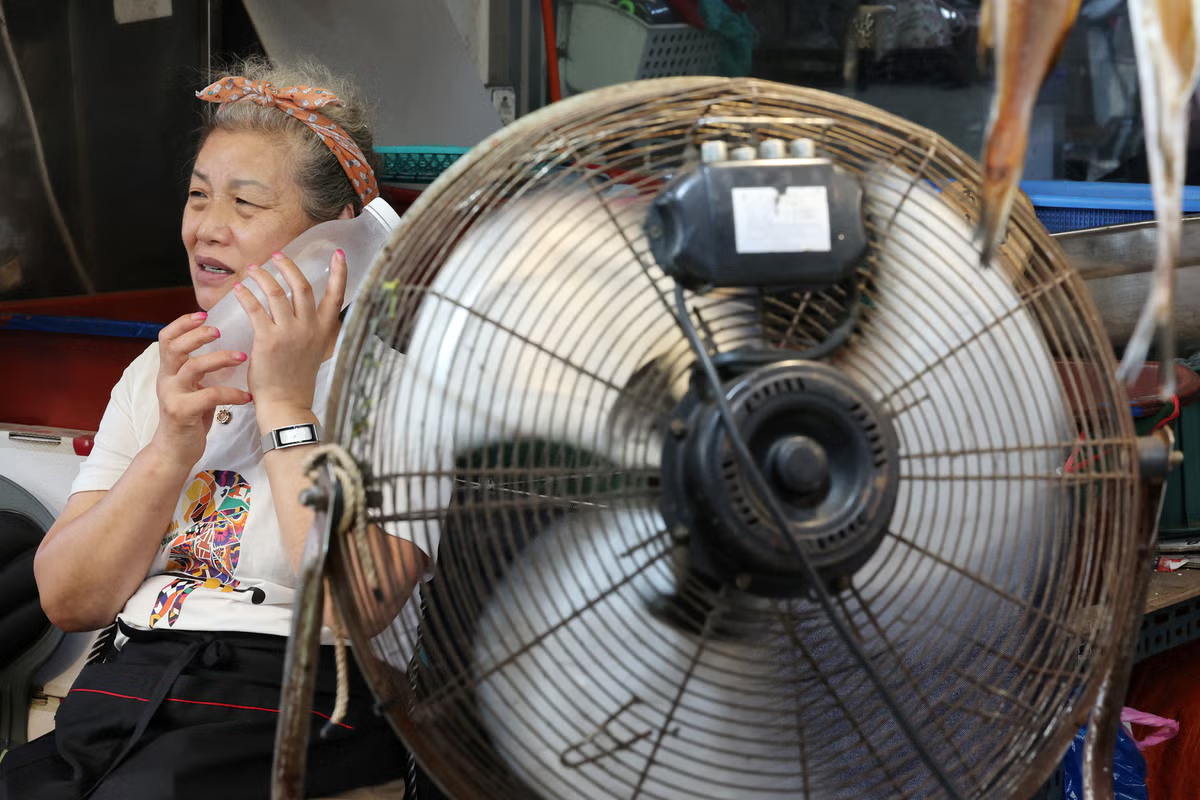
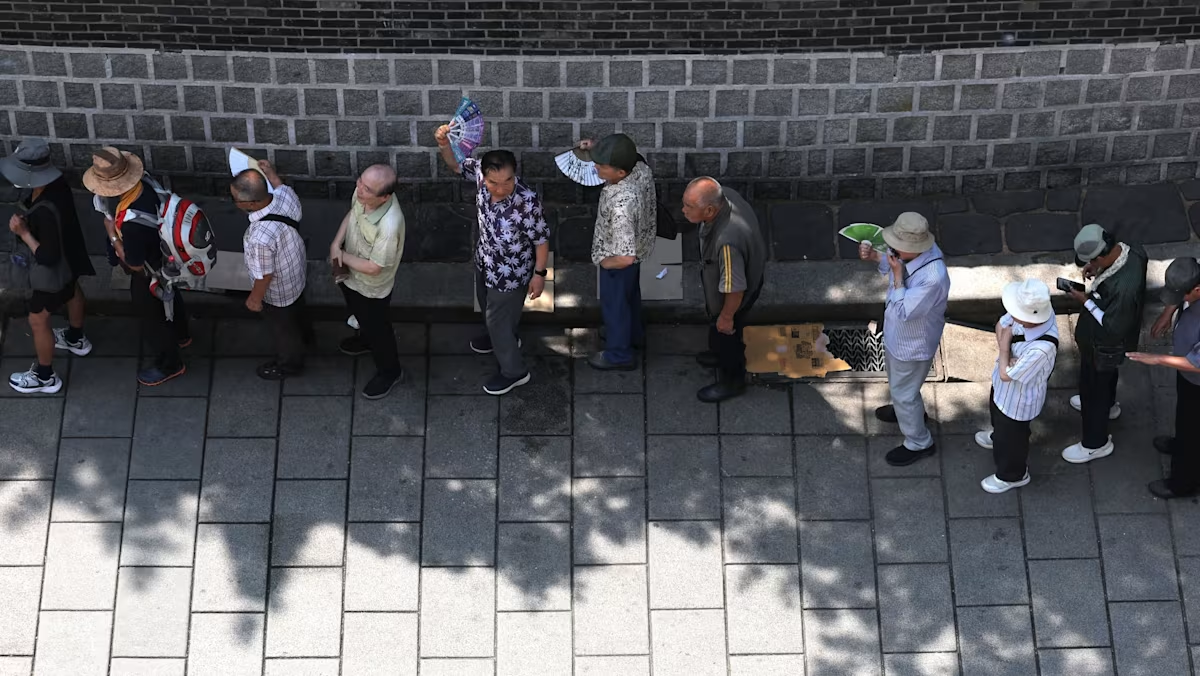
On Aug 2 the South Korean city of Yangsan hit 42.5 degrees Celsius — the highest temperature in 122 years of record-keeping. Seoul received its first-ever severe heat wave warning. More than 20 people have died, most of them over 80.
On Aug 4, President Lee Jae-myung called the heat wave a national disaster. Then he gave an order that tells you everything about the modern world: inspect the power system.
He was right to. In a heat wave, the grid is the difference between discomfort and catastrophe. Air conditioning, hospital cooling, refrigerated medicine, water pumping — all of it hangs on wires most people never think about until the lights go out.
Europe is counting its heat dead again this summer. Record electricity demand is being set across the Northern Hemisphere. Behind every one of those headlines sits a question ordinary readers understand before they finish reading it: can the grid withstand a hotter world?