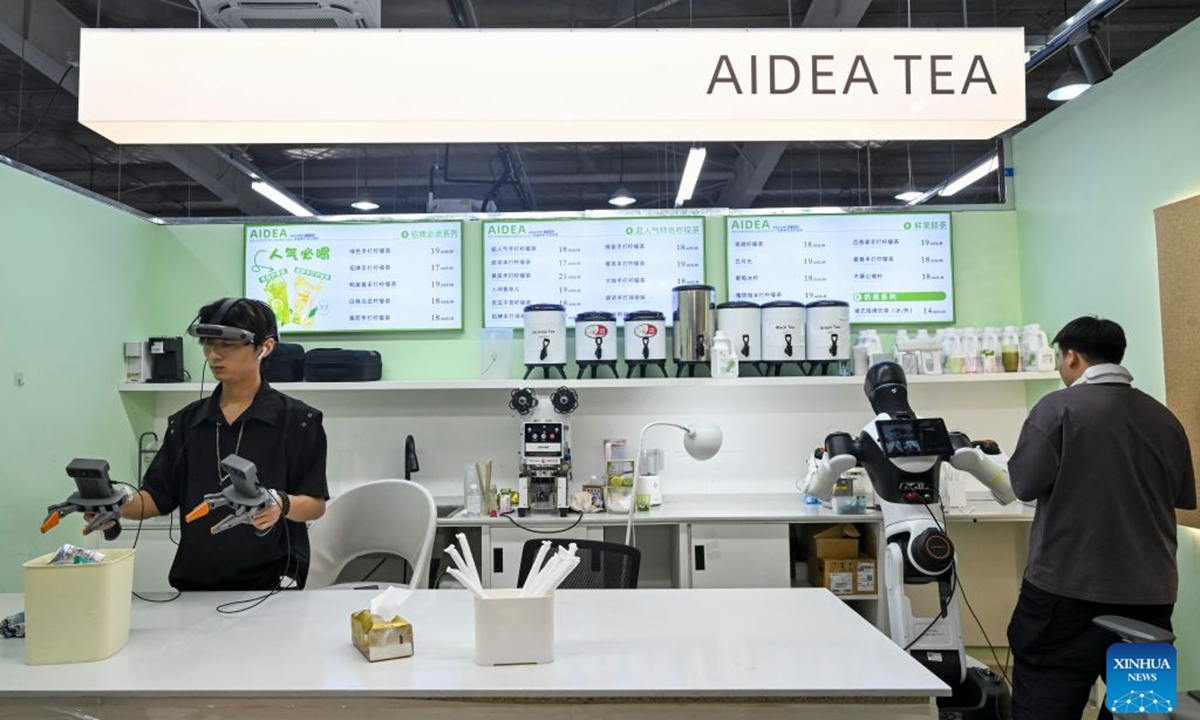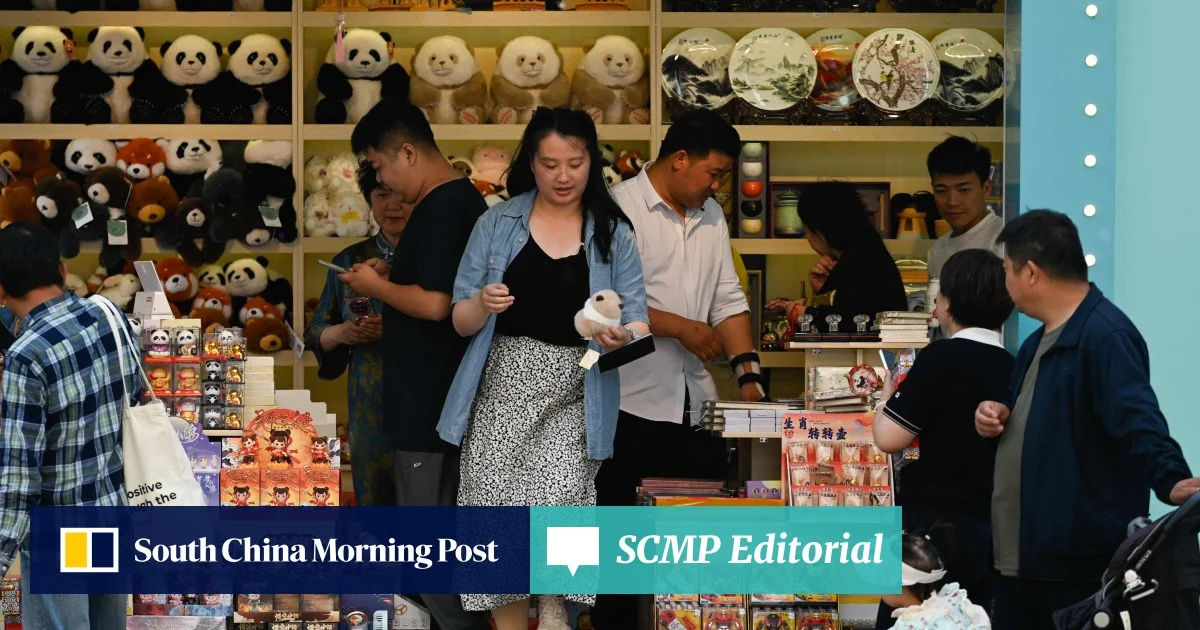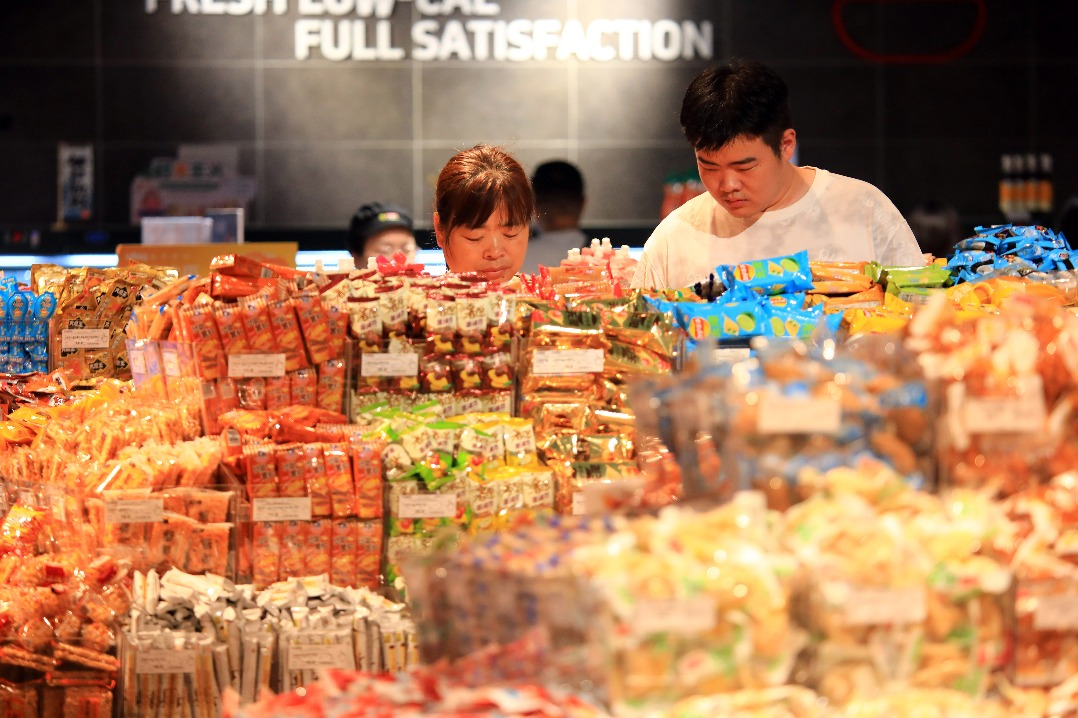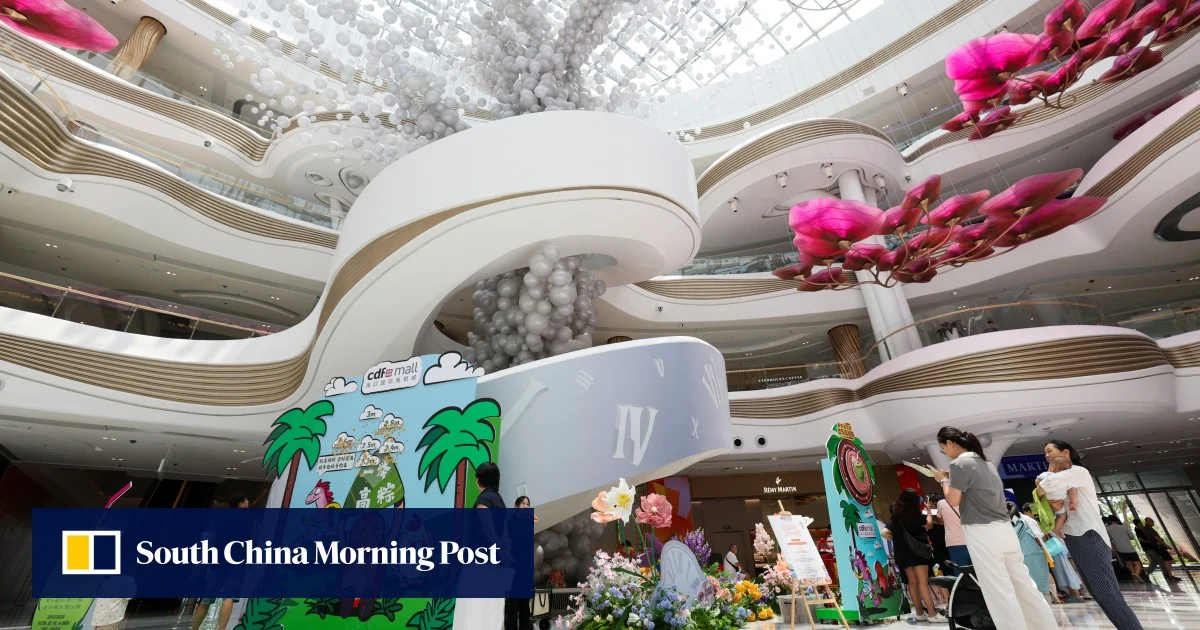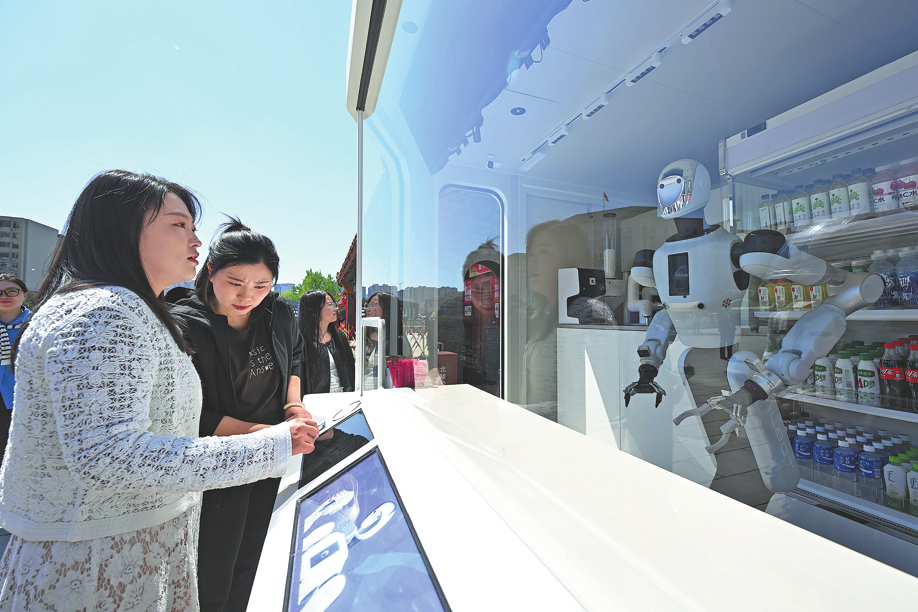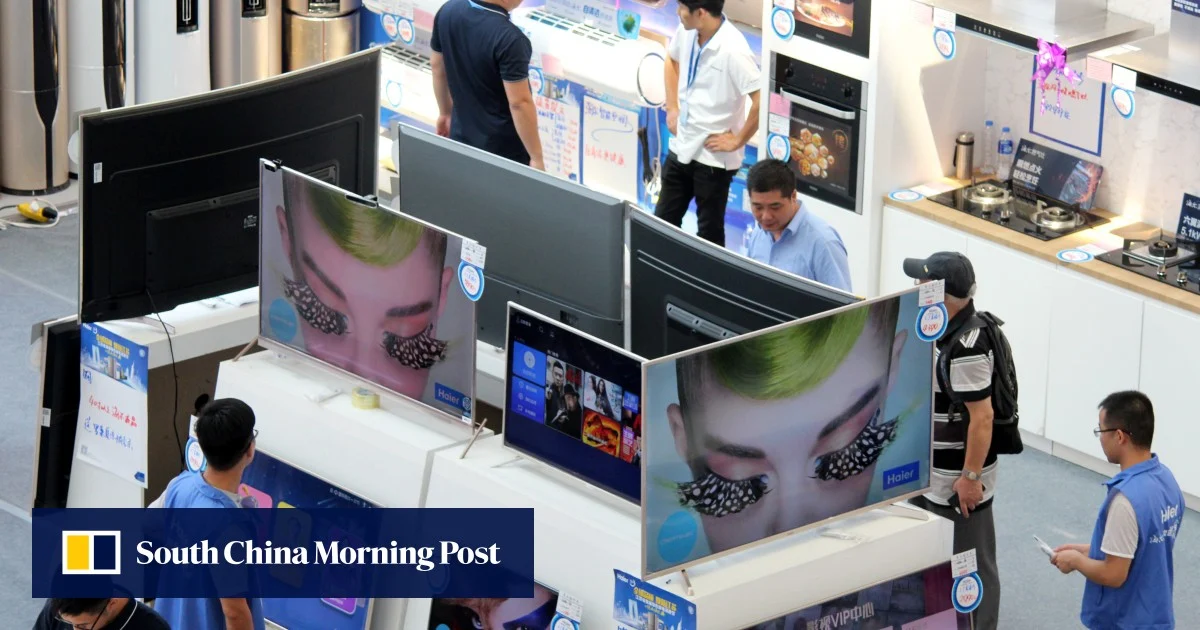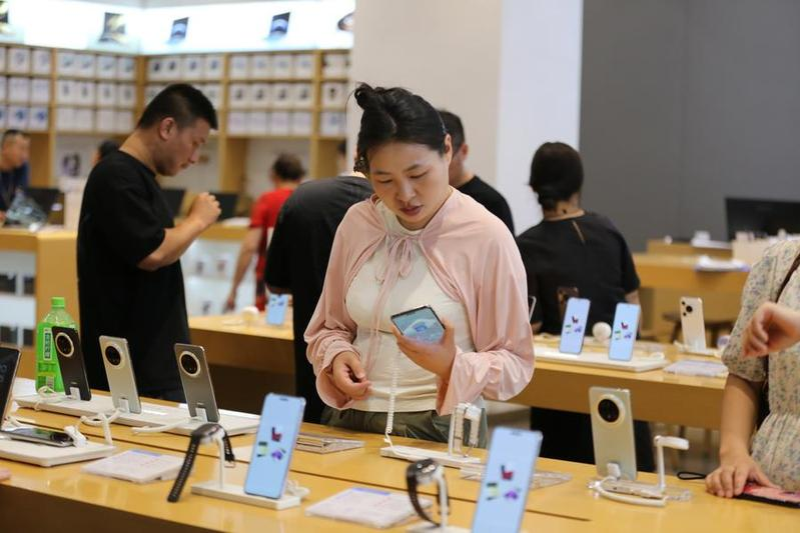
Recently, the Ministry of Commerce and eight other departments jointly issued the Opinions on Accelerating the Innovative Development of the Retail Industry. Focusing on the systematic planning of the retail industry landscape, fostering new forms of retail supply, creating new consumer demand, stimulating new retail growth drivers, facilitating fair competition and strengthening policy support, the document puts forward 20 measures, providing a clear roadmap for retail innovation during the 15th Five-Year Plan (2026-30) period.
At a time when the retail sector is at a critical stage of transformation and upgrading, what is the deeper significance of this policy document? Which of the 20 measures deserved particular attention? What impact will they have on the sector overall and on consumers? And how should they be implemented going forward? This article examines these questions one by one.
During the 14th Five-Year Plan (2020-25) period, China's goods retail sales rose from 39.4 trillion yuan ($5.84 trillion) in 2021 to 44.3 trillion yuan in 2025, representing cumulative growth of 12.5 percent. Goods retail sales have long accounted for about 90 percent of total consumer goods retail sales, and the retail sector supports more than 80 million jobs. However, expansion in scale has been accompanied by uneven outlet distribution, supply-demand mismatches, rising operating costs and an imbalance between online and offline retail. These problems have weakened profitability and affected consumer experience, especially for traditional hypermarkets and department stores facing declining foot traffic and mounting pressure.