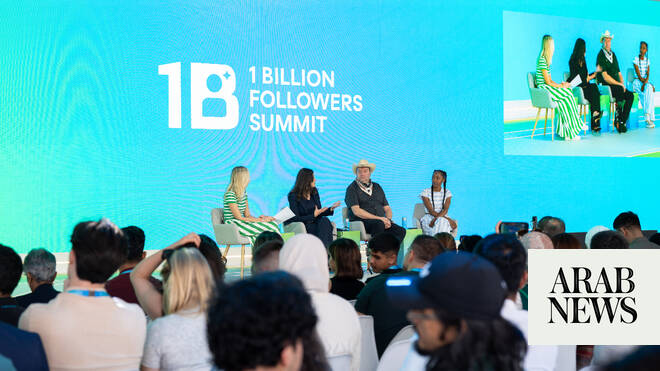
The creator economy is about 99 per cent hot air. One per cent is really good, much like one per cent of anything is. A few weeks ago, I was moderating a panel discussion on ‘Creator Economy 2.0’ at a marketing conference. What was “Creator Economy 1.0” then, I asked a panellist. It’s just those influencers, I was told with some condescension. “People with some following online who promote products for money or freebies. Unlike us 2.0 guys, who create original content for our massive following and are basically channels in our own right,” he said.Then, in the same breath, he asked whether I knew anyone at Brand X, because his cost-per-view had been benchmarked at 40 paise and he was trying to get it to 55.Later, my new friend spoke about storytelling, authenticity and community, and the trust he had built with his audience.Now consider these recent happenings.Hindustan Unilever, the most disciplined advertiser in this country, buys creators off a cost-per-view rate card, standardised across its agencies and refreshed every six months. HUL now works with around 30,000 creators, roughly double last year. Its parent has been building towards 3,00,000 globally.That is not a partnership. It’s a supply chain.Last month, Kiran Shah, founder and CEO of Go Zero, shut his influencer budget entirely. He had been running close to 30 collaborations at once. He asked his team what a particular reel from March had delivered and nobody could answer. He called the whole thing “renting attention”.The Ten Commandments of the creator economy:I. Thou shalt not call it a partnership when it is a purchase order. There is a word for a relationship in which one party sets the price, the volume, the deliverable and the deadline. It is ‘vendor’.II. Thou shalt not worship a false currency. Since April 2025, a view on Instagram is counted the instant the video touches the screen. No playback required. Scroll past the same reel three times and you have produced three views, which is more than most campaigns produce of anything. Tell John Wanamaker (“Half my marketing budget is wasted…”)III. Thou shalt not say the word ‘authenticity’ in a procurement meeting. You cannot buy 30,000 units of authenticity at a volume discount. Use the word sparingly, only in emergencies.IV. Thou shalt accept that no creator will ever understand thy brand. Not because they are stupid. Because they already have a brand — it is them, and the only one they are contractually obliged to protect.V. Thou shalt buy fame honestly or not at all. When a brand signs Shah Rukh Khan, every party to the transaction knows precisely what is being bought — borrowed fame, priced openly, deployed inside work the brand controls. Nobody pretends he uses the shampoo.VI. Thou shalt not rent thy own voice. Distinctiveness is the one thing a brand cannot buy from somebody else. Ask your consumer. Before it’s too late.VII. Thou shalt read the ASCI report before thy next campaign. ASCI processed more than 1,600 influencer advertisements last year. Ninety-seven per cent were found in violation. The biggest sources were personal care and food.VIII. Thou shalt build on ideas, not trends. A trend is a queue. By the time you have joined it, briefed it, approved it and shipped it, 400 other brands are standing in it with you, doing the same dance to the same 11 seconds of audio.IX. Thou shalt create thine own content. Do it in-house, through an agency, a freelancer in Indore, a film student who owes you a favour. Beg, borrow, steal — but make it yourself and own it outright.X. Citing boAT, Nykaa, Minimalist as evidence that influencer marketing works is like citing a casino as proof that gambling pays. boAt sold a price point, Minimalist sold an ingredient percentage, and Nykaa sold shelf space. Every one of these had a product idea first. Creators carried the message; they were never the message.Attention is rented and the rent is due monthly. A brand is the only thing in this business that ever paid you back.(Shubho Sengupta is a digital marketer with an analogue past)Published on August 10, 2026
Calling out the creator economy
Explore the creator economy's flaws and misconceptions, revealing the truth behind influencer marketing and its impact on brands.
686 words~3 min read