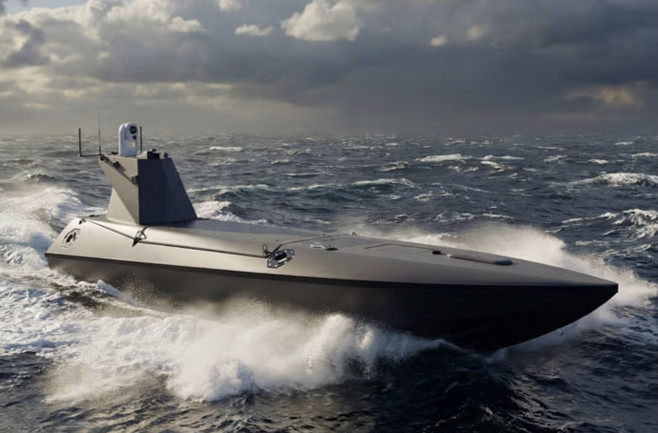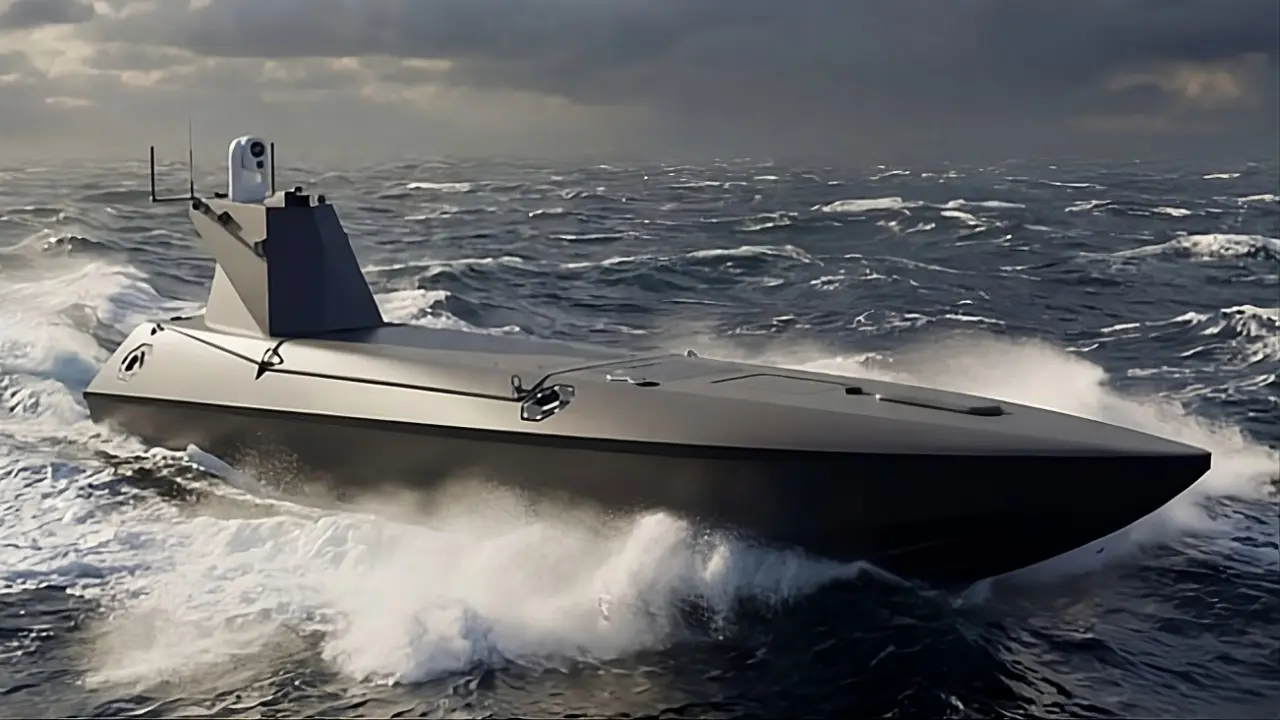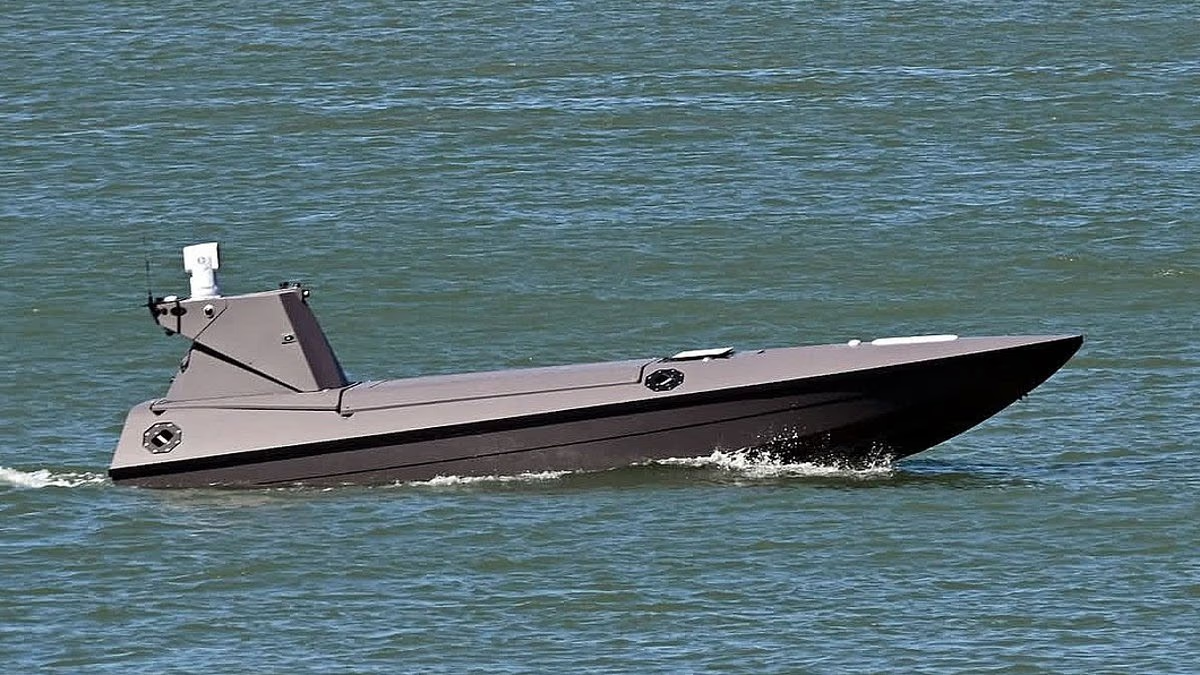
Royal Navy surveillance drones used by Britain's elite special forces were fitted with cameras containing Chinese-made components that were secretly sending data to an address in China.The K3 Scout drones, operated by Royal Marines, were found to be transmitting so-called 'heartbeat' communications to an IP address in China.The signals were designed to tell a remote device that the cameras were online and operating normally.The discovery has triggered national security concerns and forced the Ministry of Defence to strip the cameras of their internet connectivity.Officials insist there is no evidence that sensitive military information or Ministry of Defence systems were accessed or transmitted overseas.But the revelation has raised fresh questions about the security of Britain's military supply chains – and whether Chinese technology has found its way into highly sensitive areas used by special forces.The £12million fleet has been in use since March and was supplied by British defence contractor Kraken Technology Group.Kraken had sourced the cameras from a third-party supplier which had provided assurances over their security. The K3 Scout drones, operated by Royal Marines, were found to be transmitting so-called 'heartbeat' communications to an IP address in China Defence Secretary Wes Streeting poses with outgoing Chief of Joint Operations, Lieutenant General Nicholas Perry (left), and incoming Chief of Joint Operations, Air Marshal Allan Marshall (right)An investigation subsequently discovered that the cameras contained components manufactured in China and were communicating with an IP address in the country.The incident was considered serious enough to prompt concerns over the potential exposure of personnel at the Special Boat Service headquarters in Poole, Dorset.There are also fears that the cameras may have been operating in the vicinity of sensitive meetings involving senior special forces personnel.Particular concern has been raised over reports that the cameras could remain active even when the drones themselves had been switched off.A defence source familiar with the matter told the Telegraph the drones had been used during preparations for a potential British defence package designed to help protect freedom of navigation through the Strait of Hormuz.The source described the discovery as a serious procurement failure, saying confidence in the platform had been lost.The incident is a major blow to Project Beehive, the Royal Navy programme aimed at integrating unmanned vessels with conventional warships.The K3 Scouts form part of the Navy's surface flotilla and are operated by the Coastal Forces Squadron and 47 Commando Royal Marines.The unmanned vessels are intended to give British forces greater surveillance and war-fighting capabilities while reducing the risks to personnel.The K3 Scout is capable of carrying a payload of up to 600kg and can operate continuously for as long as 30 days.The system has also been acquired by US Special Operations Command and has taken part in Nato exercises and trials in the Baltic.The discovery comes as Britain faces growing warnings over the potential security risks posed by China's dominance of global technology and manufacturing supply chains.
Spy cameras on Navy drones 'secretly sent data to China'
The K3 Scout drones, operated by Royal Marines, were found to be transmitting so-called 'heartbeat' communications to an IP address in China.
929 words~4 min read