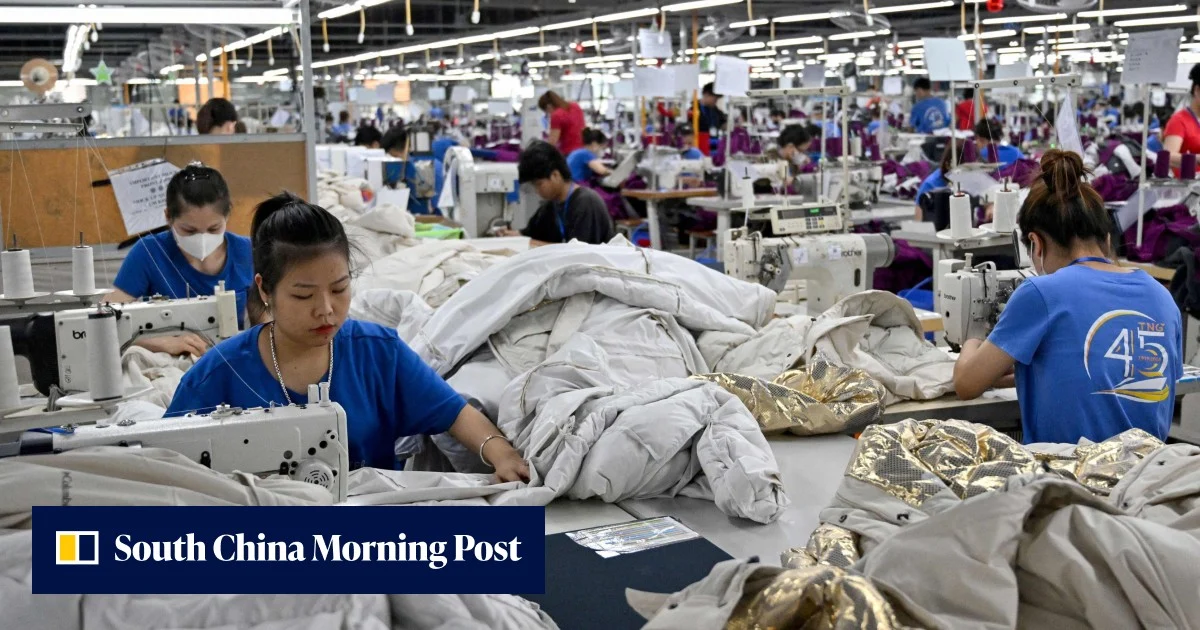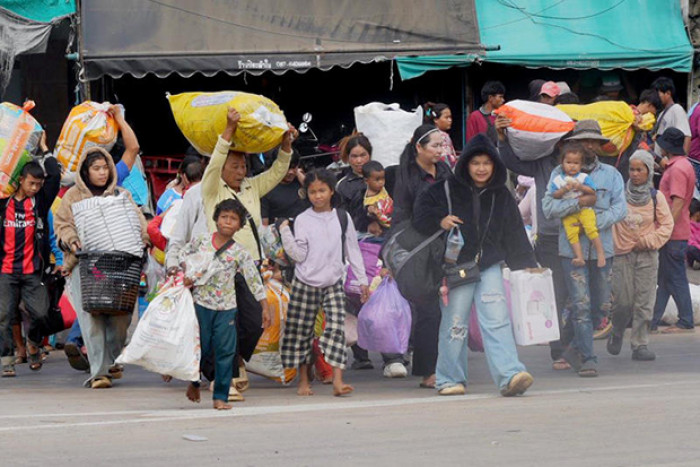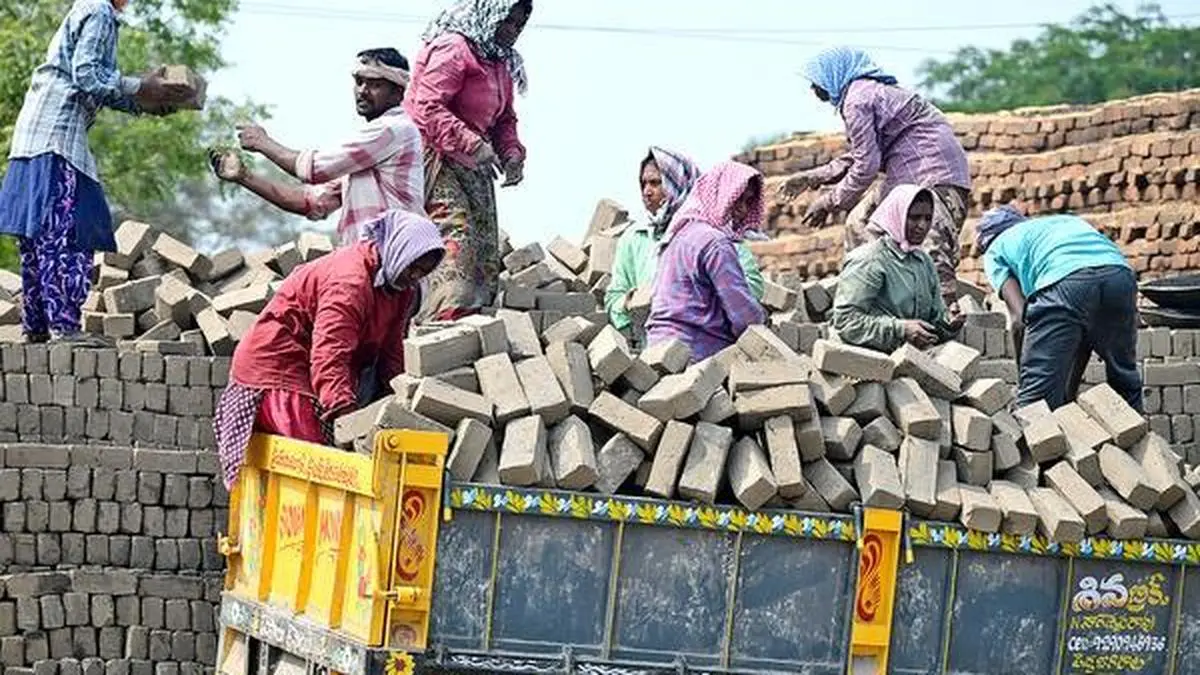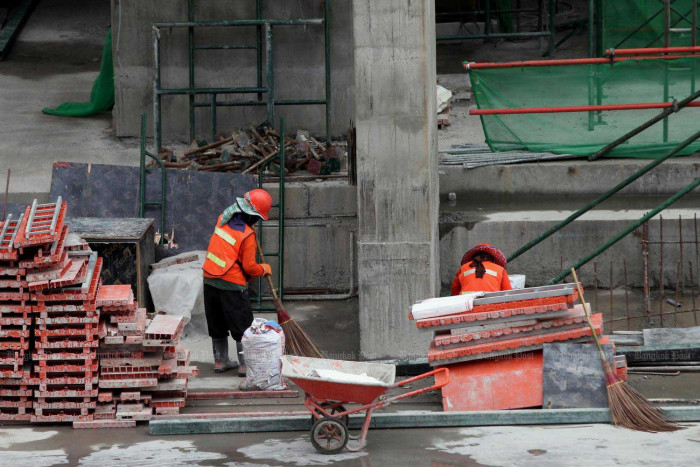
Manufacturers are complaining about a shortage of migrant workers even as capacity utilisation plummets. Pattarachai Preechapanich
Thailand's labour outlook this year remains contradictory. While layoffs are expected to reach 500,000 due to a slowing manufacturing sector, with more factories closing than opening as business revenue declines, the Joint Standing Committee on Commerce, Industry and Banking is concerned about a shortage of foreign labour caused by hiring restrictions and allegations of corruption.As layoffs become more widespread, the impact will be far-reaching, leading to declining personal incomes and household debt reaching precarious levels. Government relief measures such as the "Thai Help Thai Plus" programme may prove to be insufficient.
Kasikorn Research Center (K-Research) expects the Thai unemployment rate and factory closures to deteriorate further the rest of the year as the slowing economy and manufacturing sector continue to weigh on business activity and employment.
According to the think tank, the unemployment rate increased to 0.9% in the first quarter of 2026, consistent with a rise in workers applying for unemployment benefits under Section 33 of the Social Security Act.