See more Daily Mail on Google - save us as a Preferred SourceBy SHAUN WOOLLER, EXECUTIVE HEALTH EDITOR Published: 00:01 BST, 10 August 2026 | Updated: 00:01 BST, 10 August 2026
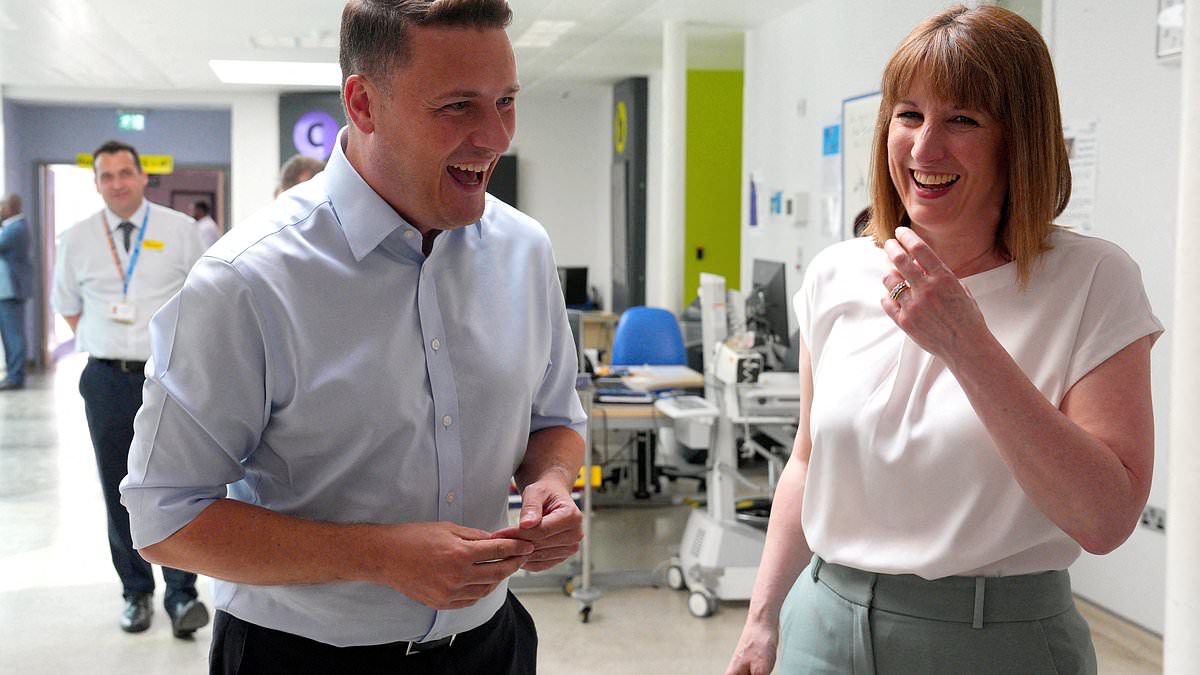
Face-to-face GP appointments have been slashed and patient safety put at risk after Labour imposed changes to the booking process, doctors warn.Since October 1 last year, all GP practices in England must accept queries and booking requests from an Online form from 8.30am to 6pm, Monday to Friday.But a new poll of 330 GPs and 242 practice managers found a third (32 per cent) have been forced to reduce the number of face-to-face appointments they deliver as a result.Meanwhile, a quarter (25 per cent) think the new requirements have put patient safety at risk, the survey by GP magazines Pulse and Management In Practice found.According to NHS England’s own data, the proportion of GP appointments in England that were carried out face-to-face is on a steady downwards trend, while the proportion performed by phone or online has been rising steadily.In June, 60.2 per cent of patients were seen face-to-face, compared to 62.9 per cent in June 2025 and 64.9 per cent in June 2024.Patient groups and MPs have warned swapping face-to-face appointments for phone consultations could put people at serious risk of harm as it is more likely symptoms for diseases such as cancer could be missed.The British Medical Association, the doctors’ union, is in formal dispute with the Government over the changes, which it also believes put patients at risk. Wes Streeting (pictured) imposed the change while he was Secretary of State for Health and Social Care.It has expressed concerns about the increased workload and patients with life-threatening conditions detailing their conditions Online rather than dialling 999.The BMA said the web forms have increased ‘consumer-like behaviour’ towards GP practice services and likened it to ‘booking a trip to the cinema or a hairdresser appointment’.It said that GP practices can manage the increased services ‘provided they are appropriately resourced with the workforce and investment needed to deliver them’.Dr Manu Agrawal, deputy chair of the BMA’s GP Committee (GPC), added: ‘Our view is backed by the results of this survey – the current online request system is unsafe, and a system that reduces face-to-face appointments in favour of spending more time on bureaucracy is neither efficient for practice nor ideal for patients.‘Every single request needs to be checked by a GP to ensure potentially urgent cases are swiftly identified and acted upon.“GPC England has said all along that this would reduce GP appointments because of the increase in consumer-like behaviour towards practice services.‘If the Government wishes to continue down this route of NHS convenience, akin to booking a trip to the cinema or a hairdresser appointment, it must provide the appropriate resources to support it.‘If it has not happened already, it is only a matter of time before patient safety is compromised and diminishing continuity of care – as a result of fewer face-to-face GP appointments being available – leads to patient harm, increased crisis care costs and GP burnout.‘The recent gains in patient satisfaction, which are the result of the tireless work of GPs and their practice teams, will quickly be lost if we do not return to a safe and sustainable footing soon.’A Department of Health and Social Care spokesperson said: ‘GPs are required to provide face-to-face appointments alongside remote consultations.‘We have recruited 2,000 extra GPs since July 2024, invested £1.7 billion over the course of two years, and placed GPs at the heart of our 10 Year Health Plan.‘Thanks to these changes and the hard work of GPs, 77 per cent of patients are now reporting a “good” overall experience, with major improvements in patient access to general practice due to the rollout of online services and the use of the NHS App.’An NHS England spokesperson said GPs delivered a million more face-to-face appointments this June than the same month last year.The added: 'This hard work is clearly having an impact on patients with satisfaction higher than it has been in recent years.‘The NHS recognises the pressures facing general practice but keeping online systems open throughout the day is crucial to making it easier for patients to contact their practice and supports equitable access whether online, phone or walk-in.’