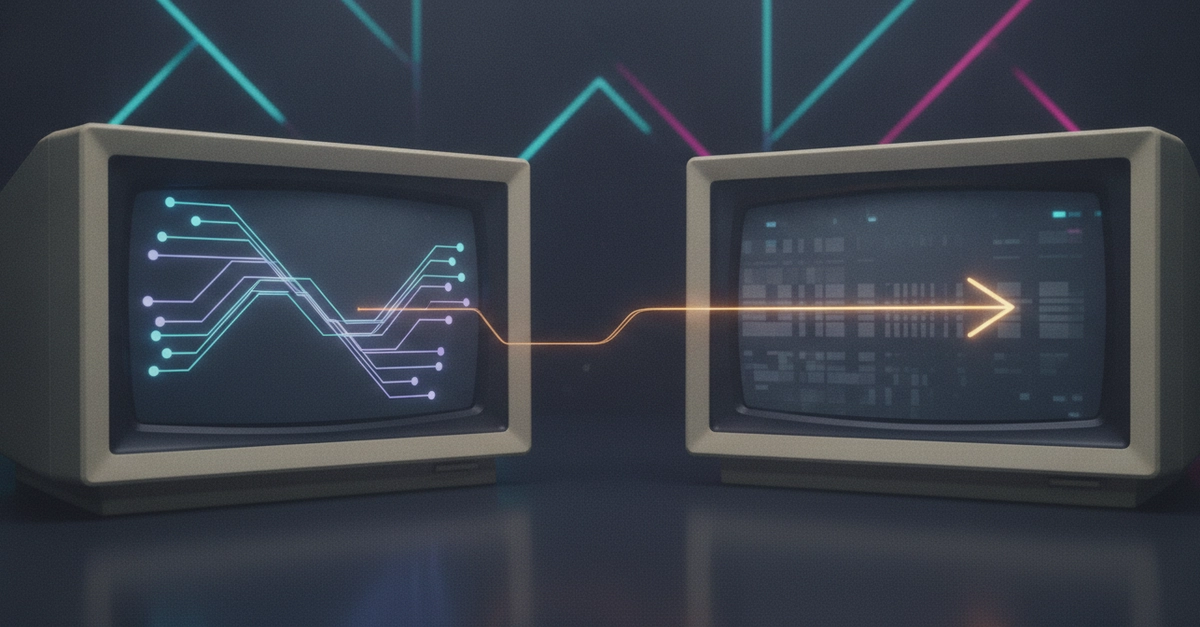
TL;DR: "Claude can't draw" is a budget problem, not a capability problem. codex-bridge (MIT) is a Claude Code plugin that routes image generation (gpt-image-2) and five GPT-5 subagents through the Codex CLI login you already have — billing against your ChatGPT plan instead of a second API key. I have not tested or run it; this is a source-reading review.
How it works. Two bash wrappers shell out to codex exec, Codex CLI's non-interactive mode, with your existing codex login (both scripts check codex login status first). Text tasks use a read-only sandbox and capture only the final answer via -o <tmpfile> (bin/codex-run:92-96). Image tasks use a workspace-write sandbox scoped to the output directory (bin/codex-imagegen:110), then verify the file landed. Exit codes: 0 ok, 1 precondition, 2 failure, 124 timeout.
Why the split matters. Codex runs as a separate process, so its intermediate output never enters your Claude context — you pay Claude tokens only for the brief and the review. The trade-off: Codex is blind to your conversation history, so every brief must stand alone, which is why every subagent is instructed to verify before reporting.
The delegation rubric (skills/codex-delegate/SKILL.md) is the most reusable part: delegate high-volume, low-judgment work (mechanical multi-file edits, bulk scaffolding, exhaustive sweeps, all image work, long self-contained subtasks); keep low-volume, high-judgment work (architecture calls, ambiguous requirements, anything needing conversation history, edits under ~3 files). Round-tripping a two-line fix costs more, not less.