Football stopped FIFA this summer. It took a public row, pressure from across the game and the threat of a wider revolt to do it. The cause was FIFA Forward Enterprise (FFE), a proposal to place the commercial rights and event operations of the game’s governing body in a new company. Outside investors would have been offered a 20% stake, raising up to $4.2bn at a valuation of about $20bn. FIFA argued that the deal could unlock much more money for development across its 211 national member associations.
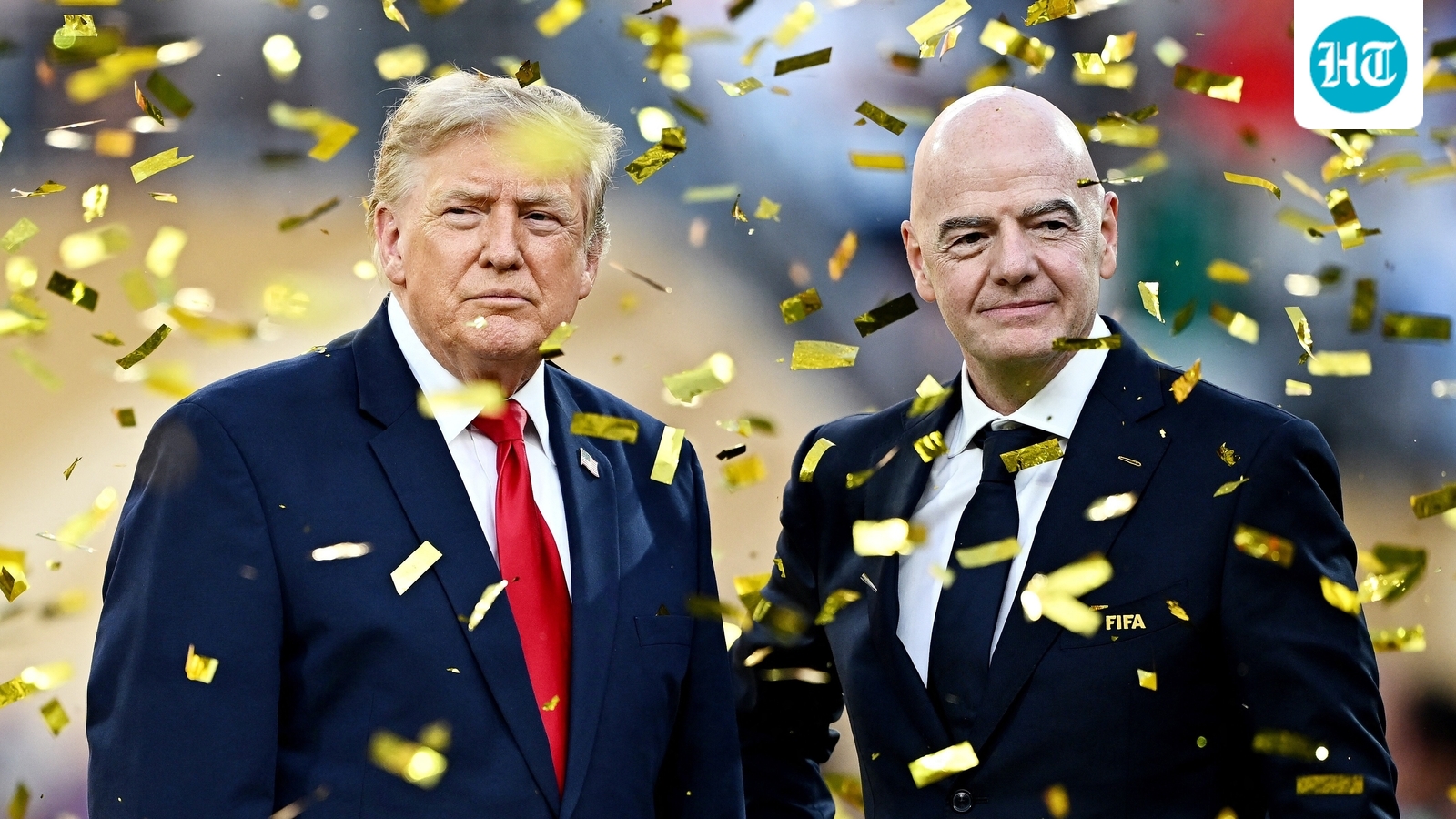
The promise of more predictable funding for football development was attractive, but the price and process were not. FFE would have given private investors a lasting claim on World Cup revenues and a role in core operations before the valuation, safeguards, potential conflicts of interest and remuneration arrangements had been properly disclosed and tested. It also tied an irreversible transaction to the immediate promise of more money for member associations at a time when Gianni Infantino, FIFA’s president, is up for re-election. That is why opposition spread quickly across confederations, national associations and professional football, prompting FIFA to pull the plan. That was the right outcome. It was not, however, proof that the system works. A healthy governance model should not need a last-minute coalition every time a big decision goes too far.