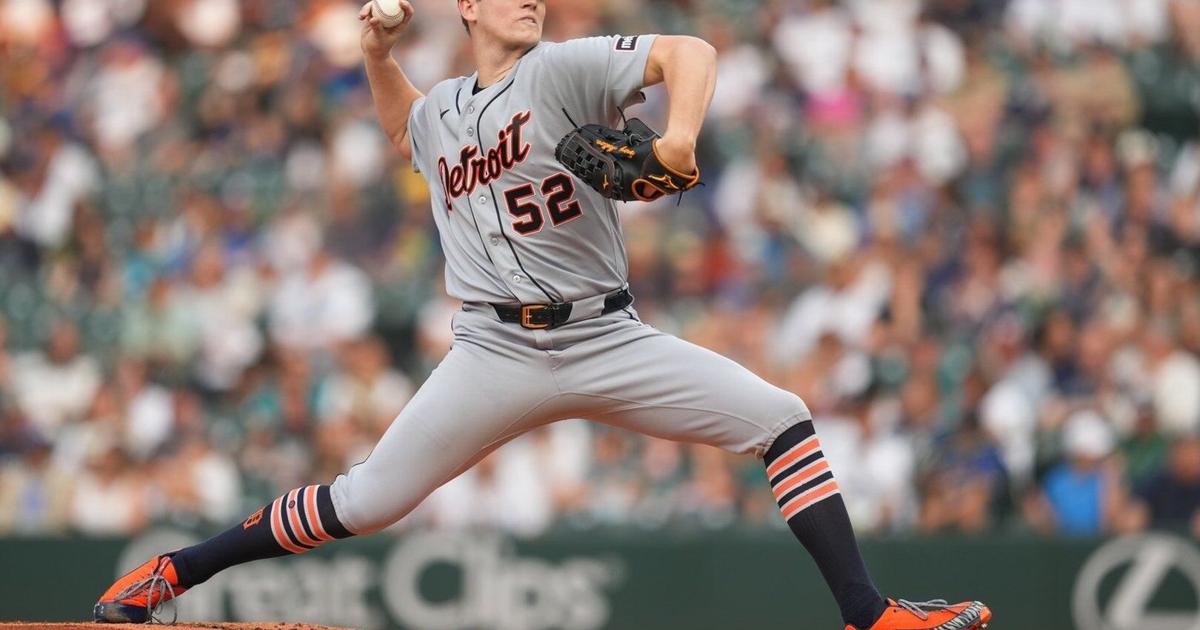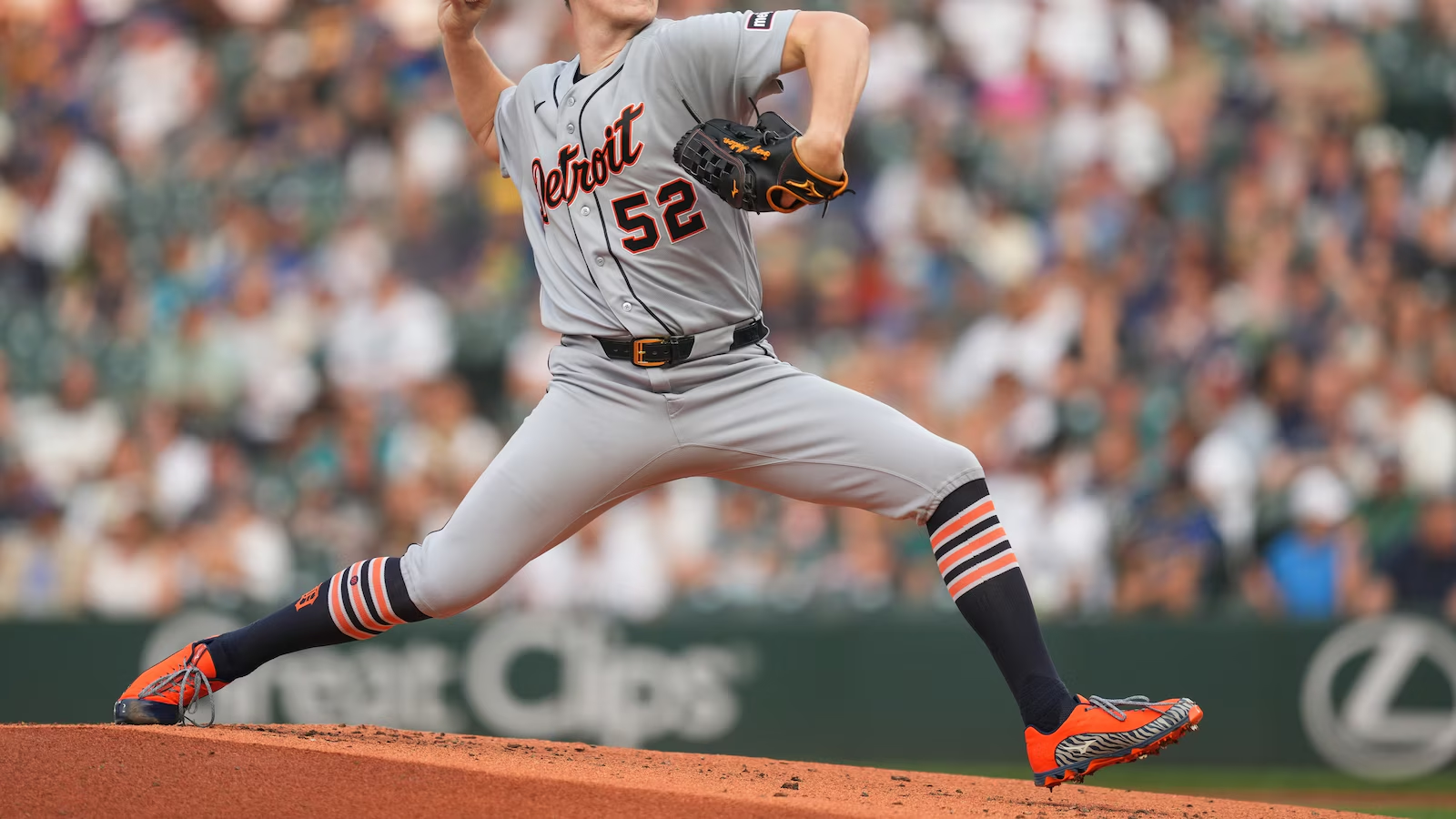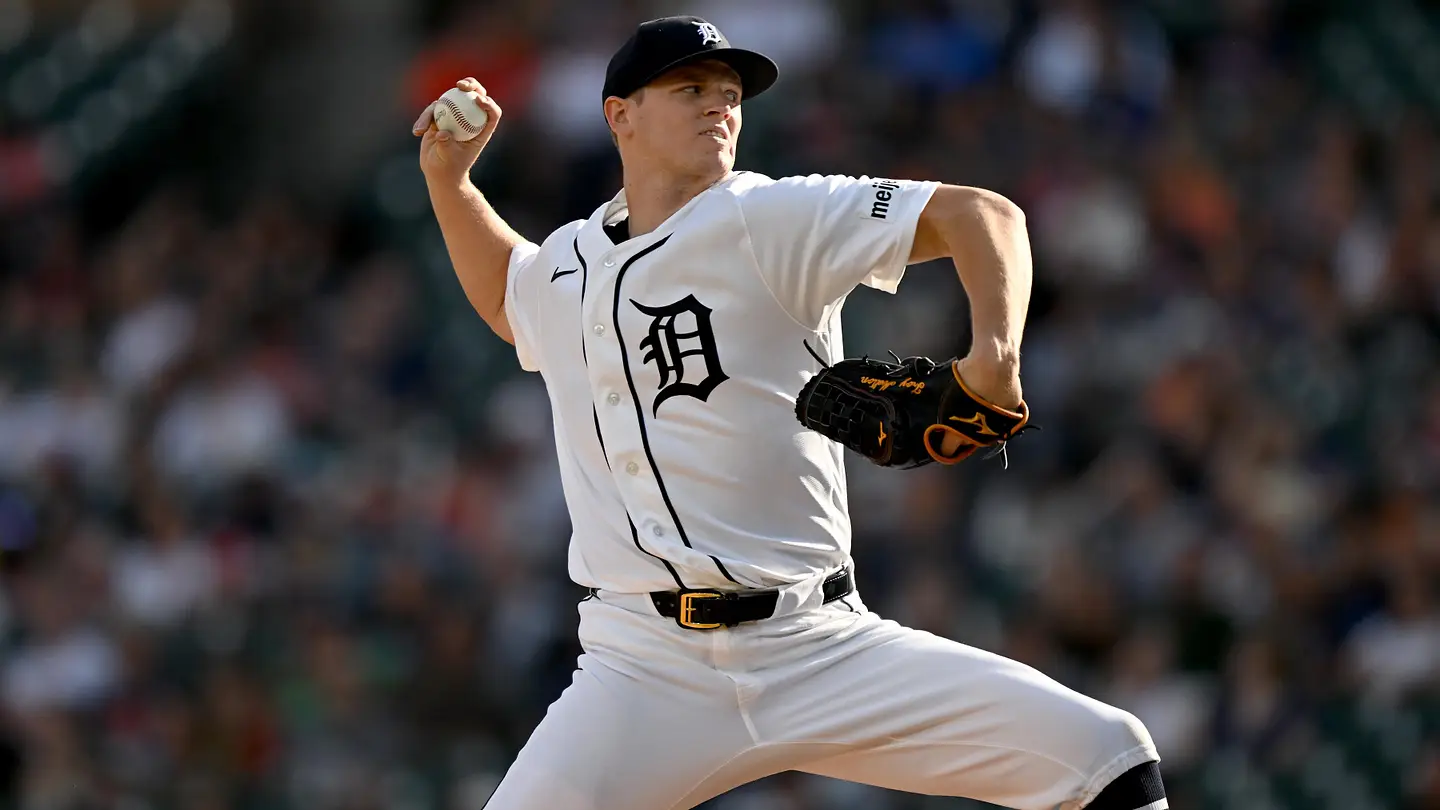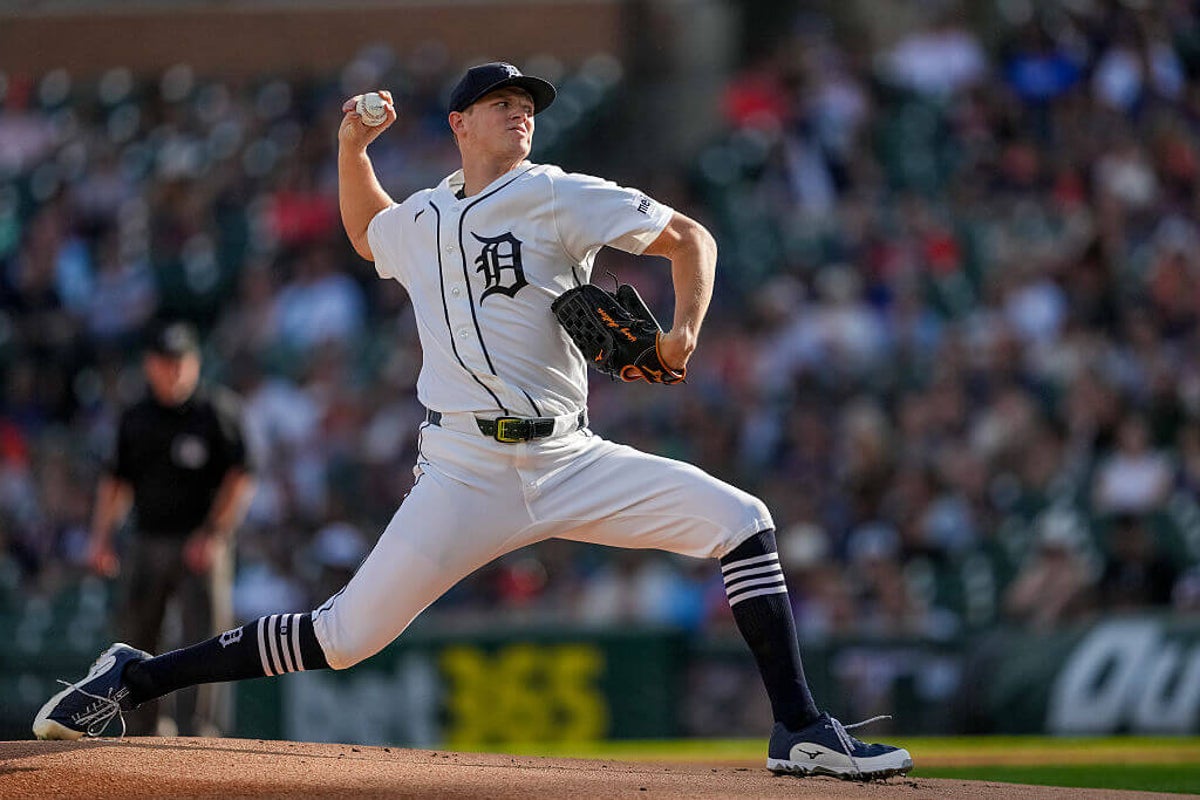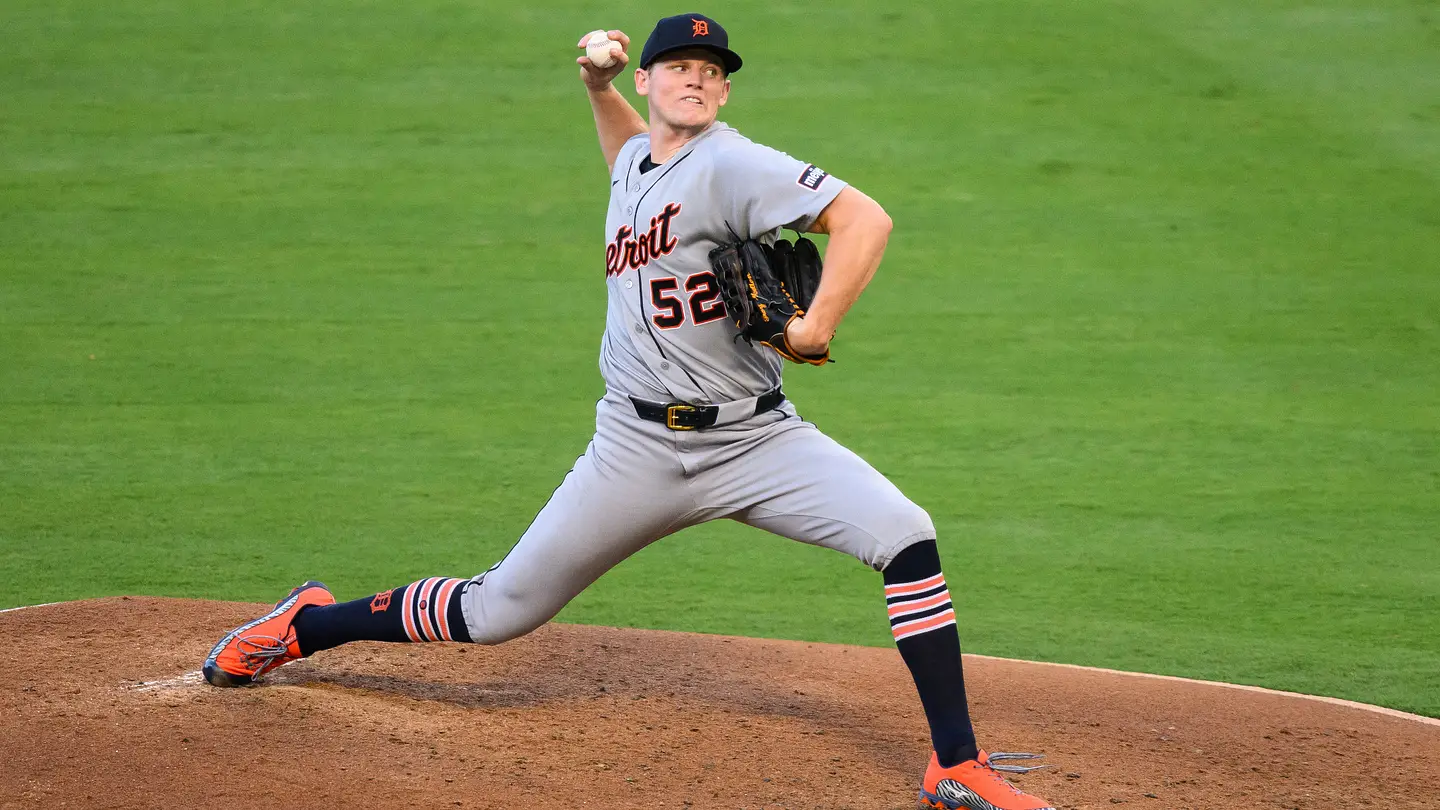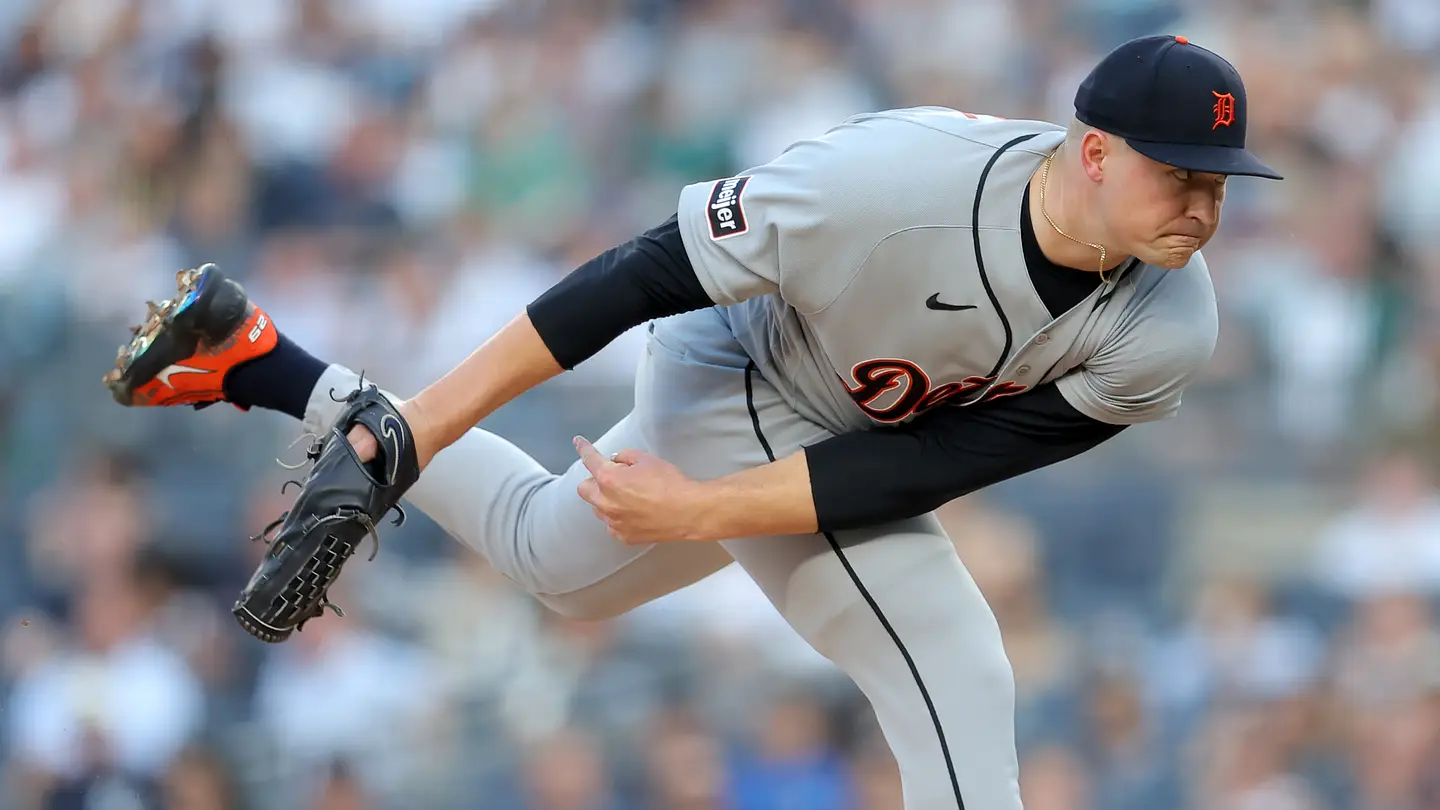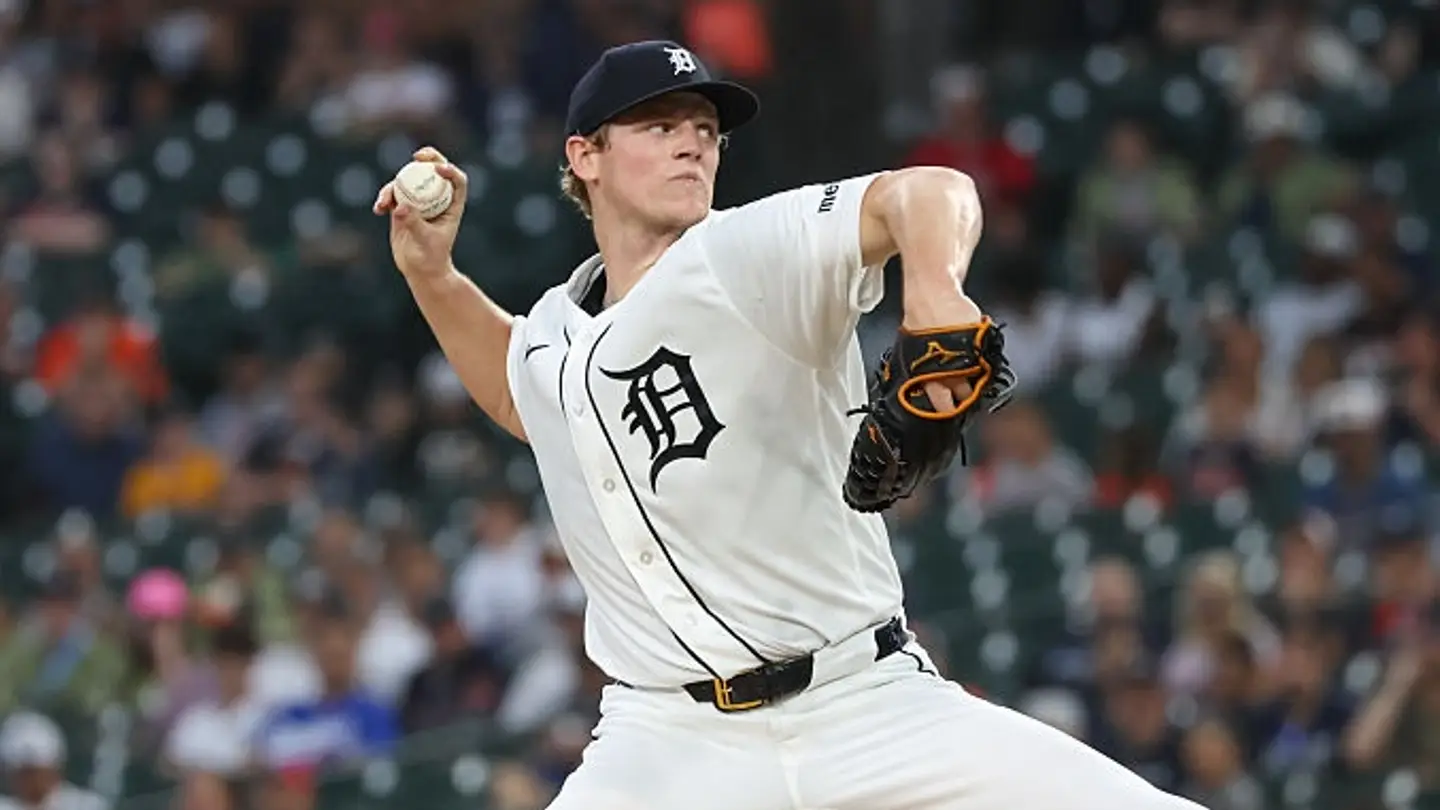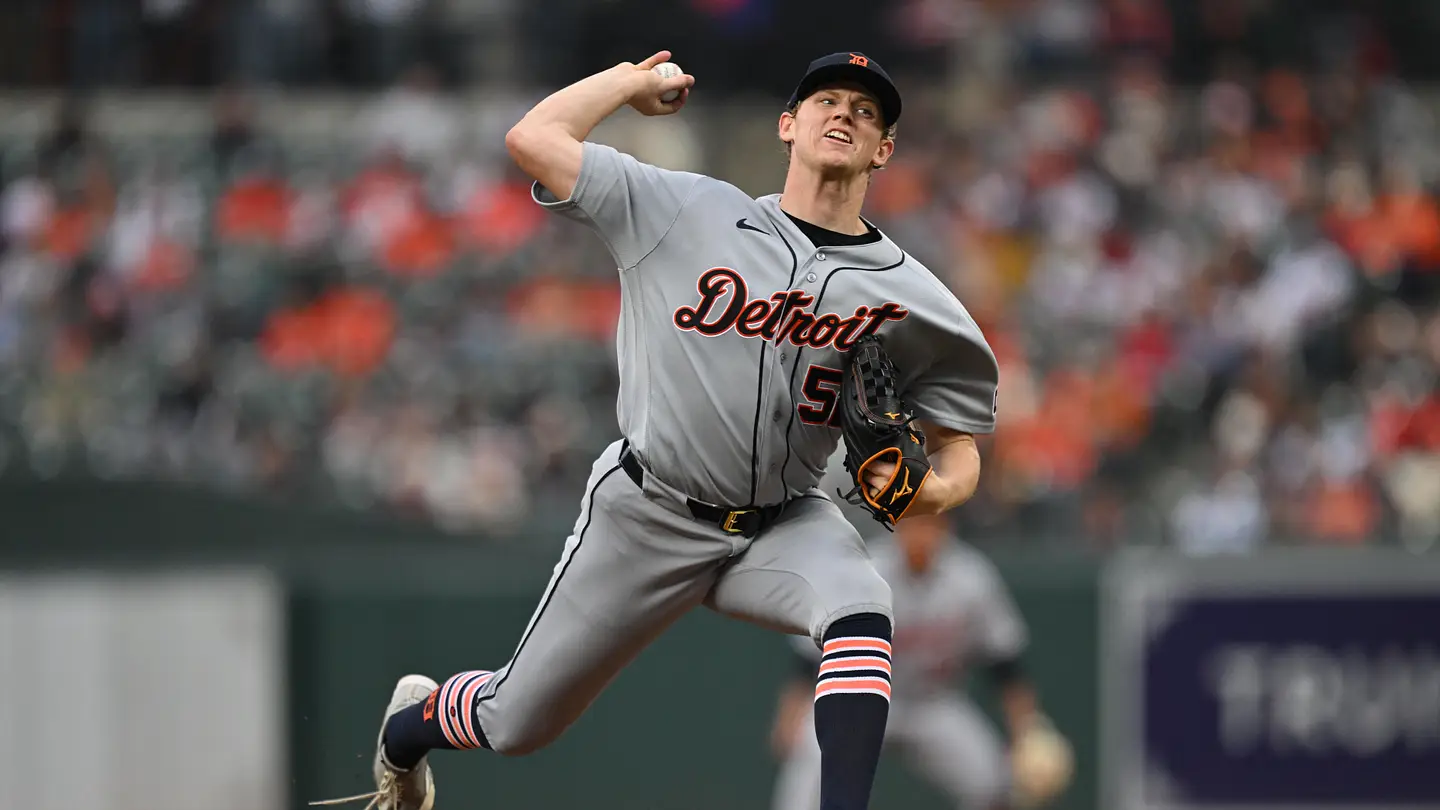
A starter with a league-average strikeout rate and ordinary control usually walks a tightrope. The modern pitching manual suggests that allowing the ball into play is equivalent to surrendering your fate to randomness. By that logic, Troy Melton’s results make little sense.The right-hander owns a 7-1 record and a 1.58 ERA through 12 starts this season. His metrics do not point to overwhelming dominance through brute force: he has a 22.5% strikeout rate and an 8.1% walk rate, both in line with league average. The quick explanation would be to attribute that kind of success to luck. What happens on the field tells a different story.Melton does not rely on visual deception in the final fraction of a pitch. His success comes from taking energy out of contact before the hitter can complete the rotation of his hips.The right-hander transformed his effectiveness by understanding that recording outs does not require piling up strikeouts. Instead of chasing whiffs on the outer edges of the plate, he reshaped the path the ball takes into the point of contact.Changing the Timing of ImpactTroy Melton | Savant BaseballThe structural change came in the hierarchy of his pitches. Melton reduced his four-seam fastball usage from 41.8% in 2025 to 35.9% in 2026, making room for a deeper secondary arsenal, per Statcast. His cutter doubled its usage to 22.1% of his total pitches, while his splitter gained strategic importance in deeper counts.When a pitcher leans heavily on a traditional fastball, hitters can adjust their extension with greater comfort. By incorporating pitches with horizontal and vertical movement in areas where the hitter expects velocity, Melton takes fractions of a second away from the hitter’s read. Hand speed becomes less useful when the ball changes its axis on the final stretch toward the catcher’s glove.Troy Melton | Savant BaseballThat variation shifts the center of contact. Hitters are facing pitches that move away from the sweet spot of the barrel, producing weak contact. Melton has limited barrels to 5.1% and hard contact to a 35.2%, placing him among the best pitchers in the majors in both categories. His cutter, in particular, has become a weapon for neutralizing bats: opponents are hitting just .088 against it with a .157 xwOBA, and they have produced a 0% barrel rate against the pitch.Frustration as a Counting ToolDetroit Tigers starting pitcher Troy Melton (52). | IMAGN IMAGES via Reuters ConnectWhen hitters cannot find a mistake inside the strike zone, their discipline begins to erode. The inability to do damage creates urgency, forcing hitters to start their swings earlier to avoid falling behind against Melton’s secondary pitches.By hiding his velocity behind the movement of his cutter and slider, Melton disrupts the hitter’s reference point for the pitch’s trajectory. Afraid of being left vulnerable in unfavorable counts, hitters chase pitches outside the zone that fool their eyes. That urgency has pushed opponents’ chase rate (O-Swing%) from 23.2% in 2025 to 33.0% this season.The trap becomes even more effective against right-handed hitters. Against righties, Melton owns a 27.6% strikeout rate, issues walks at just a 4.3% clip, and has held them to a .171 batting average with a .225 slugging percentage. When a right-handed hitter steps into the box, the Detroit Tigers starter effectively shuts down any attempt to do damage toward left field.Melton’s case reveals a fundamental truth about the art of pitching. The best starters are not always the ones who keep the ball out of play. They are the ones who determine the conditions of contact before the hitter ever begins his run toward first base.Add us as a preferred source on GoogleFollow
Illusion of Swing-and-Miss: How Tigers' Troy Melton Dominates Without Strikeouts
A starter with a league-average strikeout rate and ordinary control usually walks a tightrope.
600 words~3 min read