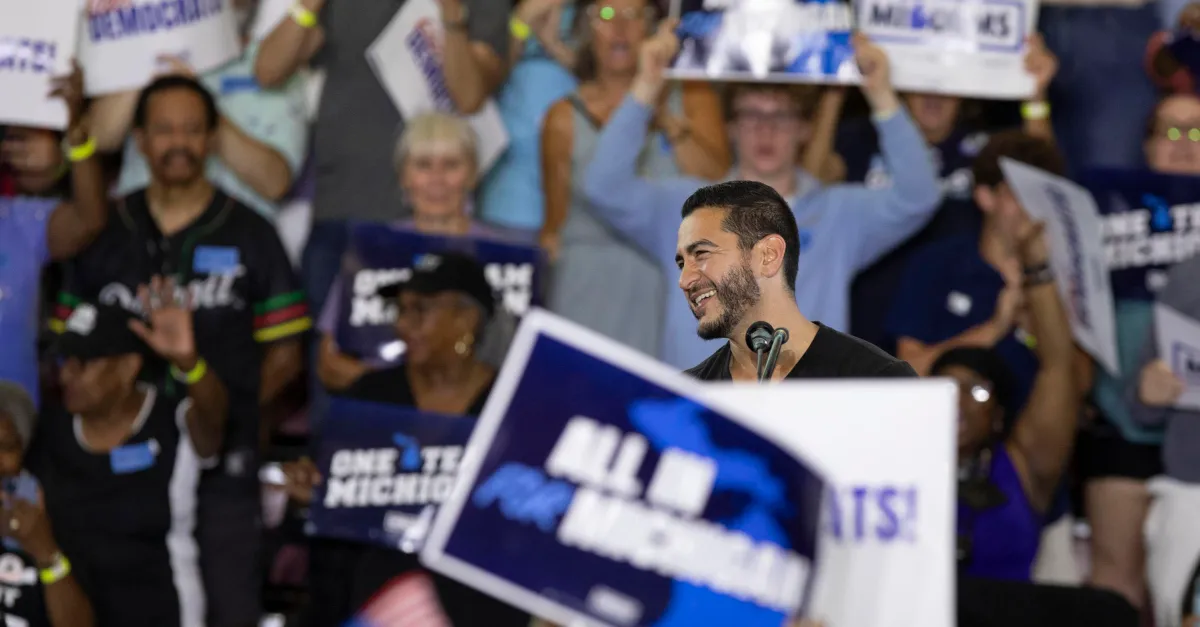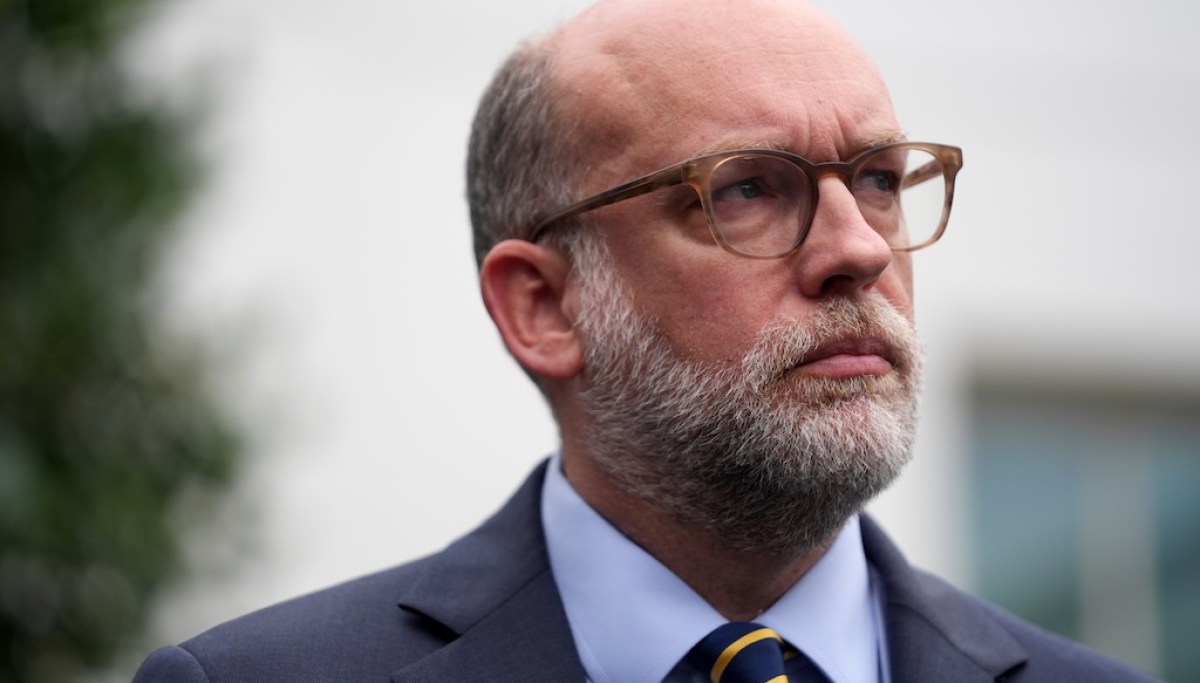
In Focus delivers deeper coverage of the political, cultural, and ideological issues shaping America. Published daily by senior writers and experts, these in-depth pieces go beyond the headlines to give readers the full picture. You can find our full list of In Focus pieces here.On Tuesday night, as Michigan’s primary results poured in, AIPAC’s influence over the results was hotly debated on network television.Discussing the race, CNN’s David Axelrod threw out the customary “as a Jew” reference before launching into his defense of Abdul el Sayed’s fixation on the organization. “What you see in Michigan is an interest group spending $30 million,” Axelrod said. “What people are grappling with is the power of money in our politics, the influence that interest groups have. It’s a legitimate question.”
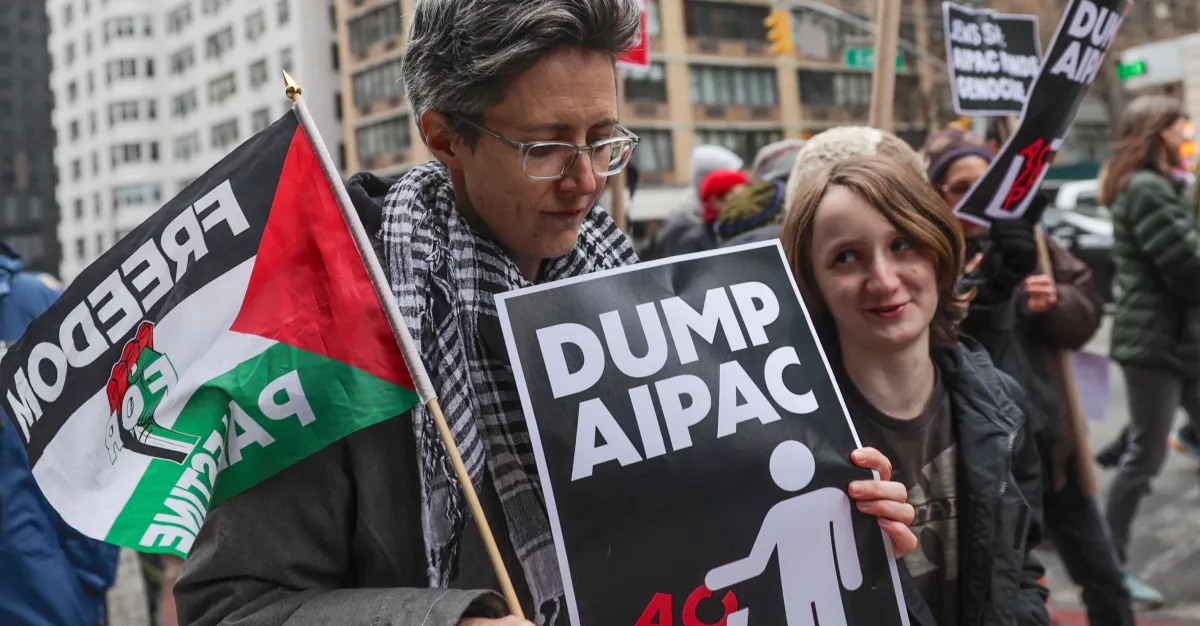
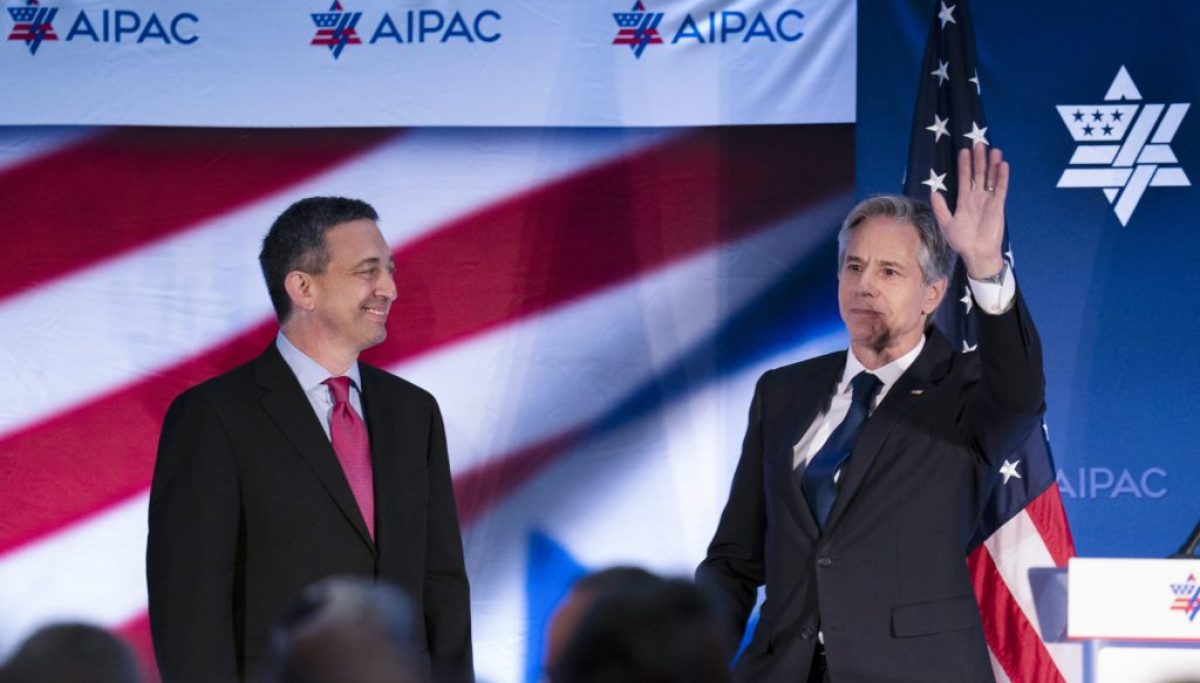
He then went further: “Should essentially an agent of any foreign government, whether it’s Israel or any other, be able to spend … $30 million in a race like this to influence the outcome of that race?”Another CNN contributor, Van Jones, immediately shot back at Axelrod’s characterization. “I don’t think that they’re an agent of a foreign power. I think they’re American Jews,” Jones said, noting that their political interest is protecting Israel.The back-and-forth was just the beginning of a postmortem fixated on AIPAC, an organization funded not by the Israeli government but by Americans concerned with the safety and security of the world’s one and only Jewish state. You wouldn’t know that from the way the organization is routinely discussed, however. AIPAC has become the great foreign-money boogeyman of American politics, despite the inconvenient fact that the money in question is American.If Americans are actually concerned about foreign money influencing American politics and policy, there is plenty to investigate. And unlike AIPAC, much of it is actually foreign.Americans for Public Trust has just launched a new database, FollowForeignMoney.org, attempting to track the enormous sums flowing from foreign sources into American nonprofit groups and advocacy organizations. At launch, APT says it has identified more than $5 billion in spending across more than 500 groups, documented in more than 12,000 records.The scale is remarkable, but so is the loophole that makes much of it possible. Federal law prohibits foreign entities from contributing to candidates, political committees, and super PACs, or participating in a campaign’s decision-making process. But elections are hardly the only way to influence American politics, and there are far fewer restrictions on foreign money once it moves outside the narrow confines of electoral activity.Foreign dollars can finance nonpartisan get-out-the-vote campaigns, voter registration, issue advertising, and various policy and lobbying efforts, all of which can help shape the political environment in which Americans eventually cast their ballots. As APT explains, the line between regulated electoral activity, where foreign money is prohibited, and unregulated issue activity, where it is typically permitted, is “nearly indistinguishable to the average American.”For some perspective, AIPAC, which again is funded by American donors, spent $29 million in 2022, $46 million in 2024, and $67 million in 2026, much of it in Democratic primaries. Those are substantial sums, and Americans are perfectly entitled to debate whether they like AIPAC’s political priorities, its tactics, or the candidates it supports.But there is something deeply unserious about treating money donated by Americans to an American organization advocating an issue they care about as a sinister form of foreign influence, while billions of dollars originating overseas can flow into American organizations seeking to shape our laws, institutions, and political culture with comparatively little scrutiny.In a conversation with the Washington Examiner, Caitlin Sutherland, executive director of Americans for Public Trust, explained what her organization found when it began following the money.“Foreign money is flowing through the nonprofit sector to implement an extremist climate agenda and bankroll radical left-wing causes and policies,” Sutherland said, including organizations supporting political causes such as radical ballot measures. “And it’s all propped up by foreign money.”The database allows users to trace that money through the complicated network of foundations, nonprofit groups, and advocacy organizations through which it often travels. An organization spending millions of dollars trying to change public opinion, influence legislation, register voters, or pass a ballot measure is participating in American political life, whether its name ever appears on a candidate’s campaign-finance report.Secretary of State Antony Blinken waves to the audience with AIPAC President Michael Tuchin after delivering remarks at the American Israel Public Affairs Committee Policy Summit on Monday, June 5, 2023, at the Grand Hyatt in Washington. (AP Photo/Jess Rapfogel)