– Well? Shall we go?
– Yes, let’s go.
They don’t move.
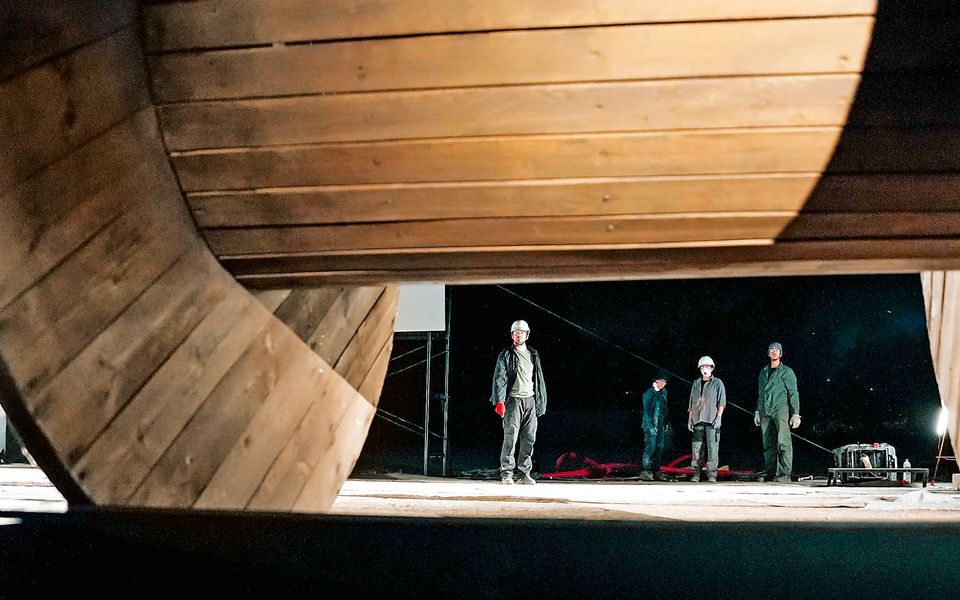
The above short dialogue is the final line of the famous play Waiting for Godot by S. Beckett. In this particular “play of nothing,” as it is widely called due to the absence of action and the lack of dramatic ups and downs, two wandering friends, Vladimir and Estragon, meet on a deserted road and discuss trivial things, waiting for a man named Godot. They do not know much about him, but they believe that once he appears he will be the solution to their problem, the authentic meaning that will be given to their hitherto indifferent life. At the end of both acts of the play, although the two heroes agree and prepare to leave their meeting point, they ultimately remain still, trapped in anticipation and in the stagnation of their paralyzed human existence. The contradiction between their words and actions is characteristic, suggesting that theory is sometimes far removed from reality and that intention alone is not enough in the absence of a realistic basis.
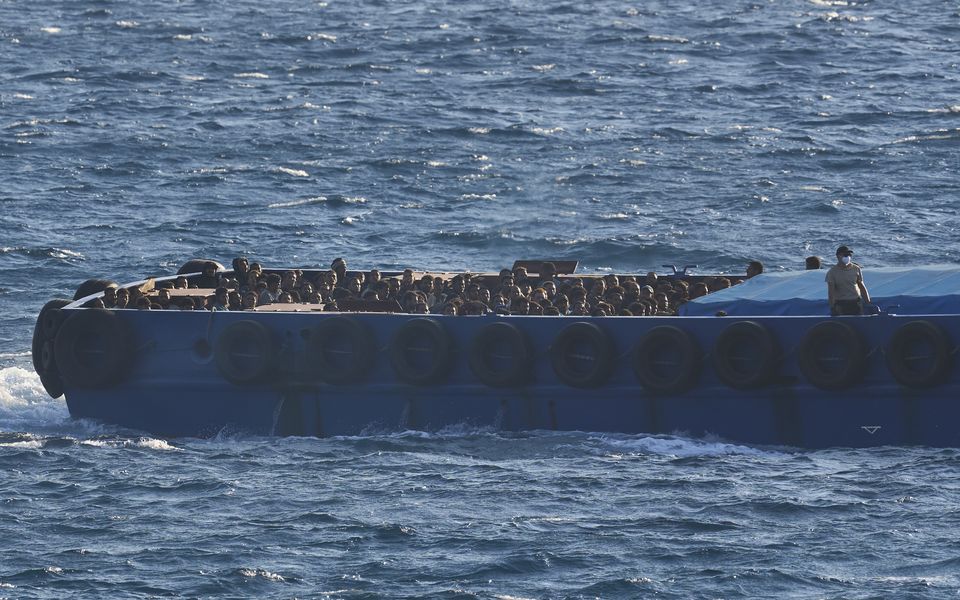
This perpetual waiting and endless confinement in a state of immobility is reminiscent of the EU’s response to situations of mass illegal arrivals, such as those that took place in Ceuta last week. A “human river” of 72.000 impoverished people, guided artfully and channeled in a coordinated manner to the EU’s external land borders, transformed into a hybrid threat to the national security and social cohesion of Spain and, by extension, Europe. The images that emerged from this Spanish enclave clearly demonstrated that any frontline Member State, no matter how well prepared it is, no matter how well-equipped its infrastructure is, and regardless of the know-how it has invested in, cannot respond effectively to conditions of uncontrolled arrivals and disproportionate migratory pressures.