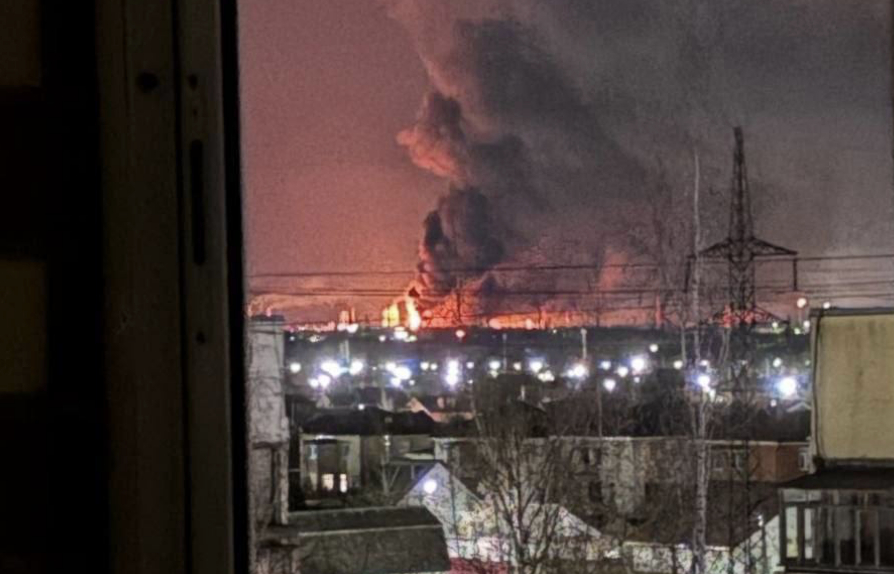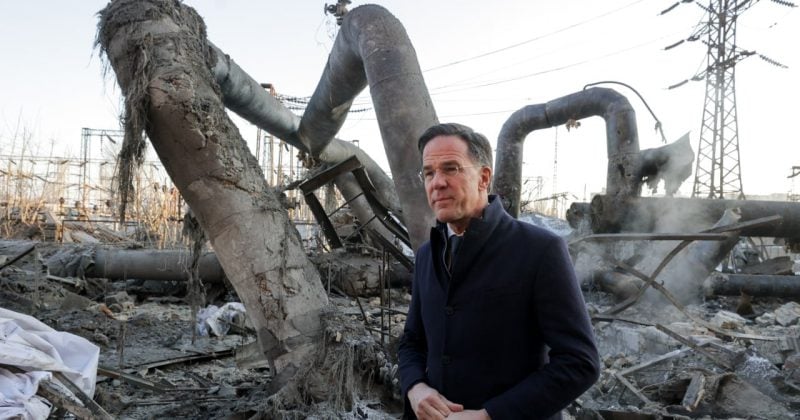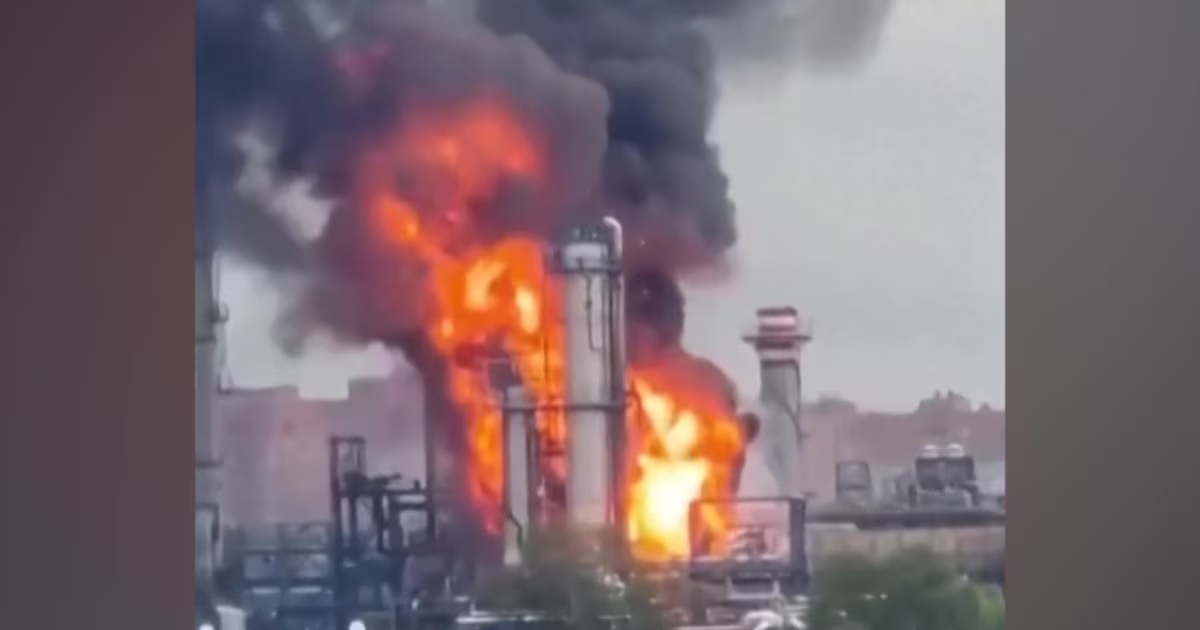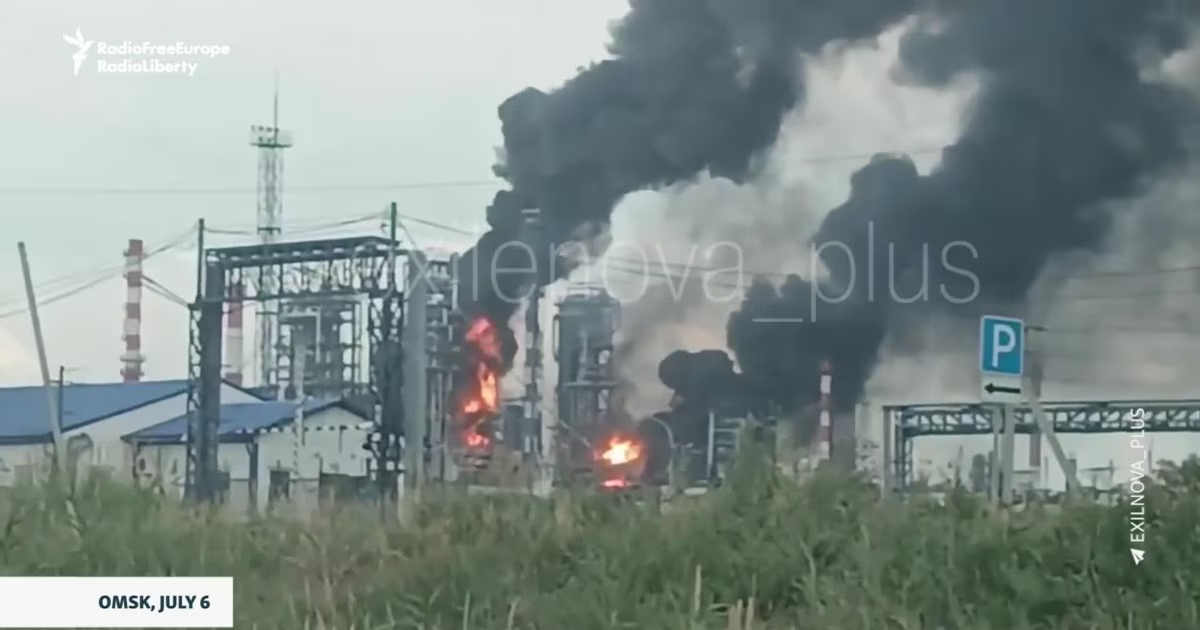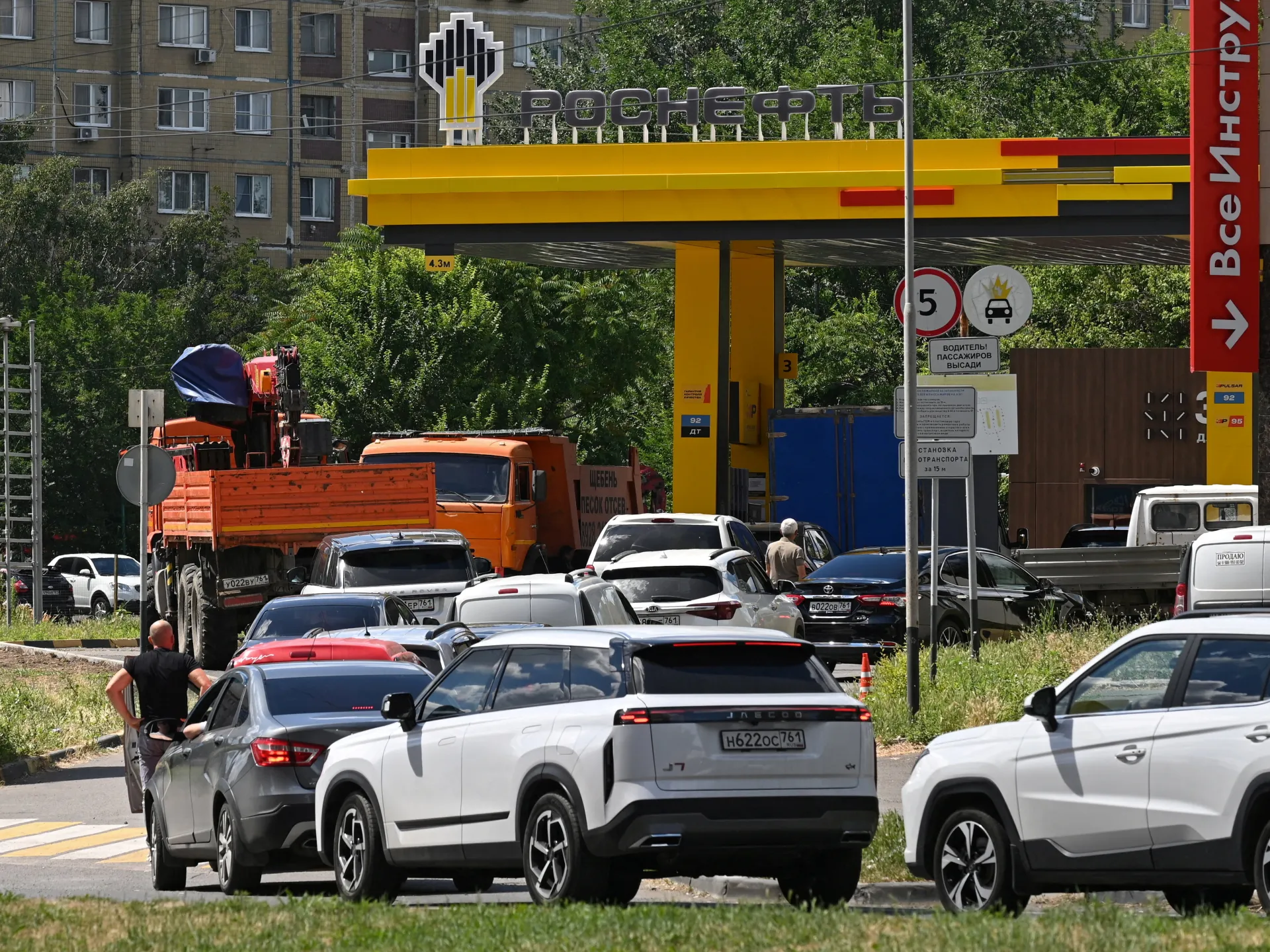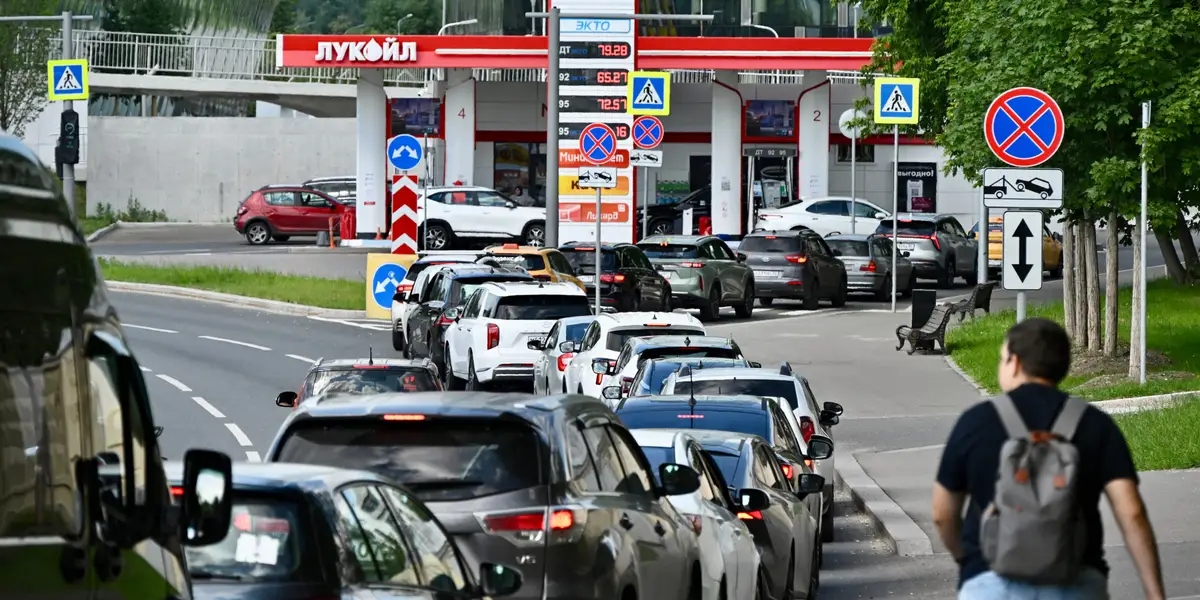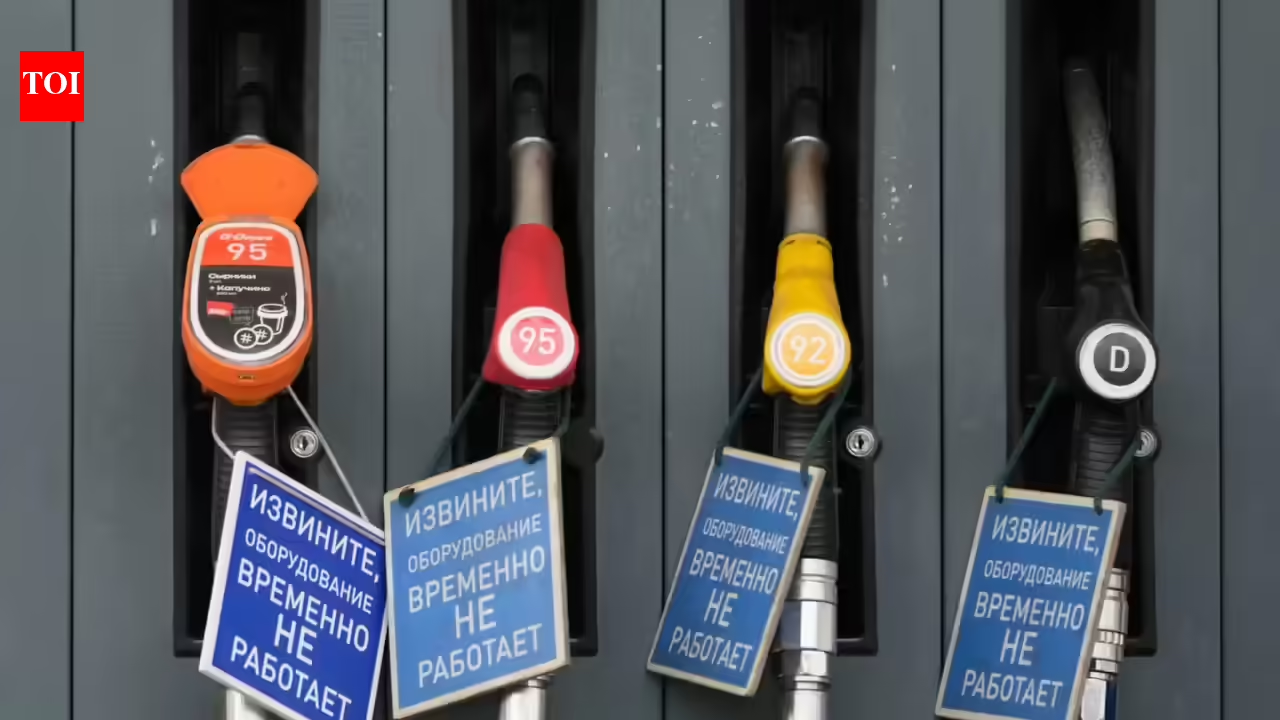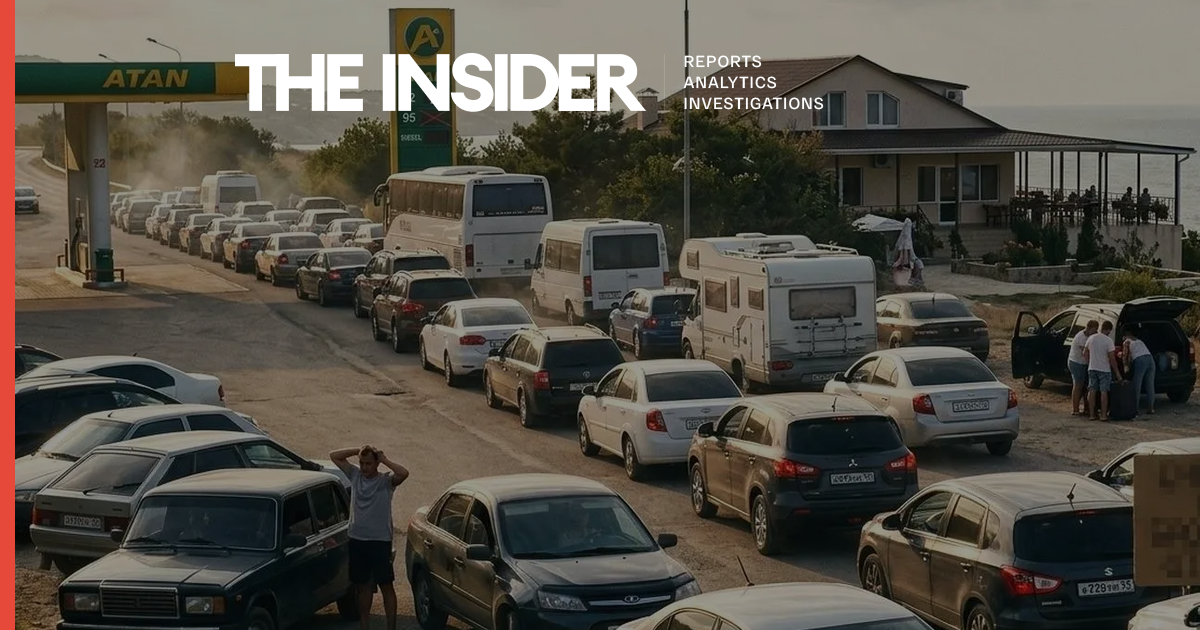
After Ukraine intensified its campaign of drone attacks against Russian fuel infrastructure in late June, gasoline and diesel shortages began affecting a wide range of economic sectors across the country, including agriculture, tourism, and small businesses. The Insider spoke with entrepreneurs whose businesses have suffered the consequences.Contents1.“There’s almost no point in farming anymore”2.“People are developing a negative reaction to troops in the city”3.“Crimea is dying as a tourist region”“There’s almost no point in farming anymore”Denis, farmer, Voronezh RegionAll my equipment runs on diesel — combines, tractors, trucks that haul the harvest out of the fields, loaders (including front-loaders) — absolutely everything. Diesel now costs 120–130 rubles ($1.5-1.6) per liter wholesale; farmers, when they drew up their budget roadmaps, were counting on 70. Do the math — fuel prices almost doubled.Drones don’t hit our facilities as often as in the neighboring Kursk and Belgorod regions. But a missile blasted our plant about three weeks ago. I immediately grabbed my bike and rode over to see it.Five people were killed in the attack on the plantThe harvest hasn’t come to a standstill anywhere here. But the harvest isn’t even the point. The real trouble will start in the fall, when fall fieldwork begins. A tractor with a plow burns 600–800 liters per shift. And that’s just one tractor.Nobody really knows what to do next. There are options: instead of plowing, you can disc the fields. This technique saves a lot of fuel but will negatively affect the future harvest.Due to state control of prices, the harvest is unlikely to yield bigger profits. Wheat prices are holding, but production costs have likely tripled. A farmer can’t set their own prices — there’s almost no export market, and bread is a strategically important commodity, so prices are strictly fixed. There’s no way around it.There’s almost no point in farming anymore. It gets worse every year. But abandoning the land isn’t an option either: if you leave it for even a couple of months, it’s ruined — weeds take over. Leave it for more than a year, and it’s overgrown with bushes. Clearing bushes from a hundred hectares is an enormous undertaking. Nobody can do that on their own.You could, of course, lease the land to a holding company. But this year is the most critical one. I’m sure many won’t make it through. Economists on YouTube say that if the strikes continue, something close to a food crisis could begin. I don’t believe that — the stores still have everything, and the big holding companies will cover all needs with room to spare. But for private farmers, the crisis is already here.We’re bracing ourselves for things to get worse, for the strikes to intensify. Rallying around Putin for him to “squeeze” Ukraine — only a handful of eccentrics say that now. Everyone is just waiting for “de-Putinization.” And, most importantly, even those who did not believe in it have changed their minds. Before, everyone was sure Putin wasn’t going anywhere. That feeling is gone now.Everyone is just waiting for “de-Putinization” — even those who did not believe in itIn that sense, things have gotten a bit easier. We go to various events. I play poker, and while nobody used to breathe a word about any of this at the table — everyone just played cards — now they openly tell that “old man” to go to hell. That never used to happen. Before, there were those who always cursed him — people like you, liberal journalists — and the rest stayed quiet, at best. Now nobody stays quiet. My take: he’s got no good way out anymore.“People are developing a negative reaction to troops in the city”Yegor, construction worker, Belgorod RegionMy business partner has two KamAZ trucks constantly in service. He calls to complain, saying: ‘There’s no work, we probably need to go our separate ways.’ Lindor got hit, and four large enterprises on Sumskaya Street stopped operating. After much difficulty, they managed to restore power in a week — it’s hard to imagine what resources were needed for four enterprises like that.And now we’ve been struck with diesel shortages. Before, he used to get fuel any way he could — some shady suppliers would bring it, or soldiers. Now no one has anything to offer — the soldiers themselves are looking to buy. They’re handing out 60 liters per day per vehicle, and that’s nothing. KamAZ trucks consume on a completely different scale; it’s a drop in the bucket.Diesel is rationed: government institutions, the military, security forces, and farmers get priority, otherwise everything would grind to a halt. On the other hand, we have relatives who are well-off farmers. They grow beets and wheat and have several combine harvesters — a well-run operation. They’re allocated 27 tons of diesel. They say it’s more than enough. I asked them to give me a ton. No problem, they said; if you need more, I’ll give you more.Things have somewhat improved with gasoline, but not a hundred percent. Today I saw a huge line at Dalnyaya Igumenka — an enormous queue, even though I used to fill up there without any issues. Gas stations are still getting hit. The station near Stroitel got struck; the Lukoil station got struck. A rocket hit the Teboil on Sumskaya, killing a female attendant. Then the station was rebuilt — and got hit again. The Rosneft near the car wash under the bridge got hit too. And the Rosneft in Bolkhovets also got hit.In short, city gas stations are getting hit hard, so it makes sense to fuel up somewhere out in the countryside, outside of town. That actually works better for me: I drive out in the evening to a rural station, fill up the tank, fill a jerry can — no problem.After the latest strikes, many people are driving around with walkie-talkies. I’m thinking of charging mine and relearning how to use it — I haven’t picked it up since 2022. Someone sent me the military frequency they use to broadcast attack warnings. That’s the most up-to-date information right now, so I’ll use it. Because if they start launching direct strikes on the city again, that’ll be it.As for the mood, the temperature has genuinely changed. People are less and less afraid, speaking out more sharply. The fear is starting to disappear. Before, only anonymous accounts on social media would dare to make sharp statements about the authorities, but now real, non-anonymous accounts are posting them.The mood is clear: the authorities are clamping down and filtering the media, but people have adapted somehow, communicating through their own channels, and the overall level of discontent keeps growing. You can’t bail out the sea with a sieve, and you can’t block everything. People are discussing what’s happening in Krasnodar, in Voronezh. Everyone is saying the same thing right now: [the Kremlin’s United Russia Party] will get nothing in September [when parliamentary elections are held].Talk of mobilization, of everyone going to the trenches, of a possible attack on Europe to escalate the conflict — these are very different conversations from 2022–23. And interestingly, nobody remembers anymore what they themselves were saying two years ago. It turns out everyone was against the war. Everyone suddenly recalls that they supposedly always said it wasn’t needed, that they all have relatives in Ukraine, that we are one people.Everyone suddenly recalls that they supposedly always said the war wasn’t needed, that they all have relatives in Ukraine, that we are one people
“Many won’t make it through the year”: Fuel shortages are hitting businesses across Russia
After Ukraine intensified its campaign of drone attacks against Russian fuel infrastructure in late June, gasoline and diesel shortages began affecting a wide…
2,823 words~13 min read