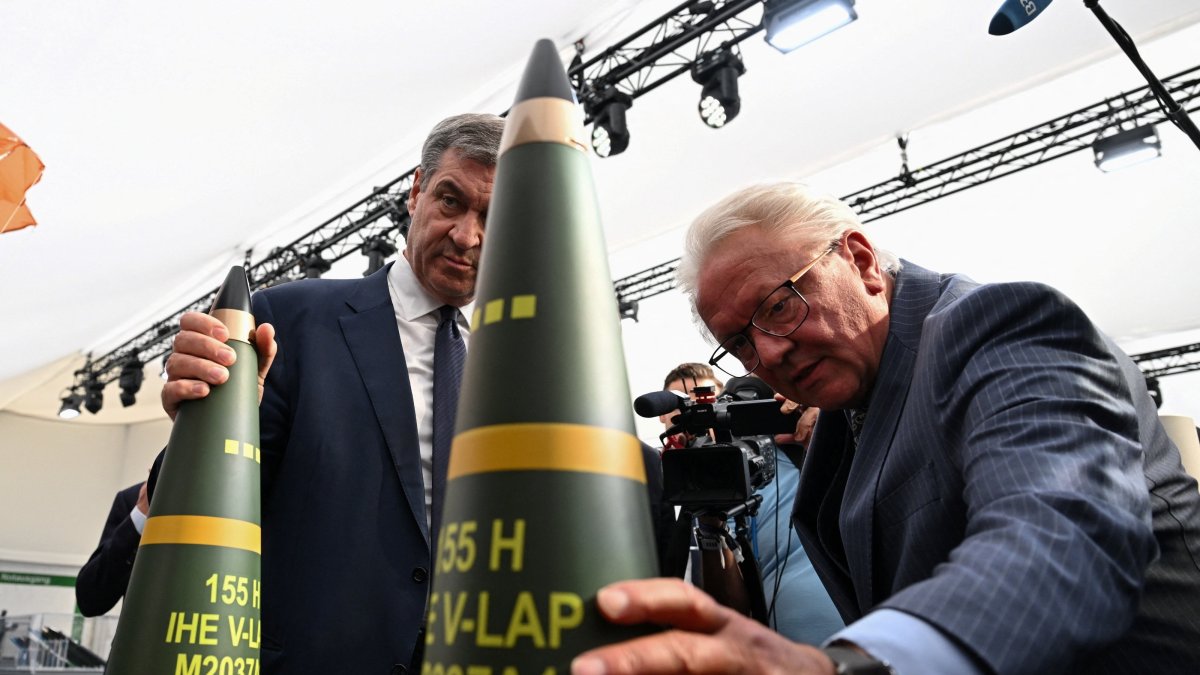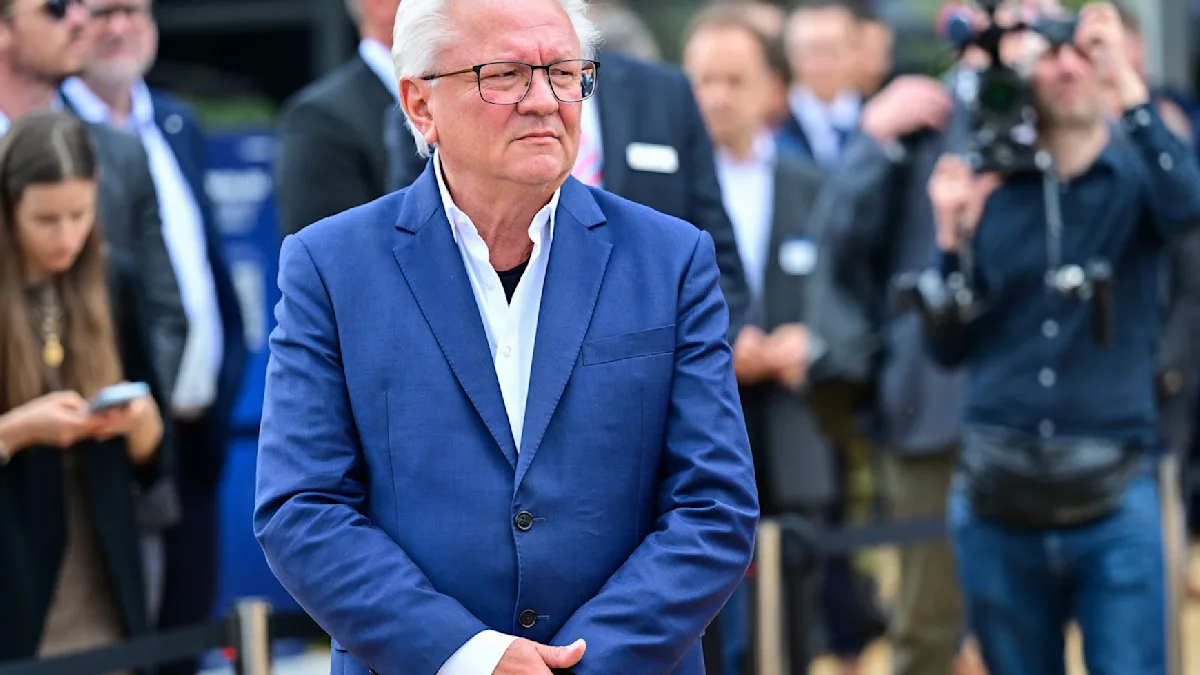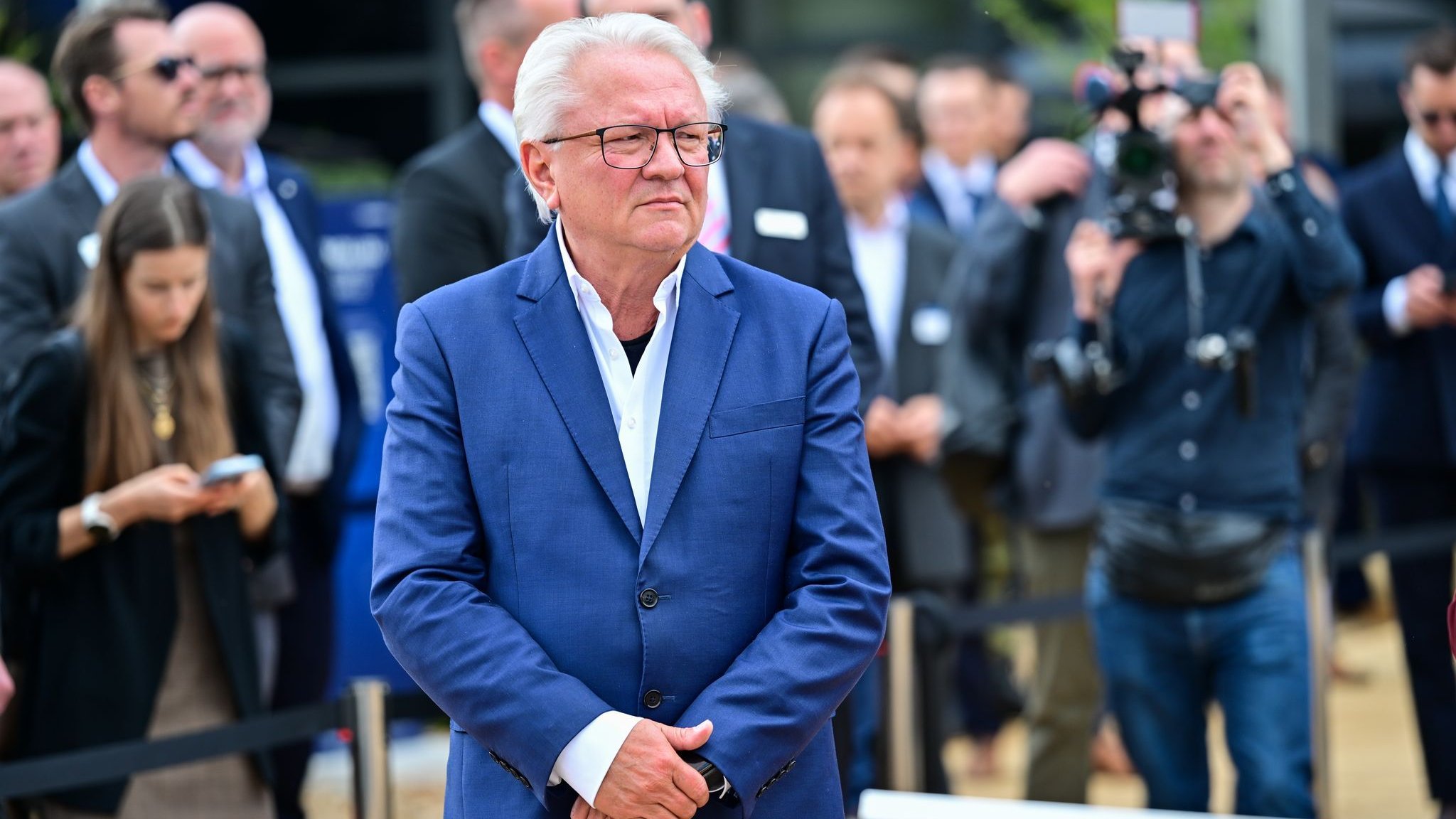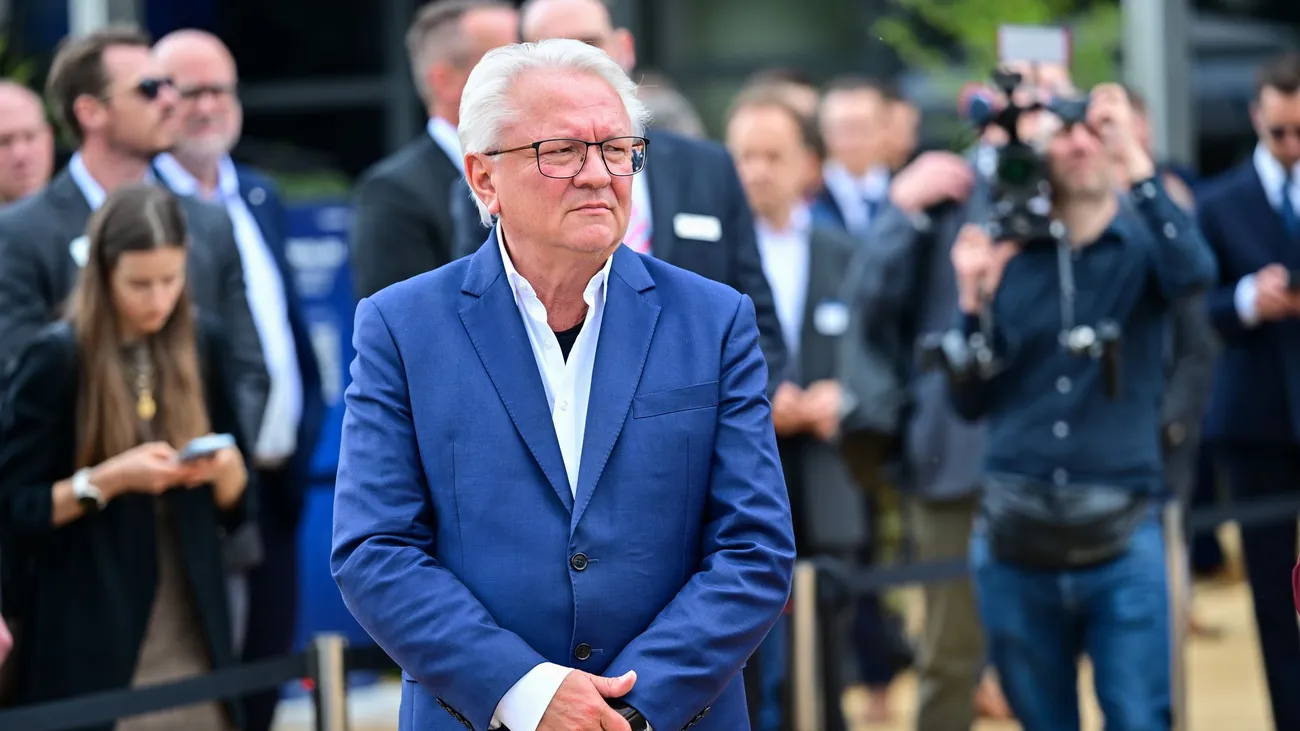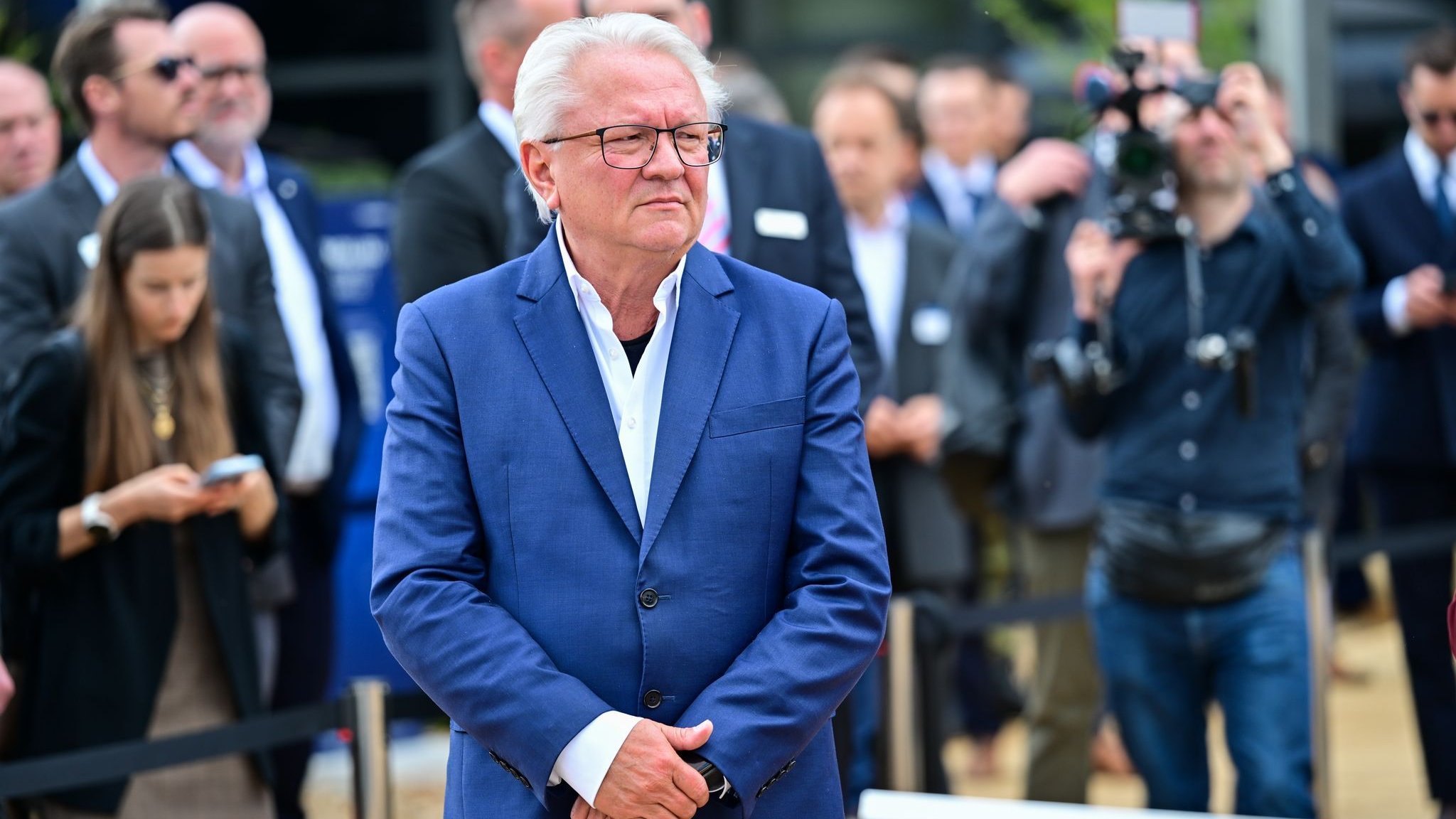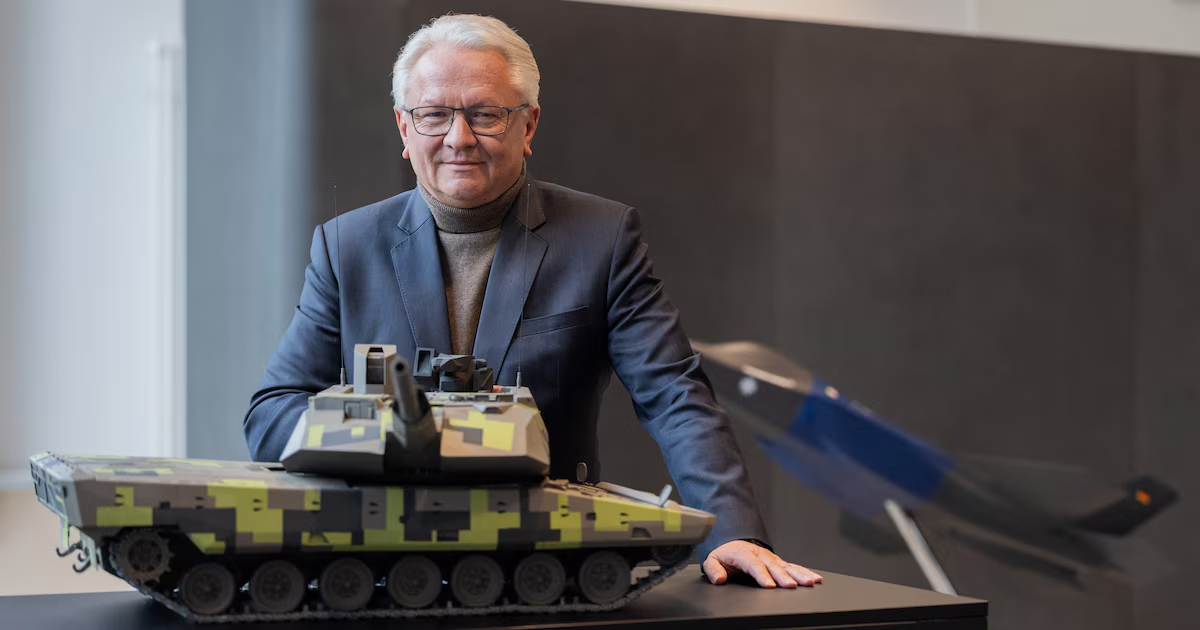
Rheinmetall CEO Armin Papperger wasn’t boasting when he said, “Cowardice is not an option in this business.” He wasn’t celebrating personal bravery either. He was simply acknowledging a reality: he no longer has the luxury of being afraid. Papperger has lived under police protection for years due to suspected Russian assassination plots. Armed security accompanies him everywhere—even inside Rheinmetall’s headquarters in Düsseldorf—under a protection protocol comparable to that of the German Chancellor. Not because he is a criminal, but because he manufactures weapons in a world where retaliation has become a currency.
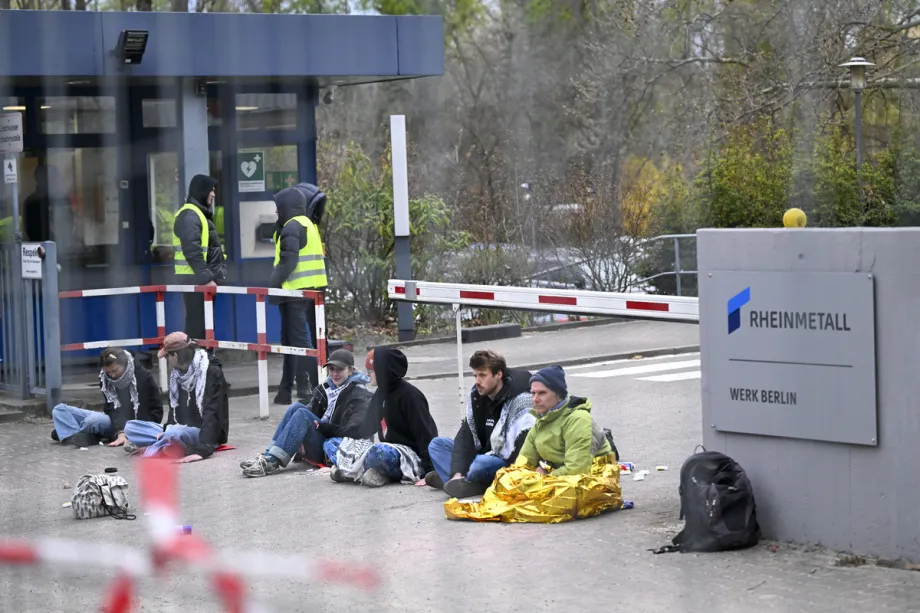
Rheinmetall supplies large quantities of arms to Ukraine and is building factories there. The company’s CEO now lives as if he were in a permanent war zone, even when seated behind his desk.
But Papperger is not alone. There are people who fear for their lives simply because they write.
Take Salman Rushdie, who paid for a single novel with decades of hiding and near‑fatal violence. Or Italian writer Roberto Saviano, author of Gomorrah, who has lived under round‑the‑clock protection since the book’s release. He describes his existence as “dying while alive.” A man who wrote about the mafia now lives as if he were one of its potential victims. Even Israel—where he was invited to relocate—could not offer him a sense of safety.