The Pulse Newsletter 📣 | This is The Athletic’s daily sports newsletter. Sign up here to receive The Pulse directly in your inbox.Good morning! Has your favorite baseball team exhausted you lately? Same. Inside:
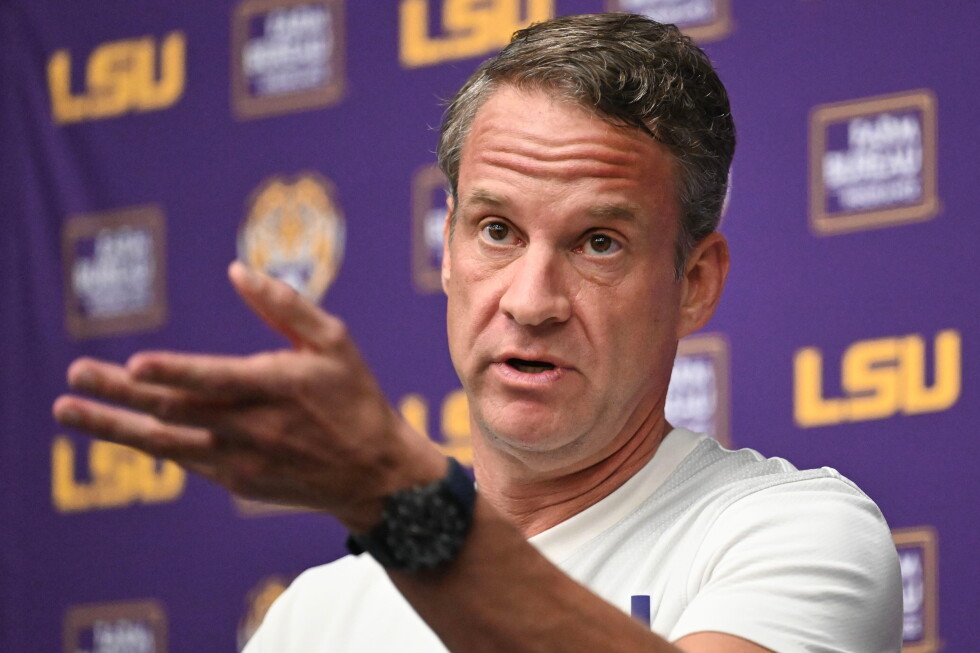
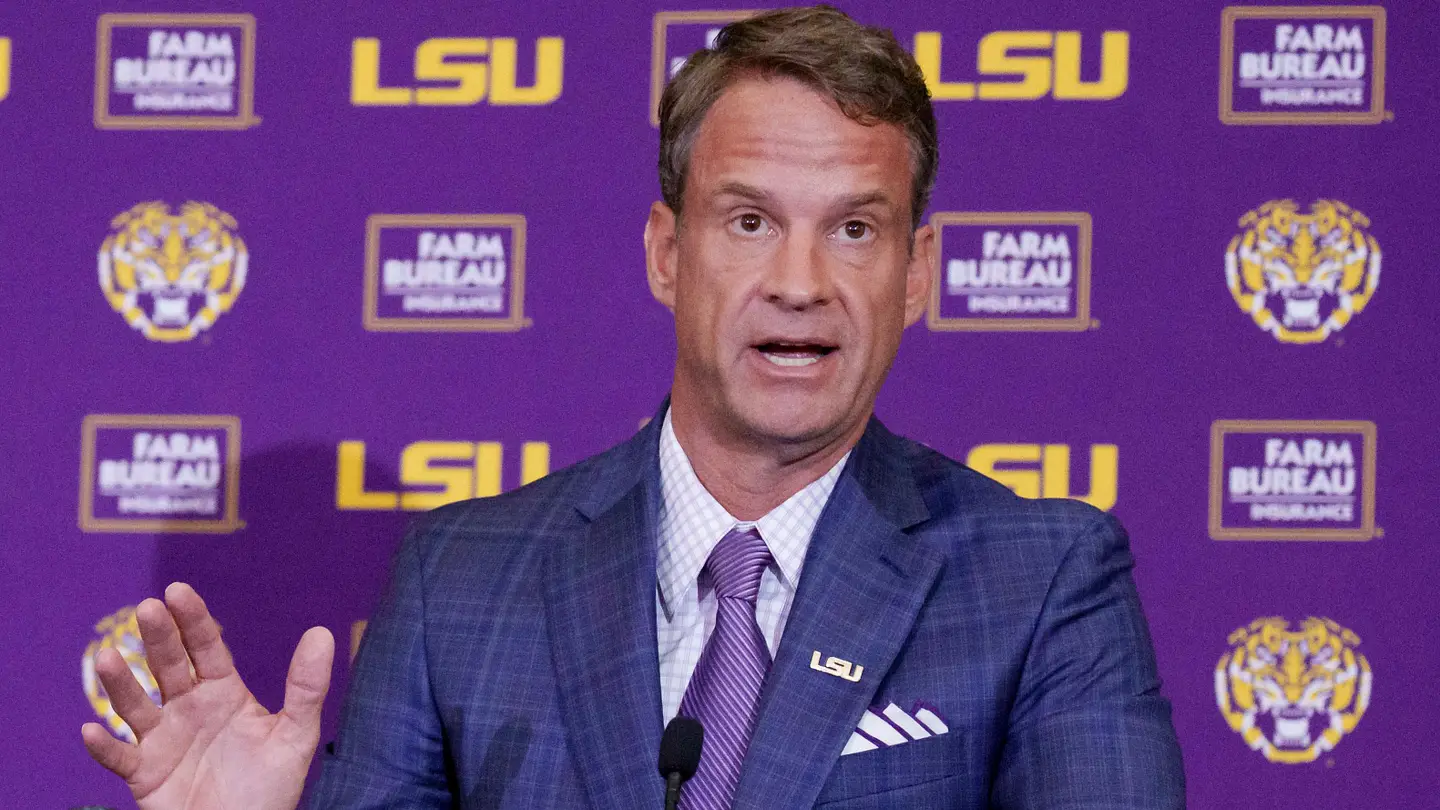
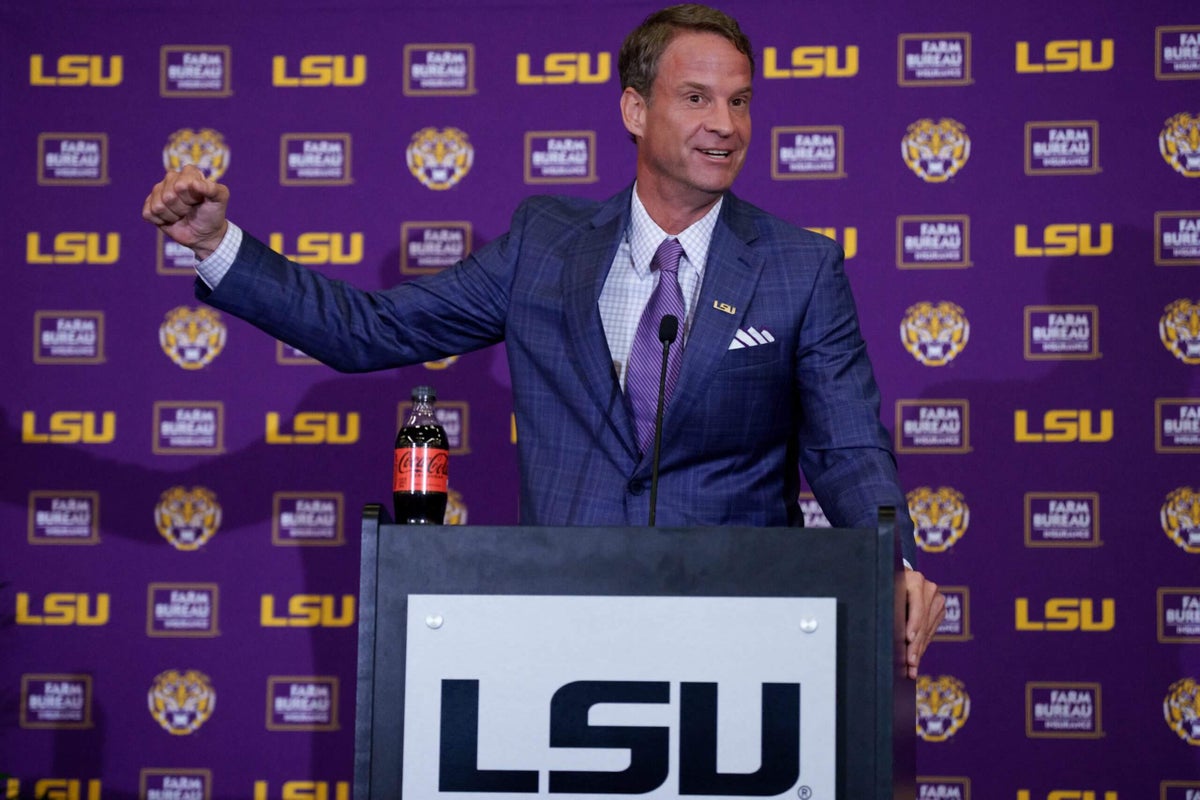
Legislating: Can Congress actually stop future Kiffins?The NCAA has been pleading with Congress to pass a bill to regulate college sports economics since 2019. The association is closer than ever to getting it, yet still far away. The big news this week: A revised version of the bill didn’t get a Senate vote before senators left Washington for recess. It’ll have its next shot in September, leaving plenty more time for both debate and controversial amendments that might kill it. The Trump administration and a bipartisan group of senators (but perhaps not 60 of them) support the bill. The Congressional Black Caucus, whose opposition already helped scuttle a similar bill, does not. (The Athletic’s Jerry Brewer explains here why he thinks the bill should pass.)There’s a lot to talk about in the bill: an antitrust exemption to let the NCAA make player payment rules (theoretically) without legal exposure, a “one-time” transfer rule for players, a provision that could dramatically slow down conference realignment and even a mechanism for schools to one day pool their media rights if enough of them agree.But I want to talk about something a little more fun. The bill contains what its supporters call a “Lane Kiffin rule,” designed to stop coaches from doing what Kiffin did last fall when he abandoned Ole Miss in the middle of a playoff run to take the head job at LSU. (Kiffin spent months in an aggrieved posture over Ole Miss declining to let him coach the team while he built up a conference rival for the future.)The bill says, in so many words, that a college football coach cannot perform head coach duties for another team — recruiting, staff-building, whatever — until their current team’s season is over. This applies not just to head coaches like Kiffin, but to assistants taking head-coaching jobs elsewhere. (For example, both of Oregon’s coordinators were working for two programs during the Ducks’ playoff run last year. That wouldn’t be allowed anymore.)People around college football have wondered a lot about the practical application of this part of the bill. It sounds fair enough: Players can’t transfer in season, so why should coaches? But one could imagine some obvious logistical concerns, namely that policing coaches to ensure they’re staying within the spirit of the law may be impossible. Coaches leaving for new jobs would be barred from “directing, participating in, or materially influencing recruiting strategy or evaluations,” but is someone really going to stop a future Kiffin from dispatching deputies to do exactly that? Is Congress, or the NCAA, really going to suspend a violator for a year?How would you get around this bill if you were a coach, agent or search firm whose remit is to place coaches in the mix for new jobs without letting the word out too early? I asked Chris Vannini, author of the above-linked explainer and a man who’s talked to a few football coaches and agents in his day:💬 “I would accept a job under the table or just not say anything about it publicly until the season ends. The same way college basketball coaches magically accept new jobs the day after they’re eliminated from the NCAA Tournament. The rule doesn’t say you can’t take a job. You just can’t do basically any part of a head coach’s job at the new school. But you’ll need your school to try its best not to leak it.”I don’t fault Congress for taking a stab at this. I am skeptical that our legislators will be able to stop profit-minded coaches and administrators from operating in a sleazy fashion. Let’s see.News to KnowNick Cammett / Getty ImagesRoasts and a tough revealA Pro Football Hall of Fame class that initially made headlines for who it doesn’t include (longtime New England coach Bill Belichick) got its moment in the sun yesterday. The induction ceremony hit a somber note when former 49ers running back Roger Craig — who finally made it in his 28th year of eligibility — revealed in a prerecorded video that he’s been diagnosed with dementia that doctors believe could be related to his playing career. Craig said he came forward to help others spot the gradual changes he experienced. Also: