(Image credit: Future)
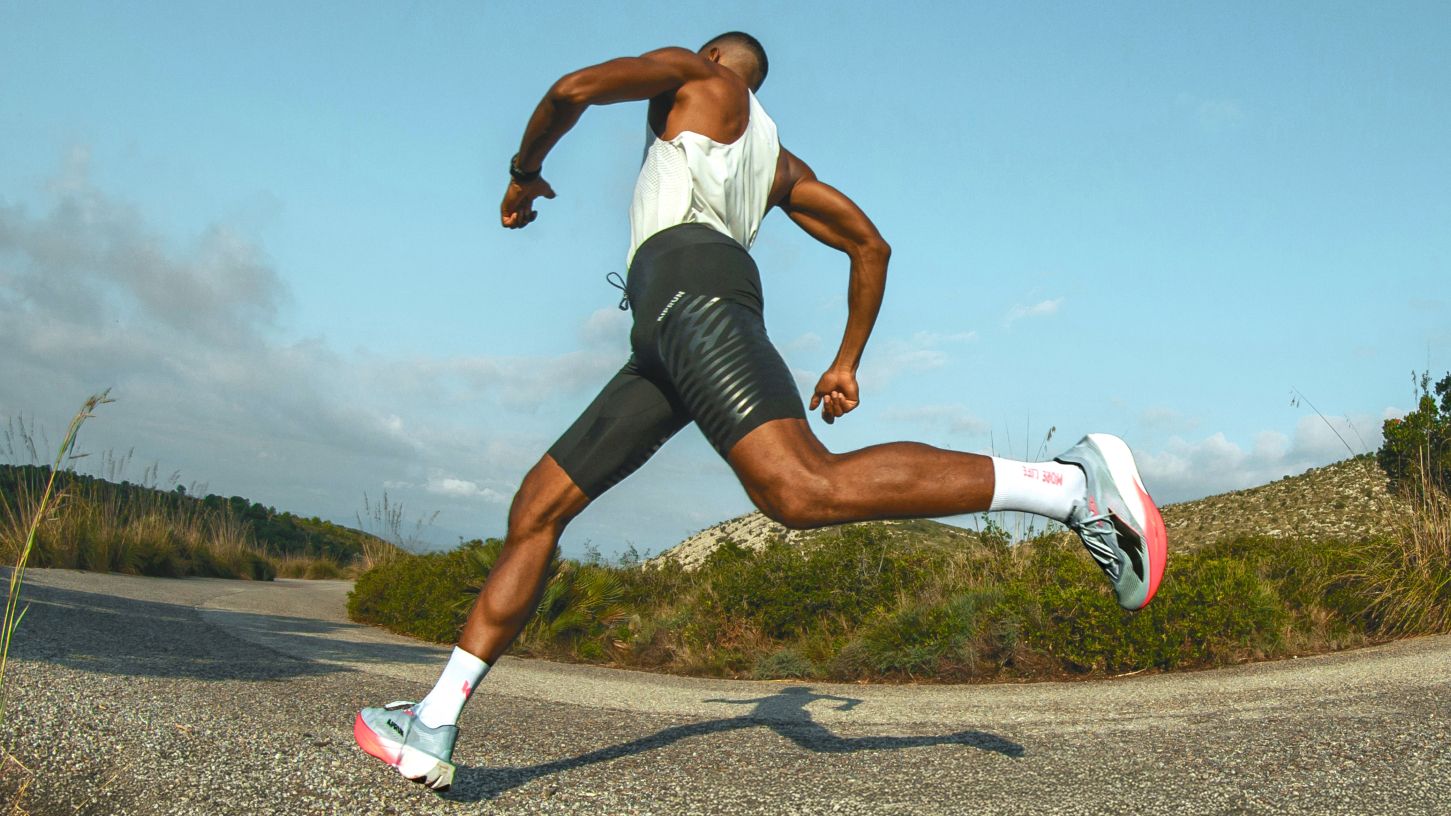
I’ve been running for over a decade and I’ve tried all kinds of different equipment, nutrition and training routines to help improve my performance. The truth is, we’re lucky to be living in an age where boundaries are being pushed on every front.The best carbon plate running shoes, combined with high-carb strategies based on advanced gels, have both been instrumental in improving the performance of elites and amateurs alike; if you follow pros across track, road and trail events, you might also have clocked some distinctive running shorts, too.Rheon Labs tech has been used in shorts made by Adidas, Soar and now Kiprun to boost the benefits that can be obtained from compression, with eye-catching results from athletes using the tech, including Australian sprinter Gout Gout breaking Usain Bolt’s U20 world record for 200m in April this year.I’ve tested Rheon tech in Soar and Kiprun shorts and tights, including running my fastest marathon, and there’s more on my experience below, but first, here’s the low-down on the tech from James Wilmott, product developer at Rheon Labs.What is Rheon?
(Image credit: Soar x Altra)Rheon is a strain-rate-sensitive material, which means it’s soft when it’s not needed but stiffens when required. According to Wilmott, it’s a bit like custard.“When you put your finger slowly into custard, it sinks in, but if you impact it very hard, then it stiffens up,” says Wilmott.“The other example is wet sand. If you were to just stand still, you'd sink, but if you run, then you can run along the surface of the wet sand.”Get instant access to breaking news, the hottest reviews, great deals and helpful tips.The material was developed by Rheon Labs founder Dr. Dan Plant, who initially looked at using it in protective equipment.In running shorts, Rheon is used as a film and applied as a pattern, and it stiffens when more impact is put through the muscles covered by the material, such as when your foot lands.What are the benefits of Rheon tech for running?