Audio By Vocalize
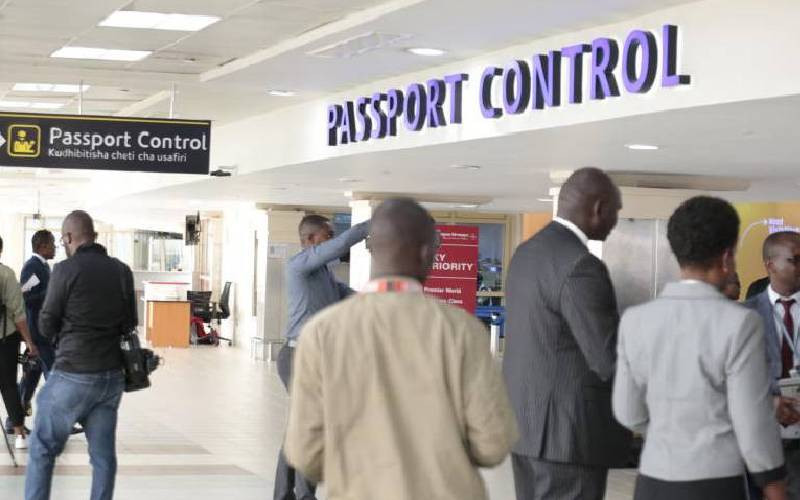
Somali leaders travelling on Kenyan passports have reported difficult experiences at JKIA in Nairobi. [File, Standard]
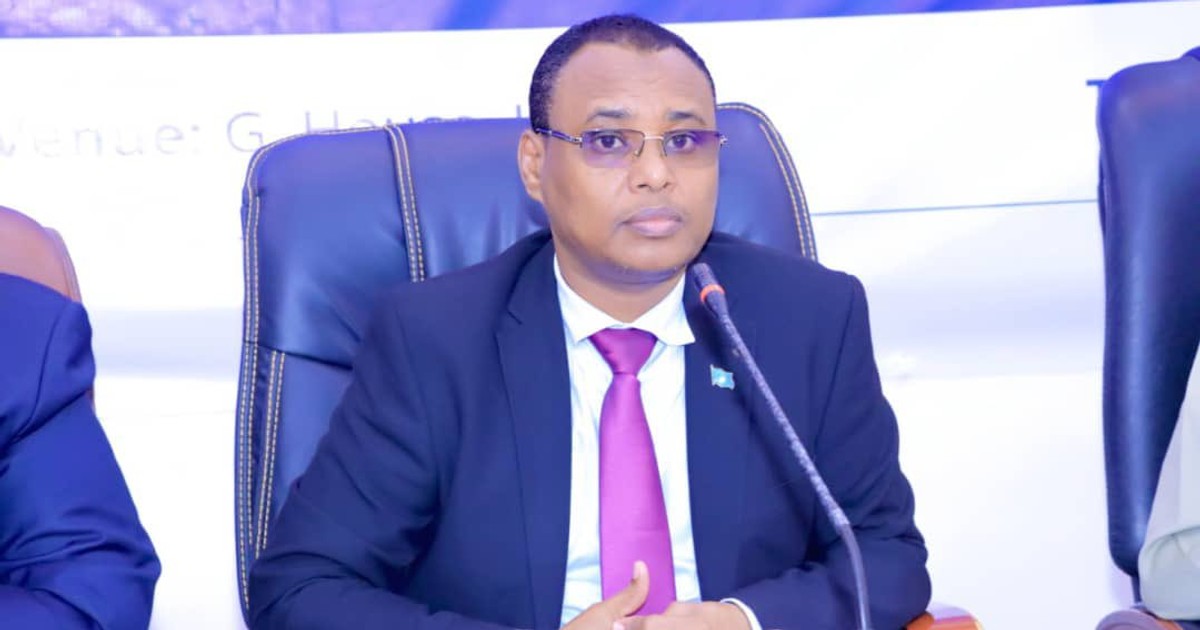
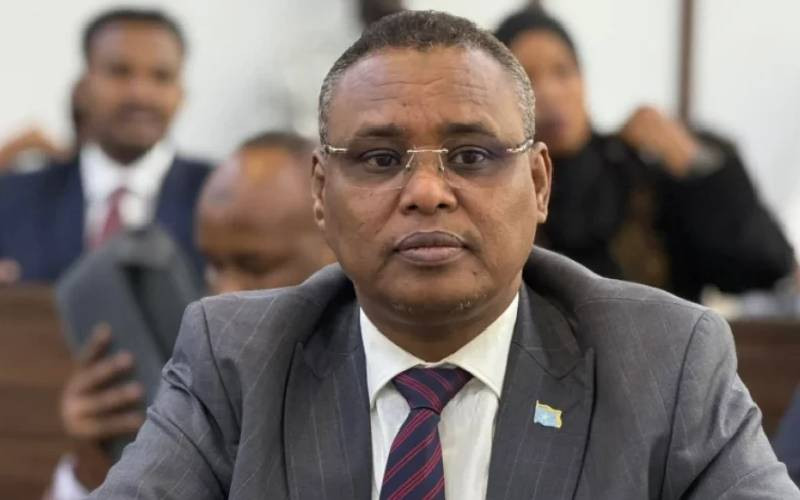
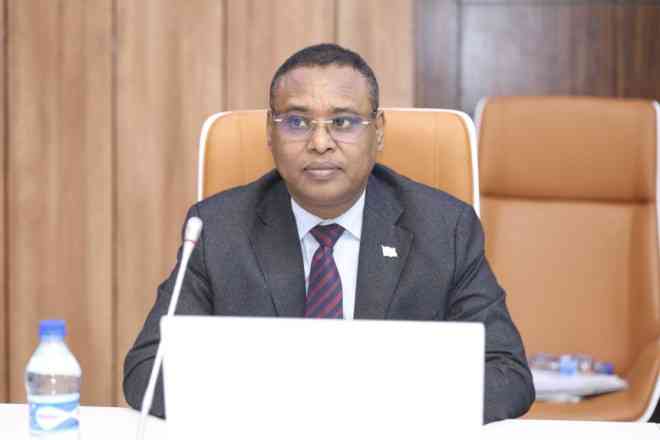
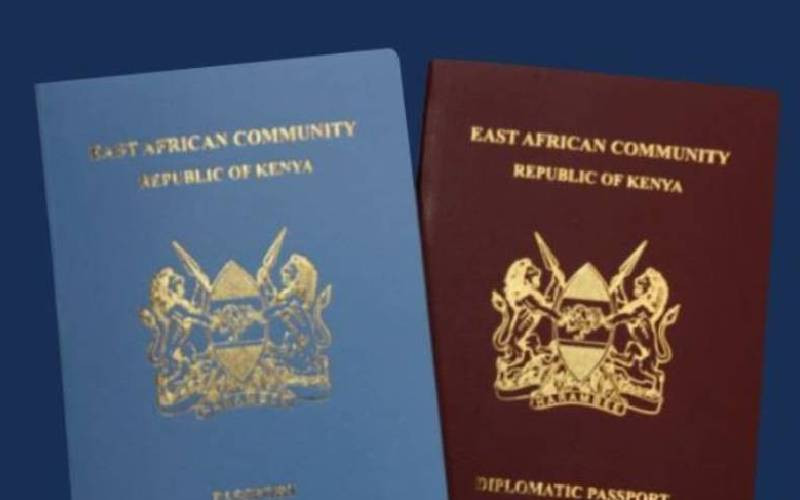
Recent reports that Somalia's Deputy Prime Minister returned his Kenyan passport after allegedly being manhandled at Jomo Kenyatta International Airport are about far more than an immigration dispute. They illustrate how the actions of a single frontline official can undermine decades of painstaking diplomacy and erode one of Kenya's greatest strategic assets: its soft power. For a country that aspires to be East Africa's diplomatic, commercial and logistical hub, the treatment of senior visitors, investors, refugees and ordinary travellers is not merely an administrative matter—it is an instrument of foreign policy.
The incident highlights a broader strategic risk. Kenya may be gradually eroding one of its greatest but least appreciated national assets: the goodwill it has accumulated over decades by hosting Somali refugees, students, entrepreneurs and families. Soft power is the ability to influence others through attraction, trust and enduring relationships rather than coercion. It is built patiently over generations but can be weakened by repeated acts of bureaucratic insensitivity.