When the late Republican Senator John McCain ran for president in 2008 against former U.S. President Barack Obama, he had to tame some of his supporters who harbored brazenly racist and particularly Islamophobic views. Despite McCain’s own bigotry and his extremely hawkish foreign policy, which itself required at least an implicit form of racism, even he was baffled by just how unhinged his voter base was.
At one of his campaign rallies, a woman in the audience stood up and expressed grave concern, lamenting that she “can’t trust Obama.” And the reason was really quite simple: “I have read about him, and he’s not ... He’s an Arab.” As she finished her sentence, her voice cracked, the prospect that “an Arab” might become president almost bringing her to tears.
McCain had to intervene at this point, saying, “No, ma’am. He’s a decent family man, a citizen, that I just happen to have disagreements with on fundamental issues, and that’s what this campaign is about.”
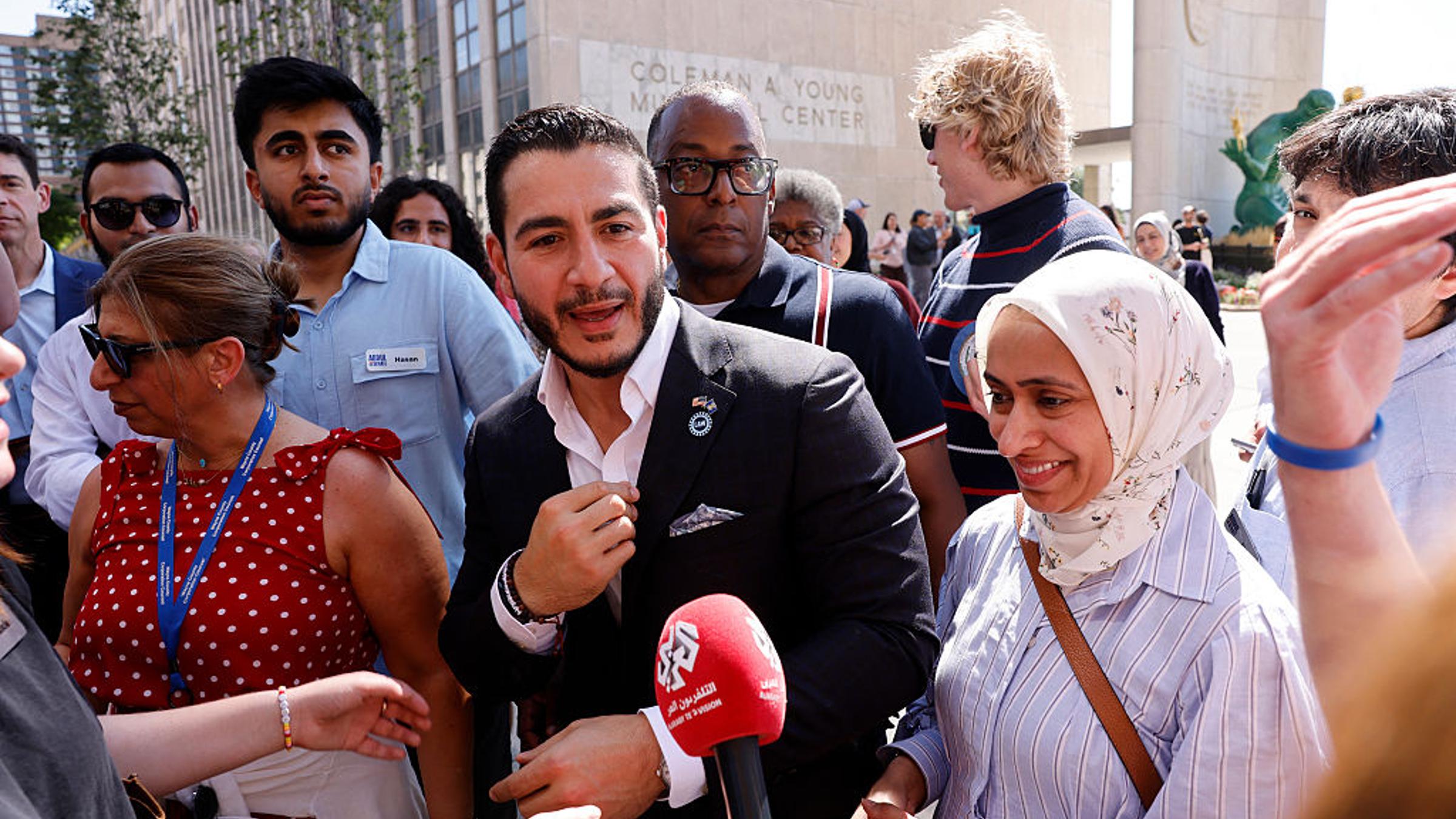
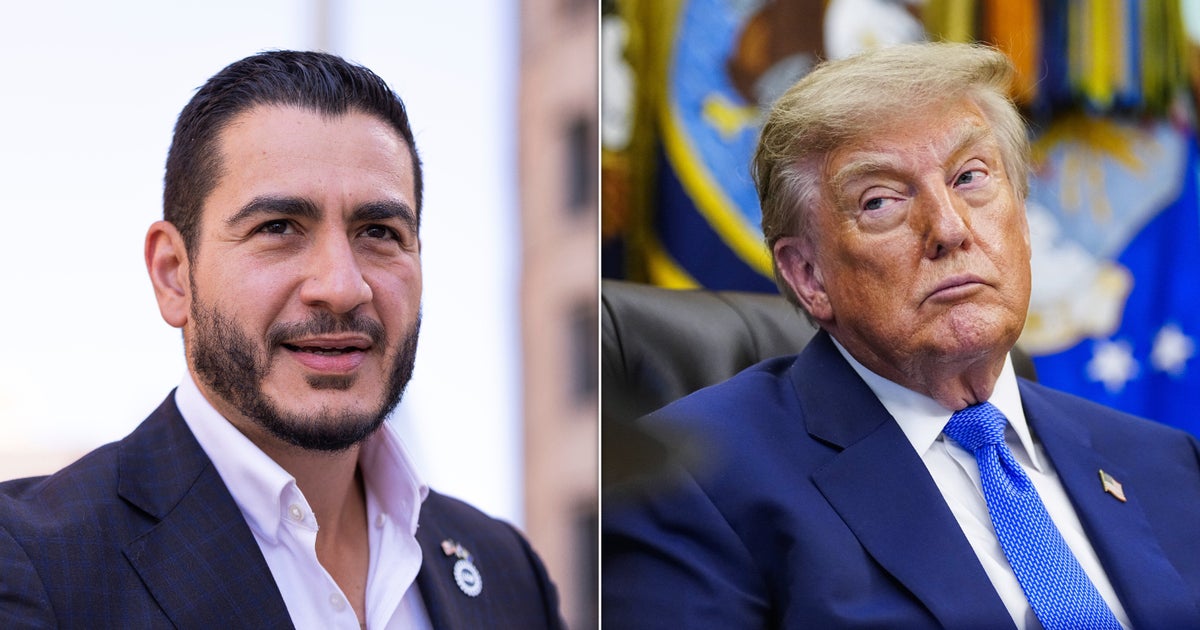
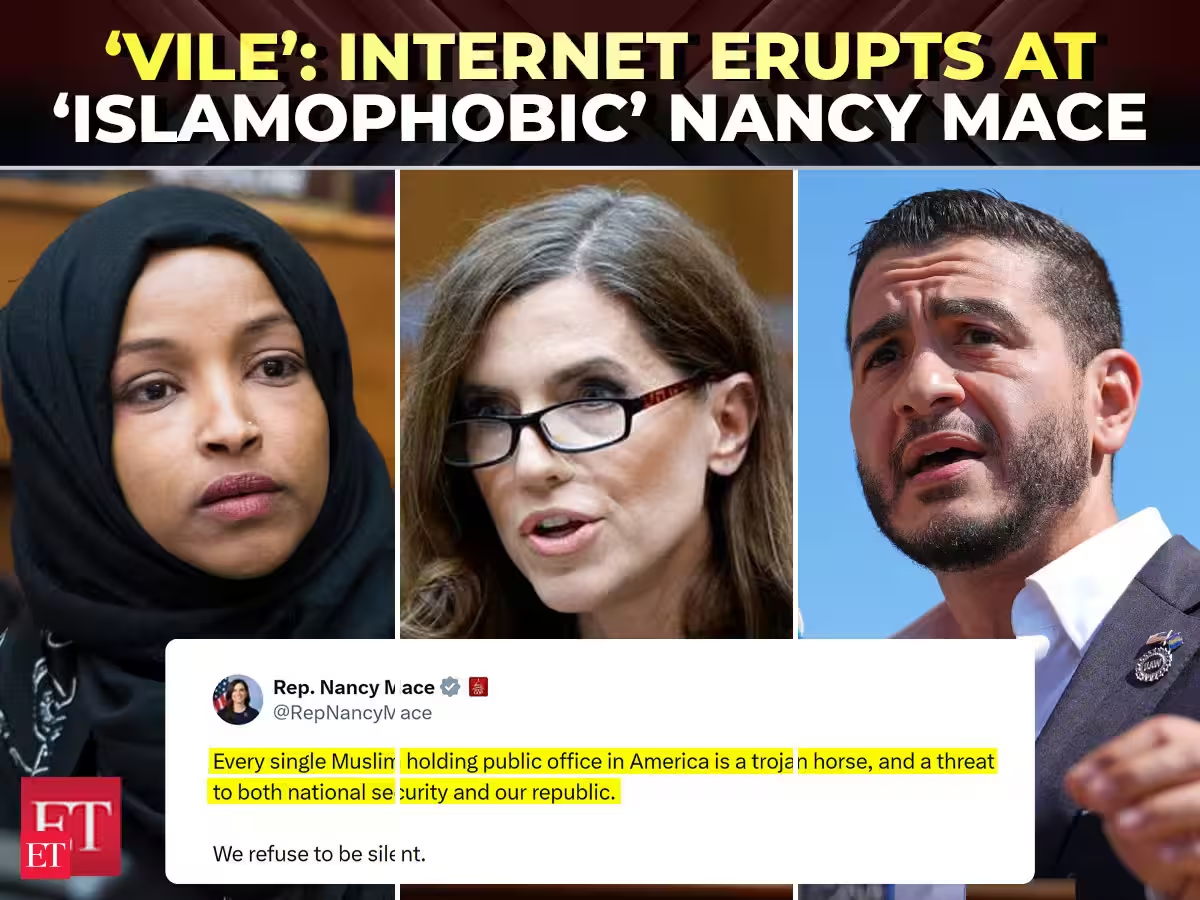
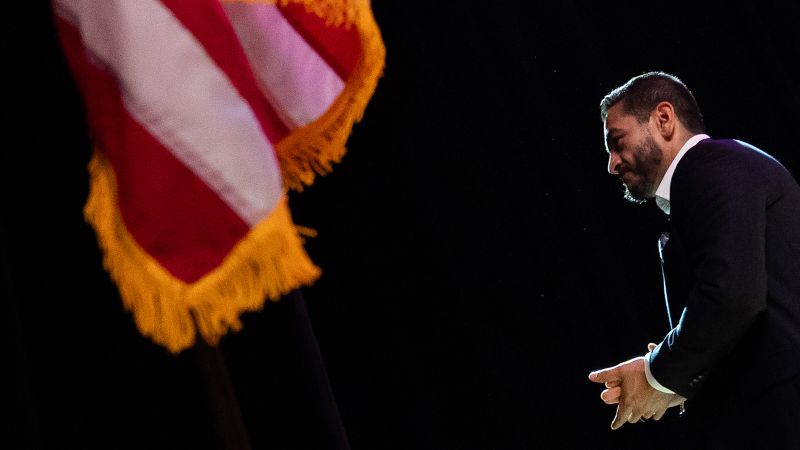
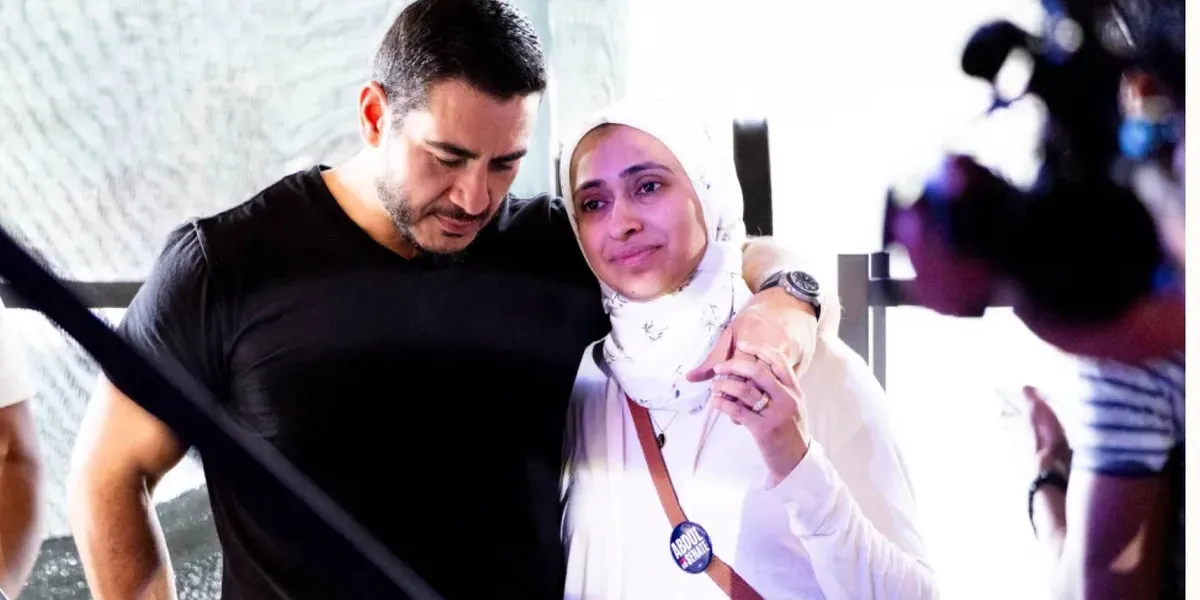
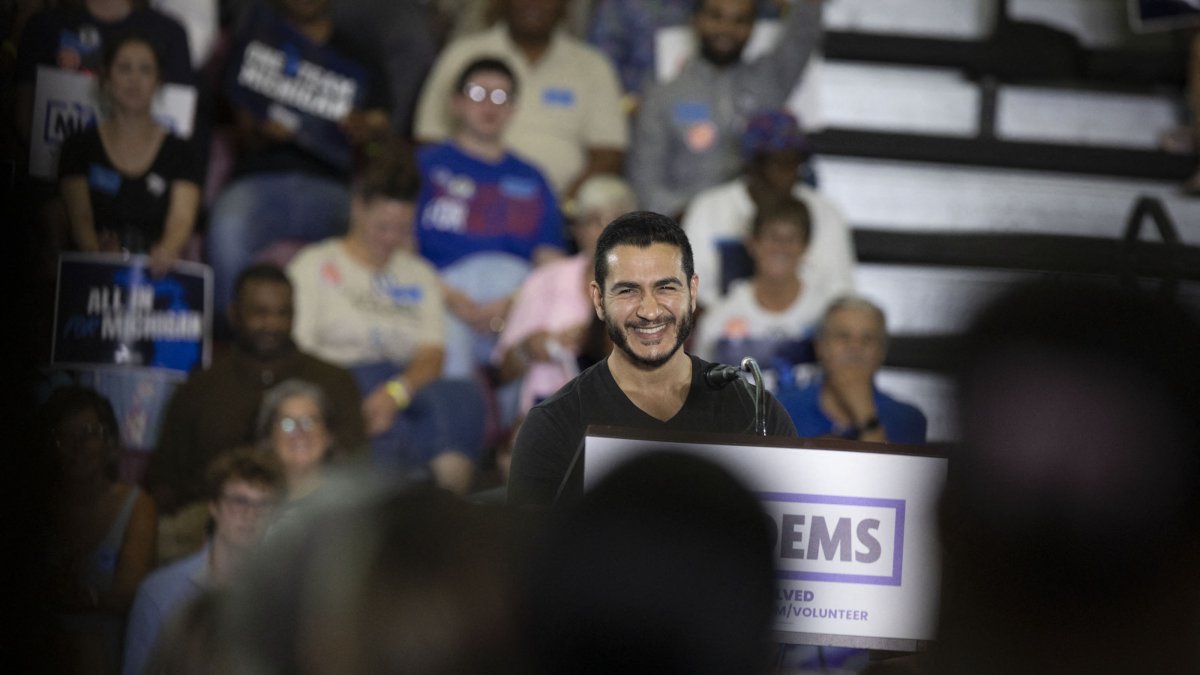
Nowadays, however, election campaigns in the U.S., by and large, seem to be exactly about things that that woman was so clearly concerned about. It is for this reason, for example, that Senate Republicans chose to attack the Democratic Party candidate for Senate in Michigan, Abdul El-Sayed, by simply drawing attention to his name: “Michigan socialist finally introduces himself with his full name: Abdulrahman Mohamed El-Sayed.”