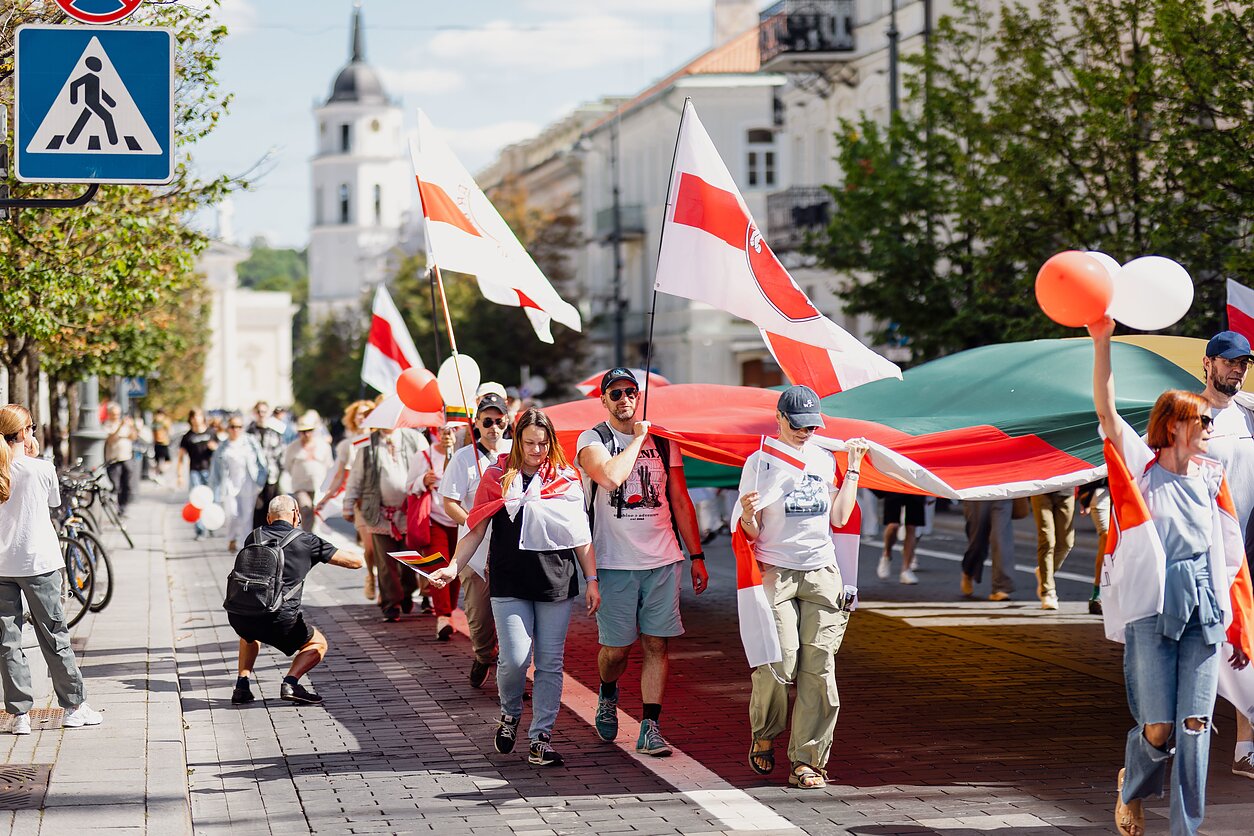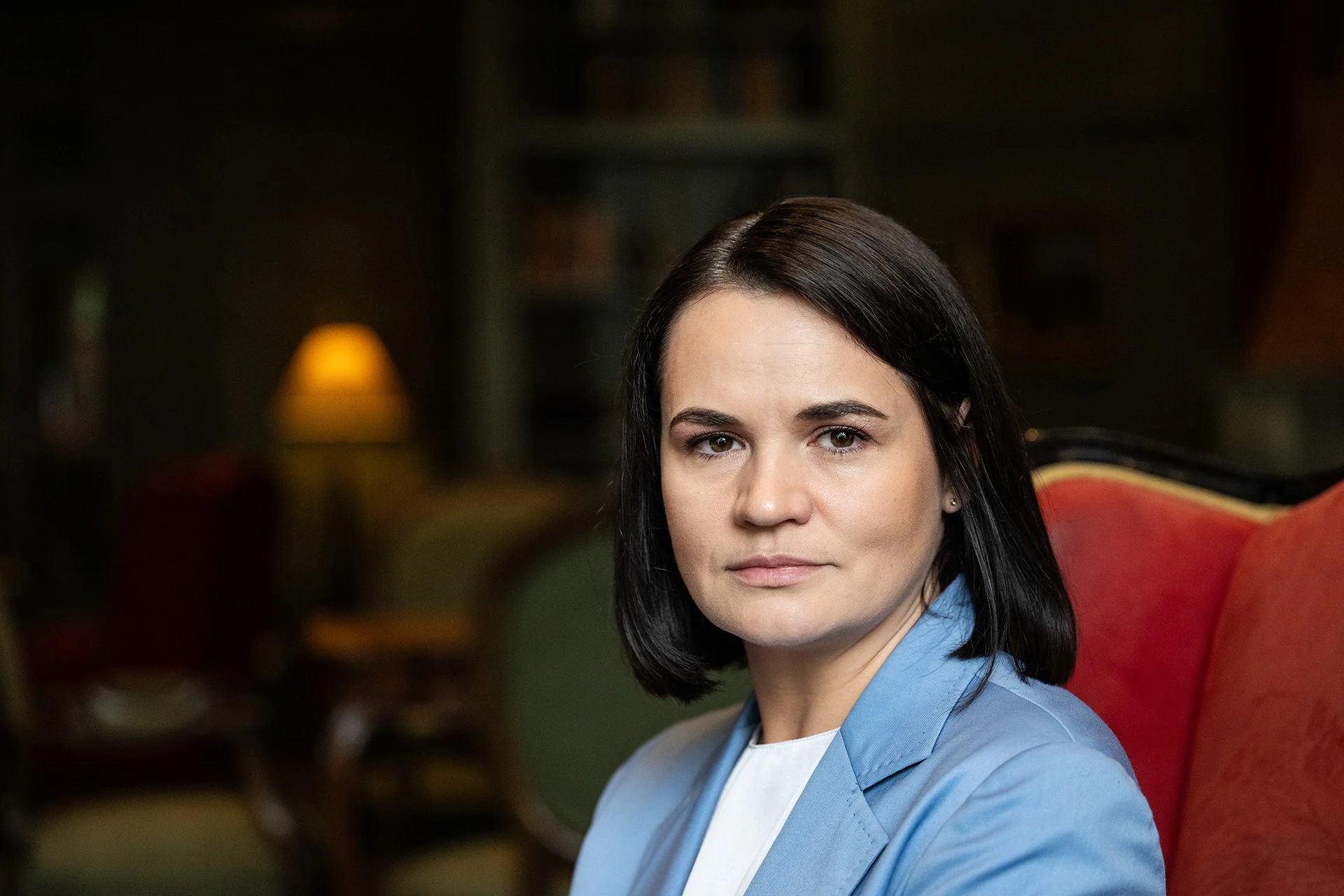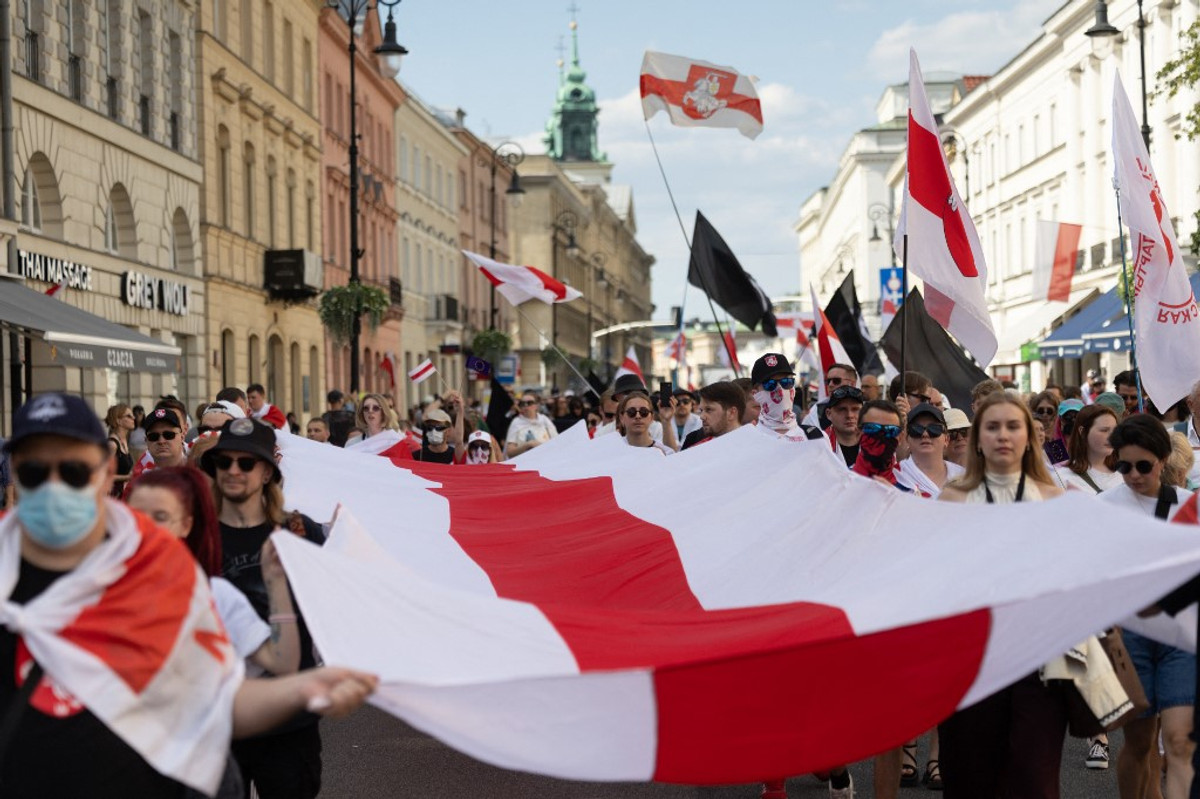
Nearly six years ago, Belarusians poured onto the streets after Alexander Lukashenko, the authoritarian president who has ruled the country since 1994, claimed another implausible election victory. Factory workers walked out, women formed human chains and as many as 200,000 people filled central Minsk in the largest demonstration in Belarusian history. JOIN US ON TELEGRAMFollow our coverage of the war on the @Kyivpost_official. The uprising changed Belarusian society, though it didn’t change the state. Lukashenko remained in power, supported by the Kremlin and protected by security forces prepared to imprison thousands of their own citizens. Yet the democratic movement survived, largely in exile and is preparing for the next moment when the regime becomes vulnerable. Sviatlana Tsikhanouskaya, the exiled opposition leader who challenged Lukashenko in 2020 after her husband was imprisoned, compares this period to the years when Poland’s Solidarity movement operated underground. “Despite times of desperation, there were people who preserved hope, courage and strength,” she told TVP World this week. “When the moment came, they didn’t lose that momentum. Our task now is the same.” The comparison captures the opposition’s determination, but it also reveals how much Belarus is still missing. Solidarity prevailed because it sank its roots inside Poland; it had a divided regime to deal with and a Kremlin prepared to stand aside. None of those conditions exists in Belarus today.
Exiled Belarus Opposition Awaits Regime Split
Six years after the 2020 uprising, Sviatlana Tsikhanouskaya compares the exiled Belarusian democratic movement to Poland’s Solidarity.
1,472 words~7 min read